
Texas, the Lone Star State, conjures images of vast landscapes, vibrant cities, and a distinctive culture. It’s a premier destination for travelers seeking diverse experiences, from the bustling urban charm of Dallas and Houston to the historic allure of San Antonio and the musical heart of Austin. For those considering a temporary stay, a long-term relocation, or even an investment in a vacation property, understanding the local financial landscape is crucial. One of the most significant aspects of this landscape, particularly given Texas’s lack of a state income tax, is its property tax system. While often seen as a dry financial topic, property taxes in Texas have a profound, albeit sometimes indirect, impact on travel, accommodation choices, and the overall lifestyle experience within the state.
From influencing the cost of a luxury suite in Houston to shaping the development of new attractions in Austin, property taxes play a foundational role. They are the primary funding mechanism for local services, including public schools, municipal infrastructure, and emergency services—all elements that contribute to a high-quality living environment and an attractive tourist destination. This comprehensive guide will demystify the property tax system in Texas, exploring its unique characteristics, its direct and indirect effects on visitors and residents, and how it shapes the very fabric of the Texas lifestyle and tourism industry. Whether you’re planning a trip to explore Big Bend National Park, considering a long-term stay in a charming San Antonio apartment, or evaluating a potential investment in a Galveston beach house, understanding Texas property taxes is an essential piece of the puzzle.
The Foundation of Funding: How Property Tax Works in Texas
Unlike many states that rely on state income tax, Texas funds its essential public services primarily through property taxes. This decentralized system means that the specific tax rates and values can vary significantly from one jurisdiction to another, creating a diverse financial ecosystem across the state. Understanding the core components of this system is the first step to appreciating its impact.
Valuation and Appraisal
The journey of a property tax bill begins with its valuation. Each year, appraisal districts in every county are responsible for determining the market value of all taxable properties within their boundaries. This includes residential homes, commercial buildings, vacant land, and even certain types of personal property used for business. The appraisal district’s goal is to assess properties at their current market value as of January 1st of each year.
The market value is essentially what a willing buyer and a willing seller would agree upon for the property. Appraisal districts use a mass appraisal system, analyzing sales data of comparable properties, income data for commercial properties, and replacement cost new for unique structures. For homeowners, especially those new to Texas, it’s crucial to understand that while market values can fluctuate significantly, the taxable value of a homesteaded property (your primary residence) typically cannot increase by more than 10% per year, regardless of how much the market value might rise. This “appraisal cap” provides some stability for long-term residents.
Setting the Tax Rate
Once a property’s value is appraised, various local taxing units then apply their tax rates. These taxing units include:
- Cities: For municipal services like police, fire, and parks.
- Counties: For county-wide services such as sheriff’s departments, road maintenance, and health services.
- School Districts: The largest portion of most property tax bills goes to funding public education.
- Special Districts: These can include hospital districts, community college districts, water districts, or road districts, each levying a specific rate for their designated services.
Each of these entities independently sets its own tax rate, usually expressed as dollars per $100 of appraised value. For example, a rate of $1.50 per $100 means that for every $100 of your property’s taxable value, you pay $1.50 in tax. The combined total of these rates forms your overall property tax rate. This fragmented approach means that a property owner in Dallas may face a very different cumulative rate than someone owning a similar property in Fort Worth or a rural area outside Houston, even within the same metropolitan region. This local control empowers communities to fund services tailored to their specific needs and priorities, which in turn influences the desirability and character of different locales.
Property Taxes and the Texas Lifestyle: From Hotels to Homesteads
The nuances of Texas property tax extend far beyond a simple calculation; they are woven into the very fabric of the state’s lifestyle and economy. For tourists, potential residents, and businesses alike, these taxes indirectly shape decisions related to accommodation, long-term stays, and investment opportunities.
Impact on Accommodation and Tourism
Travelers exploring Texas might not directly pay property tax, but it significantly influences the cost and quality of their experience. Hotels, resorts, and short-term rental properties are commercial ventures, and their owners pay property taxes on the value of their buildings and land. These taxes represent a substantial operating cost that is ultimately factored into room rates.
Consider a stay at a luxurious establishment like the JW Marriott San Antonio Hill Country Resort & Spa or the historic The Driskill Hotel in Austin. A portion of your nightly rate contributes to covering the property tax burden of these establishments. This also applies to vacation rentals found on platforms like Airbnb, where the owner’s property tax liability influences their pricing strategy. Higher property taxes in popular tourist destinations such as South Padre Island or Galveston can translate to slightly higher accommodation costs compared to areas with lower tax rates.
However, it’s not all about cost. The revenue generated from these taxes directly funds the local infrastructure that enhances the tourist experience. Well-maintained roads to attractions like Space Center Houston, beautifully landscaped public parks such as Klyde Warren Park in Dallas or Zilker Park in Austin, and the provision of robust emergency services all contribute to a safer, more enjoyable travel environment. Furthermore, property tax revenue supports local cultural institutions and events, from the Museum of Fine Arts, Houston to festivals along the San Antonio Riverwalk, enriching the array of attractions available to visitors.

Property Ownership and Long-Term Stays
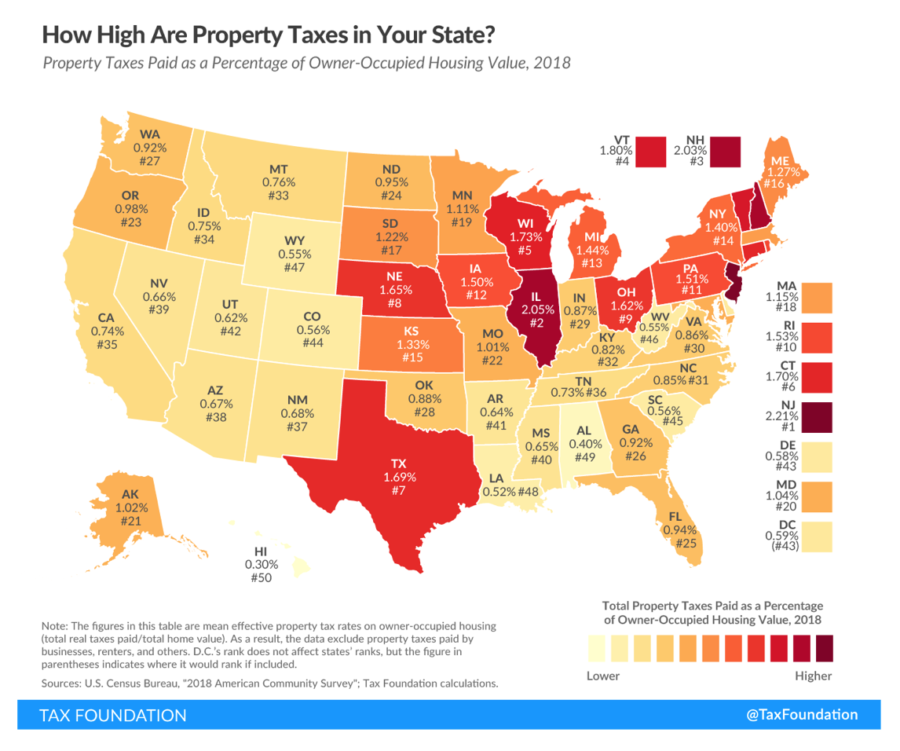
For individuals considering a more permanent move or an extended stay in Texas, property taxes become a direct and significant factor. Texas is known for its relatively affordable housing market compared to coastal states, but its property tax rates are among the highest in the nation. This often means that while the purchase price of a home might be attractive, the ongoing property tax burden can be substantial.
Homestead Exemptions: To mitigate this, Texas offers several crucial exemptions for homeowners who use a property as their primary residence (their homestead). The most common is the general residence homestead exemption, which reduces the appraised value on which taxes are calculated. For example, a statewide school tax exemption automatically removes $40,000 from a home’s value for school tax purposes. Local taxing units can also offer additional exemptions. These exemptions are vital for making homeownership more accessible and are a key consideration for anyone planning a long-term stay.
Specific Exemptions for Seniors and Disabled Individuals: Texas also provides significant tax relief for homeowners who are 65 or older or who are disabled. These “over-65” and “disabled person” exemptions provide additional reductions in taxable value and, importantly, cap the amount of school district property taxes owed at the level of the year they qualified for the exemption (a “tax ceiling”). This makes Texas an attractive option for retirees or individuals with disabilities seeking a stable cost of living.
Investment Properties and Vacation Homes: For those looking to invest in rental properties or a vacation home in popular areas like Corpus Christi or near Lake Travis, property taxes are a critical part of the financial calculation. Unlike primary residences, investment properties do not qualify for homestead exemptions, meaning their entire appraised value is subject to taxation. This can significantly impact the return on investment for landlords and the carrying costs for vacation home owners. Therefore, understanding the local tax rates in desirable areas is paramount before making such an investment.
Navigating the Texas Property Tax Landscape
For anyone engaging with the Texas property market, whether as a resident, business owner, or potential investor, understanding how to navigate the system is key to managing costs and ensuring fair taxation.
Understanding Appraisal Notices and Protests
Every year, property owners receive an appraisal notice from their county appraisal district. This notice details the property’s appraised value, the exemptions applied, and provides an estimate of the taxes owed. It’s a critical document, and property owners have the right to protest their appraised value if they believe it is incorrect or unfairly assessed.
The protest process typically involves presenting evidence to the appraisal review board (ARB) that your property’s value is lower than assessed, or that it is valued inequitably compared to similar properties. This might include recent sales data of comparable homes, repair estimates, or professional appraisal reports. Many residents and businesses in Texas utilize this right to protest to keep their property tax burdens in check. Understanding this annual cycle and the avenues for recourse is essential for financial planning, especially given the dynamic real estate market in growing cities like Austin and Houston.
Exploring Exemptions and Deferrals
Beyond the standard homestead exemption, Texas offers a variety of other exemptions that can reduce a property owner’s tax liability. These include:
- Disabled Veterans Exemptions: Depending on the percentage of service-connected disability, disabled veterans can receive a partial or total exemption from property taxes. This is a significant benefit for military families considering Texas for relocation.
- Agricultural Exemptions: Properties used for agricultural purposes (farming, ranching) can qualify for a special “ag exemption,” which taxes the land based on its agricultural productivity value rather than its market value. This is particularly relevant for those exploring rural properties or agritourism ventures in Texas’s vast countryside.
- Charitable Organization Exemptions: Non-profit organizations meeting specific criteria can also be exempt from property taxes.
Additionally, certain property owners, such as the elderly or disabled, may qualify for property tax deferrals, allowing them to postpone paying taxes until the property is sold or transferred. While the taxes still accrue with interest, it provides immediate financial relief. Information on all exemptions and deferrals is readily available through county appraisal district websites and is a crucial resource for eligible property owners.
Looking Ahead: The Future of Texas Property Tax
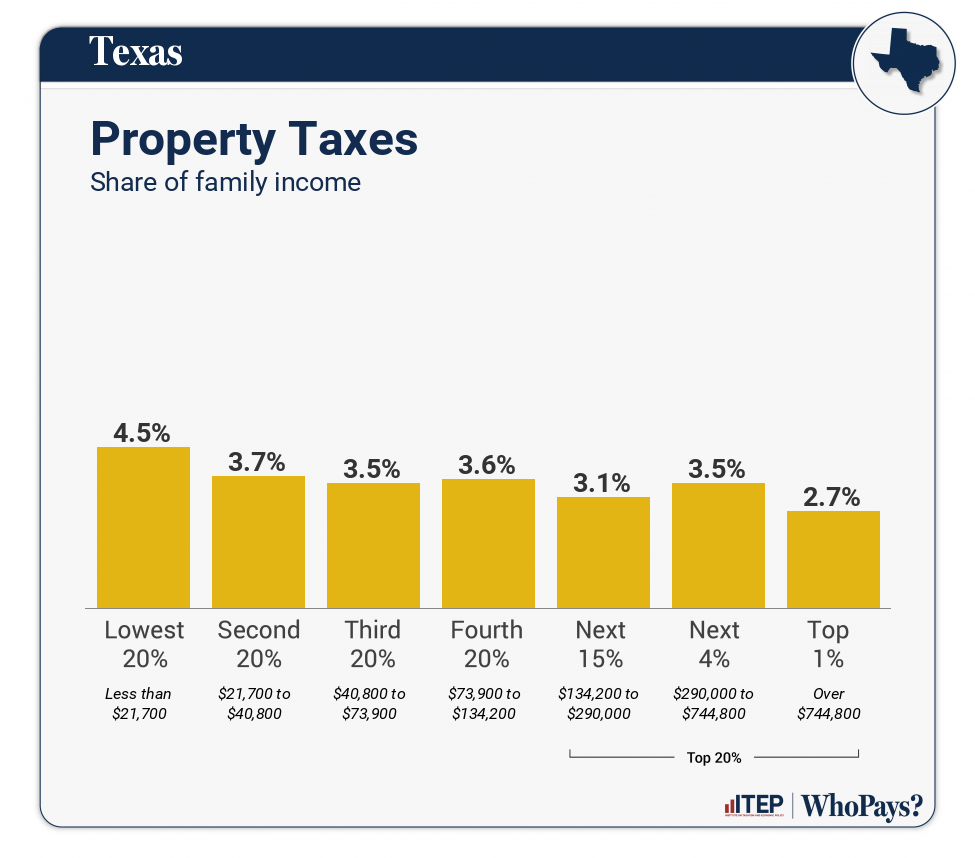
The issue of property taxes is a perennial topic of debate and legislative focus in Texas. State lawmakers frequently consider reforms aimed at providing tax relief, improving transparency, and reining in rising property values and tax burdens. Recent legislative sessions have seen efforts to compress school property tax rates and provide additional exemptions, reflecting the public’s desire for more affordable property ownership.
These ongoing discussions and potential reforms are important for anyone with a stake in Texas real estate. Changes to the property tax system can impact everything from the viability of investing in a new boutique hotel in Dallas Arts District to the long-term affordability of a family home in The Woodlands. Staying informed about legislative developments can help individuals and businesses plan for the future, ensuring they can continue to enjoy the vibrant culture, diverse attractions, and unique lifestyle that Texas has to offer.
In conclusion, while “What is the property tax in Texas?” might seem like a straightforward question, the answer reveals a complex, locally driven system that profoundly impacts the state’s economy, its attractiveness as a travel destination, and the daily lives of its residents. From the bustling streets of Houston to the serene landscapes of Guadalupe Mountains National Park, property taxes indirectly fund the infrastructure and services that make these experiences possible. For those looking to fully embrace the Texas experience, whether for a short visit or a lifetime, understanding this essential financial component provides a clearer picture of the value, opportunities, and unique character of the Lone Star State.
LifeOutOfTheBox is a participant in the Amazon Services LLC Associates Program, an affiliate advertising program designed to provide a means for sites to earn advertising fees by advertising and linking to Amazon.com. Amazon, the Amazon logo, AmazonSupply, and the AmazonSupply logo are trademarks of Amazon.com, Inc. or its affiliates. As an Amazon Associate we earn affiliate commissions from qualifying purchases.