
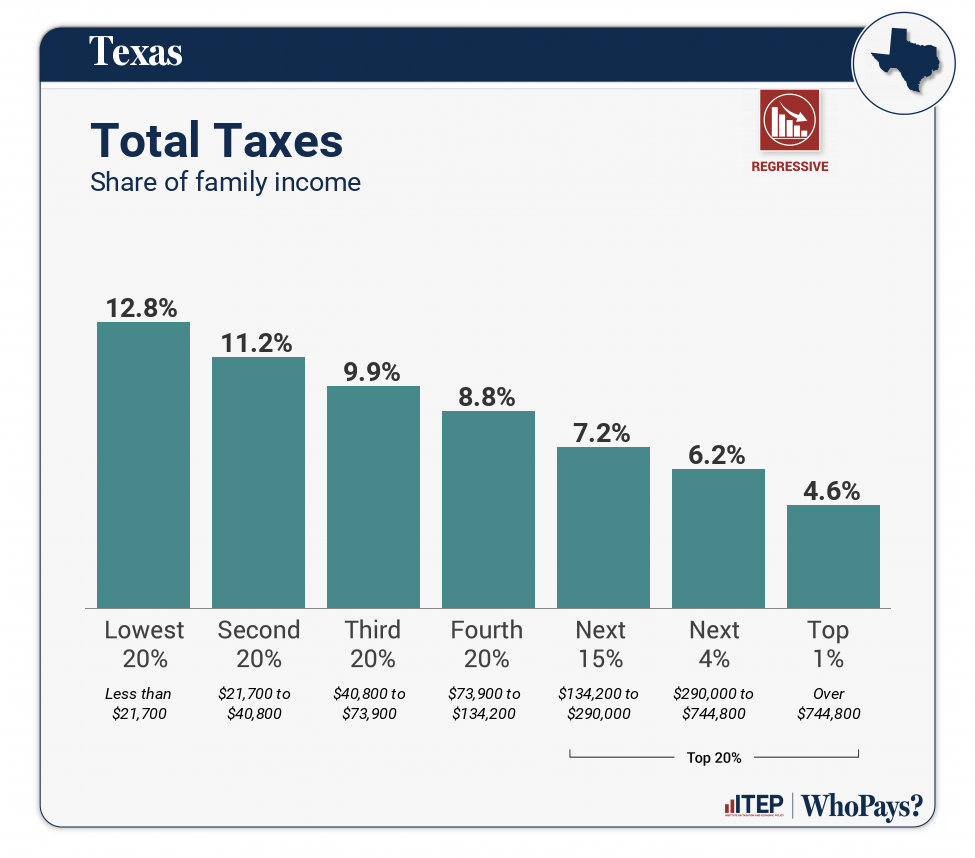
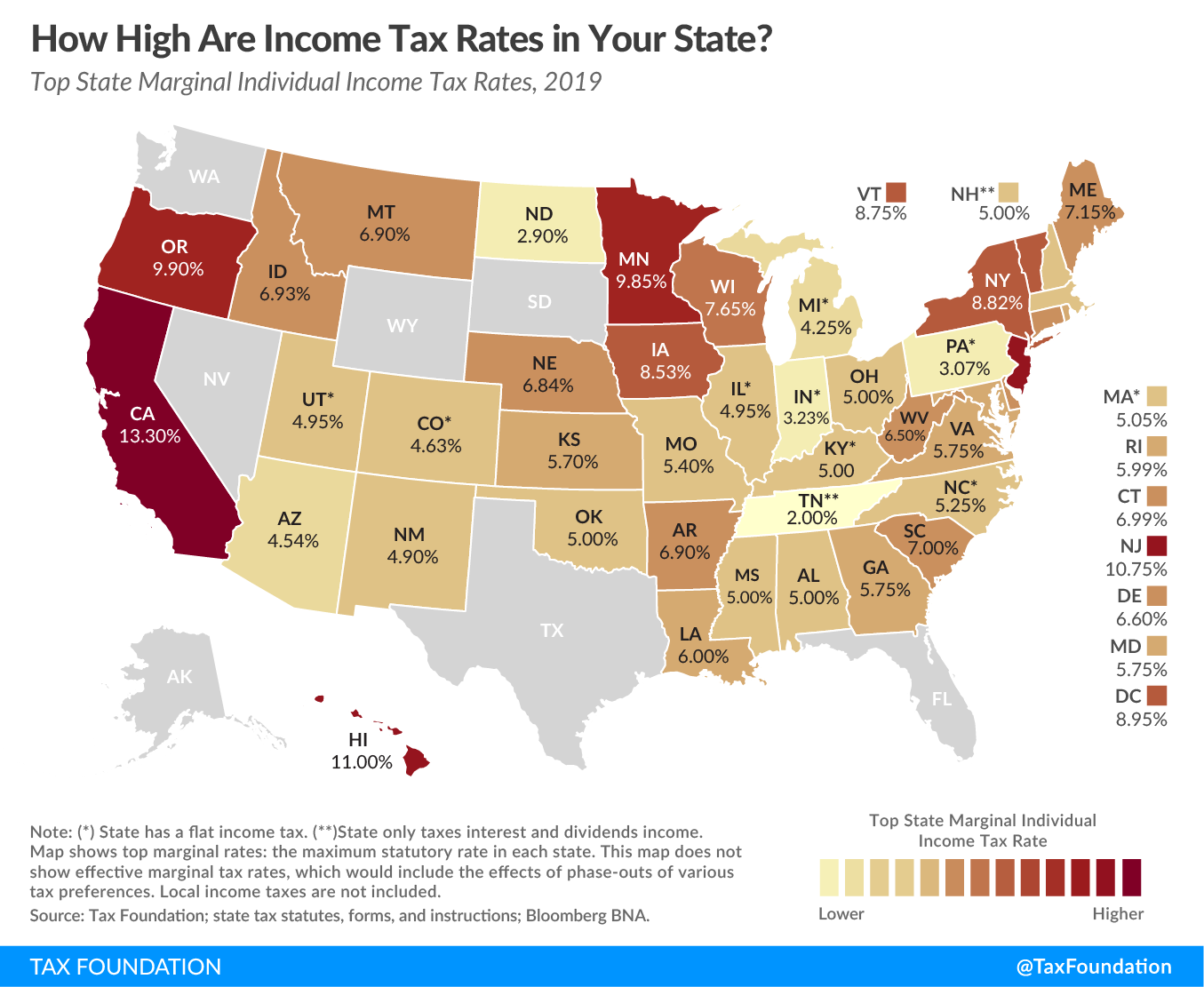
Embarking on a journey to the Lone Star State, or perhaps considering a more permanent stay, naturally brings questions about the cost of living and, more specifically, the tax landscape. Texas, a state renowned for its vast landscapes, vibrant cities, rich history, and diverse culture, also boasts a distinctive tax structure that significantly impacts both visitors and residents. Unlike many other states, Texas famously does not levy a state income tax, a feature that often draws individuals and businesses alike. However, this absence is balanced by other forms of taxation, primarily sales tax and property tax, alongside various excise taxes and, crucially for travelers, a significant hotel occupancy tax.
For anyone planning a trip, booking accommodations, indulging in local cuisine, or exploring the myriad attractions from bustling urban centers to serene natural parks, understanding these tax percentages is paramount for effective budgeting and a smooth travel experience. This article delves into the intricacies of Texas’s tax system, focusing on what travelers and potential residents need to know, how these taxes are applied across different categories, and what impact they have on your overall lifestyle and travel budget within the state.
Understanding Texas’s Core Tax Structure
The foundation of Texas’s revenue generation is built upon a sales-and-property-tax model, rather than relying on individual or corporate income taxes. This approach creates a unique financial environment, particularly noticeable when planning for expenses related to travel and accommodation.
The Foundation: Texas Sales Tax
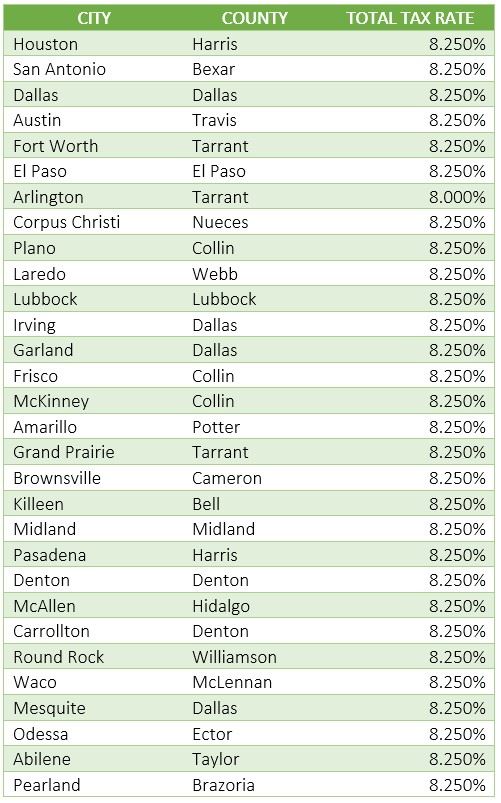
The most direct and widespread tax encountered by nearly everyone in Texas is the sales tax. The state imposes a general sales and use tax rate of 6.25%. However, this is just the baseline. Local taxing jurisdictions, including cities, counties, and various special purpose districts, have the authority to levy an additional local sales tax of up to 2%. This means that the combined state and local sales tax rate can reach a maximum of 8.25% in many areas.
What does this mean for you? When you purchase most goods, dine out at restaurants, buy prepared food from a grocery store, or pay for admission to most entertainment venues and attractions, you will be subject to this combined sales tax. Essential items like most groceries (unprepared food) and prescription drugs are generally exempt from sales tax, providing some relief on daily necessities. For travelers, it’s crucial to factor this into your budget for souvenirs, dining experiences, and entry fees to popular spots like Space Center Houston or The Alamo. A $100 meal, for example, could cost you an additional $8.25 in sales tax in areas with the maximum rate.
The Texas Comptroller of Public Accounts is the primary agency responsible for administering the state’s tax laws, including sales tax. Their website is a comprehensive resource for specific rates in different jurisdictions, offering transparency for businesses and consumers alike.
A Key for Travelers: Hotel Occupancy Tax
For those exploring Texas’s diverse destinations, the Hotel Occupancy Tax (HOT) is perhaps the most significant tax to consider when planning accommodation. The state of Texas levies a 6% hotel occupancy tax on the cost of a room. On top of this state tax, cities and counties also impose their own local HOT. These local rates can vary significantly, often adding another 7% to 9% or even more to the bill. In some areas, particularly major urban centers and popular tourist destinations, the combined state and local HOT can range from 13% to 17% of your nightly room rate.
For example, in a major city like Houston, Dallas, Austin, or San Antonio, an advertised room rate of $200 could easily become $226 to $234 per night once HOT is applied. These funds generated from HOT are often earmarked for promoting tourism and convention activity, building and maintaining convention centers, and supporting local arts and cultural programs, directly benefiting the very industries that attract visitors. Understanding this additional charge is vital, as it can substantially impact the overall cost of your stay, whether you’re splurging on a luxury resort or opting for a more budget-friendly hotel.
The Absence of State Income Tax
One of Texas’s most distinguishing fiscal characteristics is the complete absence of a state individual or corporate income tax. This policy decision has historically made Texas an attractive destination for businesses seeking to minimize operational costs and for individuals looking to maximize their take-home pay. The allure of no state income tax has been a significant driver of population and economic growth, fostering a dynamic business environment that indirectly benefits the tourism sector through increased investment in infrastructure, diverse dining options, and a proliferation of entertainment venues.
However, it’s important to understand that the state’s revenue needs are met through other means, primarily higher property taxes (which residents and businesses pay) and, as discussed, sales and hotel occupancy taxes. While tourists don’t directly pay property taxes, the higher burden on businesses can sometimes translate into slightly higher prices for goods and services to offset these operational costs. Nonetheless, the overall economic vibrancy fueled by this tax policy creates a thriving backdrop for travel and lifestyle within the state.
How Taxes Impact Your Texas Travel Experience
The various tax percentages in Texas play a critical role in shaping your travel budget, from the moment you book your accommodation to your daily spending on food, entertainment, and transportation.
Budgeting for Accommodation and Beyond
When planning your stay in Texas, the Hotel Occupancy Tax (HOT) will be a primary consideration. The combined state and local HOT can add a significant percentage to the base rate of your hotel room, short-term rental, or resort stay. For instance, a week-long stay at a $150/night hotel could incur an additional $136.50 to $178.50 in taxes, depending on the specific city’s rate. This is particularly noticeable in popular tourist areas or during peak seasons when room rates are already higher.
Luxury hotels and resorts like The Driskill in Austin, Hotel ZaZa in Dallas or Houston, or La Cantera Resort & Spa in San Antonio will see a higher absolute tax amount due to their higher room rates. Even family-friendly establishments such as the Gaylord Texan Resort & Convention Center in Grapevine will include these taxes. It’s always advisable to look for the total price, including all taxes and fees, when booking to avoid surprises. Many booking platforms will show an estimated total, but confirming with the property directly can sometimes provide the most accurate picture.
Dining, Shopping, and Entertainment: The Sales Tax Factor
Beyond accommodation, sales tax will affect almost every other aspect of your daily spending. Whether you’re savoring authentic Tex-Mex, enjoying a barbecue feast, or exploring the diverse culinary scenes in Austin or Houston, expect to pay the combined state and local sales tax on your restaurant bill. Similarly, shopping for unique souvenirs, designer clothing in Dallas’s upscale boutiques, or local crafts will all include sales tax.
Entrance fees to attractions are also subject to sales tax. Planning to visit Six Flags Over Texas, SeaWorld San Antonio, or a local museum? Factor in that extra 6.25% to 8.25%. This consistent application across most consumer goods and services means that a diligent traveler will build this into their daily spending allowance. For a long trip, these small percentages can add up, making a noticeable difference in the overall budget.
Vehicle Rentals and Fuel: Hidden Costs for Road Trippers
For those embarking on a quintessential Texas road trip to destinations like Big Bend National Park or the Guadalupe Mountains National Park, vehicle rentals are a necessity. Rental cars are subject to sales tax, and typically, additional state and local surcharges and fees are applied specifically to rental vehicle transactions. These can include a state motor vehicle rental fee and various local stadium or airport concession fees, which vary by location.
Furthermore, fuel costs include both federal and state excise taxes. While these are embedded in the per-gallon price you see at the pump rather than added at checkout, they contribute to the overall cost of gasoline. Planning long drives across Texas’s vast distances means accounting for substantial fuel consumption, and thus, these taxes, although indirect, form a part of your travel expenses.
Navigating Specific Texas Destinations and Their Tax Nuances
While the core tax rates remain consistent statewide for sales and state HOT, the local additions can create significant variations depending on your chosen destination. Understanding these differences can help you fine-tune your travel plans and budget.
Iconic Cities: Dallas, Houston, Austin, and San Antonio
Texas’s four largest cities each offer unique experiences, alongside their own local tax rates:
- Dallas: Known for its sophisticated arts scene (e.g., Dallas Arts District), world-class shopping, and corporate headquarters, Dallas typically levies the maximum combined sales tax of 8.25%. Hotel occupancy tax in the city can range from 15% to 17% when state and local rates are combined. This impacts everything from stays in luxury hotels to tickets for a Dallas Cowboys game.
- Houston: As a global energy hub, Houston is home to the Space Center Houston, diverse culinary offerings, and cultural institutions like the Houston Museum of Natural Science and the Museum of Fine Arts, Houston. Its combined sales tax rate is also typically 8.25%. Hotel occupancy tax rates are similarly high, often around 17% in the city proper, affecting stays near the NASA Johnson Space Center or the Downtown Aquarium.
- Austin: The state capital, famous for its “Live Music Capital of the World” moniker, tech industry, and outdoor lifestyle (e.g., Lake Travis, Texas State Capitol), also has a combined sales tax of 8.25%. Hotel occupancy tax often hovers around 15% to 17%, which can significantly add to the cost of attending festivals like South by Southwest or enjoying a weekend getaway in the Texas Hill Country.
- San Antonio: Rich in history with landmarks like The Alamo and the scenic River Walk, San Antonio also applies an 8.25% combined sales tax rate. Its hotel occupancy tax is also on the higher end, typically ranging from 16.75% to 18.5%, impacting stays for visitors exploring the historic missions or enjoying theme parks like SeaWorld San Antonio.
Coastal Getaways and Theme Parks: Galveston to Grapevine
Beyond the major metropolises, Texas offers a variety of other travel experiences, each with its own tax implications:
- Galveston: This historic island city on the Gulf Coast, known for the Galveston Island Historic Pleasure Pier and Moody Gardens, has its own set of local taxes. The combined sales tax rate is usually 8.25%, and the local hotel occupancy tax, when combined with the state rate, often reaches 15% to 17%.
- Grapevine: A popular family destination near Dallas-Fort Worth, home to the Gaylord Texan Resort & Convention Center and LEGOLAND Discovery Center, also applies the 8.25% sales tax. Its HOT can be significant given its focus on large-scale resorts and convention tourism.
- Fort Worth: Embracing its Western heritage, particularly at the Fort Worth Stockyards National Historic District, Fort Worth shares the 8.25% sales tax rate with its sister city, Dallas, and a similar range for hotel occupancy tax.
- Coastal towns like South Padre Island or Corpus Christi: These popular beach destinations often have robust local HOT rates to support their tourism infrastructure, on top of the standard sales tax for dining and activities.
- Hill Country towns like Fredericksburg: Known for wineries and German heritage, these charming towns will also have a combined sales tax of 8.25% and varying local HOT rates, affecting stays in quaint bed-and-breakfasts or boutique hotels.
- Waco: Drawing visitors to Magnolia Market at the Silos and the Dr Pepper Museum, Waco also falls within the typical 8.25% sales tax range and a competitive hotel occupancy tax.
Even more remote locations, such as those near Big Bend or Padre Island National Seashore, will apply these taxes to any purchases of goods, services, or accommodations.
The Broader Economic Landscape: How Taxes Support Texas Tourism
While taxes represent an additional cost, it’s important to recognize their crucial role in fostering the very experiences that draw millions to Texas each year.
Funding Public Services and Infrastructure
The revenues generated from sales tax and, especially, Hotel Occupancy Tax are vital for supporting public services and infrastructure that directly or indirectly benefit tourism. Sales tax contributes to general state and local funds, which finance everything from public safety and schools to roads and utilities—all essential for a pleasant and safe travel experience.
Hotel Occupancy Tax funds, as mentioned, are often specifically dedicated to tourism-related expenditures. This includes the marketing and promotion of Texas as a destination, the maintenance and expansion of convention centers (which attract large events and business travelers), visitor information services, and the support of local arts, culture, and sports facilities. Without these funds, many of the world-class attractions, events, and conveniences that make Texas a desirable place to visit would be less robust or even non-existent. Think of the infrastructure supporting major events like Formula 1 races at Circuit of the Americas or the ongoing development around the Dallas World Aquarium and Fort Worth Zoo.
The Competitive Edge: Texas as a Business and Lifestyle Hub
The absence of a state income tax in Texas has played a significant role in attracting businesses and a skilled workforce to the state. This influx of companies and residents creates a vibrant economic ecosystem, fostering competition and innovation. For travelers, this translates into a richer array of dining options, diverse entertainment venues, well-maintained public spaces, and a generally robust service industry.
The strong business environment also supports ongoing development in hospitality, with new hotels, resorts, and attractions continually emerging across the state, from Schlitterbahn Waterparks to urban revitalization projects in cities like El Paso. This competitive edge ultimately enhances the overall quality of life for residents and the breadth of experiences available to tourists, making Texas an attractive destination for both short visits and long-term stays.
Smart Tax Planning for Your Texas Adventure
Navigating the tax percentages in Texas doesn’t have to be complicated. With a little foresight, you can effectively budget for a seamless and enjoyable trip or relocation.
- Always Check Total Accommodation Prices: When booking hotels, short-term rentals, or resorts, pay close attention to the “total price” that includes all taxes and fees, not just the base room rate. This is where the state and local Hotel Occupancy Taxes will make the most significant impact on your budget.
- Factor in Sales Tax for Daily Spending: For dining, shopping, and entertainment, mentally add 6.25% to 8.25% to the advertised prices. If you’re planning a lot of retail therapy or gourmet meals, these percentages will add up.
- Consider Bundled Packages: Sometimes, travel packages that include flights, hotels, and attractions might offer a slightly more consolidated price, though the underlying taxes are still paid by the provider. It can sometimes simplify budgeting.
- Be Aware of Rental Car Surcharges: If you’re renting a car, anticipate additional state and local fees beyond the daily rental rate and sales tax. Inquire about these when booking or picking up the vehicle.
- Utilize Online Resources: The Texas Comptroller of Public Accounts website is an excellent resource for specific sales tax rates by city or county. Many online travel agencies and booking sites also provide detailed breakdowns of taxes and fees before you confirm your reservation.
- Budget for Discretionary Spending: Allocate a slightly larger buffer for spontaneous purchases or unexpected opportunities, recognizing that taxes will apply to most of these.
In conclusion, while Texas stands out with its lack of a state income tax, understanding its other tax percentages – particularly the sales tax (6.25% state, up to 8.25% combined) and the substantial Hotel Occupancy Tax (6% state, potentially 13-17% combined) – is essential for anyone planning to visit or live in the state. By being informed and budgeting accordingly, you can fully embrace all the unique travel, accommodation, and lifestyle experiences that the Lone Star State has to offer, without any unwelcome financial surprises.
LifeOutOfTheBox is a participant in the Amazon Services LLC Associates Program, an affiliate advertising program designed to provide a means for sites to earn advertising fees by advertising and linking to Amazon.com. Amazon, the Amazon logo, AmazonSupply, and the AmazonSupply logo are trademarks of Amazon.com, Inc. or its affiliates. As an Amazon Associate we earn affiliate commissions from qualifying purchases.