
When you think of Texas, a myriad of iconic images likely flood your mind: vast, sprawling landscapes, the enduring spirit of cowboys, the rich history of The Alamo, or the bustling metropolitan hubs of Houston and Dallas. Yet, beyond the famous landmarks and vibrant cities lies a deeper connection to nature, embodied in the state’s official arboreal symbol. For travelers, history buffs, and culinary enthusiasts alike, understanding the significance of Texas’s state tree offers a unique lens through which to explore this diverse and captivating state. So, what exactly is the official state tree of The Lone Star State? It is, in fact, the magnificent Pecan tree.
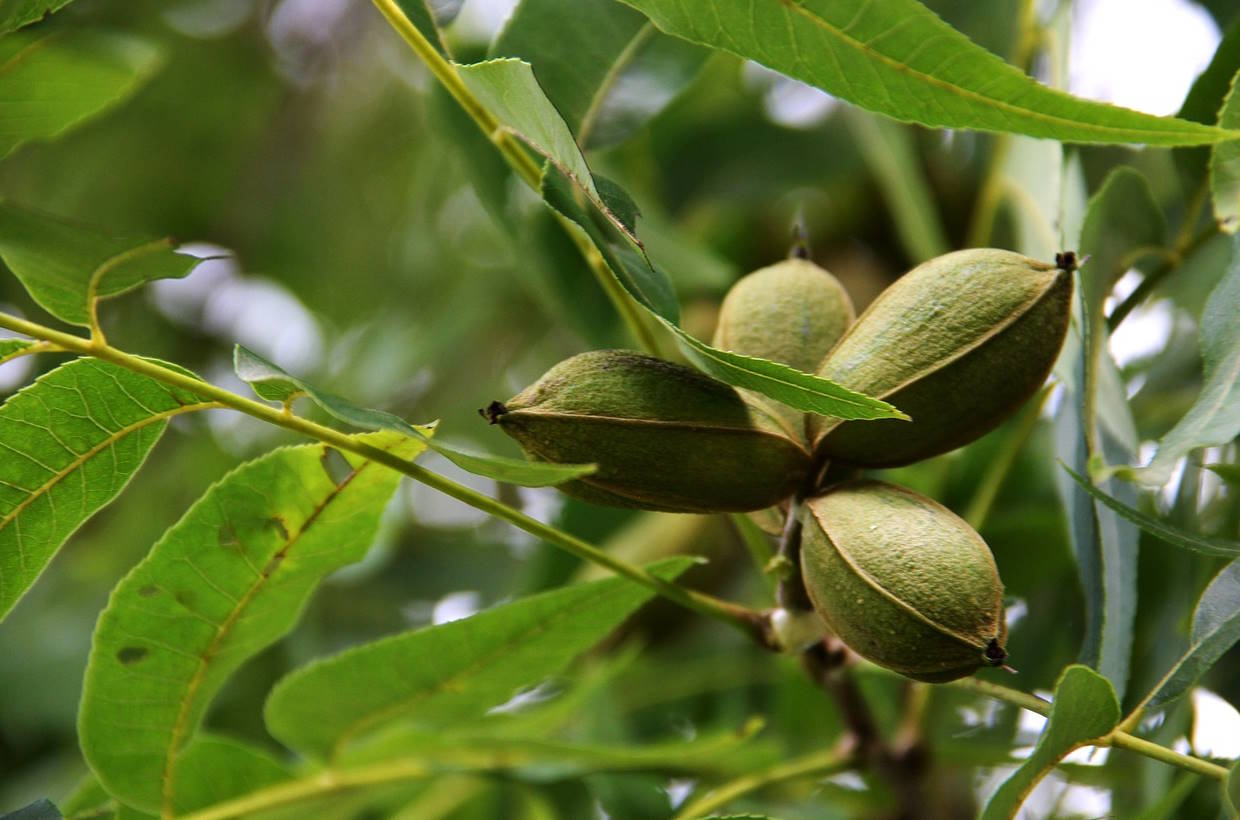
More than just a source of delicious nuts, the Pecan tree is deeply woven into the fabric of Texas’s history, economy, and cultural identity. From its ancient origins and its pivotal role in the lives of indigenous peoples to its official designation championed by a visionary governor, the pecan stands as a testament to the natural bounty and enduring spirit of Texas. For those planning their next adventure or seeking unique travel experiences, discovering the world of the pecan can lead to unexpected journeys through scenic orchards, historic towns, and culinary delights that truly capture the essence of Texas. Join us as we explore the story of the Pecan tree and uncover how it enriches the travel, tourism, and lifestyle landscape across this extraordinary state.
The Illustrious Pecan: A Deep Dive into Texas’s Official State Tree
The journey to becoming the official state tree of Texas is a tale rich in history and natural heritage, reflecting the deep appreciation Texans have for their environment. The Pecan tree (scientifically known as Carya illinoinensis) is not merely a botanical specimen; it’s a living monument to the state’s past and a vibrant part of its present.
From Ancient Roots to State Symbol
The Pecan tree is native to North America, with its natural range extending from the Mississippi River Valley down into Mexico. Texas falls squarely within this native habitat, boasting an abundance of wild pecan groves, particularly along its many rivers and fertile plains. For thousands of years, indigenous tribes relied heavily on pecans as a vital food source. These energy-rich nuts were easily stored, transported, and incorporated into various dishes, making them invaluable for survival and trade. Archeological evidence suggests that pecans were consumed by Native Americans as far back as 8,000 years ago, highlighting their long-standing importance in the region.
The early European settlers quickly recognized the value of the pecan. Spanish explorers, for instance, documented the tree and its nuts, which they called “nuez de la China” or “pecanas.” Over centuries, the pecan transitioned from a wild harvest to a cultivated crop, slowly gaining prominence for its commercial potential. Its sturdy wood also found uses in furniture making and other crafts, further cementing its utility and economic significance. For visitors interested in the natural history of Texas, exploring areas like Palmetto State Park or other riverside Texas State Parks can offer a glimpse into these ancient groves, where pecan trees have thrived for generations, witnessing centuries of human history unfold beneath their expansive canopies.
Governor Hogg’s Vision: A Legacy Rooted in Nature
The designation of the Pecan tree as the official state tree in 1919 wasn’t a random decision; it was deeply personal for one of Texas’s most beloved figures: Governor James Stephen Hogg. Governor Hogg, who served from 1891 to 1895, was a staunch advocate for conservation and the development of Texas’s natural resources. His particular fondness for the pecan was legendary. He famously requested that a pecan tree be planted at the head of his grave, with the instruction that the nuts be distributed among friends and family, symbolizing his enduring legacy and his connection to the land.
This profound personal connection inspired a movement to officially recognize the pecan. Following Governor Hogg’s death, his daughter, Miss Ima Hogg, a prominent philanthropist and art collector, continued to champion her father’s love for the tree. In 1919, the Texas Legislature, moved by the tree’s historical importance, economic value, and the heartfelt sentiment of Governor Hogg, officially declared the Pecan tree the State Tree of Texas. This act solidified the pecan’s place not just in the natural landscape, but also in the hearts and minds of Texans. Visitors to the Texas State Capitol in Austin can often find pecan trees gracing the grounds, standing as a quiet tribute to this enduring legacy and the state’s commitment to its natural heritage. The story of Governor Hogg and the pecan is a touching anecdote for any traveler interested in the history and personalities that shaped Texas.
The Pecan’s Enduring Impact: Beyond a Botanical Designation
The Pecan tree’s status as the state tree is more than symbolic; it reflects its profound impact on the daily lives, economy, and cultural identity of Texans. This impact is especially evident in the state’s culinary traditions and agricultural landscape, making it a compelling focus for tourism and lifestyle experiences.
A Culinary Icon: The Taste of Texas
For many, the first thought of a pecan immediately conjures images of sweet, decadent Pecan pie. Indeed, the Pecan pie holds a special place in the hearts (and stomachs) of Texans, so much so that it was designated the official State Dessert of Texas. This rich, nutty, and often gooey confection is a staple at holiday gatherings, family meals, and local diners across the state. But the pecan’s culinary versatility extends far beyond pie.
Travelers exploring Texas will find pecans incorporated into an array of dishes, from crunchy coatings for fried chicken to savory salads, and from delectable pralines and candies to pecan-crusted fish. Local bakeries and specialty food shops, particularly in towns known for pecan production like San Saba (often heralded as the “Pecan Capital of the World”), offer an unparalleled opportunity for culinary tourism. Visitors can sample freshly roasted pecans, indulge in homemade pecan brittle, or even take cooking classes focused on Texas pecan recipes. Engaging with the local food scene, especially when it revolves around such a fundamental ingredient, provides a genuine taste of Texas culture and hospitality, transforming a simple meal into an authentic cultural experience.
Economic Powerhouse: Nuts, Timber, and Beyond
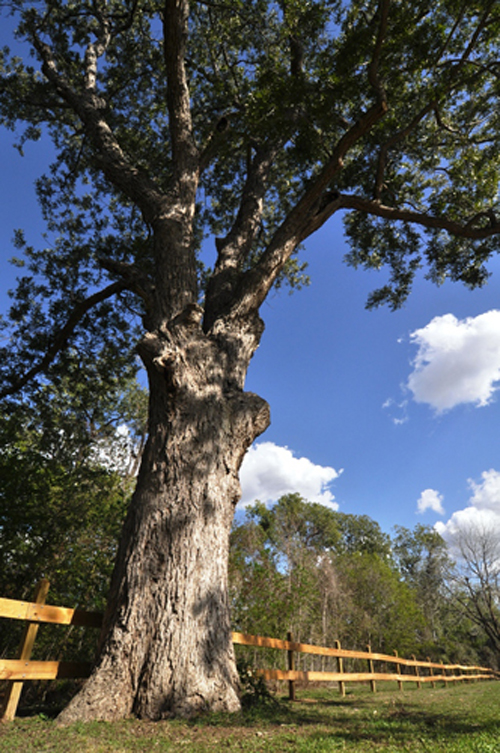
Beyond its culinary appeal, the pecan is an economic engine for Texas. Texas is consistently one of the leading pecan-producing states in the United States. Vast pecan orchards stretch across Central Texas, East Texas, and South Texas, representing a significant agricultural industry. These orchards not only produce tons of nuts annually but also contribute to agritourism, allowing visitors to tour farms, learn about the harvesting process, and purchase pecans directly from the source.
The economic value of the Pecan tree isn’t limited to its nuts. The wood itself is highly prized for its strength, durability, and attractive grain, making it valuable for furniture, flooring, and cabinetry. This dual economic benefit underscores the pecan’s comprehensive contribution to the state’s economy and highlights its role in sustainable practices. Many pecan farmers are committed to environmentally friendly cultivation methods, ensuring that the legacy of these majestic trees continues for generations. For eco-conscious travelers or those interested in sustainable agriculture, a visit to a Texas pecan farm offers insights into responsible land management and the vital connection between nature and livelihood.
Exploring Pecan Country: Travel & Tourism Opportunities in Texas
For travelers seeking unique experiences that blend natural beauty, history, and local flavor, the Pecan tree serves as an excellent focal point for exploring Texas. The pervasive presence and cultural significance of the pecan open doors to a variety of destinations and activities, perfectly aligning with themes of travel, tourism, and landmarks.
Iconic Pecan Destinations and Landmarks
To truly appreciate the Pecan tree, consider visiting some of Texas’s prime “Pecan Country” regions. San Saba, located in the Texas Hill Country, proudly claims the title of the “Pecan Capital of the World.” Here, you can immerse yourself in pecan culture by visiting local orchards, sampling a vast array of pecan products, and exploring the Pecan Museum, which delves into the history and cultivation of this cherished nut. It’s a charming small town that offers an authentic slice of rural Texas life and an opportunity to connect with local traditions.
Beyond specialized pecan towns, many of Texas’s state parks and natural areas boast impressive stands of pecan trees, particularly along river bottoms. Dinosaur Valley State Park, famous for its dinosaur footprints, also features a riparian forest with numerous pecan trees that provide shade and habitat. Palmetto State Park, known for its unique tropical vegetation, also harbors significant pecan populations. These parks offer excellent opportunities for hiking, picnicking, and wildlife observation under the majestic canopy of pecan trees. Even in urban centers, grand old pecan trees can be found, gracing historic districts and public parks, serving as natural landmarks in themselves. For example, some of the grounds around the Texas State Capitol in Austin are home to mature pecan trees, offering a tranquil escape within the bustling capital.
Experiencing Texas Through Its State Tree: Itinerary Ideas
Incorporating the pecan into your Texas travel itinerary can create a unique and memorable experience. Consider a Pecan-themed Road Trip through Central Texas. Start in Austin, enjoying its vibrant music scene and culinary delights (including pecan-infused dishes), then head west into the Texas Hill Country. Drive through charming towns like Fredericksburg, known for its wineries and German heritage, which often feature local pecan products in their shops. Continue to San Saba for a full immersion into pecan lore.
For a Culinary Pecan Adventure, focus on visiting local farmers’ markets, such as the Brazos Valley Farmers Market near Bryan/College Station or markets in Dallas and Houston, where you can find fresh pecans, artisan pecan products, and local chefs showcasing pecan-centric cuisine. Plan your visit during the fall harvest season (typically late September through December) to witness the pecan orchards in full swing and enjoy pecan festivals that celebrate this beloved nut with contests, tastings, and live entertainment. For families, many orchards offer “U-pick” experiences or pecan cracking demonstrations, providing an engaging and educational activity. When planning accommodation, consider charming bed and breakfasts in the Hill Country, boutique hotels in historic towns, or luxury resorts that incorporate local flavors into their dining experiences, enriching your overall stay with an authentic taste of Texas hospitality.
Lifestyle and Legacy: Embracing the Pecan Spirit
The Pecan tree’s significance extends beyond tourism and economic impact; it embodies a certain lifestyle and leaves a lasting legacy, both for individual Texans and for the state as a whole. Its enduring presence contributes to the quality of life and the unique character of Texas.
From Your Garden to Global Impact
The humble pecan, whether growing wild or cultivated in vast orchards, has a profound impact on our environment and lifestyle. Many Texans proudly plant pecan trees in their own backyards, appreciating them not only for their bounty of nuts but also for the majestic shade they provide, offering respite from the intense Texas sun. These trees also serve as crucial habitats for local wildlife, supporting a diverse ecosystem in both urban and rural settings. For those interested in sustainable living and connecting with nature, growing a pecan tree is a long-term investment in environmental stewardship.
Globally, the pecan holds its own on the world stage of nuts, appreciated for its distinctive flavor and health benefits. The care and cultivation of these trees often reflect a commitment to traditional agricultural practices blended with modern sustainability efforts. The pecan, therefore, represents a tangible link between individual actions – like planting a tree or choosing locally sourced products – and a broader impact on the environment and economy.

Crafting a Texas Experience: Beyond the Nut
Ultimately, the Pecan tree is a potent symbol that encapsulates much of what makes Texas so special. It speaks to the state’s natural beauty, its rich agricultural heritage, and its deep-seated pride. For anyone planning a visit to Texas, understanding the story of the pecan adds a layer of depth to their experience. It encourages travelers to look beyond the surface, to appreciate the landscapes that produce such natural treasures, and to delve into the local culture that celebrates them.
Whether you’re exploring the historic Riverwalk in San Antonio, marveling at the vastness of Big Bend National Park, or delving into space exploration at the NASA Johnson Space Center in Houston, remember that the spirit of the Pecan tree is never far. It represents resilience, generosity, and an unwavering connection to the land – qualities that define the Texas experience. So, on your next journey through The Lone Star State, take a moment to savor a slice of Pecan pie, stroll through a shady pecan grove, or simply admire one of these magnificent trees. You’ll not only be appreciating a beautiful piece of nature, but you’ll also be connecting with the very heart and soul of Texas.
LifeOutOfTheBox is a participant in the Amazon Services LLC Associates Program, an affiliate advertising program designed to provide a means for sites to earn advertising fees by advertising and linking to Amazon.com. Amazon, the Amazon logo, AmazonSupply, and the AmazonSupply logo are trademarks of Amazon.com, Inc. or its affiliates. As an Amazon Associate we earn affiliate commissions from qualifying purchases.