
For travelers planning a visit to the vibrant city of San Antonio, Texas, understanding its time zone is a fundamental piece of information that affects everything from flight schedules and hotel bookings to attraction opening hours and dining reservations. San Antonio operates under the Central Time Zone, adhering to both Central Standard Time (CST) and Central Daylight Time (CDT) depending on the time of year. This seemingly simple detail holds significant implications for planning an unforgettable travel experience, ensuring seamless transitions, and maximizing every moment spent exploring its rich history, diverse culture, and captivating landmarks.

Whether you’re embarking on a solo adventure, a romantic getaway, a family vacation, or a crucial business trip, being aware of the local time helps you synchronize with the city’s rhythm. From coordinating meetings for business travelers to timing your visit to The Alamo or a stroll along the picturesque San Antonio Riverwalk, the time zone influences your entire itinerary. This comprehensive guide will delve into the specifics of San Antonio’s time zone, its impact on various aspects of travel and tourism, and provide essential tips to ensure a smooth and enjoyable visit to this magnificent Texas gem.
Understanding San Antonio’s Time Zone: CST and CDT
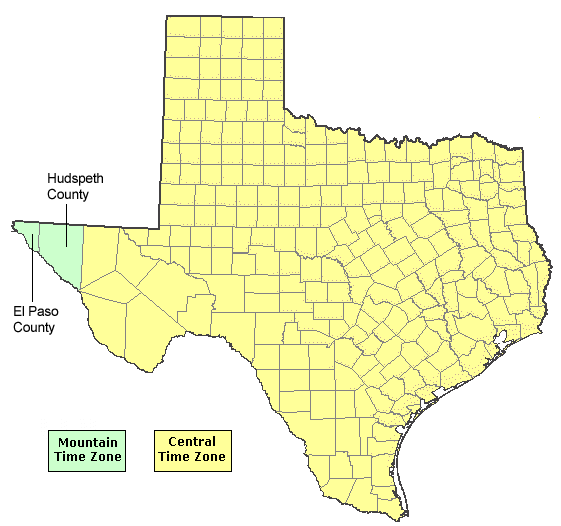
The geographical location of San Antonio places it firmly within the Central Time Zone (CT), one of the six primary time zones observed in the United States and Canada. This designation is crucial for travelers arriving from different parts of the globe or even other regions of North America.
The Basics of Central Time Zone
During the standard period of the year, San Antonio observes Central Standard Time (CST). This means the local time is six hours behind Coordinated Universal Time (UTC-6). To put this into perspective, if it’s 12:00 PM (UTC), it would be 6:00 AM CST in San Antonio. The Central Time Zone encompasses a broad swath of the United States, including most of Texas, and extends through states like Oklahoma, Kansas, Nebraska, Minnesota, Iowa, Missouri (St. Louis), Arkansas, Louisiana (New Orleans), Mississippi, Alabama, and parts of Florida, Illinois (Chicago), Indiana, Kentucky, Michigan, North Dakota, South Dakota, Tennessee, and Wisconsin. Additionally, parts of Canada and Mexico also observe this time zone.
Daylight Saving Time in Texas
Like most of the United States, Texas observes Daylight Saving Time (DST). This means that during a specific period of the year, the clocks are advanced by one hour. In San Antonio, when DST is in effect, the city switches from Central Standard Time (CST) to Central Daylight Time (CDT).
Under Central Daylight Time, the local time is five hours behind Coordinated Universal Time (UTC-5). This shift typically occurs on the second Sunday in March, when clocks “spring forward” one hour, and ends on the first Sunday in November, when clocks “fall back” one hour to Central Standard Time. The transition to Central Daylight Time means that evenings have more daylight, which can significantly impact travel planning. For example, attractions might extend their operating hours, outdoor activities become more feasible later in the day, and sunsets occur later, allowing for more leisurely evening strolls along the Riverwalk. Travelers should always verify the current time observance when planning their trip, especially if their visit spans the transition dates, to avoid any confusion or missed appointments.
Navigating San Antonio as a Traveler: Time Zone Impact
For any traveler, understanding and adapting to the local time zone is key to a smooth and enjoyable trip. San Antonio’s Central Time Zone can significantly influence various aspects of your journey, from the moment you depart to your daily exploration of the city’s renowned attractions.
Planning Your Arrival and Departure
The most immediate impact of a time zone difference is felt during arrival and departure. When booking flights to San Antonio International Airport, always pay close attention to the arrival and departure times listed in local time. If you’re traveling from the East Coast, you’ll gain an hour when flying west to San Antonio, potentially making for an earlier effective arrival. Conversely, flying from the West Coast means you’ll lose two hours, which can make a late-night flight feel even later upon arrival.
Consider the time your flight lands relative to hotel check-in times (usually 3:00 PM or 4:00 PM local time). An early morning arrival from the East Coast might mean several hours before you can access your room, necessitating plans for luggage storage or early check-in requests. For departures, factor in travel time to the airport and the required check-in window, all based on San Antonio’s local time. It’s prudent to set your watch to San Antonio time as soon as you board your flight to begin adjusting mentally.
Optimizing Your Itinerary and Attractions
Once in San Antonio, the time zone dictates the flow of your daily activities. Most attractions, museums, and historical sites, such as The Alamo or the San Antonio Missions National Historical Park, operate on fixed schedules. You’ll need to plan your visits according to their opening and closing times, which are always in local Central Time. Checking official websites for updated hours, especially during holidays or seasonal changes, is always recommended.
For example, if you plan to take a Riverwalk cruise, confirm the last departure time. If you’re visiting Six Flags Fiesta Texas or SeaWorld San Antonio, their hours can vary significantly by day of the week and season. Proper time management allows you to group nearby attractions, minimize travel time between locations, and ensure you don’t miss out on any must-see experiences due to miscalculations.
Adjusting to the Local Rhythm
Embracing the local rhythm of San Antonio is part of the travel experience. Meal times, for instance, typically align with Central Time. Breakfast usually starts around 7:00 AM, lunch around 12:00 PM, and dinner often begins around 6:00 PM or 7:00 PM. If you’re coming from a time zone significantly different, you might find your internal clock out of sync. Early dinner reservations might feel like a late lunch, or vice versa.
Being aware of the local time for dining and entertainment allows you to secure reservations at popular restaurants, catch live music performances, or attend events like a mariachi band concert at Market Square without a hitch. This adjustment is not just about convenience but also about immersing yourself more deeply in the local culture and lifestyle, ensuring you can participate fully in San Antonio’s vibrant social scene.
Time Considerations for Accommodation and Experiences
The time zone isn’t just about what time it is, but how it impacts the services and experiences you’ve booked. From your choice of hotel to your evening entertainment, San Antonio’s Central Time Zone plays a subtle yet significant role.
Hotel Bookings and Check-ins
When booking your accommodation, be it a luxury suite at the Mokara Hotel & Spa, a boutique stay at Hotel Emma, or a family-friendly resort like the Hyatt Regency San Antonio Riverwalk, all listed times for check-in, check-out, and amenity availability will be in San Antonio’s local time. It’s critical to confirm these times with your booking confirmation, especially if your flight arrives late or departs early.
Hotels typically have a check-in time of 3:00 PM or 4:00 PM CST/CDT and a check-out time around 11:00 AM or 12:00 PM CST/CDT. If you arrive significantly before check-in, you might need to arrange for luggage storage and explore nearby attractions until your room is ready. Similarly, if your flight leaves late in the day, consider requesting a late check-out or utilizing hotel amenities after checking out. Spa appointments, fitness center hours, pool access, and room service availability will all adhere to the hotel’s local schedule, so factor this into your plans for relaxation and convenience.
Dining and Entertainment Schedules
San Antonio boasts a rich culinary landscape, from authentic Tex-Mex establishments to upscale dining experiences in the Pearl District. Restaurant operating hours, happy hour specials, and dinner reservation slots are all strictly dictated by local time. If you’re planning a special dinner, be sure to confirm the restaurant’s hours and make reservations well in advance, taking into account how the Central Time Zone aligns with your internal clock.
Beyond dining, San Antonio’s entertainment scene, from theaters to live music venues, operates on precise schedules. Showtimes for performances, concerts, and events will be listed in local Central Time. If you’re eager to catch a show or enjoy the city’s nightlife, understanding these timings is crucial to avoid missing out. For example, a “9 PM show” means 9 PM in San Antonio, which might feel like 10 PM to an East Coast visitor.
Business Travel and Meetings
For business travelers, time zone management is paramount. San Antonio’s status in the Central Time Zone means coordinating meetings with colleagues or clients in different time zones requires careful attention. A conference call scheduled for 9:00 AM in San Antonio would be 10:00 AM on the East Coast and 7:00 AM on the West Coast. Miscalculations can lead to missed meetings, disruptions, and a less productive trip.
Ensure all appointments, presentations, and networking events are clearly understood in their respective local times. When planning your business itinerary, factor in not only the meeting times but also the potential for jet lag if you’re traveling across multiple time zones. Maintaining a consistent sleep schedule as quickly as possible upon arrival can help you stay sharp and focused during crucial business engagements. Many hotels catering to business travelers, like the Marriott Rivercenter, offer amenities and services designed to help guests manage their schedules efficiently.
Exploring San Antonio’s Landmarks and Attractions by the Clock
San Antonio is a city steeped in history and culture, home to some of Texas’s most iconic landmarks. To truly appreciate these sites, understanding their operating hours in local Central Time is essential for effective trip planning.
Iconic Sites and Their Operating Hours
The crown jewel of San Antonio is undoubtedly The Alamo. Its grounds and church are typically open from 9:00 AM to 5:30 PM CST/CDT daily, though these hours can vary seasonally or for special events. Arriving early can help avoid the heaviest crowds, especially during peak tourist seasons.
Beyond The Alamo, the San Antonio Missions National Historical Park, a UNESCO World Heritage Site, includes four other historic missions: Mission Concepción, Mission San José, Mission San Juan, and Mission Espada. While the grounds and exteriors are often accessible from dawn to dusk, the visitor centers and church interiors have more specific operating hours, generally from 9:00 AM to 5:00 PM. Confirming these times on the National Park Service website is advisable, especially as they might differ for each mission.
Other popular attractions like the Tower of the Americas offer panoramic views of the city. Its observation deck usually opens around 10:00 AM and closes late into the evening, providing opportunities for both daytime and nighttime vistas. Museums such as the Briscoe Western Art Museum, San Antonio Museum of Art, and the Witte Museum generally follow standard museum hours, often closing on Mondays and having shorter hours on Sundays. Always double-check their websites for the most current information.
Making the Most of Your Time at The Alamo and Riverwalk
Strategizing your visits to maximize your experience at The Alamo and the Riverwalk hinges significantly on local time. For The Alamo, arriving shortly after opening or an hour or two before closing can help you avoid the midday rush, particularly during school holidays or summer. This allows for a more contemplative and less hurried exploration of this pivotal site in Texas history.
The San Antonio Riverwalk itself is largely open 24/7, offering continuous pedestrian access. However, the shops, restaurants, and river barges operate on specific schedules. River cruises typically start around 9:00 AM and run until late evening (around 9:00 PM or 10:00 PM), with increased frequency during peak hours. Evening strolls along the Riverwalk are particularly enchanting, with lights reflecting on the water and the sounds of music drifting from nearby establishments. Knowing that the city comes alive in the evening (local time) can help you plan your day’s activities to ensure you’re in the right place at the right time to soak in the ambiance. Consider dining at a Riverwalk restaurant as the sun sets for a truly memorable experience.
Maximizing Your San Antonio Experience Across Time Zones
Successfully navigating time zones is a key component of a fulfilling travel lifestyle. For a destination as engaging as San Antonio, a little preparation can go a long way in ensuring your trip is smooth, enjoyable, and free from time-related mishaps.
Tips for Beating Jet Lag
If you’re traveling to San Antonio from a significantly different time zone, especially one with a 3+ hour difference, jet lag can impact your initial days. Here are some tips to minimize its effects:
- Adjust Gradually: A few days before your trip, try to shift your sleep schedule by an hour or two towards Central Time.
- Stay Hydrated: Drink plenty of water before, during, and after your flight to combat dehydration, which can worsen jet lag symptoms.
- Embrace Local Time Upon Arrival: As soon as you land at San Antonio International Airport, set your watch to Central Time and try to follow the local schedule for meals and sleep.
- Seek Sunlight: Exposure to natural light, especially in the morning, helps regulate your body’s circadian rhythm. Take a walk along the Riverwalk or visit an outdoor attraction shortly after arrival.
- Avoid Excessive Caffeine and Alcohol: While tempting, these can disrupt your sleep patterns further.
- Plan Relaxed First Day: Don’t overschedule your first day in San Antonio. Allow yourself time to acclimate and take it easy.

Practical Tools and Resources for Travelers
In today’s digital age, numerous tools can assist you in managing time zones while traveling:
- World Clock Apps: Smartphone apps like the built-in World Clock or dedicated travel apps can display multiple time zones simultaneously, making it easy to see the current time in San Antonio relative to your home.
- Online Converters: Websites offer quick time zone conversions, useful for planning calls or virtual meetings.
- Airline and Hotel Apps: Many airline and hotel apps automatically display times in local zones, providing real-time updates for your itinerary.
- Local Information Centers: The San Antonio Visitors Center and your hotel concierge are excellent resources for local event schedules, attraction hours, and up-to-the-minute information, all provided in Central Time.
- Physical Watch: Sometimes the simplest solution is the best. Wearing a wristwatch set to San Antonio time can be a constant, reliable reminder.
In conclusion, San Antonio, Texas, operates on the Central Time Zone, observing both Central Standard Time (CST) and Central Daylight Time (CDT) seasonally. This seemingly minor detail is fundamental to an organized and fulfilling travel experience. By understanding its implications for flights, accommodation, daily itineraries, and local activities, you can effectively plan your trip, minimize potential disruptions, and immerse yourself fully in the charm and history that San Antonio has to offer. So, set your watch, embrace the local time, and get ready to discover the wonders of this incredible Texas destination.
LifeOutOfTheBox is a participant in the Amazon Services LLC Associates Program, an affiliate advertising program designed to provide a means for sites to earn advertising fees by advertising and linking to Amazon.com. Amazon, the Amazon logo, AmazonSupply, and the AmazonSupply logo are trademarks of Amazon.com, Inc. or its affiliates. As an Amazon Associate we earn affiliate commissions from qualifying purchases.