
Houston, Texas, a sprawling metropolis often celebrated for its vibrant culture, world-class culinary scene, and status as a hub for space exploration and energy, also boasts a surprisingly lush and diverse natural landscape. For travelers, new residents, and seasoned gardeners alike, understanding the local planting zone is crucial not only for successful horticulture but also for appreciating the city’s unique green spaces and the lifestyle they inspire. The question “What planting zone is Houston, Texas?” delves into the fundamental climatic conditions that shape the flora of this dynamic United States city, influencing everything from urban parks and botanical gardens to the backyard oases of its myriad accommodations.
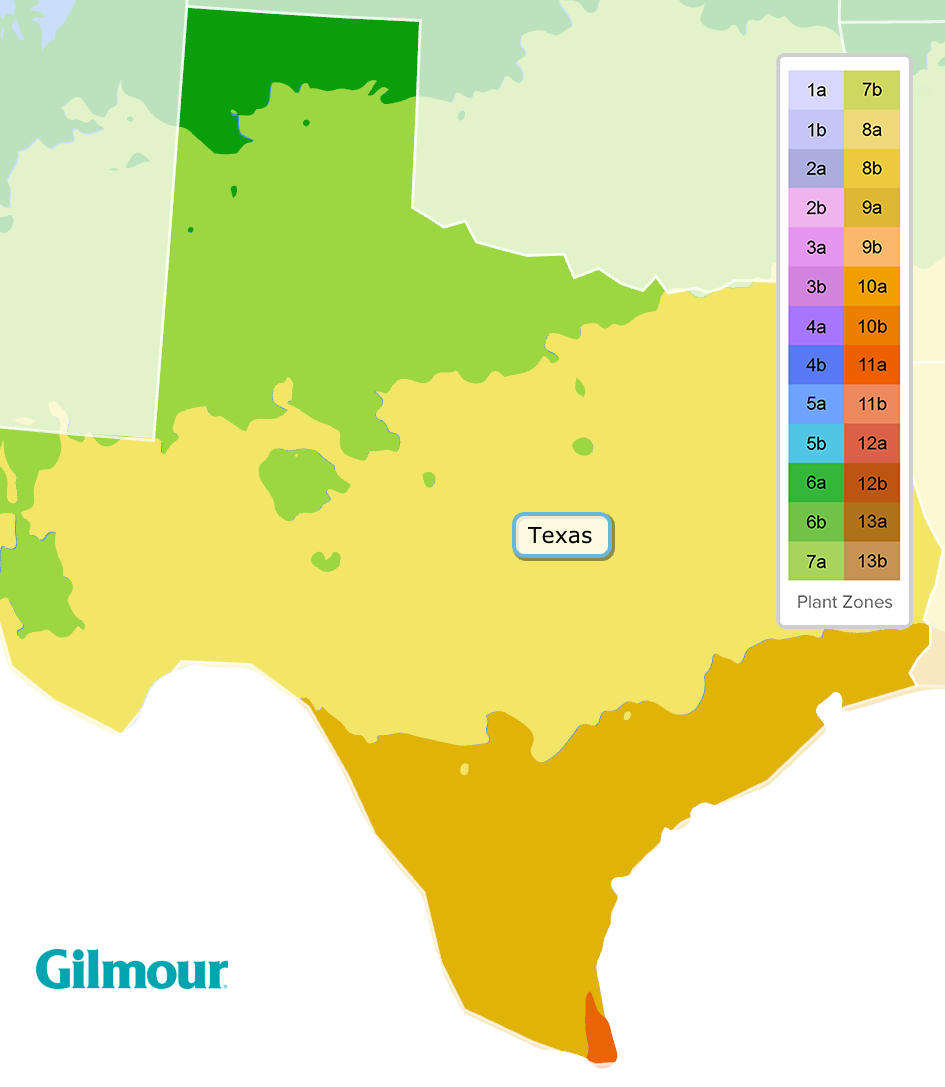
Understanding Houston’s Climate and Planting Zone
Houston’s climate is defined by its humid subtropical characteristics, meaning hot, humid summers and generally mild winters. This distinct weather pattern is the primary determinant of its plant hardiness zone, a classification system vital for anyone looking to cultivate plants that can thrive year-round.
The USDA Plant Hardiness Zone System Explained
The USDA Plant Hardiness Zone Map is the standard by which gardeners and growers determine which plants are most likely to survive the winter cold in a specific location. Developed by the United States Department of Agriculture, this map divides North America into 13 zones, each representing a 10-degree Fahrenheit range of average annual extreme minimum winter temperatures. Each zone is further divided into “a” and “b” subzones, representing a 5-degree Fahrenheit difference. This system helps individuals select appropriate plant species by indicating their cold tolerance, a critical factor for perennial plants that must survive dormant periods.
The concept of a planting zone goes beyond just temperature; it’s a foundational element for understanding the local environment, impacting everything from agricultural practices to the aesthetic appeal of urban planning. For those exploring Houston as a travel destination, recognizing its hardiness zone provides context for the diverse plant life encountered in its parks, along its bayous, and within the meticulously maintained grounds of its resorts and hotels.
Defining Houston’s Specific Zone
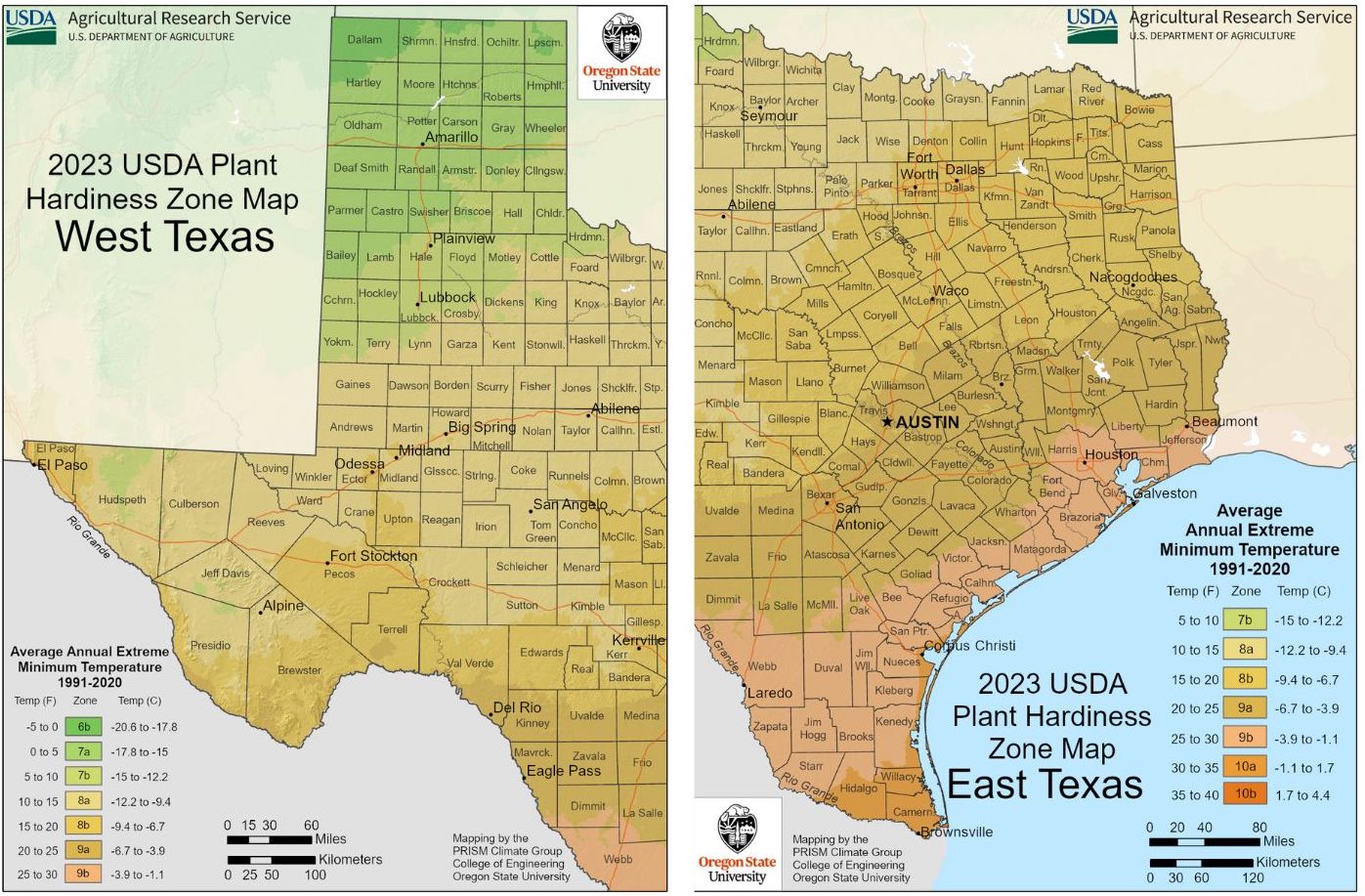
Based on the most recent updates to the USDA Plant Hardiness Zone Map, Houston, Texas primarily falls within Zone 9a and 9b. This designation signifies that the average annual extreme minimum winter temperatures typically range from 20 to 25 degrees Fahrenheit for Zone 9a, and 25 to 30 degrees Fahrenheit for Zone 9b.
This distinction is significant. While both zones are considered mild, the slightly warmer conditions of Zone 9b, often found closer to the city center and coastal areas, allow for an even broader range of tropical and subtropical plants to flourish. Conversely, areas in Zone 9a might experience slightly colder dips, requiring a bit more caution with the most cold-sensitive species. This mild winter climate means that many plants considered annuals in colder regions can thrive as perennials in Houston, leading to a longer growing season and an abundance of vibrant foliage and flowers almost year-round. The humidity, another hallmark of Houston’s climate, also plays a crucial role, often mitigating some of the effects of cold snaps and contributing to the lushness of its vegetation. This warm, humid environment makes Houston a paradise for a wide variety of plants, from palms and citrus trees to hibiscus and bougainvillea, shaping the visual tapestry of the city.
Embracing Houston’s Green Side: Gardens, Parks, and Natural Beauty
The planting zone designation profoundly impacts Houston’s natural attractions, making it a fantastic destination for eco-tourism and those who appreciate botanical beauty. The city’s mild climate allows for spectacular public gardens and parks that serve as key landmarks and popular attractions, offering serene escapes and vibrant displays of local and exotic flora.
Iconic Green Spaces and Botanical Havens
Houston is home to an impressive array of green spaces that showcase the capabilities of its Zone 9 climate. These sites are not just parks; they are living museums and recreational hubs, integral to the city’s tourism and lifestyle offerings.
One of the most prominent is the Houston Botanic Garden, a relatively new yet rapidly expanding attraction. Situated on 132 acres along Sims Bayou, it features diverse ecosystems and plant collections from around the world that thrive in similar climates, including a Culinary Garden, Global Collection Garden, and an expansive Coastal Prairie. It’s a testament to the city’s commitment to nature and education, offering visitors a deep dive into botanical wonders.
Another crown jewel is Hermann Park Conservancy, an urban oasis spanning 445 acres in the Museum District. Beyond its famous reflection pool and Japanese Garden, Hermann Park hosts the Houston Zoo and Miller Outdoor Theatre, all surrounded by beautifully landscaped grounds that highlight the resilience and beauty of Zone 9 flora. It’s a destination where history, culture, and nature intertwine, offering diverse experiences for all ages.
Bayou Bend Collection and Gardens, the former home of Ima Hogg, offers a more intimate and historically rich experience. Its fourteen acres of gardens, meticulously maintained, perfectly illustrate how native Texas plants, adapted to the Zone 9 climate, can be integrated into stunning formal and informal designs. Each garden room at Bayou Bend tells a story, making it a unique landmark for horticulture enthusiasts and history buffs.
Other notable green spaces include Memorial Park, one of the largest urban parks in the United States, offering miles of trails amidst natural woodlands; Discovery Green in downtown Houston, a vibrant urban park with a variety of programming; and Levy Park in the Upper Kirby District, known for its family-friendly amenities and lush landscaping. Further afield, the Mercer Botanic Gardens in Humble provide an expansive collection of plants, including a significant collection of native Texas plants, showcasing the region’s biodiversity. These spaces highlight the incredible variety of plants that flourish in Houston’s climate, offering a continuous spectacle of blooms and greenery for locals and visitors alike.
Local Nurseries and Garden Events
The vibrant gardening culture in Houston is supported by numerous local nurseries and garden centers that specialize in plants suitable for Zone 9a/9b. These establishments are invaluable resources, offering expert advice, a wide selection of native and adapted plants, and often hosting workshops and events. For visitors interested in taking a piece of Houston’s green lifestyle home, or for those considering a long-term stay, these nurseries are essential for understanding local plant care and selection.
Throughout the year, Houston hosts various garden tours, plant sales, and horticultural festivals. These events, often organized by local garden clubs and botanical societies, celebrate the city’s unique flora and provide opportunities for community engagement. They also serve as attractive tourism drawcards, especially during the mild spring and fall seasons when gardens are at their peak. These gatherings contribute to the city’s vibrant local culture and offer a unique perspective on [Houston](https://lifeoutofthebox.com/houston] that extends beyond its urban facade, showcasing a thriving “green” lifestyle.
Gardening in the Bayou City: A Lifestyle Choice
For many Houston residents, gardening is more than a hobby; it’s a significant lifestyle choice deeply influenced by the city’s planting zone. The long growing season and mild winters allow for continuous outdoor activity and a strong connection to nature, even within an urban environment. This translates not only to private green spaces but also influences choices in accommodation, particularly for those seeking a more integrated living experience.
Cultivating Your Own Oasis: Tips for Home Gardeners
The Zone 9a/9b classification means Houston gardeners can cultivate an astonishing array of plants. From tropical fruit trees like citrus, mango, and avocado, to vibrant flowering shrubs such as hibiscus, bougainvillea, and oleander, the possibilities are extensive. Many herbs and vegetables can be grown almost year-round, contributing to a thriving farm-to-table movement at home.
However, Houston’s climate also presents unique challenges, primarily intense summer heat and humidity, occasional drought conditions, and the ever-present threat of hurricanes. Successful gardening in Houston requires careful attention to soil health, irrigation, and plant selection. Native Texas plants and those adapted to hot, humid climates are often the best choices, as they are more resilient and require less water once established. Embracing sustainable practices, such as rainwater harvesting and composting, is also a common thread among local gardeners, reflecting a broader commitment to environmental stewardship. For newcomers or visitors considering a longer stay, understanding these nuances is key to appreciating the local lifestyle and even choosing accommodations that offer suitable outdoor spaces.
Finding Accommodation with a Green Touch
The desire for green spaces extends to accommodation choices, reflecting a lifestyle preference for connecting with nature. For travelers, many hotels and resorts in Houston pride themselves on their beautifully landscaped grounds, lush courtyards, and even rooftop gardens. These features enhance the guest experience, offering tranquil retreats amidst the bustling city.
Luxury hotels like The Post Oak Hotel at Uptown Houston often feature meticulously designed outdoor spaces, complete with pools and exotic plantings that thrive in Zone 9. Similarly, boutique hotels and resorts like Hotel ZaZa Houston Museum District strategically use landscaping to create intimate and inviting environments. Even larger establishments such as the Four Seasons Hotel Houston prioritize green design elements, providing urban oases for their guests.
For those planning extended stays, serviced apartments and villas frequently offer private patios or small gardens, allowing residents to cultivate their own plants or simply enjoy the verdant surroundings. This trend highlights how the planting zone not only influences commercial landscaping but also caters to a growing demand for accommodation that offers a slice of Houston’s outdoor lifestyle. Whether it’s a resort with sprawling gardens or an apartment with a balcony brimming with potted plants, the city’s hardiness zone enables these green amenities, enhancing the quality of stay for many.
Beyond the Garden: Houston’s Unique Ecosystem and Attractions
Houston’s Zone 9 climate and its position near the Gulf Coast create a unique ecosystem that supports a wide array of attractions and experiences beyond formal gardens. The influence of the planting zone permeates the entire natural and recreational landscape of the city, offering diverse activities for every visitor.
Exploring Local Flora and Fauna
The mild winters and abundant moisture foster a rich biodiversity. The city’s extensive bayou system, including the iconic Buffalo Bayou Park, is a prime example of this natural bounty. These waterways and their surrounding banks are home to native trees like live oaks, bald cypress, and magnolias, along with a variety of wildflowers and aquatic plants. Birdwatching is a popular activity, especially during migratory seasons, as Houston is located along the Central Flyway. Visitors can explore these natural habitats through kayaking, paddle boarding, or walking and biking trails, offering a glimpse into Texas’s coastal prairie and wetland ecosystems.
Educational institutions and environmental organizations actively promote the understanding and preservation of this unique ecosystem. For travelers with an interest in natural sciences or ecological tourism, Houston’s native plant life and wildlife offer fascinating opportunities for exploration and learning, complementing visits to more structured botanical landmarks.

Seasonal Considerations for Visitors
Understanding Houston’s planting zone and climate is also invaluable for planning a visit. The city truly shines in its mild spring and autumn months, when temperatures are pleasant, and the botanical displays are at their most vibrant. Spring brings an explosion of wildflowers, including the famous Texas bluebonnets, while fall offers comfortable weather for outdoor festivals and exploring parks.
Summer, while hot and humid, is still a popular time for attractions like Space Center Houston, Minute Maid Park, or NRG Park where many events are indoors or offer cooling amenities. However, for those keen on extensive outdoor exploration, the cooler seasons are preferable. Even in winter, the Zone 9 climate ensures that many plants remain green, and some even bloom, making the city a refreshing escape from colder northern climes. The ability to enjoy outdoor activities almost year-round is a significant aspect of Houston’s appeal as a diverse travel destination, allowing for varied experiences regardless of the season. Furthermore, day trips to nearby coastal areas like Galveston Island offer additional natural wonders, where the marine-influenced Zone 9b climate supports even more subtropical species.
In conclusion, Houston, Texas proudly sits within USDA Plant Hardiness Zone 9a/9b. This classification is far more than a gardening technicality; it’s a foundational element that defines the city’s green identity, influences its travel and tourism appeal, shapes its unique landmarks and accommodations, and deeply impacts the lifestyle of its residents. From its world-class botanical gardens and expansive urban parks to the verdant courtyards of its luxury hotels and the thriving backyard gardens of its homes, Houston’s Zone 9 status paints a picture of a city where nature flourishes, inviting exploration and appreciation year-round.
LifeOutOfTheBox is a participant in the Amazon Services LLC Associates Program, an affiliate advertising program designed to provide a means for sites to earn advertising fees by advertising and linking to Amazon.com. Amazon, the Amazon logo, AmazonSupply, and the AmazonSupply logo are trademarks of Amazon.com, Inc. or its affiliates. As an Amazon Associate we earn affiliate commissions from qualifying purchases.