
Understanding the precise time in Texas is more than a simple matter of checking a clock; it’s an essential element for anyone planning to travel, conduct business, or simply connect with the vast and diverse Lone Star State. Texas, a state renowned for its sprawling landscapes, vibrant cities, and rich history, stretches across two distinct time zones, making a quick glance at a single clock insufficient for accurate scheduling across its entirety. From the bustling metropolises of Central Texas to the rugged beauty of its western frontiers, time plays a crucial role in shaping the daily rhythm, travel itineraries, and overall lifestyle experiences that define this iconic American state.

This guide delves into the nuances of Texas’s time zones, offering insights that go beyond mere digital readouts. We’ll explore how these time distinctions impact everything from flight schedules and hotel bookings to the optimal times for experiencing local culture, savoring Texan cuisine, and visiting world-famous landmarks. Whether you’re a seasoned business traveler, a curious tourist, or someone considering a long-term stay, comprehending the temporal landscape of Texas is key to maximizing your visit and truly immersing yourself in all that this incredible state has to offer.
Navigating the Lone Star State’s Time Zones
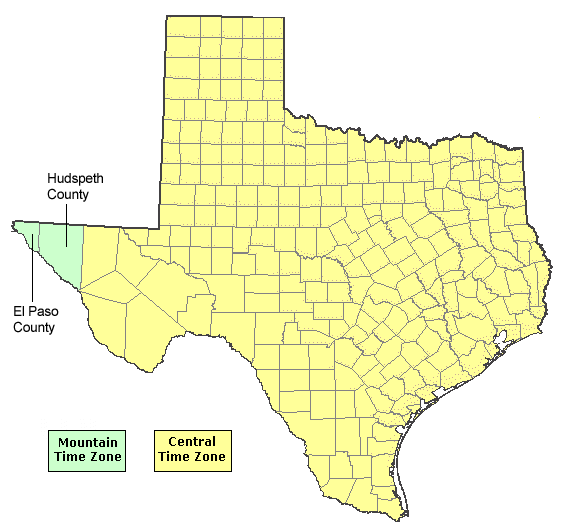
The sheer size of Texas necessitates a division into different time zones, a geographical reality that every visitor and resident quickly learns to appreciate. The vast majority of the state operates on Central Time (CT), aligning with cities like Chicago and New Orleans. However, a significant portion of West Texas adheres to Mountain Time (MT), a fact that can catch unsuspecting travelers off guard.
Central Time: The Heartbeat of Texas
The dominant time zone in Texas is Central Time (CT), observed by approximately 85% of the state’s landmass and nearly all of its major population centers. When you ask “What time is it in Texas?” most people will instinctively refer to Central Time. This is where you’ll find the state’s largest cities and most prominent tourist destinations.
- Major Cities in CT: Houston, the fourth-largest city in the U.S., a hub for space exploration and energy; Dallas, a cosmopolitan center known for its arts and business districts; Austin, the state capital and “Live Music Capital of the World”; San Antonio, rich in history with its iconic Alamo and River Walk; and Fort Worth, embodying the true spirit of the American West with its famous Stockyards. All these bustling hubs operate on Central Time, providing a consistent schedule for millions.
- Daylight Saving Time (DST): Like most of the United States, Texas observes Daylight Saving Time (DST). This means that on the second Sunday in March, clocks “spring forward” one hour, effectively shifting from Central Standard Time (CST) to Central Daylight Time (CDT). On the first Sunday in November, they “fall back” one hour, returning to CST. This shift influences everything from flight schedules to evening dining plans, offering longer daylight hours in the summer months, which is perfect for extended outdoor activities and sightseeing.
- Practical Implications for Travelers/Residents: For travelers flying into Dallas/Fort Worth International Airport (DFW) or George Bush Intercontinental Airport (IAH), knowing the local time in Central Texas is your primary concern. Business meetings, concert timings in Austin’s Sixth Street, and even the opening hours of Space Center Houston are all governed by CT.
Mountain Time: The Western Frontier
While the vast majority of Texas is on Central Time, a significant exception lies in its far western reaches. The city of El Paso, along with Hudspeth County, operates on Mountain Time (MT). This means that these areas are consistently one hour behind Central Time.
- El Paso and Hudspeth County: El Paso, situated at the westernmost tip of Texas and bordering New Mexico and Mexico, observes Mountain Time. This region’s proximity to other states that are on MT, like New Mexico and Arizona (which largely doesn’t observe DST), makes this time zone designation logical for local coordination. Hudspeth County, a sprawling, sparsely populated county east of El Paso, also follows MT.
- Unique Aspects of this Region: This time difference is crucial for anyone traveling between El Paso and the rest of Texas. A flight from Houston to El Paso effectively “gains” an hour, while a return trip “loses” one. This time zone also impacts visits to natural wonders in the area, such as Guadalupe Mountains National Park and the eastern parts of Big Bend National Park, which, while mostly on CT, are close enough that their visitors often interact with MT locales.
- Cultural Differences: The Mountain Time region of Texas often has a distinct cultural flavor, blending Texan identity with influences from the Southwest and Mexico. The pace of life might feel a bit different, and understanding the time zone ensures you’re never late for a delicious Tex-Mex dinner or a hike in the breathtaking Franklin Mountains State Park.
Time-Sensitive Travel: Planning Your Texas Adventure
Effective time management is paramount when planning any trip, but it becomes especially crucial in a state as expansive and geographically diverse as Texas. From coordinating flights and hotel check-ins to optimizing your sightseeing itinerary, understanding and leveraging the time zones can significantly enhance your travel experience.
Seamless Journeys: Flights, Check-ins, and Day Trips
The impact of time zones extends beyond just setting your watch; it dictates the very rhythm of your travel logistics.
- Impact on Flight Schedules and Airport Transfers: For travelers flying into or out of Texas, flight schedules are always listed in local time. This means if you’re flying from New York (Eastern Time) to Dallas (Central Time), you’ll gain an hour upon arrival. Conversely, flying from El Paso (Mountain Time) to Houston (Central Time) will mean “losing” an hour on the clock, even though the actual flight duration is the same. Always double-check your arrival and departure times against the local time zone to avoid missing connections or arriving late. This also applies to pre-booked airport transfers or rental car pickups.
- Hotel Check-in/Check-out Across Time Zones: Hotel policies, especially concerning check-in and check-out times, are strictly local. If you’re arriving at a hotel in El Paso after driving from San Antonio, remember that El Paso will be an hour behind, potentially giving you an extra hour before check-in or allowing for a slightly later start to your day if you planned to check out at a specific clock time. When booking accommodation, always confirm the local time zone to manage expectations for arrival and departure.
- Planning Road Trips and Day Tours: Texas is a fantastic state for road trips. If your journey takes you from Central Texas to West Texas, be mindful of the time change as you cross into Hudspeth County. Missing a reservation for a tour at Big Bend National Park or a specific time slot for an attraction in El Paso due to a time zone miscalculation can be a frustrating setback. Integrate the hour change into your driving schedule, particularly for long drives where every minute counts.
Maximizing Your Texas Experience: From Dawn to Dusk
Understanding the time allows you to strategically plan your activities, ensuring you make the most of every moment in Texas, from the first rays of dawn to the deep tranquility of night.
- Morning Activities: Early risers in Austin can enjoy a peaceful stroll around Lady Bird Lake or grab an authentic breakfast taco before the city fully awakens. In San Antonio, an early visit to The Alamo can help you beat the crowds and reflect on history in serene quiet. Knowing when sunrise occurs, especially with Daylight Saving Time, helps plan for stunning photographic opportunities or a refreshing morning hike in the Texas Hill Country.
- Afternoon Exploration: Mid-day in Dallas might involve exploring the Dallas Arts District or visiting the Sixth Floor Museum at Dealey Plaza. In Houston, an afternoon at Space Center Houston can be an inspiring experience. Planning lunch around local peak times can enhance your culinary journey, whether it’s indulging in famous Texas BBQ or savoring authentic Tex-Mex.
- Evening Entertainment: As the sun sets, Texas comes alive with diverse evening entertainment. Austin’s live music scene thrives into the late hours, while Houston’s theater district offers world-class performances. In Fort Worth, catching the nightly cattle drive at the Stockyards National Historic District is a quintessential Texan experience, and timing your visit correctly is key. In West Texas, far from city lights, the evening offers unparalleled stargazing opportunities in places like Big Bend Ranch State Park, an experience that truly transcends time.
Beyond the Clock: Texas Lifestyle, Leisure, and Luxury
The time of day in Texas doesn’t just dictate schedules; it shapes the very essence of the Texan lifestyle, influencing how people work, play, and unwind. From the rhythm of its vibrant cities to the serene pace of its natural wonders, time is intrinsically linked to the experiences travelers seek.
Accommodating Every Traveler’s Schedule and Style
Texas’s diverse landscape is matched only by its wide array of accommodation options, each catering to different preferences and schedules.
- Types of Accommodation: Whether you’re looking for luxury travel, a budget-friendly stay, or a comfortable family trip, Texas has it all. Upscale resorts like the JW Marriott San Antonio Hill Country Resort & Spa offer extensive amenities, perfect for those who want to savor every moment of their vacation without rushing. Boutique hotels in Austin or Dallas, such as Hotel ZaZa Dallas, provide a more personalized experience, often with flexible schedules for late check-outs or early breakfasts. For budget travelers or long-term stays, apartments and guesthouses offer a home-away-from-home feel, allowing guests to set their own pace and fully immerse themselves in local life.
- Booking Considerations: When booking accommodation, always check reviews regarding flexibility with check-in/check-out times, especially if your travel schedule involves crossing time zones. Many hotels are accommodating if you communicate your needs in advance. Amenities like 24-hour concierge services or on-site dining can also be time-savers, allowing you to relax and enjoy your stay without feeling constrained by a rigid clock.
- Experiences Tied to Time: Imagine a leisurely morning by the pool at a Houston resort, followed by an afternoon spa treatment, perfectly timed to rejuvenate before an evening out. Or consider a sunrise hot air balloon ride over the Texas Hill Country, requiring an early start but promising unforgettable views. The rhythm of your stay in Texas can be tailored to your desires, whether you prefer a fast-paced exploration or a relaxed, unhurried retreat.
Cultural Immersion: Food, Festivals, and Famous Landmarks
The cultural pulse of Texas is also synchronized with its time zones, influencing dining habits, festival schedules, and the best times to visit its iconic landmarks.
- Eating Schedules: Texans love their food, and the timing of meals can be an experience in itself. From late-morning brunch in trendy Austin neighborhoods like South Congress Avenue to a classic BBQ lunch in Lockhart (the BBQ Capital of Texas), or an evening Tex-Mex feast that often extends into the late hours, food plays a central role. In El Paso, you might find dinner times shifting slightly later to accommodate the Mountain Time zone, allowing for more daylight hours for outdoor activities before heading to a restaurant.
- Festival Timings: Texas hosts numerous festivals and events throughout the year, many of which are meticulously planned around local time zones. South by Southwest (SXSW) in Austin, the Houston Livestock Show and Rodeo, and the State Fair of Texas in Dallas all operate on Central Time. Checking event schedules and accounting for Daylight Saving Time shifts is crucial for attendees to catch their favorite acts or events.
- Visiting Landmarks: While landmarks like The Alamo or NASA Johnson Space Center have fixed opening hours, considering the time of day can significantly enhance your visit. Early mornings often offer cooler temperatures and smaller crowds, while late afternoons might provide beautiful light for photography. For natural landmarks, like the vast expanse of Palo Duro Canyon State Park, planning hikes during cooler parts of the day is essential for safety and enjoyment.

The Business of Time: Corporate Stays and Connectivity
For business travelers, understanding time in Texas is more than a convenience; it’s a necessity for seamless operations and effective communication.
- Importance for Business Travelers: Texas is a major economic powerhouse, with Dallas and Houston serving as key corporate hubs. Business travelers often need to coordinate meetings, conference calls, and presentations across different time zones, both within Texas and with partners nationwide or globally. A missed hour can mean a missed opportunity.
- Convention Centers and Meeting Schedules: Major convention centers in Houston, Dallas, and San Antonio host countless conferences and trade shows. All schedules for these events adhere strictly to the local Central Time zone. Business travelers arriving from the Mountain Time zone (like from El Paso) or the Eastern Time Zone will need to adjust immediately to stay on schedule.
- Staying Connected Across Time Zones: For remote workers or those managing teams across different regions, time zone awareness is critical. Scheduling virtual meetings or communicating deadlines requires careful consideration of the time difference. Utilizing online tools that display multiple time zones can be incredibly helpful for maintaining productivity and ensuring everyone is on the same page, regardless of their physical location within the state or beyond.
In conclusion, “What time is it currently in Texas?” is a question with a multi-layered answer, reflecting the state’s vastness and dynamic character. From the vibrant energy of Central Texas to the rugged beauty of its Mountain Time regions, time plays a pivotal role in every aspect of the Texan experience. By understanding these nuances, travelers can not only plan more efficiently but also immerse themselves more deeply in the rich tapestry of culture, leisure, and lifestyle that the Lone Star State so generously offers. Whether for a quick visit or an extended stay, a mindful approach to time will unlock the full potential of your Texas adventure.
LifeOutOfTheBox is a participant in the Amazon Services LLC Associates Program, an affiliate advertising program designed to provide a means for sites to earn advertising fees by advertising and linking to Amazon.com. Amazon, the Amazon logo, AmazonSupply, and the AmazonSupply logo are trademarks of Amazon.com, Inc. or its affiliates. As an Amazon Associate we earn affiliate commissions from qualifying purchases.