
The question of “When did slavery end in Texas?” points to a pivotal moment in American history, marking not just the conclusion of a brutal institution but also the birth of a profound cultural observance: Juneteenth. While the Emancipation Proclamation was issued by President Abraham Lincoln on January 1, 1863, declaring millions of enslaved people free, it took a full two and a half years for that freedom to reach the furthest corners of the Confederacy, especially in the isolated state of Texas. This delay, born out of ongoing conflict and geographical remoteness, underscores the complex and often fragmented path to liberty in the United States.
For travelers seeking to understand the rich tapestry of American heritage, particularly those interested in historical landmarks, local culture, and significant events, the story of Juneteenth offers a deeply moving and educational experience. Exploring the sites and traditions associated with this day provides not only a historical lesson but also an immersion into the resilience and celebratory spirit of a community that found its freedom against formidable odds. From the historic shores of Galveston to vibrant celebrations across major cities, understanding Juneteenth is key to appreciating a crucial chapter in the nation’s story, making it an essential destination for heritage tourism and a powerful lifestyle choice for the conscientious traveler.
The Long Road to Freedom: A National and Texan Perspective
The end of slavery was a staggered and arduous process, deeply intertwined with the bloody conflict of the Civil War. While President Abraham Lincoln’s Emancipation Proclamation was a landmark decree, its immediate impact was limited to the states in rebellion, where the Union had no effective control. The true enforcement of freedom relied on the advance of the Union Army.
The Emancipation Proclamation and the Civil War
Issued during the darkest days of the Civil War, the Emancipation Proclamation was a strategic military maneuver as much as a moral declaration. By declaring enslaved people in Confederate territories free, Lincoln aimed to cripple the South’s labor force, which was vital to its war effort, and bolster the Union’s moral standing. However, the proclamation did not apply to slave states that remained loyal to the Union, nor to areas already under Union control. This nuance often surprises visitors who assume the war instantly ended slavery everywhere.
The war raged on for more than two years after the proclamation. Major battles at Gettysburg and Vicksburg in 1863 turned the tide, but it wasn’t until General Robert E. Lee’s surrender at Appomattox Court House on April 9, 1865, that the Civil War effectively concluded. The cessation of hostilities brought the promise of widespread emancipation closer to reality, but the logistical challenges of communicating and enforcing this profound change across a vast and war-torn nation were immense. For those interested in this period, visiting historical sites of the Civil War across the United States can be a deeply moving travel experience, offering insights into the sacrifices and struggles that defined this era.
Texas’s Unique Delay in Emancipation
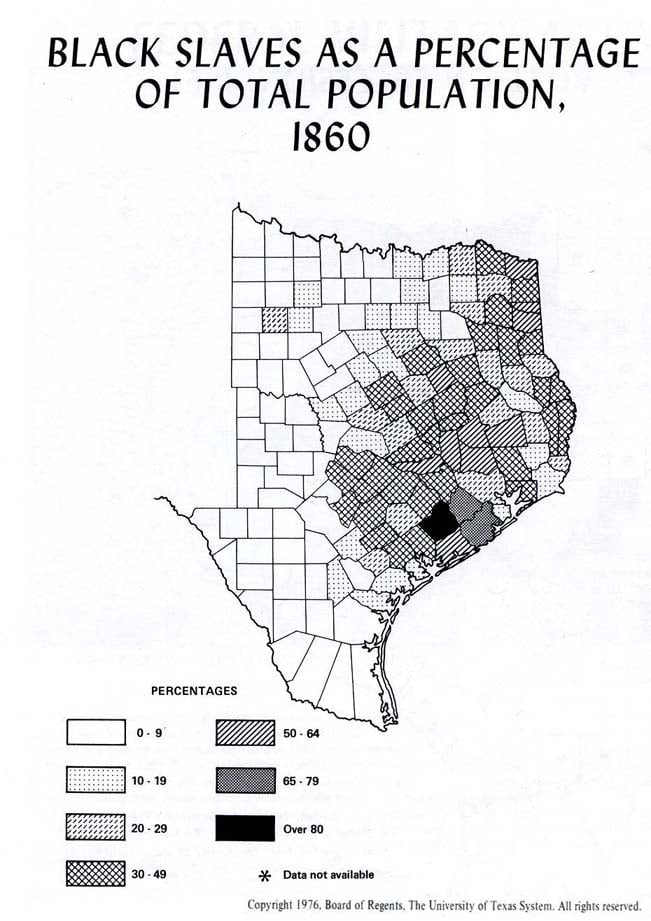
Among the Confederate states, Texas presented a unique challenge. Geographically isolated and largely untouched by major Civil War battles, it became a refuge for slaveholders from other states who fled with their enslaved people, seeking to escape the advancing Union Army. This migration led to an increase in the enslaved population in Texas during the latter stages of the war, making it an even greater bastion of forced labor.
The state’s remote location meant that news traveled slowly, and without a significant Union Army presence, the Emancipation Proclamation remained largely unenforced. Many enslavers actively suppressed information about the end of the war and the freedom granted by the proclamation, continuing to exploit their labor force for months after the Confederacy’s collapse. This deliberate concealment prolonged the agony for hundreds of thousands of individuals, highlighting the profound power dynamics at play.
The delay in Texas serves as a stark reminder that freedom was not simply granted but had to be physically enforced. For travelers today, understanding this particular context enriches any visit to Texas, encouraging reflection on the diverse paths to liberty and the enduring legacy of systemic injustice. Exploring the historical markers and museums in cities like Houston and Dallas can offer deeper insights into this complex period.
Juneteenth: Freedom’s Day Arrives in Galveston
The moment of truth for enslaved people in Texas arrived on June 19, 1865, a date now celebrated as Juneteenth across the United States. This day marked the tangible arrival of freedom, brought by the bayonets of the Union Army to Galveston Island.
General Gordon Granger’s Arrival and General Order No. 3
On June 19, 1865, Union Major General Gordon Granger arrived in Galveston, Texas, with approximately 2,000 federal troops. Their mission was clear: occupy Texas and ensure the enforcement of federal laws, including the emancipation of enslaved people. Upon his arrival, Granger issued General Order No. 3, famously declaring:
“The people of Texas are informed that, in accordance with a proclamation from the Executive of the United States, all slaves are free. This involves an absolute equality of personal rights and rights of property between former masters and slaves, and the connection heretofore existing between them becomes that between employer and hired labor.”
This declaration, read aloud in various locations throughout Galveston (including potentially the historic Ashton Villa and certainly at sites like the Negro Church, which would later become Reedy Chapel AME Church), was the first official word of freedom for many in Texas. The impact was immediate and overwhelming. For hundreds of thousands of enslaved African Americans, this moment transformed their lives, shattering the chains of bondage and opening the door to an uncertain, yet free, future.
Visiting Galveston today allows travelers to walk in the footsteps of history. The city offers several landmarks and historical markers commemorating Juneteenth, providing a tangible connection to this watershed event. Tourists can explore the historic district, imagining the scene as General Granger’s troops marched in and the news spread. Accommodation options in Galveston range from charming historic hotels to beachfront resorts, perfect for those combining historical exploration with a relaxing coastal getaway.
The Immediate Aftermath and Challenges for Freedmen
The joy of freedom on Juneteenth was immense, but it was quickly tempered by the harsh realities of a post-slavery world. Newly freed people, or “freedmen,” faced monumental challenges. They had no land, no possessions, little education, and often no family due to generations of forced separation. The promise of “forty acres and a mule” was largely unfulfilled, and many found themselves in precarious situations.

Many former enslavers, resistant to the new order, attempted to retain control over their former laborers through intimidation, violence, and exploitative contracts. The transition from chattel slavery to a system of free labor was anything but smooth. The Reconstruction Era (1865-1877) that followed was a period of both hope and profound disappointment for African Americans, as efforts to integrate them into society as equal citizens were met with fierce resistance, leading to the rise of Jim Crow laws and systemic racial discrimination that would persist for another century.
Despite these immense obstacles, freedmen in Texas immediately began the work of building their lives and communities. They sought lost family members, established schools, built churches (like Reedy Chapel AME Church, which became central to early Juneteenth celebrations), and created their own social and political organizations. This period of resilience and self-determination is a crucial part of the Juneteenth story and a testament to the enduring human spirit. Visitors interested in this aspect of history can seek out local museums and cultural centers, such as the African American Museum, Dallas, or the George Washington Carver Museum, Cultural and Genealogy Center in Austin, to gain a deeper understanding of this challenging yet formative era.
From Local Observance to National Holiday: The Evolution of Juneteenth
The journey of Juneteenth from a local Texas observance to a federal holiday reflects a broader national reckoning with history and the ongoing pursuit of civil rights and equality. It’s a testament to community efforts and the power of remembering.
Early Celebrations and Community Resilience
The first Juneteenth celebrations began in Texas in 1866, just one year after General Granger’s order. These early gatherings were often community-led affairs, featuring food, music, parades, and educational readings of General Order No. 3. Freedmen, often traveling great distances, gathered to share stories, strategize for the future, and commemorate their hard-won freedom. The color red became symbolic, representing the bloodshed and sacrifice of enslaved people. Red drinks, like hibiscus tea and red cream soda, and red velvet cake became staples of the celebration, alongside barbecued meats—a tradition rooted in affordability and communal cooking.
Over the decades, as African Americans migrated from Texas to other states, they carried the tradition of Juneteenth with them, spreading its observance across the United States. While the Civil Rights Movement of the mid-20th century brought increased attention to racial injustice, Juneteenth experienced periods of decline, sometimes overshadowed by other movements or diminished by economic hardship. However, community leaders and activists consistently worked to keep the spirit alive, recognizing its importance as a symbol of perseverance and a reminder of the continuing struggle for true equality.
These celebrations, particularly in places like Houston and Dallas, are vibrant examples of local culture, offering unique experiences for travelers. They provide a window into the traditions, cuisine, and communal spirit that have sustained African American communities for generations.
Juneteenth Today: A Tapestry of Celebration and Reflection
In recent decades, there has been a significant resurgence of interest in Juneteenth, culminating in its recognition as a federal holiday. This renewed prominence reflects a growing national desire to acknowledge and understand the full scope of American history. Activists like Opal Lee, a 94-year-old Texas woman who walked thousands of miles to advocate for federal recognition, played a crucial role in raising awareness.
On June 17, 2021, President Joe Biden signed the Juneteenth National Holiday Act into law, making Juneteenth the eleventh federal holiday. This historic act ensures that June 19 is now officially recognized nationwide as a day of remembrance, celebration, and education.
Today, Juneteenth is celebrated with a diverse array of events across the United States. From solemn reflections and educational forums to joyful parades, concerts, and family reunions, the holiday serves as a powerful reminder of the enduring fight for civil rights and the resilience of the human spirit. It is a day to celebrate African American freedom and achievement, while also acknowledging the long journey towards racial justice that continues. For travelers interested in immersive cultural experiences, attending a Juneteenth celebration offers an unparalleled opportunity to engage with local communities and understand a vital part of the nation’s heritage. These events often feature local food vendors, artisans, and performers, showcasing the vibrant artistic and culinary traditions that have flourished.
Experiencing Juneteenth and Texas’s Rich History Through Travel
For those passionate about travel that combines leisure with profound historical and cultural learning, Texas offers an exceptional itinerary focused on Juneteenth and the broader narrative of African American history. This approach to tourism goes beyond mere sightseeing, delving into the heart of a transformative period that shaped the nation.
Historical Landmarks and Museums to Visit
A journey through Texas to explore the legacy of Juneteenth should begin in Galveston.
- Galveston Island: The epicenter of Juneteenth, visitors can explore the historic downtown, imagining the arrival of Union troops. Key sites include Ashton Villa, believed by some to be where General Granger read General Order No. 3 (though others suggest more public spaces), and Reedy Chapel AME Church, one of the oldest African American churches in Texas and a central location for early Juneteenth celebrations. The city also hosts an annual Juneteenth parade and various educational events that immerse visitors in the celebration.
- Houston: As one of the largest cities in Texas, Houston hosts extensive Juneteenth festivities, including parades, concerts, and educational workshops. The Emancipation Park, founded in 1872 by four formerly enslaved people, is a significant landmark and a focal point for the city’s celebrations.
- Dallas: Home to the African American Museum, Dallas, this institution offers a comprehensive collection of African American art, history, and culture, with specific exhibits dedicated to Juneteenth and the experience of formerly enslaved people in Texas.
- Austin: The state capital provides additional opportunities for historical exploration. The George Washington Carver Museum, Cultural and Genealogy Center in Austin is another vital resource for understanding African American heritage and the impact of slavery and emancipation in Texas.
These landmarks offer more than just historical facts; they provide spaces for reflection, learning, and cultural appreciation. Visiting them during the Juneteenth holiday period (mid-June) allows travelers to experience the vibrant atmosphere of contemporary celebrations alongside a deep dive into the past.

Planning Your Juneteenth Journey: Accommodation and Local Culture
For travelers, planning a trip around Juneteenth requires thoughtful consideration, blending the historical significance with practical travel logistics.
- Accommodation: When exploring Texas’s rich history, comfortable and well-located accommodation is key. In Galveston, options range from historic boutique hotels that echo the city’s past to modern beachfront resorts. In larger cities like Houston, Dallas, and Austin, a wide array of hotels, suites, and apartments caters to every budget and preference, from luxury stays to family-friendly resorts. Booking in advance is highly recommended, especially if traveling around June 19, as popular events and destinations can fill up quickly. Many hotels offer unique amenities and experiences, some even providing historical tours or cultural packages that enhance the Juneteenth experience.
- Local Culture and Cuisine: Beyond the historical sites, immerse yourself in the local culture. Juneteenth celebrations are renowned for their food: think barbecues, red velvet cake, and refreshing red drinks like Big Red soda or hibiscus tea. Engaging with local communities at festivals and parades provides an authentic experience of Texan hospitality and the joyous spirit of freedom. Seek out local restaurants offering traditional Southern and African American cuisine for a truly flavorful journey. Lifestyle travel around Juneteenth is about connecting with the heart of a community, understanding its struggles, and celebrating its triumphs. It’s an opportunity for responsible tourism, supporting local businesses and directly engaging with the narratives that shaped a significant portion of American identity.
In conclusion, the question “When did slavery end in Texas?” opens a window into a complex and profound chapter of American history. It leads to the story of Juneteenth, a day of delayed freedom that has blossomed into a national holiday. For travelers, exploring this history in Texas offers an invaluable opportunity for education, cultural immersion, and personal reflection, transforming a historical inquiry into an unforgettable journey.
LifeOutOfTheBox is a participant in the Amazon Services LLC Associates Program, an affiliate advertising program designed to provide a means for sites to earn advertising fees by advertising and linking to Amazon.com. Amazon, the Amazon logo, AmazonSupply, and the AmazonSupply logo are trademarks of Amazon.com, Inc. or its affiliates. As an Amazon Associate we earn affiliate commissions from qualifying purchases.