
The question “When did Texas join the Union?” opens a fascinating chapter in American history, deeply intertwined with themes of independence, expansion, and identity. For travelers and history enthusiasts alike, understanding Texas’s journey from an independent republic to the 28th state offers a profound appreciation for its unique culture, diverse landscapes, and iconic landmarks. This pivotal moment, December 29, 1845, reshaped the map of North America and set the stage for future conflicts and growth, defining much of what makes the Lone Star State a compelling destination today.
From the bustling streets of Houston and Dallas to the historic charm of San Antonio and the vibrant capital city of Austin, Texas proudly wears its history. Its statehood wasn’t merely a political formality; it was the culmination of years of struggle, diplomacy, and the relentless drive of pioneers and settlers. This rich heritage is palpable in every corner of the state, inviting visitors to explore battlefields, grand capitol buildings, and museums that narrate a saga of transformation.
For those planning a trip to Texas, delving into its statehood story offers a unique lens through which to experience its local culture, food, and attractions. Whether you’re seeking luxury travel experiences in a historic resort or a budget travel adventure through scenic byways, the echoes of 1845 resonate, providing a deeper context to every journey within this expansive and proud state.
The Lone Star Republic’s Journey to Statehood
The story of Texas’s annexation into the United States is not a simple tale of a territory joining a nation. It’s a complex narrative that begins with its struggle for independence from Mexico and culminates in a contentious political debate that threatened to divide the United States itself. To truly grasp the significance of December 29, 1845, we must first understand the tumultuous path that led Texas to that moment.
From Mexican Territory to Independent Nation
Before it became part of the Union, Texas was a province of Mexico. American settlers, lured by generous land grants, began migrating to the region in the early 19th century, led by figures like Stephen F. Austin. Cultural and political differences, coupled with Mexico’s changing governmental policies, quickly led to friction. The breaking point arrived in the mid-1830s when tensions escalated into armed conflict.
The Texas Revolution of 1835-1836 saw Texan forces clash with Mexican troops. Iconic battles, most notably the Siege of the Alamo in San Antonio and the decisive victory at the Battle of San Jacinto, sealed Texas’s fate as an independent nation. On March 2, 1836, delegates meeting at Washington-on-the-Brazos State Historic Site declared the creation of the Republic of Texas. Sam Houston became its first president, and for nearly a decade, Texas existed as a sovereign nation, albeit one often struggling with economic stability and ongoing threats from Mexico.
Travelers today can visit San Antonio to experience the Alamo, a site of immense bravery and sacrifice, or journey to La Porte, near Houston, to explore the San Jacinto Battleground State Historic Site, where Texas won its independence. These landmarks are crucial to understanding the genesis of the Lone Star State.
The Lure of Annexation and Manifest Destiny
From its very inception, the Republic of Texas harbored aspirations of joining the United States. Many of its citizens were American emigrants who saw their destiny intertwined with that of their former homeland. However, the path to annexation was fraught with challenges, primarily due to the contentious issue of slavery. Texas was a slaveholding territory, and its admission as a slave state threatened to upset the delicate balance of power between free and slave states in the U.S. Congress.
Despite the internal political divisions within the United States, the idea of incorporating Texas gained momentum, fueled by the burgeoning concept of Manifest Destiny – the belief that the United States was divinely ordained to expand westward across the North American continent. President John Tyler was a strong proponent of annexation, seeing it as an opportunity to secure valuable land and further American influence. His efforts laid much of the groundwork, but it was his successor, President James K. Polk, who ultimately finalized the deal.
The allure of Texas for the United States was multifaceted: strategic location, vast agricultural lands, and the fulfillment of a nationalistic vision. For Texas, annexation offered stability, economic growth, and protection from ongoing Mexican incursions. It was a mutually beneficial arrangement, despite the deep-seated controversies it stirred.
December 29, 1845: Texas Becomes the 28th State
The journey from independent republic to U.S. state was long and arduous, marked by diplomatic maneuvers and intense political debate. The final act that brought Texas into the Union was a landmark event that forever altered the course of both Texan and American history.
The Annexation Resolution and Its Terms
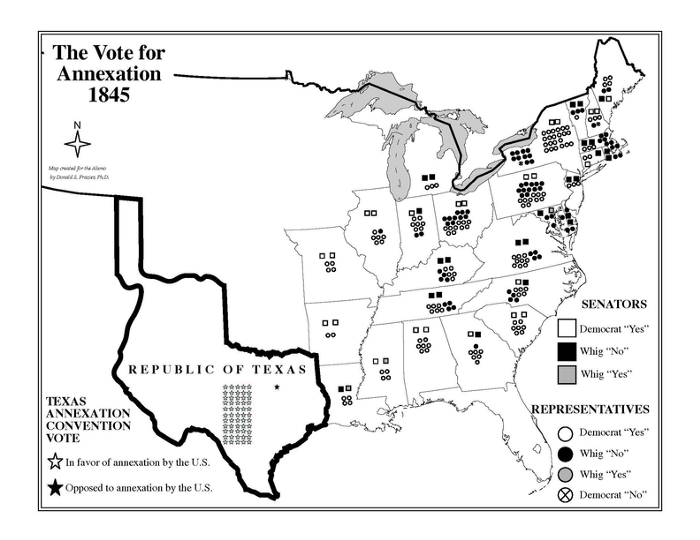
On February 28, 1845, the U.S. Congress passed a joint resolution proposing the annexation of Texas. This resolution, which required only a simple majority vote in both the U.S. House of Representatives and the U.S. Senate rather than a two-thirds treaty vote, was seen as a way to circumvent anti-slavery opposition. Key provisions of the resolution included allowing Texas to retain its public lands – a unique concession among states entering the Union – and the ability to divide itself into as many as four additional states in the future, with slave status decided by the Missouri Compromise line.
The Republic of Texas quickly accepted these terms, and on December 29, 1845, President James K. Polk signed the act officially admitting Texas as the 28th state of the United States. This date is etched into history as the day the Lone Star officially joined the American constellation. The transfer of power occurred on February 19, 1846, when the last president of the Republic of Texas, Anson Jones, formally turned over authority to the new state government.
For visitors, the Texas State Capitol in Austin stands as a magnificent testament to this moment. Its architecture, history, and role in governing the state since its inception offer a tangible connection to the events of 1845. Guided tours provide insights into the legislative processes that shaped Texas and its continued evolution.
Immediate Aftermath and the Mexican-American War
The annexation of Texas was not met with universal approval, particularly by Mexico. Mexico had never formally recognized Texas’s independence and viewed its annexation by the United States as an act of war. A dispute over the southern boundary of Texas – the United States claimed the Rio Grande river, while Mexico insisted on the Nueces River – quickly escalated.
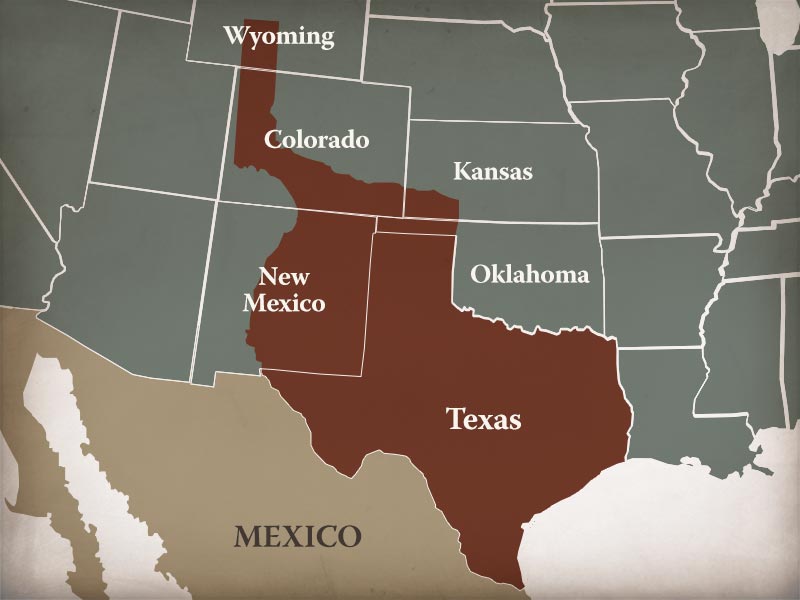
This border dispute, coupled with broader American expansionist ambitions, led directly to the Mexican-American War (1846-1848). The war was a decisive victory for the United States, culminating in the Treaty of Guadalupe Hidalgo. Under this treaty, Mexico ceded vast territories, including present-day California, Nevada, Utah, Arizona, and parts of New Mexico, Colorado, and Wyoming, to the United States for $15 million. The Rio Grande was officially recognized as the southern boundary of Texas.
The Mexican-American War profoundly impacted the territorial expanse of the United States, establishing much of its modern southwestern border. The war’s legacy, including its contributions to the ongoing debate over slavery, further illustrates the far-reaching consequences of Texas’s entry into the Union.
Exploring Texas’s Rich History Through Travel and Tourism
For the modern traveler, Texas’s vibrant past is not confined to history books; it’s a living, breathing part of the state’s appeal. From its Spanish Colonial missions to its battlefields and grand governmental buildings, Texas offers an abundance of attractions and experiences that connect visitors directly to the events surrounding its statehood.
Iconic Landmarks Echoing Statehood
No historical tour of Texas would be complete without visiting its most iconic landmarks.
- The Alamo, San Antonio: This enduring symbol of Texan bravery is a must-see. While the battle predates annexation, it’s foundational to the independent spirit that fueled the desire for statehood. Explore the mission grounds, reflect on the sacrifices made, and immerse yourself in the legendary history of Davy Crockett and Jim Bowie.
- San Jacinto Battleground State Historic Site, La Porte: Located just outside Houston, this site marks the decisive victory that secured Texas’s independence. Climb the San Jacinto Monument, taller than the Washington Monument, for panoramic views and visit the museum to understand the battle’s strategic importance.
- Washington-on-the-Brazos State Historic Site: Known as the “Birthplace of Texas,” this site is where the Declaration of Independence for Texas was signed. Experience living history demonstrations and explore replicas of the buildings where momentous decisions were made.
- Texas State Capitol, Austin: This architectural marvel is not just a governmental building; it’s a testament to Texas’s enduring statehood. Take a free tour to admire its stunning architecture, learn about its legislative process, and feel the weight of nearly two centuries of history.
These sites offer tangible connections to the events of the mid-19th century, making history come alive for travelers of all ages.
Historic Cities and Cultural Immersion
Beyond specific landmarks, several Texan cities offer immersive historical experiences:
- San Antonio: With its UNESCO World Heritage missions, including the Alamo and the famous Riverwalk, San Antonio is a melting pot of Tejano culture and colonial history. Explore the historic districts, enjoy delicious Tex-Mex food, and learn about the city’s role in both Mexican and American history.
- Austin: As the state capital, Austin blends its governmental importance with a vibrant live music scene and outdoor activities. Visit the Bullock Texas State History Museum for comprehensive exhibits on Texas’s past, from prehistoric times to modern-day achievements.
- Galveston: This historic island city, with its Victorian architecture and beautiful beaches, was a crucial port during the Republic and early statehood periods. Explore Moody Gardens, the Strand Historic District, and learn about its pivotal role in Texas’s economic development.
These cities provide a backdrop for experiencing Texas’s local culture, which is deeply rooted in its frontier past and multicultural heritage.
Modern Texas: A Blend of History and Contemporary Lifestyle
While steeped in history, Texas is also a hub of modern innovation and diverse lifestyles. Travelers can seamlessly integrate historical exploration with contemporary experiences. For example, after visiting the Alamo, one might indulge in the vibrant culinary scene of San Antonio’s Pearl District. Following a tour of the Texas State Capitol, Austin’s famous South Congress Avenue offers eclectic shops and live music.
Houston provides a contrast of historical sites like the San Jacinto Battleground with futuristic Space Center Houston and world-class museums in its Museum District, such as the Museum of Fine Arts, Houston. In Dallas, the Sixth Floor Museum at Dealey Plaza offers a profound reflection on a more recent, but equally impactful, moment in American history, while the Dallas Arts District showcases contemporary cultural vibrancy. Fort Worth retains its “Cowtown” charm in the Stockyards National Historic District while also boasting the impressive Kimbell Art Museum.
Exploring the Texas Hill Country offers a different kind of immersion, with its picturesque vineyards, charming small towns like Gruene (home to Gruene Hall, Texas’s oldest dance hall), and opportunities for outdoor activities along the Colorado River. Even the rugged beauty of Big Bend National Park and Guadalupe Mountains National Park offers a connection to the vast untamed lands that once drew settlers and shaped the state’s character.
Planning Your Historic Texas Adventure
A trip to Texas is an opportunity to connect with a powerful narrative of independence and growth. Whether you’re a seasoned history buff or simply seeking a unique vacation, the state offers diverse options for accommodation and unforgettable culinary journeys.
Accommodation Choices for Every Traveler
From luxurious hotels to charming historic inns and family-friendly resorts, Texas caters to all preferences and budgets.
- Luxury & Boutique Hotels: In San Antonio, consider the elegant Hotel Emma at the Pearl, or in Austin, the historic Driskill or the modern Four Seasons Hotel Austin. Houston offers the sophisticated Houstonian Hotel, Club & Spa, while Dallas boasts options like the Omni Dallas Hotel. Many provide amenities such as fine dining, spas, and prime locations for exploring.
- Family-Friendly Resorts: For family trips, destinations like The Woodlands Resort near Houston or waterfront resorts on South Padre Island offer extensive activities and comfortable suites.
- Historic Hotels: Many cities feature hotels with their own rich history, offering a unique blend of comfort and character. The Menger Hotel in San Antonio, for instance, has been hosting guests since 1859.
- Modern Stays: For those on a business stay or seeking contemporary comfort, major chains like the JW Marriott Austin, Marriott Marquis Houston, or Hyatt Regency Dallas offer state-of-the-art amenities and convenient access to city centers.
Consider using online booking platforms to find the best deals, compare reviews, and discover hidden gems for your Texas adventure.

Culinary Journeys and Local Experiences
Texas’s food scene is as diverse as its history, offering a crucial component of local culture for any tourism experience.
- Tex-Mex: A fusion of Mexican and American flavors, Tex-Mex is ubiquitous and a delicious staple. From breakfast tacos in Austin to sizzling fajitas in San Antonio, it’s an essential taste of Texas.
- Barbecue: No visit to Texas is complete without indulging in its legendary barbecue. Head to the “Barbecue Capital of Texas” in Lockhart, or visit renowned spots like Franklin BBQ in Austin or Smitty’s Market in Luling. This slow-smoked tradition reflects the state’s ranching history and love for hearty food.
- Southern Comfort Food: Explore classic Southern dishes, from chicken-fried steak to pecan pie, found in diners and upscale restaurants across the state.
- Live Music and Festivals: Austin is the “Live Music Capital of the World,” offering countless venues for various genres. Throughout the year, Texas hosts numerous festivals celebrating everything from chili cook-offs to rodeos, providing vibrant insights into local life.
By combining historical exploration with modern comforts and unique local experiences, a trip to Texas offers a truly unforgettable journey into the heart of American history and culture. Understanding “When did Texas join the Union?” is not just about a date; it’s about unlocking the soul of a state that continues to inspire and captivate.
LifeOutOfTheBox is a participant in the Amazon Services LLC Associates Program, an affiliate advertising program designed to provide a means for sites to earn advertising fees by advertising and linking to Amazon.com. Amazon, the Amazon logo, AmazonSupply, and the AmazonSupply logo are trademarks of Amazon.com, Inc. or its affiliates. As an Amazon Associate we earn affiliate commissions from qualifying purchases.