
For many outdoor enthusiasts and culinary adventurers, the arrival of dove season in Texas marks a cherished annual tradition. More than just a hunt, it’s an opportunity to experience the vast, diverse landscapes of the Lone Star State, from its sprawling prairies to its picturesque Hill Country, and to immerse oneself in a unique blend of sport, nature, and vibrant local culture. As a premier destination for travel, tourism, and unforgettable experiences, Texas offers a robust framework for visitors seeking everything from luxury retreats to budget-friendly family excursions, all centered around the thrilling pursuit of doves. Understanding when dove season starts is the first step in planning an epic Texas adventure that seamlessly blends the thrill of the hunt with the comforts of top-tier accommodation and the allure of iconic landmarks.
The allure of dove hunting in Texas is multifaceted. It’s a rite of passage for many, a chance to connect with nature, and a unique way to explore the state’s lesser-known corners. But it’s also a significant driver for local tourism, drawing visitors who seek not only the sport itself but also the authentic Texan hospitality, the delectable regional cuisine, and the myriad attractions that dot the landscape. Whether you’re a seasoned hunter planning your next outing or a curious traveler looking to experience a distinctive aspect of Texan lifestyle, knowing the season dates is paramount. This guide will navigate the intricacies of the Texas dove season, help you plan your travel and accommodation, and discover the wealth of experiences that await beyond the fields.
Understanding Texas Dove Season Regulations
Planning a successful dove hunt in Texas begins with a thorough understanding of the regulations set forth by the Texas Parks and Wildlife Department (TPWD). These regulations are designed to ensure sustainable hunting practices while providing ample opportunity for hunters across the state’s varied ecological zones. The start dates, bag limits, and specific species allowed can differ significantly depending on where you plan to hunt, making detailed research an essential first step.
Key Dates and Zones: Navigating the Texas Dove Map
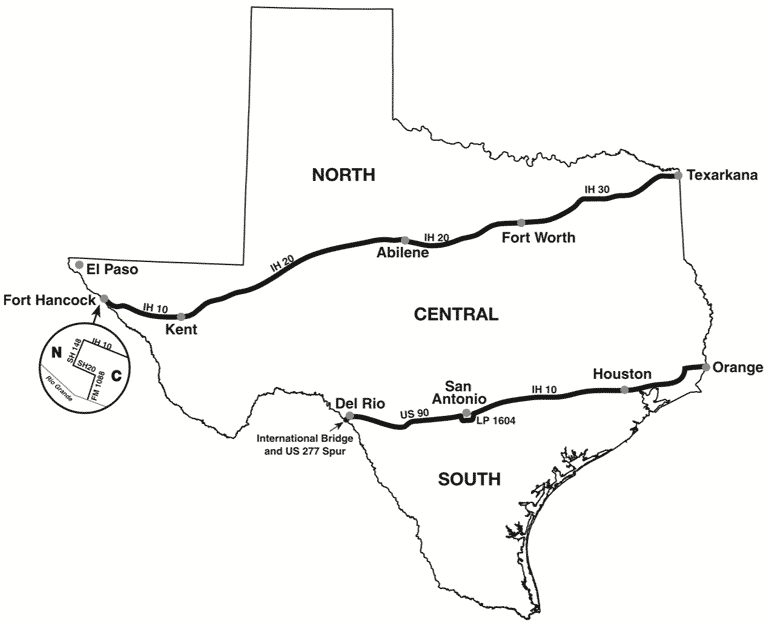
Texas is divided into several distinct dove hunting zones, each with its own season dates to account for migratory patterns and local dove populations. These zones are crucial for hunters to understand, as hunting outside of the designated season for a specific zone can lead to penalties. The primary zones are:
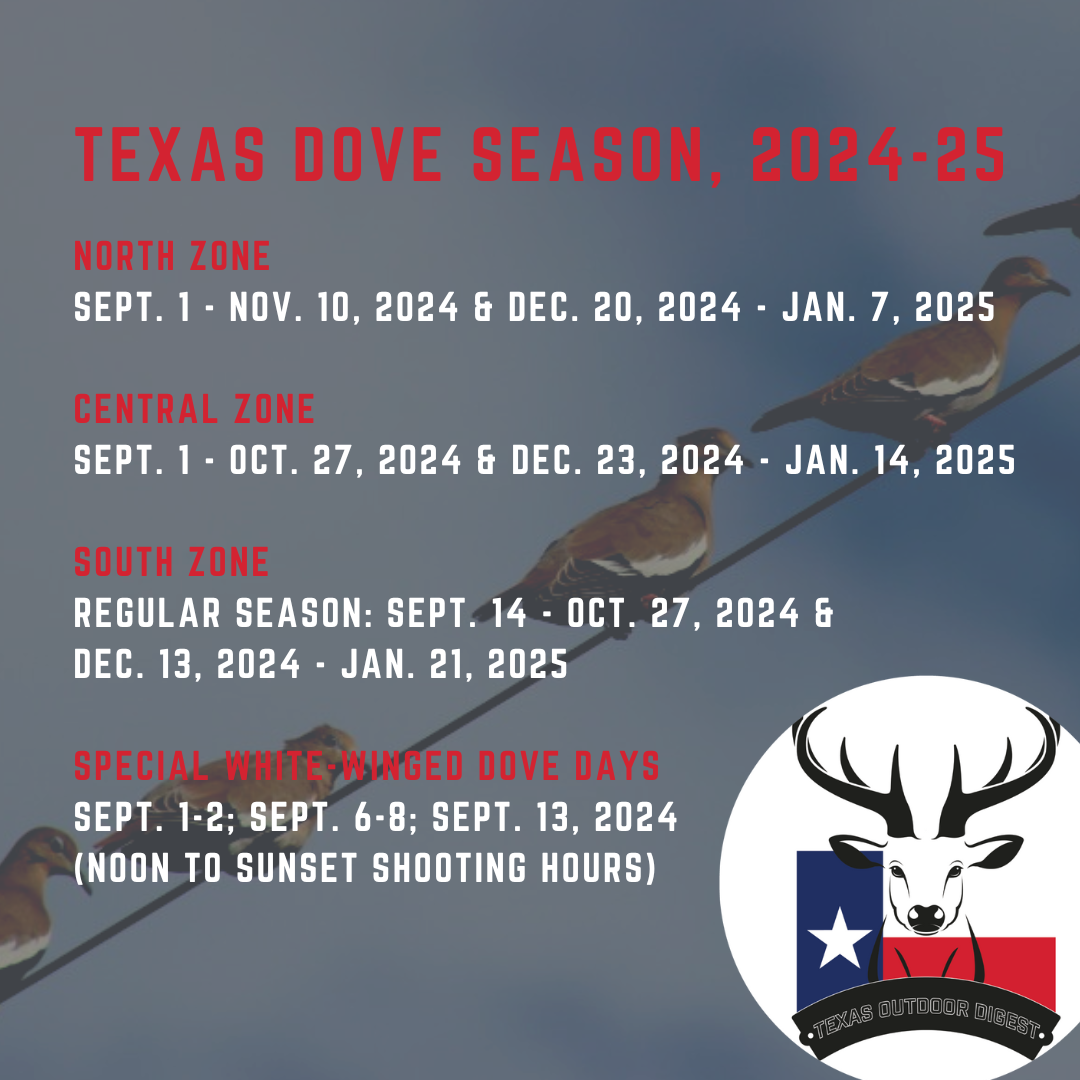
- North Zone: Typically, the earliest to open, often kicking off the season in early September. This zone covers a vast area of northern Texas, stretching from the panhandle down to areas near Dallas and Fort Worth. The opening weekend here is usually a highly anticipated event, drawing hunters from across the state and beyond.
- Central Zone: This zone usually opens shortly after the North Zone, also in early September. It encompasses the heart of Texas, including major metropolitan areas like Austin and San Antonio, and extends through much of the Hill Country. Its central location makes it a popular choice for many hunters due to ease of access and diverse landscapes.
- South Zone: Often the last zone to open, typically in mid-September. The South Zone covers the southern reaches of Texas, including the lower Rio Grande Valley and coastal regions near Corpus Christi. This zone is particularly famous for its incredible white-winged dove populations, offering a unique hunting experience.
- Special White-winged Dove Season: Unique to the South Zone, this special season typically runs for a few weekends in early September, preceding the general South Zone opener. It’s designed to capitalize on the abundance of white-winged doves in this region, offering an exciting, high-volume hunting experience. Hunters must be aware of specific shooting hours and bag limits during this special period.
It’s imperative to consult the current year’s Texas Parks and Wildlife Department Outdoor Annual for the precise dates, as they can shift slightly from year to year. This annual publication is the definitive source for all hunting regulations and licensing information.
Licensing and Bag Limits: What You Need to Know
Before heading into the field, every hunter must possess the appropriate licenses and endorsements. For dove hunting in Texas, this typically includes:
- A Texas Hunting License: Required for all hunters, resident or non-resident, unless exempt (e.g., youths under 17 hunting with a licensed adult).
- Migratory Game Bird Endorsement: An additional stamp required for hunting migratory birds, which includes doves.
- Federal Duck Stamp: While not required for doves, it’s good practice to be aware if you plan to hunt other migratory birds.
Bag limits and possession limits are strictly enforced. For mourning and white-winged doves, the daily bag limit is typically 15, in the aggregate, with no more than two white-tipped doves. The possession limit, which applies to birds kept in storage or transported, is usually twice the daily bag limit. These limits are in place to manage dove populations and ensure equitable hunting opportunities for everyone. Hunters must also be aware of legal shooting hours, which typically run from one-half hour before sunrise to sunset, though the Special White-winged Dove Season may have different afternoon-only hours. Ethical hunting practices, such as proper bird identification and respecting private property boundaries, are also essential components of a responsible hunt.
Planning Your Texas Dove Hunting Trip
Beyond the regulations, a successful dove hunting trip to Texas requires thoughtful planning, especially when integrating travel, accommodation, and leisure activities. The state’s vastness means that choosing the right destination is key, as is finding suitable lodging that caters to your specific needs, whether you’re traveling solo, with a hunting buddy, or bringing the whole family.
Choosing Your Destination: Top Texas Hunting Hotspots
Texas boasts numerous regions renowned for their dove hunting. When selecting your destination, consider not only the quality of hunting but also the accessibility, available amenities, and nearby attractions that might appeal to non-hunting companions or for post-hunt exploration.
- Uvalde and Hondo Areas: Located in the Central Zone, these towns are often hailed as the “Dove Capital of Texas.” The region is famous for massive sunflower and grain fields that attract incredible numbers of mourning doves. Hunting here is often a social affair, with many outfitters providing guided hunts and landowners offering access to prime fields. The nearby towns offer a taste of authentic Texas hospitality and charming local eateries.
- Eagle Pass and the Rio Grande Plains: Situated in the South Zone, this area is a mecca for white-winged dove enthusiasts, particularly during the special early season. The landscape along the Rio Grande offers a unique backdrop, and the cultural richness of the border region adds another layer to the experience.
- Fredericksburg and the Texas Hill Country: While perhaps more famous for its wineries and scenic beauty, the Texas Hill Country also offers excellent dove hunting opportunities, particularly for those seeking a more luxurious or family-oriented trip. Towns like Fredericksburg, Bandera, and Kerrville combine good hunting access with upscale accommodation, gourmet dining, and a plethora of non-hunting activities like exploring vineyards, hiking, or visiting historic sites.
- Coastal Bend (Corpus Christi, Port Aransas): For those who enjoy a coastal vibe, the areas around Corpus Christi offer dove hunting alongside opportunities for saltwater fishing, beach relaxation, and birdwatching along the migratory flyways. Mustang Island State Park and Padre Island National Seashore are nearby natural landmarks providing additional exploration.
Accommodation Options for Hunters and Families

Finding the right place to stay is crucial for any trip, and a hunting excursion is no exception. Texas offers a diverse range of accommodation options, catering to every budget and lifestyle, from rustic ranch stays to luxurious resorts.
- Hotels and Resorts: For those who prefer comfort and amenities, many cities and towns near prime hunting areas offer a wide selection of hotels. In larger hubs like San Antonio or Austin, you’ll find everything from budget-friendly motels to high-end resorts. Consider options like the Hyatt Regency Hill Country Resort and Spa near San Antonio or the JW Marriott San Antonio Hill Country Resort & Spa, which offer luxurious stays, golf courses, spas, and family-friendly water parks – perfect for entertaining non-hunting family members. For a boutique experience, Hotel Emma in San Antonio or The Driskill Hotel in Austin provide unique, historic charm.
- Ranch Stays and Lodges: Many private ranches and hunting lodges offer all-inclusive packages that combine accommodation, meals, guided hunts, and even processing services. These often provide an authentic Texan experience, with comfortable cabins or lodge rooms, communal dining, and breathtaking natural surroundings. This option is ideal for those seeking a full-service hunting adventure without the hassle of organizing every detail.
- Vacation Rentals (Airbnb, VRBO): For groups or families desiring more space and privacy, vacation rentals can be an excellent choice. You can find homes, cabins, or even entire ranch houses with multiple bedrooms, full kitchens, and private outdoor areas, offering a home-away-from-home feel. This is particularly beneficial for preparing your own meals or enjoying a relaxed evening after a day in the field.
- Budget-Friendly Options: For the budget-conscious traveler, campgrounds in state parks (e.g., Dinosaur Valley State Park or parks near Marble Falls) or simpler motels offer affordable alternatives, allowing you to allocate more of your budget to the hunting experience itself.
When booking accommodation, always inquire about specific amenities for hunters, such as game cleaning stations, freezer space, or secure storage for firearms.
Beyond the Hunt: Exploring Texas Tourism and Lifestyle
A dove hunting trip to Texas doesn’t have to be solely about the pursuit of birds. The state is a treasure trove of cultural experiences, historical landmarks, and natural beauty, offering an abundance of activities for every lifestyle and interest. Integrating tourism into your hunting trip transforms it from a simple outing into a comprehensive Texan adventure.
Local Culture and Attractions: A Taste of the Lone Star State
Texas offers a vibrant tapestry of attractions, reflecting its rich history, diverse geography, and unique blend of Southern, Western, and Mexican influences.
- History and Heritage: Dive into history at iconic sites like The Alamo in San Antonio, a symbol of Texan independence, or stroll along the picturesque San Antonio River Walk, bustling with shops, restaurants, and historical missions. In Dallas, the Sixth Floor Museum at Dealey Plaza offers a poignant look at President Kennedy’s assassination. For a taste of the Old West, visit the Fort Worth Stockyards National Historic District, where you can witness a cattle drive, explore rodeos, and enjoy live music.
- Natural Wonders: Texas boasts an incredible array of natural landscapes. Big Bend National Park in West Texas offers stunning desert and mountain scenery for hiking and stargazing. The Texas Hill Country is dotted with spring-fed rivers, charming small towns, and picturesque vineyards. Along the coast, Padre Island National Seashore and South Padre Island provide opportunities for beach relaxation, fishing, and birdwatching.
- Food and Drink: No trip to Texas is complete without indulging in its legendary culinary scene. From world-famous Texas BBQ and authentic Tex-Mex cuisine to innovative farm-to-table restaurants, there’s something to satisfy every palate. The Texas Hill Country is also a rapidly growing wine region, offering numerous vineyards for tours and tastings.
- Unique Experiences: Visit Space Center Houston to explore the wonders of space exploration, or catch a live music show in Austin, the “Live Music Capital of the World.” Depending on the time of year, you might also stumble upon a local festival, rodeo, or art fair, offering a glimpse into the vibrant community spirit of Texas.
Lifestyle Considerations: Tailoring Your Trip
Whether you’re a luxury traveler, a budget explorer, or planning a family vacation, Texas has options to suit your lifestyle.
- Luxury Travel: Combine your dove hunt with stays at five-star resorts, gourmet dining experiences, private guided tours, and even bespoke ranch experiences that cater to every whim. Consider flying into a major city like Houston or Dallas and enjoying high-end shopping and cultural events before heading to a luxurious hunting lodge. The Four Seasons Hotel Austin or The Post Oak Hotel at Uptown Houston offer unparalleled comfort.
- Budget Travel: Enjoy the thrill of the hunt without breaking the bank. Opt for state park campgrounds, roadside motels, or shared vacation rentals. Pack your own meals, explore free attractions like hiking trails or local parks, and focus on the core hunting experience. Many smaller towns offer charming, affordable accommodations and local eateries.
- Family Trips: Dove hunting can be a fantastic family activity, especially if you have older children interested in the outdoors. Choose destinations with family-friendly resorts (like those mentioned in San Antonio) or vacation rentals that offer plenty of space and amenities for everyone. Balance hunting days with visits to zoos, museums, water parks, or scenic natural areas like the Texas Hill Country or Padre Island National Seashore.
- Business Stays (Bleisure): For those on a business trip to a major Texas city, extending your stay for a quick dove hunt can be a refreshing “bleisure” opportunity. Many prime hunting areas are within a reasonable drive of Dallas, Houston, or San Antonio, allowing for a seamless transition from the boardroom to the field.
Essential Tips for a Successful Texas Dove Hunt
To maximize your enjoyment and ensure a safe, ethical hunt, a few practical tips can make all the difference.
Gear and Preparation
- Firearm and Ammunition: A 12 or 20-gauge shotgun is standard for dove hunting. Bring plenty of light loads (e.g., 7.5 or 8 shot) as doves are small and fast-flying.
- Camouflage and Cover: While full camo isn’t strictly necessary, earthy tones or camo patterns that blend with the local vegetation (like sunflowers or brush) will help. A good hunting vest with shell loops and a game pouch is invaluable.
- Comfort and Safety: Texas weather can be unpredictable. Dress in layers, wear sturdy boots, and bring a hat and sunglasses. Crucially, bring plenty of water to stay hydrated, especially during the early season’s heat. Insect repellent is also highly recommended. A cooler with ice is essential for keeping harvested doves fresh.
- Hunting Decoys: Dove decoys, especially spinning-wing varieties, can be very effective in attracting birds to your shooting area.
- Dog Power: If you have a well-trained retriever, bring them along! A good bird dog can significantly improve your recovery rate and enhance the overall experience.
Respecting Local Etiquette and Conservation
- Landowner Relations: If hunting on private land, always secure permission beforehand and be respectful of the property. Leave gates as you found them, avoid littering, and minimize disturbance to crops or livestock.
- Safety First: Always follow proper firearm safety rules. Be aware of your surroundings, know your shooting lanes, and never shoot towards roads, buildings, or other hunters.
- Conservation: Practice ethical hunting. Only shoot at birds you can identify, retrieve all downed birds, and adhere strictly to bag limits. Your actions contribute to the sustainable management of dove populations for future generations.
Conclusion
The start of dove season in Texas is more than just a date on the calendar; it’s an invitation to embark on an unforgettable journey. From the thrill of the early September opener in the North and Central Zones to the abundant white-winged action in the South Zone, Texas offers an unparalleled dove hunting experience.
However, the true richness of a Texas dove trip extends far beyond the field. It’s about planning the perfect travel itinerary, choosing from a diverse array of accommodation options – be it a luxury resort like the Omni Barton Creek Resort & Spa in Austin or a charming ranch stay – that complements your lifestyle. It’s about embracing the vibrant tourism opportunities, exploring historic landmarks like The Alamo, savoring world-class cuisine, and immersing yourself in the unique local culture that defines the Lone Star State. Whether you’re a solo adventurer seeking a challenge, a family creating lasting memories, or a corporate traveler seeking a brief escape, Texas dove season provides the perfect backdrop for a multifaceted experience. So, mark your calendars, secure your licenses, and prepare to discover why Texas truly is a premier destination for dove hunting and so much more. Your next grand adventure awaits!
LifeOutOfTheBox is a participant in the Amazon Services LLC Associates Program, an affiliate advertising program designed to provide a means for sites to earn advertising fees by advertising and linking to Amazon.com. Amazon, the Amazon logo, AmazonSupply, and the AmazonSupply logo are trademarks of Amazon.com, Inc. or its affiliates. As an Amazon Associate we earn affiliate commissions from qualifying purchases.