
Texas, the Lone Star State, is not only a land of vast landscapes, rich history, and vibrant cities, but also a premier destination for hunting enthusiasts, particularly those with a passion for deer. As a vital component of the state’s outdoor tourism and a significant draw for lifestyle travelers, understanding the intricacies of deer hunting season in Texas is essential for planning an unforgettable adventure. Whether you’re a seasoned hunter seeking a trophy buck or a family looking for a unique outdoor experience combined with a relaxing getaway, the timing of your visit is paramount. This comprehensive guide delves into the specifics of deer hunting seasons, regulatory requirements, prime hunting locations, and the diverse accommodation options available, ensuring your Texas hunting trip is meticulously planned and thoroughly enjoyed.

The deer hunting landscape in Texas is incredibly diverse, primarily focusing on two distinct species: the iconic white-tailed deer and the elusive mule deer. Each species has its own set of seasons, regulations, and preferred habitats, necessitating careful planning. Beyond the thrill of the hunt itself, a trip to Texas during deer season offers an immersive travel experience, inviting visitors to explore the state’s natural beauty, engage with local culture, and indulge in its renowned hospitality. From rustic ranch stays to luxurious lodge accommodations, the state caters to every preference, ensuring that your hunting expedition is seamlessly integrated into a broader, enriching Texas experience.
Understanding Texas Deer Hunting Seasons
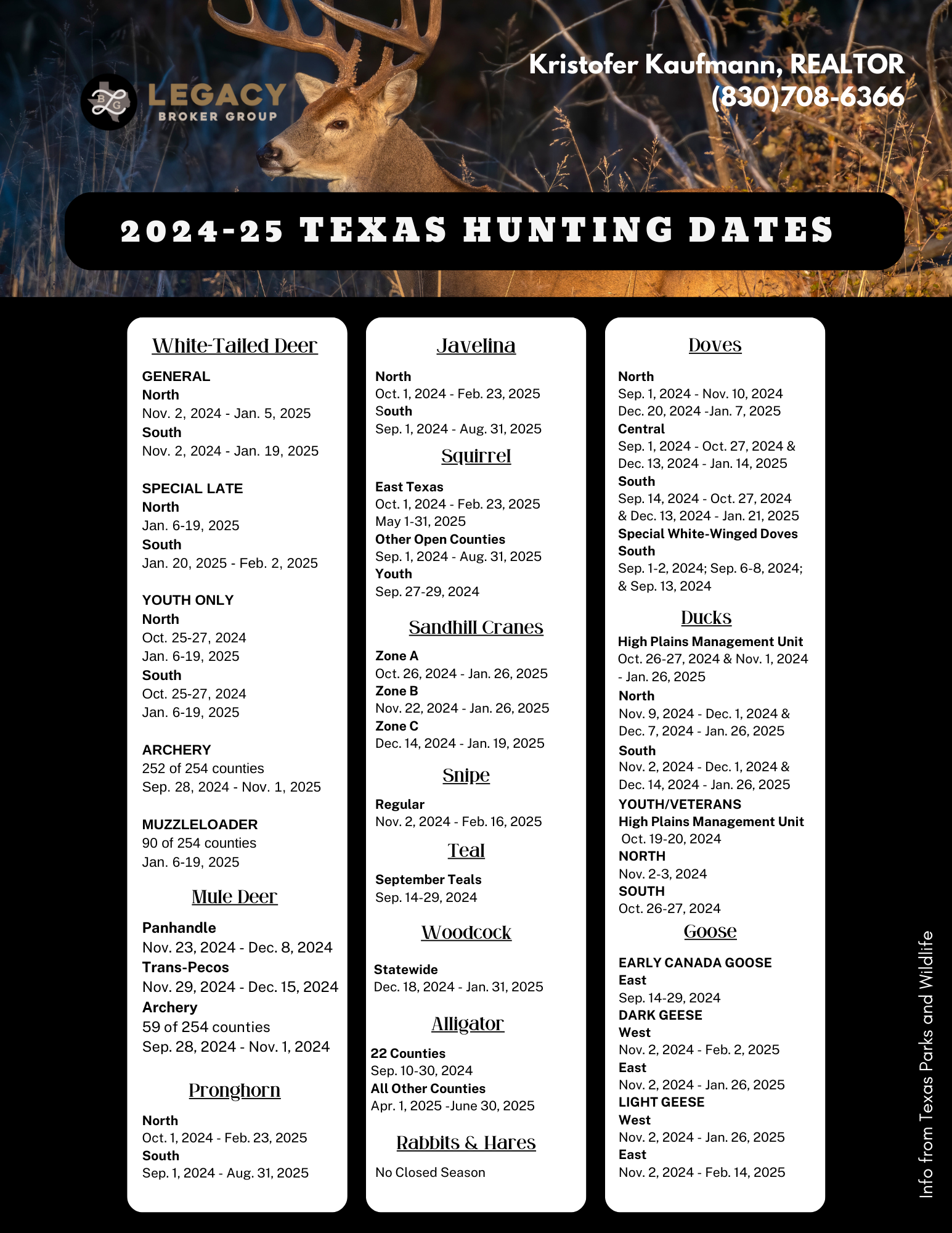
The precise dates for deer hunting seasons in Texas are determined annually by the Texas Parks and Wildlife Department (TPWD), subject to change based on wildlife management objectives and biological data. However, general patterns remain consistent, allowing hunters to plan well in advance. These seasons are carefully structured to promote healthy deer populations, provide ample recreational opportunities, and balance the interests of landowners, hunters, and conservationists. A deep dive into these seasonal variations reveals the best times to pursue white-tailed and mule deer, alongside special opportunities like archery and youth seasons.
White-tailed Deer: The Heart of Texas Hunting
The white-tailed deer is, without a doubt, the most popular game animal in Texas, attracting hundreds of thousands of hunters each year. Its widespread distribution across virtually all regions of the state makes it accessible, while the pursuit of a mature buck provides a challenging and rewarding experience. The seasons for white-tailed deer are typically divided into geographical zones, primarily the North Zone and the South Zone, each with slightly varying dates to account for ecological differences and deer breeding cycles.
The General Season for white-tailed deer is the longest and most popular. For the North Zone, it typically opens in early November and concludes in early January. This period is often considered prime time, coinciding with the rut (breeding season) in many areas, which can make bucks more active and visible. The crisp autumn air and vibrant fall foliage also add to the allure of a hunt during this time, creating picturesque scenes ideal for outdoor photography and memorable experiences. Popular hunting areas in the North Zone include the Post Oak Savannah and the Cross Timbers regions, known for their dense timber and productive farmlands.
In the South Zone, the General Season usually kicks off slightly later, often in early November (sometimes late October) and extends into mid-January. The later opening date in the south is due to a later rutting period, allowing hunters to target bucks during their peak activity. South Texas is renowned globally for its large white-tailed deer, particularly the famous Brush Country known for producing massive antlered bucks. The unique arid landscape and specific vegetation types contribute to the impressive size and antler growth seen in this region. Many hunters travel from across the globe to experience the legendary white-tailed deer hunting that South Texas offers, transforming hunting into a form of adventure tourism.
Mule Deer: A Western Texas Challenge
Mule deer, characterized by their large ears and unique bounding gait, offer a distinctly different hunting experience. These majestic animals primarily inhabit the rugged, arid landscapes of West Texas, particularly the Trans-Pecos and Panhandle regions. Their season is considerably shorter and more restricted than that of white-tailed deer, reflecting their more limited distribution and specific population management needs.
The General Season for mule deer typically runs for a compressed period, often from mid-November through the end of November. This brief window emphasizes the importance of meticulous planning and preparation for those wishing to pursue this species. Hunting mule deer often involves glassing vast open spaces, navigating challenging terrain, and a keen understanding of their movements in areas where cover is sparse. For the adventure traveler, a mule deer hunt in the Trans-Pecos can be an exhilarating journey into some of the most remote and stunning natural environments Texas has to offer, perhaps even combined with visits to nearby natural landmarks like Big Bend National Park. The hunting here is not just about the harvest, but about the profound connection to the rugged Texas wilderness.
Special Seasons and Opportunities
Beyond the general rifle seasons, Texas offers several special hunting opportunities designed to extend the hunting calendar and cater to different hunting styles and demographics. These seasons are crucial for maximizing your chances or tailoring your trip to a specific interest.
The Archery Season is a highly anticipated period that typically precedes the General Season, often starting in late September or early October and running until the General Season opening. This early season provides bowhunters with an exclusive opportunity to pursue deer before the rifle season begins, often in warmer weather. It’s a true test of skill, patience, and woodsmanship, drawing a dedicated community of archers who appreciate the close-quarters challenge. Many archery enthusiasts plan extended stays, combining their hunt with local tourism, exploring towns like Fredericksburg or Kerrville in the Hill Country after a morning in the stand.
Muzzleloader Season is another special offering, often following the General Season in certain counties. This season caters to hunters who enjoy the historical aspect and unique challenge of hunting with traditional black powder firearms. It provides an additional opportunity to be in the field and is particularly popular in areas where deer populations are robust.
Youth-Only Seasons are a wonderful initiative by the TPWD, designed to introduce young hunters (typically under 17) to the sport in a controlled and educational environment. These seasons often occur over specific weekends both before and after the General Season, allowing youth to hunt under supervision without the pressure of a crowded hunting landscape. For families planning a multi-generational outdoor adventure, a youth hunt can be a deeply rewarding experience, fostering a love for nature and wildlife conservation. Many hunting ranches and lodges specifically cater to families during these periods, offering tailored packages and amenities.
Planning Your Texas Hunting Adventure
Embarking on a deer hunting trip in Texas requires more than just knowing the season dates; it involves understanding the regulatory framework, identifying suitable hunting grounds, and considering the broader travel and accommodation logistics. This holistic approach ensures a safe, legal, and enjoyable experience for all participants.
Licenses, Permits, and Regulations
Before even packing your bags, securing the necessary licenses and understanding the current regulations is paramount. All hunters in Texas must possess a valid hunting license, which can be purchased online through the TPWD website or at various retailers across the state, including sporting goods stores and many grocery stores. Additionally, specific tags are required for deer, which are typically included with the license package.
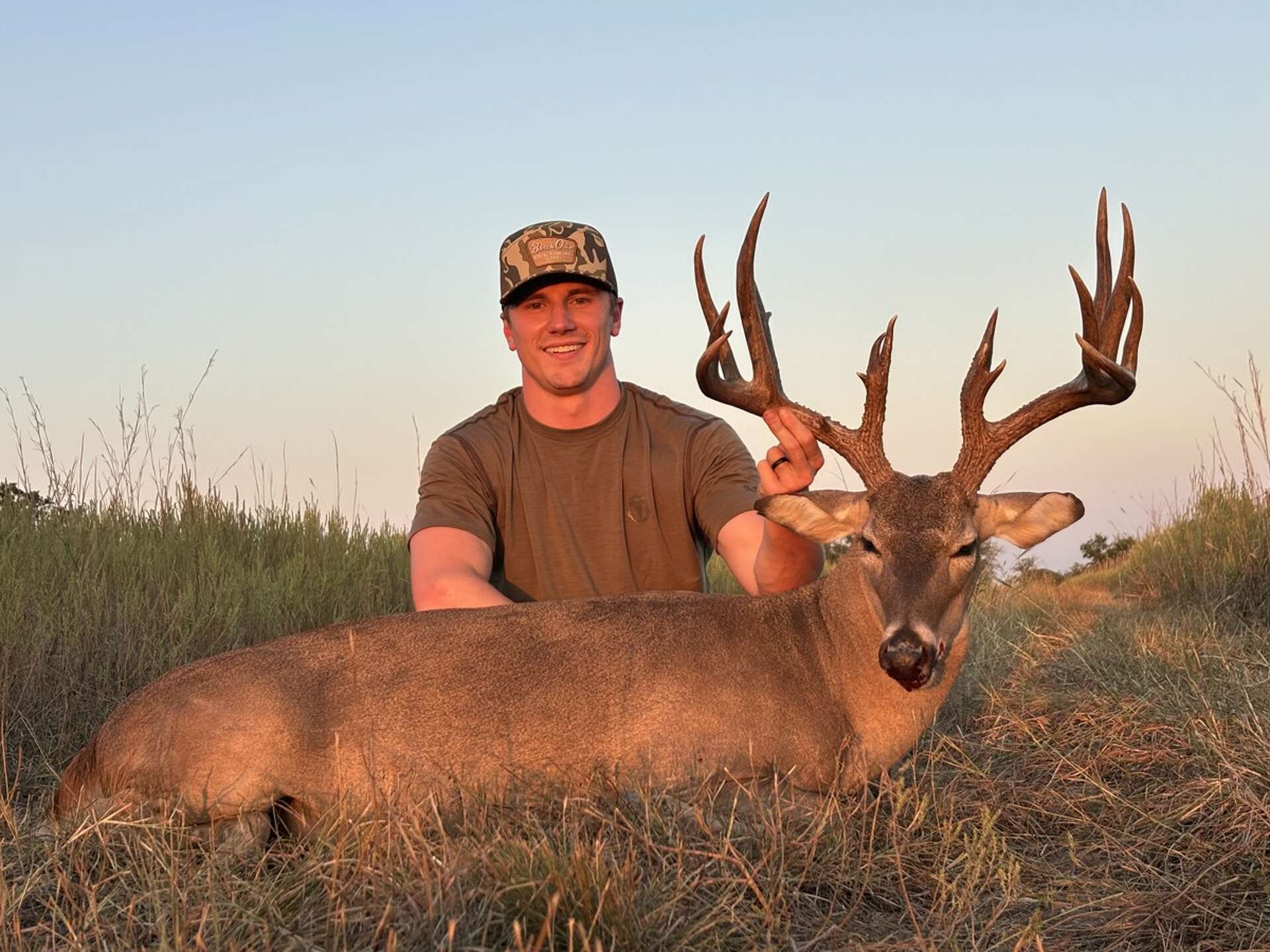
Beyond the general license, hunters must be aware of:
- Bag Limits: The number of deer an individual hunter can harvest in a season. These vary by county and deer species (e.g., generally 5 deer total for white-tailed, with specific antler restrictions).
- Antler Restrictions: Many counties have antler restrictions for white-tailed deer bucks, designed to improve the age structure and quality of the herd. Hunters must carefully identify whether a buck meets these criteria before harvesting.
- Proof of Hunter Education: Most hunters born on or after September 2, 1971, must complete a certified hunter education course. This is a crucial safety and ethical component of hunting.
- Landowner Permission: Hunting on private land, which constitutes the vast majority of hunting opportunities in Texas, absolutely requires permission from the landowner. This is often obtained through leases, day hunts, or guided trips with outfitters.
- Public Land Opportunities: While less extensive than private land, Texas does offer some public hunting opportunities through the Public Hunting Program, often requiring an Annual Public Hunting (APH) Permit. These areas, including State Parks and Wildlife Management Areas, are highly sought after.
Staying updated on the latest regulations, which are published annually in the Texas Parks and Wildlife Outdoor Annual, is critical. Travelers from outside Texas should pay particular attention to non-resident license requirements and any specific import/export regulations for harvested game.
Top Deer Hunting Regions in Texas
Texas is a vast state, and its diverse ecoregions each offer unique hunting experiences. Choosing the right region can significantly impact the type of hunt, the scenery, and the overall travel experience.
-
The Hill Country: Located in Central Texas, the Hill Country is arguably the most popular deer hunting destination. Known for its rolling hills, live oak mottes, and limestone canyons, it boasts the highest deer density in the state. While bucks here may not typically reach the massive size of those in South Texas, the abundance of deer and beautiful landscape make it a favorite. Cities like Kerrville, Fredericksburg, and Bandera offer charming downtowns, wineries, and culinary experiences, perfect for non-hunting companions or post-hunt relaxation. The region is ideal for family trips, blending outdoor activity with cultural exploration.
-
South Texas (The Brush Country): This region is synonymous with trophy white-tailed deer hunting. The dense, thorny brush provides excellent cover and nutrient-rich forage, contributing to the development of exceptionally large-bodied and big-antlered bucks. Hunting here is often more challenging due to the thick vegetation, frequently involving blinds and feeders. Destinations like Cotulla and Carrizo Springs are gateways to world-class private ranches. A hunting trip to South Texas is often seen as a luxury travel experience, with many high-end lodges offering all-inclusive packages.
-
The Trans-Pecos: For mule deer, the rugged mountains and high desert plains of the Trans-Pecos are the primary draw. This region offers a truly wild and remote hunting experience, with stunning vistas and unique flora and fauna. Cities like Fort Davis and Alpine serve as bases for explorations into this majestic landscape. The hunting here is physically demanding but incredibly rewarding, appealing to those who seek an authentic wilderness adventure.
-
The Pineywoods: Located in East Texas, this region is characterized by its dense forests of pines and hardwoods, providing excellent cover for white-tailed deer. While not typically known for the colossal bucks of South Texas, the Pineywoods offers a classic forest hunting experience, often close to major metropolitan areas like Houston and Dallas, making it convenient for weekend trips.
Accommodations and Experiences for the Hunter and Family
A successful deer hunting trip to Texas isn’t just about the hunt itself; it’s also about the overall experience, including where you stay and what you do when not in the field. The state offers a wide array of accommodation options and supplementary activities, catering to various lifestyles and budgets, ensuring everyone in your party enjoys their Texas getaway.
From Rustic Ranches to Luxury Lodges
Accommodation choices for hunters in Texas are as diverse as its landscapes:
-
Hunting Ranches and Outfitters: Many private ranches across Texas offer guided hunting packages that include lodging. These can range from comfortable, rustic cabins with shared facilities to opulent, all-inclusive luxury lodges. A typical package often includes meals, guides, game processing, and comfortable sleeping arrangements. For those seeking a hassle-free, immersive hunting experience, booking with a reputable outfitter is an excellent choice. Some ranches, like those in South Texas, are specifically designed for the discerning traveler, offering gourmet dining, spa services, and executive suites, blending the thrill of the hunt with the comforts of a five-star resort.
-
Hotels and Motels: For hunters who prefer to arrange their own hunt on leased land or public access areas, staying in nearby towns offers a range of traditional hotels and motels. Cities like Uvalde, Junction, Brady, or Ozona in key hunting regions provide convenient bases. These options cater to budget travelers and those who appreciate the flexibility of exploring local dining and attractions independently. Look for hotels that are hunter-friendly, perhaps offering early breakfast options or freezer space for game.
-
Vacation Rentals (Cabins, Houses, Villas): Websites like Airbnb or VRBO list numerous cabins, farmhouses, and even entire ranches available for rent, particularly in popular tourist areas like the Hill Country. These are ideal for families or groups of hunters seeking privacy, self-catering facilities, and a home-away-from-home feel. Imagine returning to a cozy cabin with a fireplace after a day in the field, perfect for sharing stories and relaxing.
-
Camping and RV Parks: For the most budget-conscious or rugged adventurers, state parks and private RV parks in or near hunting zones offer camping and RV hookups. This option allows for maximum immersion in nature and is a favorite for those who embrace a self-sufficient outdoor lifestyle.
Beyond the Hunt: Exploring Texas
A deer hunting trip can easily be transformed into a broader Texas vacation. The state’s diverse attractions mean there’s always something for everyone, making it an excellent destination for family trips or those who want to combine outdoor pursuits with cultural and recreational activities.
-
Local Culture and Cuisine: Many hunting regions are dotted with charming small towns offering unique local culture. In the Hill Country, explore the German heritage in Fredericksburg with its wineries and peaches, or enjoy live music in Luckenbach. South Texas offers authentic Tex-Mex cuisine and a glimpse into ranching traditions. Don’t miss out on trying genuine Texas BBQ wherever you go!
-
Nature and Landmarks: Texas is home to numerous state parks and natural areas. After a morning hunt, consider visiting a nearby park for hiking, birdwatching, or photography. In the Trans-Pecos, the iconic Big Bend National Park and Big Bend Ranch State Park offer unparalleled scenic beauty. The Guadalupe Mountains National Park is another stunning landmark in West Texas.
-
City Escapes: If you’re hunting within a few hours’ drive of major cities, consider extending your trip to experience Texas’s urban highlights. San Antonio offers the Alamo and the River Walk. Austin is the “Live Music Capital of the World.” Dallas and Fort Worth provide a blend of modern sophistication and Western heritage, with world-class museums, shopping, and dining. Even Houston, a hub for space exploration and diverse cuisine, is accessible from certain hunting areas.
In conclusion, planning a deer hunting trip to Texas is an exciting endeavor that promises not only thrilling outdoor adventure but also a rich travel experience. By understanding the seasonal nuances for white-tailed and mule deer, adhering to regulations, selecting the right region, and considering the myriad of accommodation and tourism options, hunters and their companions can craft a truly memorable Texas getaway. Whether you’re drawn by the legendary bucks of South Texas, the abundant deer of the Hill Country, or the rugged beauty of the Trans-Pecos, Texas offers a hunting and travel experience unlike any other. Pack your gear, plan your stay, and prepare to discover why the Lone Star State is a top choice for outdoor enthusiasts worldwide.
LifeOutOfTheBox is a participant in the Amazon Services LLC Associates Program, an affiliate advertising program designed to provide a means for sites to earn advertising fees by advertising and linking to Amazon.com. Amazon, the Amazon logo, AmazonSupply, and the AmazonSupply logo are trademarks of Amazon.com, Inc. or its affiliates. As an Amazon Associate we earn affiliate commissions from qualifying purchases.