
For many, the mention of Texas conjures images of vast landscapes, cowboy culture, and a distinct, unyielding spirit. This essence, deeply ingrained in the fabric of the Lone Star State, finds its most profound expression on a single, significant date: March 2nd. More than just a calendar entry, Texas Independence Day is a vibrant commemoration of the birth of a nation, a testament to the courage of its founders, and a powerful reminder of the values that continue to shape this unique corner of the United States. For travelers and history enthusiasts alike, understanding this pivotal day offers a deeper appreciation for Texas’s rich heritage and provides an unparalleled opportunity to immerse oneself in its historical sites and vibrant modern celebrations. Whether you’re planning a trip to explore iconic landmarks or seeking a unique cultural experience, delving into the story behind Texas Independence Day is an essential part of any Texas adventure.

Unveiling the Spirit of Texas: The Date and Its Deep Roots
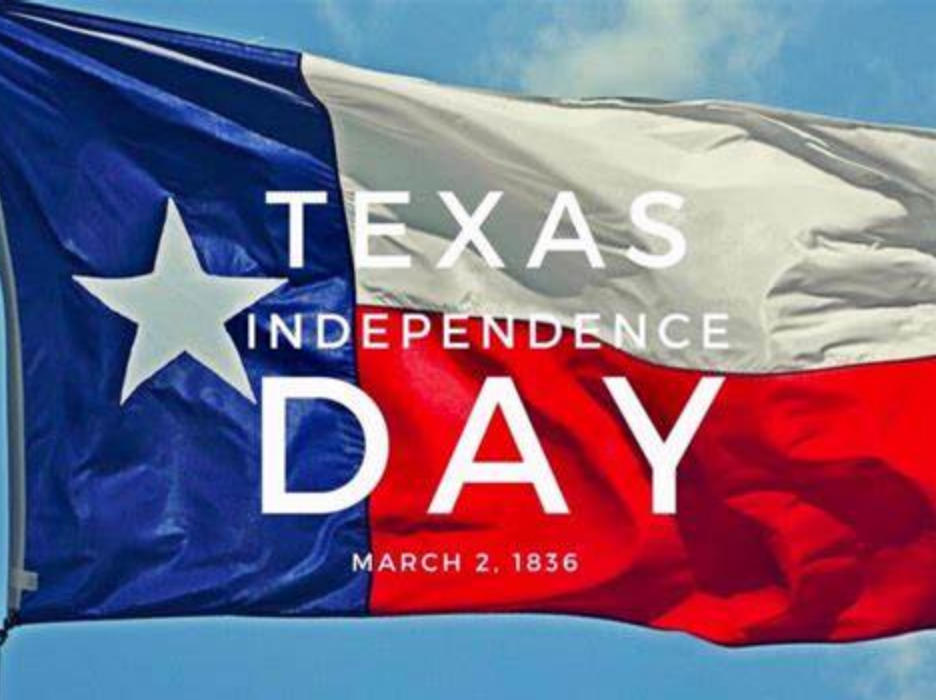
The question “When is Texas Independence Day?” is answered simply with March 2nd. However, the simplicity of the date belies the extraordinary events and profound sacrifices that led to its establishment. This day marks the signing of the Texas Declaration of Independence in 1836, formally declaring Texas’s separation from Mexico and paving the way for the creation of the Republic of Texas. It’s a moment in history that resonates with themes of freedom, self-determination, and the enduring will of a people to forge their own destiny.
March 2nd: A Day Etched in History
The events leading up to March 2nd, 1836, were a crescendo of escalating tensions between the Anglo-American settlers in Texas and the centralist government of Mexico. Disagreements over land policies, political representation, and cultural differences fueled a growing desire for autonomy. By late 1835 and early 1836, open rebellion had erupted, setting the stage for the crucial convention held at Washington-on-the-Brazos.
This makeshift settlement, then a remote and austere location, became the crucible for Texas’s future. Delegates, many of whom were newcomers to the region, gathered under dire circumstances. While the convention deliberated, the battle for the Alamo was raging in San Antonio, a grim reminder of the stakes involved. Despite the immediate threat, the delegates pressed forward, drafting a document that eloquently articulated their grievances and proclaimed their independence. The spirit of revolution, echoing the American colonists’ struggle decades earlier, permeated every line of the declaration. It was a bold and defiant act, signifying a complete break from the past and a commitment to a new future as an independent nation.
The Founding Fathers of the Lone Star State
The creation of the Texas Declaration of Independence was the work of many hands, but several figures stand out as pivotal in shaping the destiny of the Republic of Texas. Understanding their roles offers a richer narrative for any traveler seeking to connect with the state’s origins.
George C. Childress is widely credited as the primary author of the Texas Declaration of Independence. His previous experience in law and his connection to the political atmosphere of Tennessee influenced the document’s structure and powerful rhetoric, drawing heavily from the U.S. Declaration of Independence. His swift and articulate drafting captured the fervor of the moment.
Sam Houston, though not directly involved in drafting the declaration on March 2nd, was a towering figure of the revolution. A former governor of Tennessee and an experienced military leader, he was appointed commander-in-chief of the Texan army during the convention. His leadership in the subsequent Battle of San Jacinto secured the independence declared just weeks earlier. Visitors exploring Texas’s historical sites will repeatedly encounter his legacy, from monuments to museums that detail his incredible journey.
Stephen F. Austin, often revered as the “Father of Texas,” played a more foundational, albeit complex, role. He was the most successful impresario, bringing hundreds of American families to settle in Texas under Mexican rule. While initially advocating for negotiation rather than outright independence, the escalating conflict eventually led him to embrace the revolutionary cause. His early efforts in colonization and diplomacy laid the groundwork for the eventual independent republic.
David G. Burnet was chosen as the ad interim president of the Republic of Texas by the convention on March 17th, 1836. His leadership was crucial during the turbulent months following the declaration, as the nascent republic faced immediate military threats and the monumental task of establishing a functioning government.
These figures, and many others, collectively represent the diverse leadership that shaped the destiny of Texas. Visiting the places where they lived, fought, and made history offers a profound connection to the past.
Echoes of Revolution: Iconic Battles and Historic Sites
The declaration of independence was not the end of the struggle but merely the beginning. The fight for true sovereignty was waged on battlefields across Texas, leaving behind a trail of hallowed ground that today serves as powerful landmarks and destinations for travelers interested in the state’s dramatic birth.
Remembering the Alamo and Goliad
No discussion of Texas Independence Day is complete without acknowledging the profound sacrifice made at the Alamo. This former mission, located in the heart of modern-day San Antonio, became a symbol of unyielding courage in the face of overwhelming odds. From late February to early March 6th, 1836, a small band of Texan defenders, including legendary figures like Davy Crockett, William B. Travis, and James Bowie, held out against thousands of Mexican troops under General Santa Anna. Their last stand, though a military defeat, galvanized the Texan cause and provided a rallying cry: “Remember the Alamo!”
Today, the Alamo is Texas’s most visited historic landmark. Tourists can explore its sacred grounds, witness reenactments, and learn about the individuals who fought there. Located just steps away from San Antonio’s vibrant River Walk, it provides a poignant historical anchor for a city rich in culture and attractions. Accommodation options in San Antonio range from luxurious resorts like the Hotel Emma in the Pearl District to boutique hotels downtown, making it easy to blend historical exploration with contemporary urban experiences.
Another tragic but equally important event was the Goliad Massacre. Following the Battle of Coleto Creek in late March 1836, over 300 Texan prisoners of war, under the command of James Fannin, were executed by order of General Santa Anna. This brutal act, just weeks after the Alamo, further fueled the Texan revolutionaries’ resolve for revenge and independence. The Presidio La Bahía and the Fannin Battleground State Historic Site near Goliad offer somber but essential insights into this dark chapter, emphasizing the cost of liberty.
The Triumph at San Jacinto
The tide of the revolution turned decisively on April 21st, 1836, at the Battle of San Jacinto. Under the brilliant leadership of General Sam Houston, the Texan army, outnumbered but fueled by the cries of “Remember the Alamo!” and “Remember Goliad!”, launched a surprise attack on Santa Anna’s forces. The battle lasted a mere 18 minutes but resulted in a decisive Texan victory, the capture of Santa Anna, and effectively secured Texas’s independence.
Located near present-day Houston, the San Jacinto Monument and Museum of History stands as the world’s tallest masonry column, a magnificent tribute to this pivotal victory. Visitors can take an elevator to the observation deck for panoramic views of the battlefield and the surrounding area, including the Houston Ship Channel. The museum beneath the monument offers extensive exhibits detailing the entire Texas Revolution. Traveling to Houston provides not only access to this landmark but also to world-class attractions like the Space Center Houston, diverse culinary experiences, and luxurious accommodation options, from high-rise suites to sprawling resorts.
The Birthplace of Texas Liberty: Washington-on-the-Brazos
While battles raged, the political cornerstone of Texas’s independence was laid at Washington-on-the-Brazos. Today, the Washington-on-the-Brazos State Historic Site offers an immersive journey back to the pivotal events of March 1836. Here, visitors can explore a replica of Independence Hall, where the Texas Declaration of Independence was signed, and a reconstructed historic town site, giving a vivid sense of the rudimentary conditions under which the delegates worked. The Star of the Republic Museum at the site further enriches the experience, detailing the history of the Republic of Texas. This site is a must-visit for anyone seeking to understand the political genesis of the state and is often a central point for Texas Independence Day celebrations.
Celebrating Texan Pride: Modern Traditions and Travel Experiences
Texas Independence Day isn’t just a day for historical reflection; it’s a vibrant celebration of identity and resilience. Across the state, communities come alive with festivities that blend educational insights with spirited Texan pride, offering unique travel experiences for every type of visitor.
Festivities Across the Lone Star State
From the largest cities to the smallest towns, March 2nd is marked by a distinctive Texan flair. Parades featuring marching bands, historical reenactors in period costumes, and floats adorned with Lone Star motifs are common. Many historical sites, particularly Washington-on-the-Brazos State Historic Site, host elaborate reenactments of the convention and the signing of the declaration, offering an incredibly immersive experience.
Festivals often feature live music, ranging from traditional country and folk to contemporary Texan artists, showcasing the state’s rich musical heritage. Food plays a central role, with ubiquitous Texas BBQ smoked to perfection, alongside delicious Tex-Mex cuisine, chili, and other regional favorites. These culinary delights are an integral part of understanding local culture and the unique blend of influences that make Texas so special.
Major cities like Austin, the state capital, often have public events, concerts, and educational programs. Dallas and Houston also host significant celebrations, often tied to their historical institutions and cultural centers. Even coastal cities like Galveston, with its own rich history connected to the Republic of Texas, partake in the festivities, often with a maritime twist. These celebrations offer an excellent opportunity for families to engage with history in an accessible and entertaining way, making for memorable family trips.
Crafting Your Texas Independence Day Getaway
Planning a trip around Texas Independence Day means immersing yourself not just in history but also in the vibrant tourism offerings of the state.
Accommodation: Texas boasts a vast array of accommodation options to suit every preference and budget. In Austin, you might choose the historic elegance of The Driskill Hotel, a landmark in itself, or a trendy boutique hotel in the vibrant South Congress district. San Antonio offers charming hotels directly on the River Walk or luxurious resorts providing all amenities. For those seeking a longer stay or more space, serviced apartments and villas are available in most major cities. Budget-conscious travelers will find plenty of comfortable and convenient hotels throughout the state. Booking in advance, especially around March 2nd, is highly recommended, as popular destinations fill up quickly.
Tourism and Experiences: Consider booking guided historical tours that focus on the Texas Revolution to gain deeper insights. Many tour operators offer specialized itineraries that cover multiple historical sites like the Alamo, Washington-on-the-Brazos, and San Jacinto. Beyond historical sites, engage with local culture through food tours, art galleries, and live music venues. For outdoor enthusiasts, the state parks and natural areas offer a contrasting experience to the historical journey. This blend of activities caters to different lifestyles, from luxury travel to budget travel, ensuring everyone finds an experience to cherish.
Lifestyle: A Texas Independence Day trip can be tailored to various lifestyles. For history buffs, it’s an unparalleled opportunity for in-depth educational travel. Families will find numerous kid-friendly activities that make history come alive. Couples might enjoy a romantic getaway that combines historical exploration with fine dining and luxurious stays. Even business travelers can extend their trips to partake in the cultural richness and historical significance of this time of year.

Beyond the Celebrations: Exploring Texas Year-Round
While March 2nd provides a special impetus for travel, Texas’s attractions and vibrant culture are available year-round. Extending your stay or planning a return visit allows for exploration of other incredible destinations:
- Big Bend National Park: A remote and stunning wilderness on the border with Mexico, offering breathtaking landscapes and unparalleled stargazing.
- Hill Country: Rolling hills, vineyards, charming small towns like Fredericksburg, and refreshing swimming holes.
- Gulf Coast: Beaches, fishing, and seaside resorts in places like South Padre Island and Corpus Christi.
- Arts and Culture: World-class museums and performing arts venues in Houston, Dallas, and Fort Worth.
Texas Independence Day is more than just a date; it’s an invitation to explore a state forged in the fires of revolution, a land that proudly celebrates its unique journey. By understanding its significance and engaging with its historical sites and modern festivities, travelers can truly grasp the independent spirit that continues to define Texas. Whether you visit for the specific celebrations or incorporate its history into a broader Texas itinerary, the story of March 2nd is an unforgettable chapter in American history, waiting to be discovered.
LifeOutOfTheBox is a participant in the Amazon Services LLC Associates Program, an affiliate advertising program designed to provide a means for sites to earn advertising fees by advertising and linking to Amazon.com. Amazon, the Amazon logo, AmazonSupply, and the AmazonSupply logo are trademarks of Amazon.com, Inc. or its affiliates. As an Amazon Associate we earn affiliate commissions from qualifying purchases.