
Texas, the second-largest state in the U.S., is a land of vast landscapes and diverse climates, offering everything from sun-drenched beaches to rugged mountain terrains and bustling metropolitan areas. For travelers planning a visit, understanding the state’s distinct weather patterns is crucial to ensuring a comfortable and enjoyable experience. One of the most significant weather phenomena to impact Texas is the arrival of cold fronts. These weather shifts can dramatically alter temperatures, bring precipitation, and influence travel plans, outdoor activities, and even your choice of accommodation. Whether you’re chasing vibrant fall foliage, seeking a mild winter escape, or planning a spring adventure, knowing when to anticipate a cold front can make all the difference in your Texas journey.
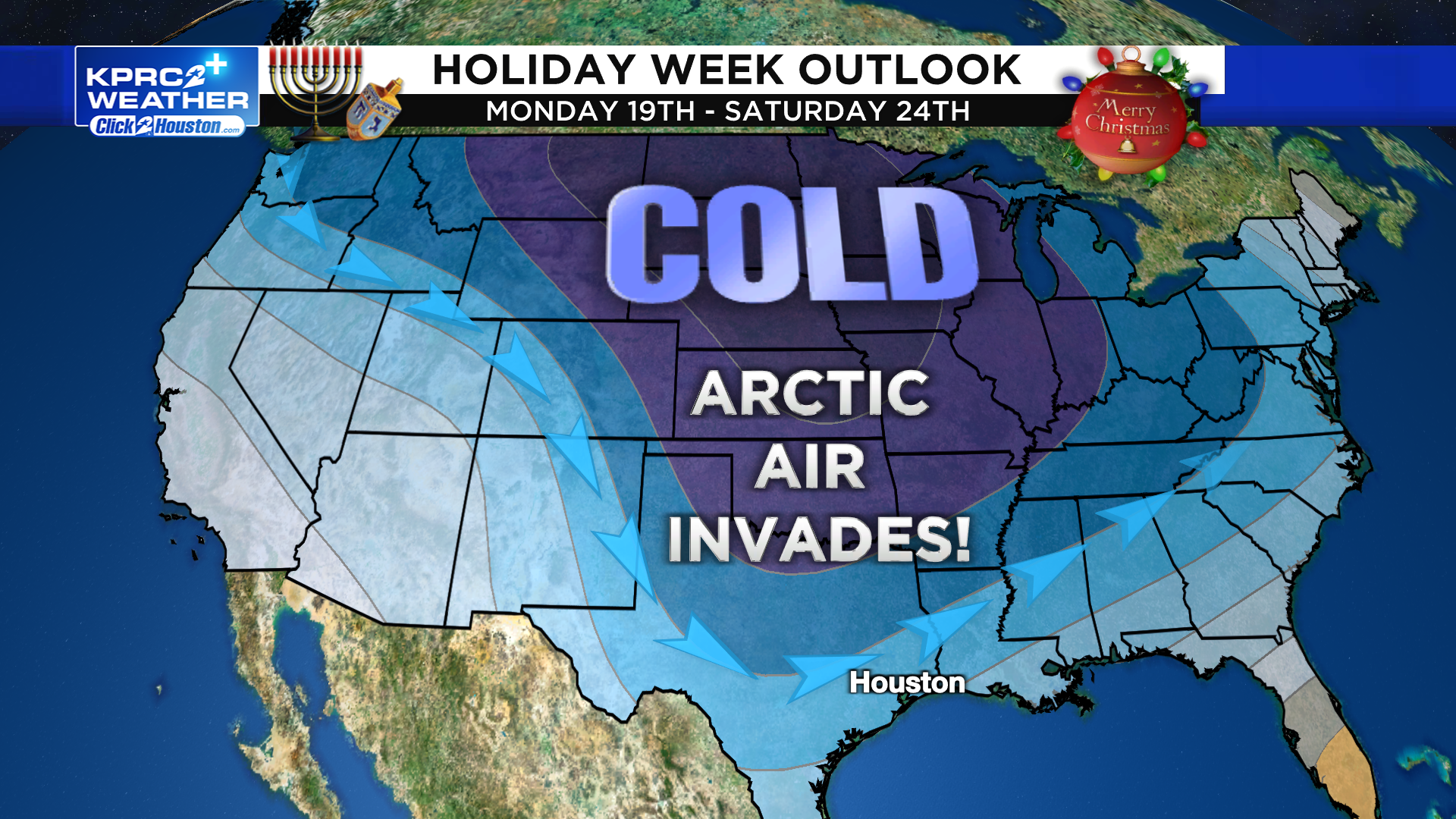
This comprehensive guide delves into the dynamics of Texas cold fronts, offering insights into their timing, regional impacts, and how best to prepare for them. From packing essentials to choosing the right activities and accommodation, we’ll help you navigate the state’s seasonal shifts like a seasoned local.
Decoding Texas Weather: Understanding Cold Fronts and Their Arrival
Texas weather is famous for its unpredictability, often swinging from warm and sunny to chilly and breezy within a matter of hours. This dramatic change is most often triggered by the passage of a cold front. Understanding what these fronts are and when they typically arrive is your first step towards a well-prepared trip.
The Dynamics of Texas Cold Fronts
A cold front is essentially the leading edge of a cooler mass of air replacing a warmer mass of air. As this denser, colder air pushes into the warmer, lighter air, it forces the warm air to rise. This interaction can lead to a variety of weather phenomena, including:
- Rapid Temperature Drops: This is the most noticeable effect. Temperatures can plummet by 10 to 30 degrees Fahrenheit in a very short period, sometimes within an hour or two.
- Wind Shifts: Winds typically shift from a southerly direction to a northerly or northwesterly direction, often bringing stronger gusts.
- Precipitation: Depending on the moisture content and atmospheric instability, cold fronts can bring rain, thunderstorms, or, in rare instances, sleet or snow, particularly in the northern and western parts of the state during winter.
- Clearer Skies (Post-Front): Once the front passes and the stormy weather subsides, the air mass behind it is typically drier and clearer, leading to crisp, sunny days, albeit significantly cooler ones.
In Texas, cold fronts are often associated with the phrase “blue norther,” referring to the sudden, sharp drop in temperature and clear, blue skies that follow the front’s passage. This phenomenon is a distinctive characteristic of the state’s weather.
Seasonal Timelines: When to Anticipate the Chill
While cold fronts can technically occur at any time of year, their frequency and intensity vary significantly by season. For travelers, knowing these timelines is key to planning.
- Autumn (Late September to November): This is when cold fronts become increasingly common and pronounced. Starting in late September and continuing through October, Texas experiences its first significant cold fronts, signaling the transition from blistering summer heat to milder fall temperatures. These fronts are often welcomed, bringing a much-needed reprieve from the summer sun, making it an ideal time for outdoor activities like hiking in the Texas Hill Country or exploring state parks.
- Winter (December to February): Winter is peak cold front season in Texas. During these months, cold fronts are frequent and can be quite strong, bringing freezing temperatures, especially to North Texas and the Texas Panhandle. While snow and ice are less common in southern and coastal areas, they are not unheard of, particularly during stronger cold air outbreaks. Travelers should be prepared for significant temperature swings, especially if their itinerary spans several days.
- Spring (March to May): Cold fronts continue to affect Texas during the spring, though they gradually become weaker and less frequent as the season progresses. Early spring fronts can still pack a punch, bringing cooler temperatures and often serving as a trigger for severe weather, including thunderstorms and tornadoes, especially in North Texas and Central Texas. By late spring, cold fronts are less impactful, and the state begins its transition back to warmer summer weather.
- Summer (June to Early September): Cold fronts are very rare during the height of summer in Texas. When they do occur, they typically bring only a slight decrease in humidity and temperature, offering minimal relief from the intense summer heat.
Planning Your Texas Adventure: Adapting to Cold Fronts
The anticipation of a cold front doesn’t have to disrupt your travel plans; rather, it allows you to adapt and even enhance your Texas experience. By understanding their potential impact, you can make informed decisions about activities and destinations.
Impact on Travel and Outdoor Activities
Cold fronts can significantly influence various aspects of your trip:
- Driving Conditions: While major highways in Texas are generally well-maintained, strong cold fronts, especially in winter, can bring freezing rain or sleet. This can lead to icy patches on roads and bridges, particularly in North Texas, Central Texas, and the Texas Panhandle. Always check local weather advisories before embarking on long drives, and consider adjusting your schedule if hazardous conditions are predicted.
- Outdoor Attractions and Activities: Many of Texas’s iconic attractions are outdoors.
- Hiking and Nature Exploration: Places like Big Bend National Park, various state parks, and the Texas Hill Country offer breathtaking scenery. While cooler temperatures can be ideal for hiking, strong winds and potential for precipitation from a cold front might necessitate warmer gear or a change in plans.
- Beach Visits: The Gulf Coast cities like Galveston, Corpus Christi, and South Padre Island are popular for their beaches. A cold front will make beach activities less appealing due to strong winds and lower temperatures, but can offer stunning dramatic skies.
- City Tours: Exploring the San Antonio Riverwalk or the historical sites in Austin might require bundling up, and outdoor dining could shift to cozy indoor alternatives.
- Events and Festivals: Texas is known for its vibrant events calendar. While many festivals, especially in fall and spring, are outdoors, organizers are usually prepared for cooler weather. Check event websites for any weather-related updates or changes.
Choosing Your Destination: Regional Considerations
The impact of a cold front can vary significantly depending on which part of Texas you plan to visit.
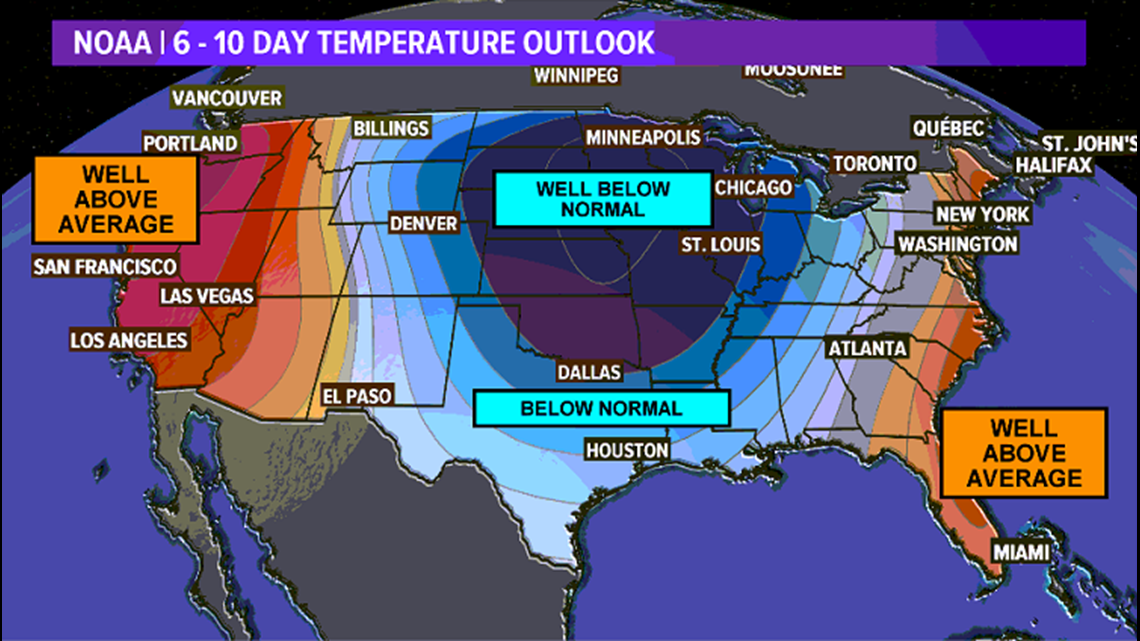
- North Texas (Dallas, Fort Worth): This region, including Dallas and Fort Worth, experiences some of the most dramatic temperature drops. Winter cold fronts can bring freezing temperatures, and occasionally ice or snow, making indoor attractions like the Dallas Arts District or the Fort Worth Stockyards National Historic District’s indoor shows particularly appealing.
- Central Texas (Austin, San Antonio, Waco): Cities like Austin, San Antonio, and Waco also see significant temperature changes. While less prone to severe icing than North Texas, nights can get quite cold. The San Antonio Riverwalk might trade its bustling outdoor patios for charming indoor dining experiences during these times.
- South Texas (Corpus Christi, Rio Grande Valley): Closer to the Gulf Coast and the Mexican border, South Texas experiences milder winters. Cold fronts here typically mean pleasant, cool weather rather than freezing conditions, though strong winds can still be a factor. The Rio Grande Valley is a popular destination for “winter Texans” precisely because of its generally warmer climate.
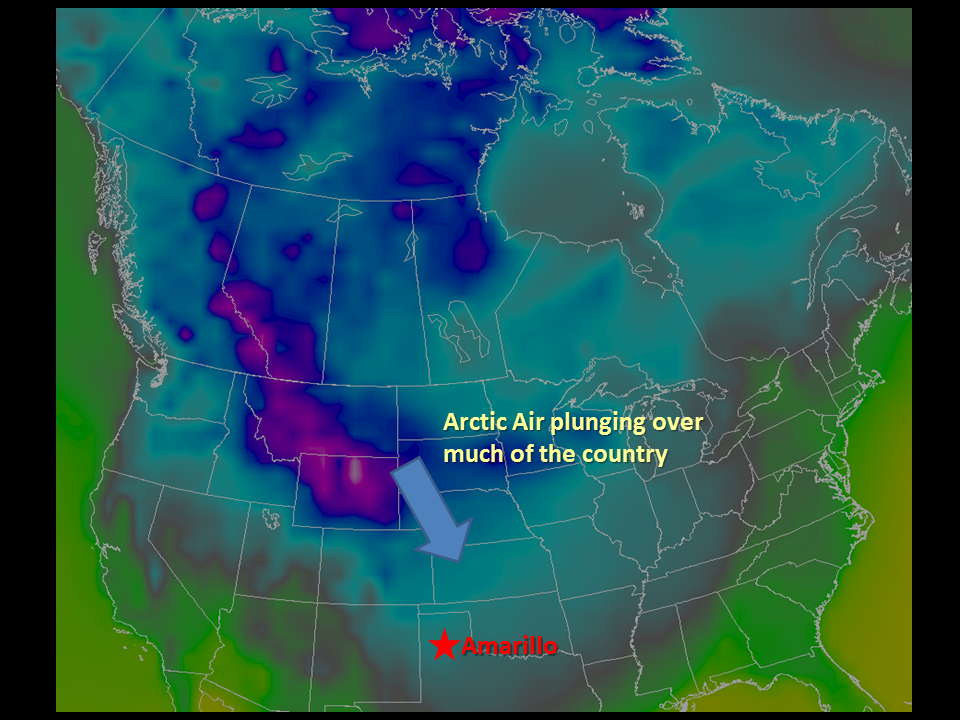
- Texas Panhandle (Amarillo): This high-plains region, including Amarillo, is the most susceptible to extreme cold and winter precipitation. Travelers here must be prepared for harsh winter conditions when cold fronts roll through, including snow and sustained freezing temperatures.
Preparing for a Comfortable Texas Stay
With the knowledge of when and where cold fronts might strike, you can proactively prepare to ensure your trip is not just tolerable, but truly enjoyable. This involves smart packing, strategic accommodation choices, and embracing seasonal activities.
Packing Essentials for Cooler Weather
Layering is paramount when packing for Texas, especially during the cooler months when cold fronts are active. The adage “if you don’t like the weather, wait five minutes” rings true here.
- Base Layers: Moisture-wicking tops and bottoms are excellent for regulating body temperature.
- Mid-Layers: Sweaters, fleece jackets, or insulated vests provide warmth that can be easily added or removed.
- Outerwear: A waterproof and windproof jacket is essential. For winter travel, a heavier, insulated coat might be necessary, particularly for North Texas or the Texas Panhandle.
- Warm Accessories: Don’t forget a hat, gloves, and a scarf, especially if you plan to spend extended time outdoors in windy conditions.
- Comfortable Footwear: Waterproof boots are advisable if rain or slush is possible. Otherwise, comfortable walking shoes are fine, perhaps paired with warm socks.
- Sun Protection: Even on colder, clear days, the Texas sun can be strong. Pack sunglasses and sunscreen.
Accommodation Choices and Amenities
Your choice of accommodation can significantly enhance your comfort during a cold front.
- Heated Rooms: Ensure your chosen hotel, resort, apartment, or villa has reliable heating. While this is standard, it’s worth double-checking if you’re booking an older or more rustic property.
- Indoor Amenities: Look for hotels or resorts that offer excellent indoor amenities. Options include:
- Heated Indoor Pools or Hot Tubs: Perfect for relaxing after a chilly day.
- Spas and Wellness Centers: Indulge in a massage or other treatments.
- Fitness Centers: Keep up with your workout routine without venturing into the cold.
- On-site Restaurants and Bars: Enjoy a delicious meal or a warm drink without leaving the comfort of your accommodation. Many luxury hotels, like the Grand Hyatt in Dallas or the Four Seasons Hotel Austin, excel in offering a full suite of indoor luxuries.
- Cozy Retreats: Consider booking a charming boutique hotel, a cabin in the Texas Hill Country, or a historic stay like The Driskill Hotel in Austin that offers fireplaces, comfortable lounges, and a warm, inviting atmosphere. For longer stays, apartments or villas with well-equipped kitchens can provide a home-away-from-home feel, allowing you to cook warm meals. Always check reviews and comparisons to find the best fit for your needs.
Embracing Indoor and Seasonal Tourism
Cold fronts offer a perfect opportunity to explore Texas’s rich indoor attractions and seasonal offerings.
- Museums and Galleries: The state boasts world-class museums, from the sophisticated art institutions in the Dallas Arts District and Houston to the historical depth of The Alamo in San Antonio and the wonders of the NASA Johnson Space Center.
- Culinary Experiences: Texas is a food lover’s paradise. Cooler weather is ideal for savoring hearty Texas BBQ, warming chili, or exploring the state’s burgeoning fine dining scene. Many cities host food festivals or special culinary events during the fall and winter.
- Shopping: From high-end boutiques to sprawling malls and unique local shops, Texas offers excellent shopping opportunities.
- Live Entertainment: Catch a concert in Austin, a theatrical performance in Houston, or a rodeo show at the Fort Worth Stockyards National Historic District.
- Seasonal Events: The cooler months are also home to festive holiday markets, light displays, and special events across the state, adding a magical touch to your travel experience.
Maximizing Your Texas Experience: Lifestyle and Budget Tips
Understanding cold fronts also allows for strategic planning regarding travel style and budget, ensuring a rewarding trip regardless of your preferences.
Luxury vs. Budget Travel During Cooler Months
- Luxury Travel: Cooler months, particularly late fall and early spring, can be a fantastic time for luxury travel in Texas. Resorts and high-end hotels might offer off-peak rates, and the generally milder weather (outside of extreme cold fronts) is perfect for enjoying spa treatments, gourmet dining, and exploring cultural attractions without the intense summer heat. Imagine a cozy retreat in a Hill Country resort with a roaring fireplace, or an urban escape in a five-star Dallas hotel with exclusive indoor amenities.
- Budget Travel: For budget-conscious travelers, late fall and winter (excluding holiday periods) can offer excellent value. Airfares and accommodation costs often drop outside of peak seasons. While some popular outdoor activities might be weather-dependent, there are still countless free or low-cost indoor activities, like visiting public libraries, enjoying parks on milder days, or exploring vibrant street art scenes. Look for hotel deals and consider booking accommodations with kitchens to save on dining expenses.
Family-Friendly and Business Travel Considerations
- Family Trips: When traveling with family, cold fronts necessitate extra preparation, especially for children. Pack layers for everyone, and ensure your itinerary includes a balance of indoor and outdoor activities. Many Texas cities offer fantastic children’s museums, aquariums, and indoor play centers that are perfect for chilly days. During winter breaks, many attractions also host special family-friendly holiday events.
- Business Stays: For business travelers, cold fronts primarily affect travel logistics. Allow extra time for airport delays or slower driving conditions if inclement weather is forecast. When selecting hotels, consider those with reliable internet, comfortable workspaces, and convenient access to business districts or convention centers, especially if you prefer to minimize outdoor exposure during colder periods. Indoor dining options within your hotel or nearby are also a plus for efficiency and comfort.
In conclusion, while Texas cold fronts can bring dramatic shifts in weather, they are a predictable part of the state’s climate, especially from late autumn through early spring. By understanding their timing and regional impacts, and by preparing accordingly with smart packing, strategic accommodation choices, and an adaptable itinerary, you can transform a potential challenge into an opportunity. Embrace the crisp air, explore cozy indoor attractions, and savor the unique seasonal charm that only a Texas cold front can bring. Your Texas adventure awaits, come rain, shine, or a refreshing “blue norther.”
LifeOutOfTheBox is a participant in the Amazon Services LLC Associates Program, an affiliate advertising program designed to provide a means for sites to earn advertising fees by advertising and linking to Amazon.com. Amazon, the Amazon logo, AmazonSupply, and the AmazonSupply logo are trademarks of Amazon.com, Inc. or its affiliates. As an Amazon Associate we earn affiliate commissions from qualifying purchases.