
Navigating the Clock: Understanding Daylight Saving Time in the Lone Star State
Texas, a sprawling and diverse state celebrated for its vibrant culture, stunning landscapes, and booming metropolises, adheres to the observance of Daylight Saving Time (DST). This biannual adjustment of clocks, moving them forward in spring and backward in fall, is a significant consideration for anyone planning travel to or within the Lone Star State. Whether you’re a first-time visitor eager to explore Texas landmarks, a seasoned business traveler, or a family planning a memorable vacation, understanding the specifics of Texas’s time change schedule is crucial for seamless itinerary planning, comfortable accommodation bookings, and a truly optimized tourism experience.
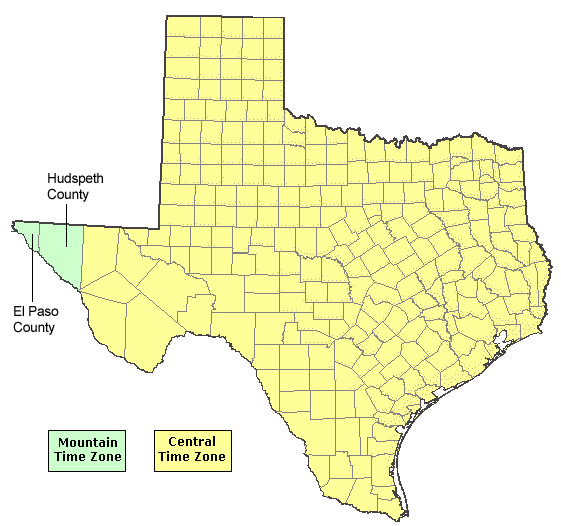
While the majority of Texas operates within the Central Time Zone, it’s essential to note the unique geographical exception of two western counties: El Paso and Hudspeth. These counties observe the Mountain Time Zone, adding a layer of complexity for those traversing the entire breadth of the state. This guide will provide a comprehensive overview of when the time changes in Texas, delve into its historical context, explore the ongoing debates, and offer practical advice for travelers to ensure their journey is as smooth and enjoyable as possible. From coordinating flight arrivals into Dallas/Fort Worth International Airport or George Bush Intercontinental Airport to timing your visit to The Alamo or the Space Center Houston, being in sync with the local clock is paramount.
When the Clocks Spring Forward: Embracing Extended Daylight
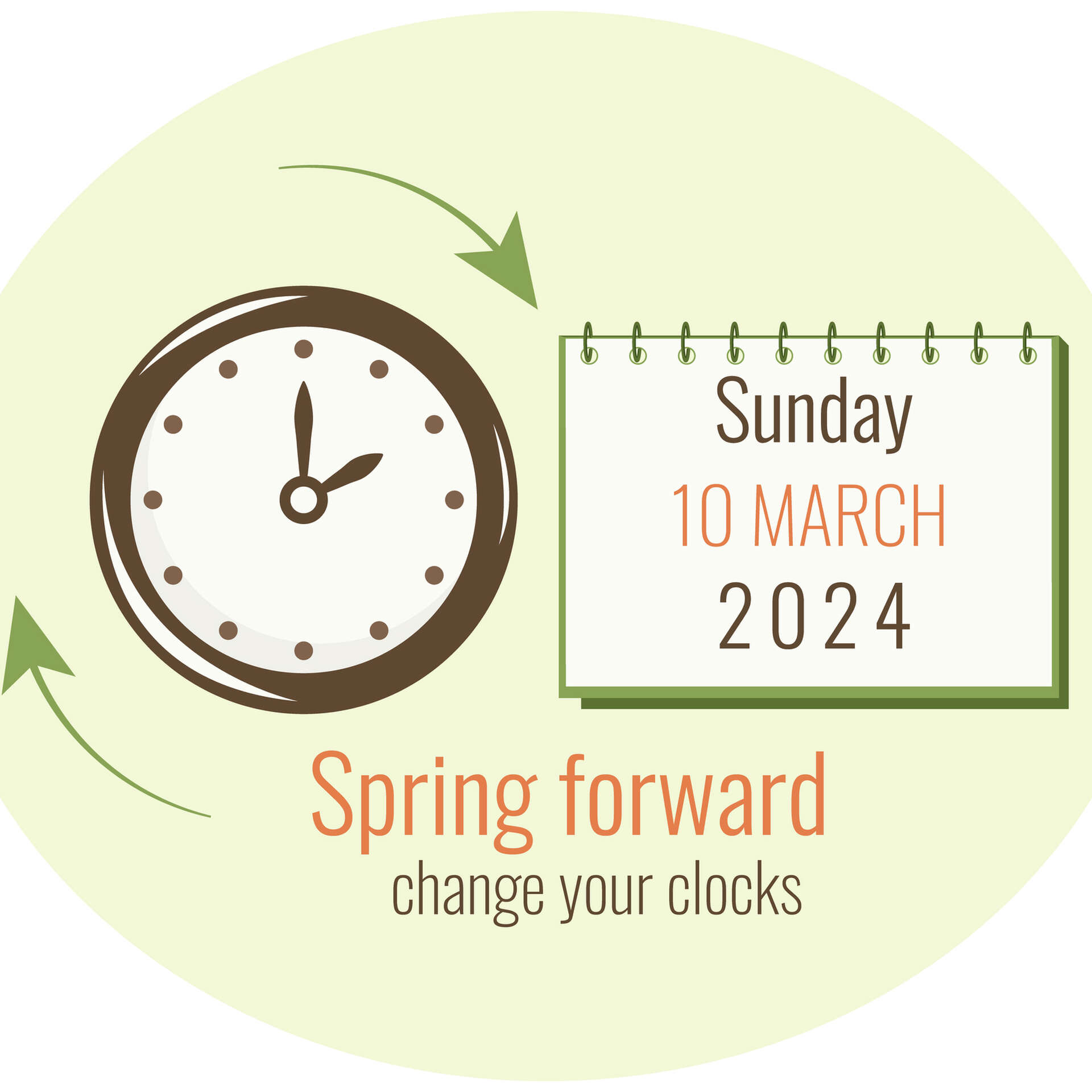
The transition into Daylight Saving Time in Texas marks the official welcome of longer, brighter evenings, a phenomenon eagerly anticipated by many who wish to maximize their outdoor activities and leisure time. This shift occurs annually on the second Sunday in March. At precisely 2:00 AM local time, clocks are advanced by one hour, instantaneously becoming 3:00 AM. For travelers, this “spring forward” means an effective loss of an hour from their day, which can have several implications.
Consider, for example, a visitor arriving in Houston or Austin on this particular Sunday. A flight scheduled to land at 8:00 AM might feel like 7:00 AM to their body clock, or conversely, if they have an early check-in arranged at a hotel or resort, they might find themselves arriving an hour later than their internal clock anticipated. This minor temporal displacement can affect everything from connecting flights and airport transfers to the timing of scheduled tours and even the availability of breakfast at their chosen accommodation. Smart travelers often account for this by adjusting their sleep schedules a few days prior or opting for a slightly later arrival on that Sunday.
The primary advantage of springing forward, particularly from a tourism and lifestyle perspective, is the extension of daylight into the evening. This extra hour of sunlight can significantly enhance the visitor experience across Texas. Imagine more time to stroll along San Antonio’s River Walk, explore the vibrant districts of Dallas, or enjoy an outdoor patio dinner in Austin as the sun lingers longer. For families, it means more daylight hours for children to enjoy attractions like Six Flags Over Texas or the Houston Zoo. For those on a budget travel adventure, it offers more daylight to explore free outdoor landmarks and natural parks, extending their recreational opportunities. Business travelers can often combine their professional commitments with extended evening leisure, enjoying the local culture and food scene. However, the initial adjustment can lead to temporary sleep disruption, commonly known as “social jet lag,” which is an important consideration for maintaining energy levels, particularly during a packed itinerary.
When the Clocks Fall Back: Reclaiming an Hour
As the leaves begin to turn and the cooler breezes of autumn sweep across the Texas Hill Country and beyond, Daylight Saving Time draws to a close. The clocks “fall back” annually on the first Sunday in November. Similar to the spring forward, this change occurs at 2:00 AM local time, but this time, it reverts to 1:00 AM, effectively granting an extra hour to the day. For many, this is a welcome change, providing an additional hour of sleep on a Sunday morning – a small luxury that can make a big difference, especially after a week of intense travel or exploring the myriad destinations Texas has to offer.
For visitors staying at luxurious resorts in South Padre Island or quaint villas in Fredericksburg, that extra hour can translate into a more leisurely start to the day, perhaps enjoying an extended breakfast or a peaceful morning by the pool before embarking on their day’s adventures. For those concerned with maximizing their rest during a business stay, it’s an unexpected bonus.
However, the “falling back” also means an earlier sunset, which can influence evening plans. Outdoor attractions, sunset cruises on Lake Travis, or even simply enjoying a long walk along the Gulf Coast will need to be timed carefully. Tourists planning to experience the evening cattle drive at the Fort Worth Stockyards National Historic District or capture the sunset over Palo Duro Canyon State Park will need to factor in the earlier onset of darkness. While hotels, tourism operators, and local businesses are generally well-prepared for this change, a proactive approach from travelers, checking opening hours and event schedules, will ensure that no valuable experience is missed due to the shift in daylight patterns.
A Tale of Two Times: Understanding Texas’s Time Zones
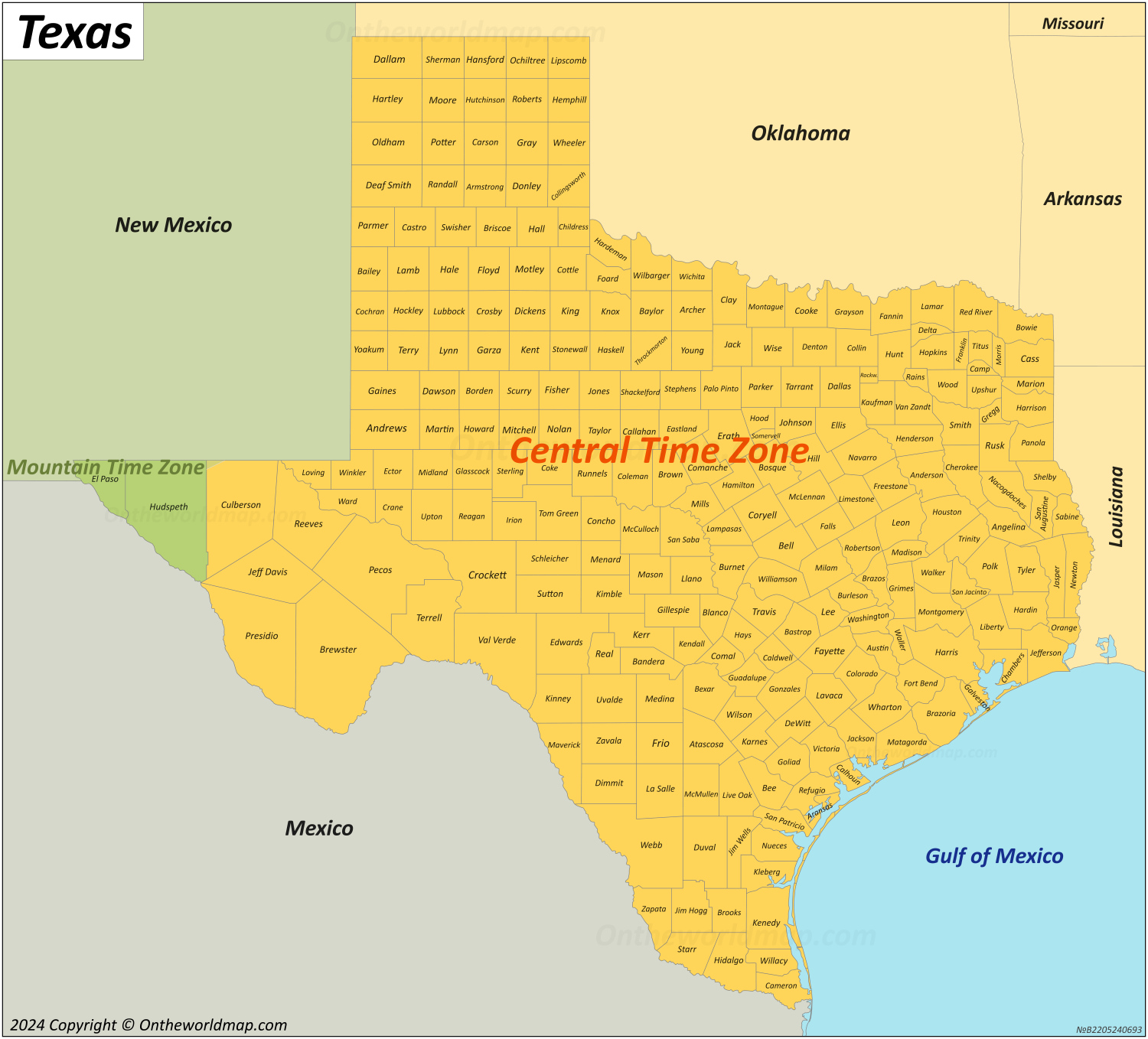
While the general rule of thumb is that Texas observes Central Time (CT) and Central Daylight Time (CDT), the westernmost fringes of the state present a unique temporal boundary that is critical for comprehensive trip planning. The counties of El Paso and Hudspeth proudly sit within the Mountain Time Zone (MT), transitioning to Mountain Daylight Time (MDT) during Daylight Saving Time. This distinction creates a one-hour difference between El Paso and the rest of Texas during DST, and a two-hour difference during standard time.
For travelers embarking on extensive Texas road trips or those exploring the state’s diverse geographical wonders, this time zone split necessitates careful attention. Imagine driving from the vibrant streets of San Antonio to the rugged, majestic landscapes near Big Bend National Park (which is in the Central Time Zone), and then further west towards El Paso or Guadalupe Mountains National Park. The transition across time zones can easily lead to missed appointments, late check-ins for accommodation, or confusion over tour start times if not properly managed.
Most modern smartphones and GPS devices automatically adjust to time zone changes, but it’s always prudent to manually verify the time, especially when relying on traditional schedules or making critical bookings. For business travelers with meetings spanning across Texas cities, clear communication about local times is paramount to avoid scheduling conflicts. Hotels and resorts in El Paso are adept at guiding guests through this difference, but a prior understanding from the traveler’s perspective ensures a smoother, more predictable experience. This unique time zone characteristic adds to the rich tapestry of the Lone Star State, but also underscores the importance of detailed planning for a truly hassle-free travel experience.
A Look Back: The History and Enduring Debates of DST in the USA
The practice of Daylight Saving Time is far from a modern invention; its roots stretch back to the early 20th century, first proposed as a way to conserve energy during wartime. In the United States specifically, the observance of DST was eventually standardized nationwide with the enactment of the Uniform Time Act of 1966. Before this federal legislation, states and even individual municipalities could choose whether or not to observe DST, and when. This resulted in a chaotic and often confusing patchwork of local times across the country, making inter-state travel, commerce, and communication incredibly challenging. The Uniform Time Act aimed to bring order to this temporal disarray, establishing a consistent framework that most states, including Texas, have followed ever since.
The Two Sides of the Clock: Arguments for and Against DST
The debate over the continued relevance and impact of Daylight Saving Time is a persistent one, with arguments spanning economics, public health, and social lifestyle. For the tourism and travel industries, certain arguments in favor of DST particularly resonate.
Proponents of DST often highlight:
- Economic Boost: The most frequently cited benefit, especially in the context of travel and tourism, is the positive economic impact. Extended daylight hours in the evening are believed to encourage more outdoor activities, shopping, and dining out. Tourists are more likely to visit attractions, linger at outdoor markets, or enjoy evening entertainment when it’s still light, leading to increased revenue for hotels, restaurants, shops, and other entertainment venues across Texas cities like Austin and Houston. This contributes to the overall vibrancy of the local economy.
- Enhanced Public Safety: Some studies suggest a correlation between extended daylight and a reduction in certain types of crime, as criminals often prefer the cover of darkness. Brighter evenings can make public spaces feel safer, benefiting both residents and visitors exploring destinations such as Dallas’s Klyde Warren Park or the historic neighborhoods of San Antonio.
- Promotion of Outdoor Lifestyle: With more daylight in the evenings, individuals are encouraged to engage in outdoor recreation and physical activities. This aligns perfectly with the appeal of Texas’s natural landmarks and outdoor attractions, from hiking trails at Big Bend National Park to water sports on Lake Travis, fostering a healthier and more active lifestyle for both locals and tourists.
- Energy Conservation (Historical Context): While modern research often disputes significant energy savings with current energy consumption patterns, the original intent of DST was to conserve energy by reducing the need for artificial lighting in the evenings.
However, a growing number of voices, including many in Texas, advocate for the abolition of DST, citing various drawbacks.
Arguments against DST often include:
- Health and Well-being Impacts: The biannual clock changes, particularly the “spring forward,” are frequently linked to disruptions in circadian rhythms, leading to sleep deprivation, decreased productivity, and even an increased risk of health issues like heart attacks and strokes in the days immediately following the shift. For travelers, this can exacerbate the effects of jet lag and make adjustment to a new environment more challenging.
- Limited or Negligible Energy Savings: Contemporary studies often find that any energy saved from reduced lighting is offset by increased use of heating and air conditioning, as people adjust their thermostats to compensate for the perceived changes in daylight. This undermines one of the primary historical justifications for DST.
- Safety Concerns in Darker Mornings: While evenings are lighter, mornings become darker, especially in the initial weeks after springing forward. This raises concerns about pedestrian and vehicular safety, particularly for commuters, school children, and early morning business travelers or those on adventure travel excursions.
- Economic Costs and Inefficiencies: The logistical challenges of synchronizing time changes across complex systems like transportation, healthcare, and retail can incur hidden economic costs and operational inefficiencies. For accommodation providers, rescheduling staff, adjusting automated systems, and updating guest communications is an annual administrative burden.
The Horizon of Time: Potential Future Shifts in Texas
The discussion surrounding Daylight Saving Time in Texas is dynamic and reflects a broader national conversation about whether the practice remains beneficial in the 21st century. Echoing the state’s independent spirit, the Texas Legislature has seen numerous bills introduced in recent sessions aiming to either permanently adopt DST (effectively “locking” the state into longer evenings year-round) or, conversely, to permanently remain on standard time (eliminating the “spring forward” altogether). While none of these legislative efforts have successfully passed into law to date, their continued emergence underscores a significant public and political desire to end the biannual clock changes.
The possibility of Texas opting out of Daylight Saving Time, which is permitted under the federal Uniform Time Act for states choosing to observe standard time year-round, or, less likely, securing federal approval to remain on permanent DST, would have profound implications for travel and tourism across the state. Such a change would fundamentally alter how visitors plan their trips, interact with local schedules, and experience the rhythm of the Lone Star State.
Preparing for a Permanent Time Landscape in Texas
Should Texas eventually transition to permanent Standard Time, it would mean consistently earlier sunsets throughout the year, especially noticeable during the summer months when evenings currently enjoy extended daylight. For visitors, this would necessitate a strategic re-evaluation of how they schedule outdoor activities, sightseeing at landmarks, and evening entertainment. Popular outdoor attractions or events might need to adjust their operating hours, and plans for activities like stargazing in Big Bend National Park or enjoying the vibrancy of Austin’s Sixth Street would need to factor in an earlier onset of darkness. Conversely, mornings would be brighter for longer, potentially benefiting early risers, those on business trips, or travelers focused on morning-centric activities such as visiting the Dallas Arts District or embarking on a sunrise hike at Enchanted Rock State Natural Area. The entire accommodation sector, from luxury hotels in Houston to quaint apartments in Galveston, would need to adapt its operational schedules, from check-in/check-out policies to restaurant and amenity timings.
Conversely, a move to permanent Daylight Saving Time, while requiring federal approval, is often favored by segments of the tourism industry due to the perpetual extension of evening daylight. This scenario would provide year-round opportunities for visitors to fully immerse themselves in Texas’s offerings, with more leisure time available after a day of work or exploration. Imagine more extended daylight for evening cruises on the San Antonio River Walk, or enjoying outdoor concerts well into the evening across Texas cities. This would certainly enhance the appeal for luxury travel and leisurely lifestyle experiences. However, it would also mean significantly darker winter mornings, potentially impacting school schedules, morning commutes, and the viability of some early morning tourism activities.
For the foreseeable future, Texas will continue to observe the traditional Daylight Saving Time schedule, making awareness of these biannual clock changes an indispensable part of planning any visit. Keeping an informed eye on legislative developments and official state announcements will be key for future travelers to the Lone Star State, ensuring their plans are always in sync with the current time, whether they are exploring the historic beaches of Galveston or the vast plains of the Texas Panhandle.
LifeOutOfTheBox is a participant in the Amazon Services LLC Associates Program, an affiliate advertising program designed to provide a means for sites to earn advertising fees by advertising and linking to Amazon.com. Amazon, the Amazon logo, AmazonSupply, and the AmazonSupply logo are trademarks of Amazon.com, Inc. or its affiliates. As an Amazon Associate we earn affiliate commissions from qualifying purchases.