
When pondering a vibrant Caribbean escape that blends rich history, diverse landscapes, and an inviting cultural tapestry with the convenience of domestic travel for U.S. citizens, Puerto Rico invariably comes to mind. However, a common question often arises among potential travelers and those curious about its unique political standing: “Is Puerto Rico a state in America?” The answer, while straightforward, unravels a fascinating narrative that enriches the understanding of this captivating island and its relationship with the United States.
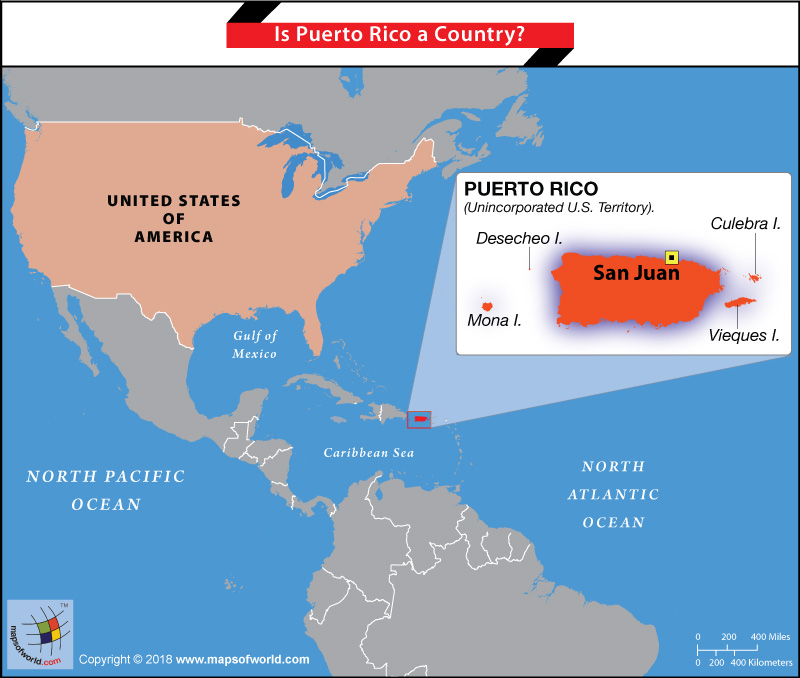
No, Puerto Rico is not a state in the United States. It is an unincorporated territory of the United States. This distinction carries significant implications for its governance, its residents, and surprisingly, its appeal as a travel destination. For those looking to explore a destination that feels both foreign and familiar, with a unique blend of American infrastructure and distinct Caribbean flair, understanding Puerto Rico’s status is key to appreciating its multifaceted identity and planning an enriching visit.
Understanding Puerto Rico’s Unique Status
The political status of Puerto Rico is a complex topic rooted in over a century of history and debate. While not a state, its ties to the United States are profound, influencing everything from its economy to its daily life and, critically, the experience of its visitors.
A U.S. Territory, Not a State
As an unincorporated U.S. territory, Puerto Rico is under the sovereignty of the United States, but it is not formally a part of the United States itself, meaning the full provisions of the U.S. Constitution do not automatically apply. Puerto Ricans are U.S. citizens, a status granted by the Jones-Shafroth Act of 1917. This means they can travel freely to and from the mainland United States without a passport, and they use the U.S. dollar as their currency. However, unlike citizens residing in the 50 states, Puerto Ricans cannot vote in federal elections for president or vice president. They elect a Resident Commissioner, who can speak and vote in committees in the U.S. House of Representatives but cannot vote on the House floor.
This unique relationship offers a fascinating blend of cultures and governance. For travelers, especially those from the mainland U.S., it translates into a seamless travel experience while still immersing them in a distinctly vibrant Caribbean culture. There are no customs checks when traveling from the U.S. mainland, and English is widely spoken alongside the predominant Spanish language, making navigation and communication surprisingly easy.

The Historical and Political Landscape
Puerto Rico’s journey to its current status began in 1898 when it was ceded by Spain to the United States following the Spanish-American War. Over the decades, its political relationship with the mainland has evolved, granting Puerto Rico increasing levels of self-governance, including its own constitution and elected government. Yet, ultimate sovereignty remains with the U.S. Congress.
The debate over Puerto Rico’s future status—statehood, enhanced commonwealth, or independence—is a perpetual topic of discussion on the island and in Washington. Each option has its proponents and opponents, driven by economic, cultural, and political considerations. For visitors, this complex backdrop adds another layer to the island’s identity, reflecting a people proud of their heritage and actively shaping their destiny. Understanding this historical context helps travelers appreciate the resilience and unique spirit of the Puerto Rican people.
Puerto Rico for Travelers: An Unforgettable Caribbean Escape
Beyond its political status, Puerto Rico is first and foremost an extraordinary travel destination. It offers an unparalleled blend of natural beauty, historical significance, vibrant culture, and modern amenities, making it a perfect choice for various travel styles, from luxury getaways to budget-friendly family trips or adventurous solo explorations. The island truly embodies the spirit of discovery, promising memorable experiences at every turn.
Discovering Puerto Rico’s Diverse Attractions
The range of attractions in Puerto Rico is astounding, catering to every interest. For history buffs, a visit to Old San Juan is a must. This historic walled city, a UNESCO World Heritage Site, is a colorful maze of cobblestone streets, colonial architecture, and iconic landmarks. Wander through its vibrant squares, explore the majestic fortresses of El Morro and Castillo San Cristóbal, which once protected the city from invaders, and visit La Fortaleza, the governor’s official residence. These famous places offer a glimpse into centuries of history.
Nature enthusiasts will be captivated by El Yunque National Forest, the only tropical rainforest in the U.S. National Forest System. Its lush trails lead to breathtaking waterfalls like La Mina Falls, diverse wildlife, and panoramic views from observation towers. For a truly magical experience, Puerto Rico is home to three of the world’s five bioluminescent bays: Mosquito Bay on Vieques island, Laguna Grande in Fajardo, and La Parguera in Lajas. Kayaking through these glowing waters under a starlit sky is an unforgettable adventure.
Beach lovers are spoiled for choice, with stunning coastlines offering everything from tranquil shores to world-class surfing spots. Flamenco Beach on Culebra island is consistently ranked among the best beaches globally, famous for its white sands and turquoise waters. Other popular beaches include Luquillo Beach for families, the surfing haven of Rincón, and the serene shores of Isabela. Adventure seekers can also explore the impressive Camuy River Cave Park, one of the largest cave systems in the world, or visit the historical site of the Arecibo Observatory.
Accommodation Options for Every Lifestyle
Puerto Rico’s accommodation landscape is as varied as its scenery, offering options to suit every preference and budget. Whether you’re planning a luxurious honeymoon, a family vacation, a business stay, or a solo backpacking adventure, you’ll find the perfect place to rest and rejuvenate.
For those seeking luxury travel, world-class resorts dot the coastlines, offering exquisite suites, private villas, and unparalleled amenities. The Dorado Beach, a Ritz-Carlton Reserve is synonymous with exclusive luxury, featuring personal attendants, championship golf courses, and an award-winning spa. Other opulent choices include the St. Regis Bahia Beach Resort, known for its pristine natural setting and elegant design, and the Hyatt Grand Reserve Puerto Rico, offering stunning oceanfront views and extensive facilities. In San Juan, the historic Hotel El Convento offers a boutique experience within a beautifully restored convent, while the Condado Vanderbilt Hotel provides a blend of historic grandeur and modern sophistication.
Mid-range hotels and charming guesthouses offer comfortable stays with local flavor. You can find excellent options in San Juan’s Condado or Isla Verde neighborhoods, providing easy access to beaches and dining. For budget travel, hostels and smaller inns are available, particularly in areas popular with surfers and backpackers like Rincón.
For a more independent or long-term stay, apartments and villas are increasingly popular choices. Websites offer comparison tools and reviews for booking everything from beachfront condos to rustic cabins in the mountains. Imagine staying in a charming apartment like Serranopark Apartamentos in Ponce, giving you the freedom to cook your meals and experience local life more intimately. Many accommodations also offer specialized amenities such as kids’ clubs for family trips, conference facilities for business stays, or wellness centers for those seeking a tranquil retreat.
Immersing in Puerto Rican Culture and Cuisine
No visit to Puerto Rico is complete without diving into its vibrant culture and exquisite gastronomy. The island’s cultural heritage is a dynamic fusion of Taíno, Spanish, and African influences, creating a unique identity. Music is the heartbeat of Puerto Rico, with rhythms like salsa, bomba y plena filling the air from bustling plazas to lively dance clubs. Festivals, parades, and street parties are common occurrences, offering fantastic opportunities to experience local customs and traditions.
Puerto Rican cuisine is a delightful adventure for the palate. It’s comfort food with a Caribbean twist, characterized by its hearty flavors and fresh ingredients. Must-try dishes include mofongo (fried plantains mashed with garlic and pork cracklings), lechón (slow-roasted pork), pasteles (similar to tamales), and arroz con gandules (rice with pigeon peas). Seafood is abundant and fresh, often prepared simply to let the natural flavors shine. Don’t forget to sample the island’s famous rum, perhaps with a refreshing piña colada (which was invented here!) or a classic mojito. A tour of Casa Bacardí, the largest rum distillery in the world, offers an insightful look into the rum-making process and its place in Puerto Rican culture.
Beyond San Juan, cities like Ponce, known as the “Pearl of the South,” offer distinct cultural experiences. Its historic center boasts stunning neoclassical architecture, colorful firehouses, and impressive museums, showcasing a different facet of the island’s rich history and artistic expression. Local markets and food stalls provide authentic culinary experiences, while art galleries and craft shops showcase the creativity of Puerto Rican artisans.

Planning Your Puerto Rico Adventure
With its unique status and incredible array of attractions, planning a trip to Puerto Rico is an exciting endeavor. A well-planned itinerary ensures you make the most of your visit, whether you’re seeking relaxation, adventure, or cultural immersion.
Travel Tips and Essentials
For U.S. citizens, traveling to Puerto Rico is as simple as domestic travel within the mainland. No passport is required, and the U.S. dollar is the official currency. International travelers will need to follow U.S. entry requirements. The primary languages are Spanish and English, with English widely understood in tourist areas.
The best time to visit Puerto Rico is from December to May, when the weather is cooler and drier, perfect for outdoor activities and beach days. Hurricane season runs from June to November, so travelers during these months should monitor weather forecasts and consider travel insurance. Transportation on the island includes rental cars (recommended for exploring beyond San Juan), taxis, ride-sharing services, and public buses in urban areas. For travel to smaller islands like Vieques or Culebra, ferries or small planes are available.
When packing, think light clothing, swimwear, comfortable walking shoes, and rain gear, especially if you plan to visit El Yunque. Don’t forget sunscreen, insect repellent, and a reusable water bottle. While credit cards are widely accepted, it’s wise to carry some cash for smaller vendors or rural areas. Finally, embracing the local pace and hospitality, often referred to as “la buena vida” (the good life), will enhance your experience. Be open to impromptu conversations, try new foods, and let the island’s rhythm guide your adventure.
In conclusion, while Puerto Rico is not a state in America, its status as a U.S. territory makes it a uniquely accessible and incredibly rewarding destination. It offers a seamless travel experience for U.S. citizens combined with the thrill of discovering a distinct Caribbean culture, stunning natural beauty, and a rich historical tapestry. From the vibrant streets of Old San Juan to the misty peaks of El Yunque and the glowing waters of its bioluminescent bays, Puerto Rico promises an unforgettable journey filled with warmth, adventure, and the unmistakable spirit of “la Isla del Encanto”—the Island of Enchantment.
LifeOutOfTheBox is a participant in the Amazon Services LLC Associates Program, an affiliate advertising program designed to provide a means for sites to earn advertising fees by advertising and linking to Amazon.com. Amazon, the Amazon logo, AmazonSupply, and the AmazonSupply logo are trademarks of Amazon.com, Inc. or its affiliates. As an Amazon Associate we earn affiliate commissions from qualifying purchases.