
The University of Texas at Austin, often affectionately referred to as UT Austin, stands as a beacon of academic excellence and a vibrant cultural hub in the heart of Texas. Its location is far more than just a pin on a map; it’s an integral part of what makes the university and the surrounding city so dynamic and appealing. Situated in Austin, the capital city of the Lone Star State, the campus enjoys a prime position that offers a unique blend of urban excitement, natural beauty, and a distinctive “Keep Austin Weird” ethos. For students, faculty, visitors, and tourists alike, understanding where UT Austin is located provides a gateway to exploring not only a world-class educational institution but also one of America’s most beloved and rapidly growing cities. This article delves into the precise whereabouts of UT Austin, exploring how its strategic placement enhances travel opportunities, accommodation choices, tourism experiences, and the overall lifestyle for anyone visiting or residing in this remarkable corner of Texas.

The Heart of the Lone Star State: Austin’s Embrace of UT
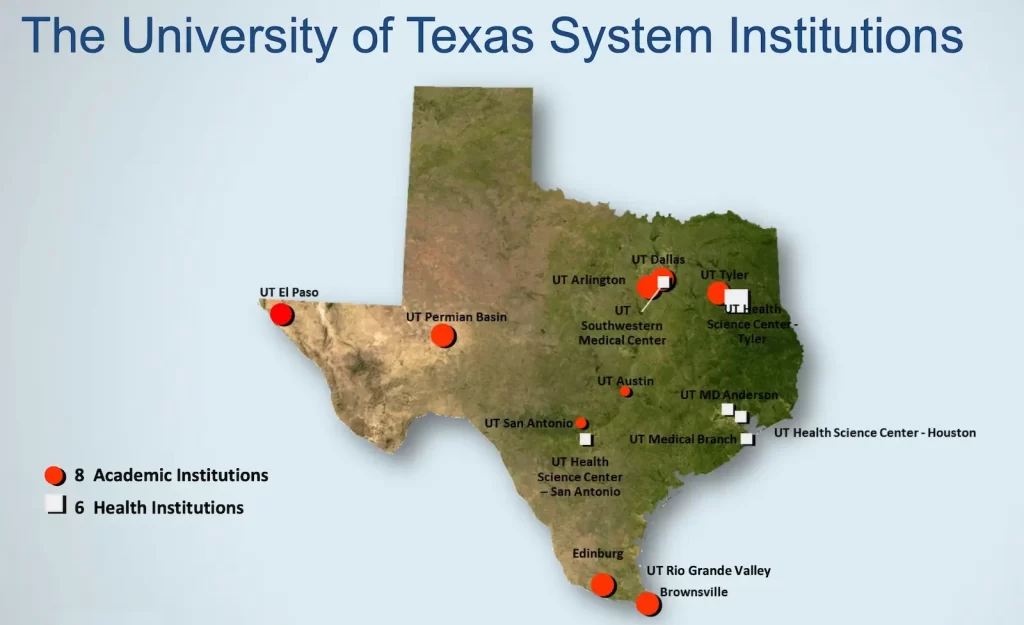
UT Austin’s main campus is strategically nestled just north of Downtown Austin, creating a seamless connection between academic life and the city’s bustling urban core. This proximity means that students and visitors are never far from the pulse of Austin, with its myriad attractions, dining establishments, and entertainment venues. The campus spans an impressive 431 acres, bordered by prominent city arteries like Guadalupe Street to the west, IH-35 to the east, Dean Keeton Street to the north, and Martin Luther King Jr. Boulevard to the south. This central location makes it highly accessible from various points within the city and beyond, serving as a convenient destination for travelers arriving via Austin-Bergstrom International Airport (AUS), which is approximately a 20-minute drive away.
The university’s geographical coordinates place it roughly at 30.2849° N latitude and 97.7341° W longitude, making it an undeniable landmark in Central Texas. It sits a mere stone’s throw from the majestic Texas State Capitol, a stunning architectural marvel that serves as the seat of Texas government. This close relationship between the university and the state’s political heart underscores UT Austin’s significance not just academically, but also culturally and politically within Texas. The campus itself is beautifully landscaped, featuring historic buildings, expansive green spaces, and iconic structures like the UT Tower, which is visible from many parts of the city and acts as a guiding beacon.
A Campus Integrated into Urban Life
One of the most remarkable aspects of UT Austin’s location is how seamlessly it integrates into the urban fabric of Austin. Unlike some universities that are isolated on the outskirts of a city, UT Austin is an active participant in Austin’s daily life. The area immediately surrounding the campus, often referred to as “West Campus” and “North Campus,” is teeming with student housing, local eateries, coffee shops, and unique boutiques that cater to the university community. This vibrant neighborhood feel extends into the heart of the city, where numerous establishments proudly display their allegiance to the Texas Longhorns, the university’s beloved athletic teams.
The integration also means that students have unparalleled access to internships, job opportunities, and cultural events within walking or short driving distance. The city’s thriving tech industry, robust music scene, and diverse non-profit organizations offer a rich tapestry of experiences that complement academic learning. For visitors, this translates into an easy transition from exploring university grounds and museums to experiencing Austin’s renowned culinary landscape or its legendary live music venues. The boundaries between the university and the city are delightfully blurred, creating a dynamic environment that fosters innovation, creativity, and a strong sense of community.
Navigating Austin: Transport and Accessibility
Getting to and around UT Austin is remarkably straightforward, thanks to Austin’s well-developed transportation infrastructure. For those flying in, Austin-Bergstrom International Airport (AUS) serves as the primary gateway, offering numerous domestic and international flights. From the airport, visitors can take taxis, rideshares, or Capital Metro’s Airport Flyer bus service directly to downtown Austin or areas near the university.
Once in the city, Capital Metro provides extensive bus services, with several routes directly serving the UT Austin campus and surrounding neighborhoods. The university also operates its own shuttle system, offering convenient transport for students and staff across the sprawling campus and to nearby parking areas. For those who prefer to explore on two wheels, Austin is a bike-friendly city with numerous designated lanes and rental services. Walking is also a viable option for navigating the campus and immediately adjacent areas, allowing visitors to soak in the atmosphere at a leisurely pace. The compact nature of Downtown Austin and the university district means that many key attractions are within a reasonable walking distance, making it an ideal destination for those who enjoy exploring on foot.
Beyond Academics: Exploring Austin as a Visitor
While UT Austin is a renowned academic institution, its location in Austin elevates the visitor experience far beyond campus tours and lectures. Austin is a destination in its own right, celebrated for its unique blend of music, food, outdoor activities, and quirky charm. For parents visiting their children, prospective students evaluating their options, or simply tourists eager to explore the Lone Star State, the city surrounding UT Austin offers an incredible array of attractions and experiences. From the moment you step off campus, you’re immersed in a city that truly lives up to its “Live Music Capital of the World” moniker and embraces an outdoor, active lifestyle.
The city’s vibrant energy is palpable, with events and activities catering to every interest. Whether you’re seeking cultural enrichment, adrenaline-pumping adventures, or a relaxing day by the water, Austin delivers. The synergy between the university’s intellectual pursuits and the city’s creative spirit makes for an unforgettable visit. This dynamic environment is part of what makes Austin consistently rank high on lists of best places to live and visit, and UT Austin’s central location ensures that visitors can easily tap into all that the city has to offer.
Must-Visit Landmarks and Cultural Hubs
Just a short distance from the UT Austin campus, visitors will find an abundance of landmarks and cultural institutions. The magnificent Texas State Capitol Building, a National Historic Landmark, offers free tours and stunning architecture. Beyond the state government, Austin boasts a rich artistic and historical landscape. The Blanton Museum of Art, located right on campus, houses one of the largest university art collections in the United States. Nearby, the Harry Ransom Center is an internationally recognized humanities research library and museum, famous for its cultural archives, including the Gutenberg Bible and the first photograph. Another essential stop is the LBJ Presidential Library, also on campus, which chronicles the life and presidency of Lyndon B. Johnson.
Venturing slightly further afield, South Congress Avenue (SoCo) provides a quintessential Austin experience with its eclectic mix of vintage shops, unique boutiques, vibrant murals, and a diverse range of restaurants and food trucks. Come dusk, thousands of bats emerge from under the Congress Avenue Bridge, a spectacular natural phenomenon that draws crowds nightly during warmer months. For outdoor enthusiasts, Zilker Metropolitan Park is an expansive urban oasis offering botanical gardens, playgrounds, and the famous Barton Springs Pool – a three-acre natural spring-fed swimming pool that remains a refreshing 68-70 degrees Fahrenheit year-round. Lady Bird Lake, a segment of the Colorado River, runs through the heart of Austin and is perfect for kayaking, paddleboarding, or a stroll along its scenic 10-mile hike and bike trail. Sixth Street, the legendary entertainment district, offers a lively nightlife scene with countless bars and live music venues.
Austin’s Culinary Journey: A Taste for Every Palate
Austin’s food scene is as diverse and dynamic as its music. For many visitors, a trip to Austin isn’t complete without indulging in its legendary barbecue. While Franklin Barbecue might command the longest lines, numerous other establishments across the city offer mouth-watering brisket, ribs, and sausage. Beyond barbecue, Austin is a haven for food truck culture, with clusters of trucks offering everything from gourmet tacos and fusion cuisine to healthy vegan options. These mobile eateries provide an affordable and adventurous way to experience the local flavors.
Mexican and Tex-Mex cuisine are also staples, with a plethora of restaurants serving up authentic dishes and creative interpretations. The city boasts an impressive array of fine dining establishments for those seeking a more upscale culinary experience, as well as a burgeoning farm-to-table movement. Coffee culture is strong here too, with independent cafes dotting every neighborhood, perfect for a quick pick-me-up or a relaxed morning. Whether you’re on a budget or looking for a luxurious dining experience, Austin’s food scene caters to all tastes and preferences, making it a key component of the overall tourism experience.
Accommodation Options Near UT Austin: A Guide for Every Traveler
Given UT Austin’s central location, visitors will find a wide array of accommodation options within easy reach, catering to diverse budgets, preferences, and travel styles. From luxurious hotels with panoramic city views to cozy boutique stays and budget-friendly extended-stay apartments, Austin offers something for everyone. The proximity to the university is a significant advantage, especially for parents visiting students, prospective students on campus tours, or attendees of university events and conferences.
The convenience of staying close to campus means less time commuting and more time enjoying the academic and cultural offerings of UT Austin and the vibrant city life. Hotels in the immediate vicinity often cater to university visitors, providing amenities like free Wi-Fi, business centers, and shuttle services. Further afield, but still easily accessible, are properties that offer a different Austin experience, whether that’s in the bustling downtown core or the charming South Congress district. The city’s accommodation landscape is constantly evolving, with new properties emerging to meet the demands of its growing tourism and business sectors, making comparison and review reading essential for finding the perfect stay.
Upscale Stays and Boutique Charms
For travelers seeking a luxurious experience, Austin provides several high-end hotel options that combine sophisticated amenities with prime locations. Many of these are clustered in Downtown Austin, offering easy access to both the university and the city’s premier dining and entertainment. The JW Marriott Austin, for example, provides a grand experience with multiple restaurants, a rooftop pool, and stunning views. Similarly, the Hotel ZaZa Austin offers a more boutique, trendy atmosphere with stylish decor and unique dining concepts, all while being just a short drive or bus ride from UT Austin.
For a touch of historic elegance, The Driskill, a legendary hotel dating back to 1886, provides a truly iconic Austin stay. Its opulent interiors and central Sixth Street location make it a popular choice for those seeking a blend of history and luxury. Other notable upscale choices include The LINE Austin and the Hotel Van Zandt, both offering modern amenities, vibrant social scenes, and convenient access to Lady Bird Lake and the Rainey Street Historic District. These options often come with luxury travel amenities such as full-service spas, gourmet dining, and concierge services, catering to a sophisticated lifestyle.
Budget-Friendly and Extended Stay Solutions
Travelers on a tighter budget or those planning a longer visit to UT Austin will also find plenty of suitable accommodation. Numerous mid-range hotels and motels are available along major thoroughfares and in adjacent neighborhoods, offering comfortable stays without breaking the bank. Chains like Holiday Inn Express and Hampton Inn are reliably present, providing standard amenities such as complimentary breakfast and Wi-Fi, often with locations specifically advertised as “near UT Austin”.
For extended stays, properties like Homewood Suites or Residence Inn offer apartment-style suites with kitchenettes, which are ideal for families, visiting scholars, or business travelers requiring more space and amenities for a prolonged visit. These options provide a home-away-from-home feel, making longer visits more comfortable and cost-effective. Additionally, Austin has a burgeoning market for vacation rentals, including apartments and villas listed on various booking platforms, which can be an excellent choice for groups or individuals seeking a more localized and flexible accommodation experience. Budget travel doesn’t mean sacrificing comfort, and Austin’s diverse accommodation market ensures a pleasant stay for all.
Planning Your Trip: Essential Tips for Visiting UT Austin and Beyond
Visiting UT Austin and experiencing the vibrant city of Austin requires a bit of planning to make the most of your trip. Understanding the local climate, key events, and best practices for navigating the city can significantly enhance your travel experience. Whether you’re coming for an academic conference, a campus tour, a family vacation, or a business stay, a well-thought-out itinerary will allow you to immerse yourself fully in all that this unique Texas city has to offer. From securing the right accommodation to choosing the ideal time to visit, these tips will guide you towards an unforgettable Austin adventure.
When to Visit: Navigating Austin’s Climate and Calendar
Austin experiences a humid subtropical climate, characterized by hot summers and mild winters. The most pleasant times to visit are typically in the spring (March to May) and fall (September to November). During these seasons, temperatures are comfortable, ranging from the 60s to 80s Fahrenheit, making it ideal for exploring campus and outdoor attractions. However, these are also peak times for tourism due to several major festivals. South by Southwest (SXSW) in March brings a massive influx of visitors for music, film, and tech conferences, while the Austin City Limits Music Festival in October also draws huge crowds. If you plan to visit during these periods, expect higher hotel prices and significant crowds, and book your accommodation and flights well in advance.
Summer (June to August) in Austin can be intensely hot, with temperatures frequently soaring into the 90s and even over 100 degrees Fahrenheit. While many indoor attractions and the refreshing waters of Barton Springs Pool offer respite, extensive outdoor exploration might be challenging. Winter (December to February) is generally mild and pleasant, with occasional cold fronts. This can be a great time for a more relaxed visit, with fewer crowds and potentially lower travel costs. Always check the local event calendar before your trip to see if any university events, concerts, or sports games align with your visit, as these can impact local availability and pricing.

Making the Most of Your Austin Experience
To truly maximize your visit, consider combining your exploration of UT Austin with the city’s unique offerings. Start with a comprehensive campus tour, perhaps including a visit to the UT Tower for panoramic views. Immerse yourself in the university’s cultural institutions like the Blanton Museum of Art or the LBJ Presidential Library. Then, venture out into Austin.
Embrace the local culture by catching a live music show on Sixth Street or Rainey Street, sampling diverse cuisine from food trucks, or enjoying a leisurely afternoon at Zilker Park. Don’t forget to witness the famous bat emergence at the Congress Avenue Bridge if you’re visiting between March and October. For an active experience, rent a kayak or paddleboard on Lady Bird Lake. Utilize rideshare services, local buses, or even bike rentals to navigate the city efficiently. Remember that Austin thrives on its unique, welcoming atmosphere, so be open to spontaneous discoveries and conversations with locals. By blending academic interest with urban exploration, your trip to UT Austin and Austin will be rich, memorable, and reflective of the city’s vibrant spirit.
In conclusion, the University of Texas at Austin is not merely located in Austin; it is profoundly of Austin. Its prime position in the heart of the Texas capital ensures that students, faculty, and visitors alike are perfectly situated to experience the very best of both worlds: a world-class academic environment and a dynamic, culturally rich urban landscape. From diverse accommodation options and seamless travel access to an abundance of landmarks, attractions, and culinary delights, the location of UT Austin is a cornerstone of its immense appeal and contributes significantly to the unforgettable experiences of those who venture to this remarkable institution and its equally captivating home city.
LifeOutOfTheBox is a participant in the Amazon Services LLC Associates Program, an affiliate advertising program designed to provide a means for sites to earn advertising fees by advertising and linking to Amazon.com. Amazon, the Amazon logo, AmazonSupply, and the AmazonSupply logo are trademarks of Amazon.com, Inc. or its affiliates. As an Amazon Associate we earn affiliate commissions from qualifying purchases.