
Planning a trip to the Lone Star State conjures images of vibrant cities, vast landscapes, rich history, and unforgettable experiences. From the bustling streets of Houston to the historic charm of San Antonio, the live music capital of Austin, and the cultural hub of Dallas, Texas offers a diverse tapestry for every traveler. While dreaming of your itinerary, often overlooked but critically important, is the role of proper identification. Whether you’re flying in, checking into a luxurious resort, renting a car to explore Big Bend National Park, or settling in for an extended stay, understanding Texas ID requirements and processes is paramount for a smooth and enjoyable journey.

This comprehensive guide delves into everything you need to know about identification in Texas, tailored specifically for travelers, long-term visitors, and those considering making Texas their temporary or permanent home. We’ll explore why your ID is so crucial, what types of identification are accepted, when obtaining a Texas ID might be a smart move, and the practical steps involved in securing one. We’ll also cover what to do if you lose your ID while enjoying your Texas adventures, ensuring your focus remains on the stunning Texas experiences rather than administrative hurdles.
Navigating Identification for Your Texas Journey
Your identification is more than just a card; it’s your key to unlocking various aspects of your travel experience in Texas. From the moment you land to every activity you undertake, a valid ID ensures seamless access and compliance with local regulations.
Why Your ID Matters When Traveling in the Lone Star State
The importance of a valid ID cannot be overstated, especially when you are away from home. In Texas, like the rest of the United States, your identification facilitates numerous essential transactions and activities that are integral to a successful trip.
- Domestic Flights and the REAL ID Act: If you’re flying domestically within the United States, you’ll need a REAL ID-compliant driver’s license or state-issued identification card, or another acceptable form of ID such as a passport. The REAL ID Act, enacted after 9/11, establishes minimum security standards for state-issued driver’s licenses and ID cards and prohibits federal agencies from accepting for certain purposes driver’s licenses and identification cards from states that do not meet these standards. While many states have already rolled out REAL ID compliant cards, it’s crucial to ensure your current ID meets these requirements to avoid delays at Transportation Security Administration (TSA) checkpoints.
- Hotel Check-ins and Accommodation: Whether you’re staying at a chic boutique hotel in Dallas like the Hotel ZaZa Dallas or a sprawling family resort in the Texas Hill Country such as the JW Marriott San Antonio Hill Country Resort & Spa, hotels will require a valid photo ID upon check-in. This is a standard procedure for security and to verify the booking holder. Without a valid ID, your accommodation plans could be severely disrupted, impacting your entire travel experience.
- Car Rentals and Transportation: Exploring the expansive landscapes of Texas often involves renting a car. Rental agencies universally require a valid driver’s license, often along with a credit card, to rent a vehicle. For international visitors, an international driving permit might also be necessary in conjunction with your foreign driver’s license. Without proper identification, your ability to traverse the Lone Star State independently will be significantly limited.
- Age-Restricted Activities: From enjoying the vibrant nightlife in Austin to savoring craft beers at a Dallas brewery or attending a concert at historic Gruene Hall, age verification is a constant. Texas strictly enforces its alcohol and tobacco laws, requiring valid identification to prove you are 21 years or older. Many establishments will scrutinize IDs closely, so having a clear, government-issued photo ID is essential for adults planning to partake in such activities.
- Accessing Attractions and Events: While many attractions simply require a ticket, some may ask for ID for various reasons, such as student discounts, senior rates, or even security checks at large events like concerts, sports games at AT&T Stadium, or festivals. For instance, some government buildings or specialized facilities like Space Center Houston might have specific ID requirements for entry, especially for foreign nationals.
What IDs Are Typically Accepted?
Generally, the most commonly accepted forms of identification across Texas and the United States for general purposes include:
- State-Issued Driver’s Licenses or ID Cards: These are the most common and widely accepted forms of identification for domestic travelers. Ensure yours is REAL ID-compliant if you’re flying domestically.
- Passports: A valid passport issued by your country of citizenship is universally accepted and is particularly crucial for international visitors. For U.S. citizens, a passport or passport card also serves as a REAL ID-compliant document for domestic air travel.
- Military IDs: Active duty or retired military identification cards issued by the U.S. Department of Defense are widely accepted.
- Other Government-Issued IDs: This can include permanent resident cards (Green Cards), foreign government-issued passports, and certain tribal identification cards.
Always carry a primary form of identification with you. While digital copies on your phone can be useful backups, they are not typically accepted as primary identification for official purposes like flying or hotel check-ins.
When and Why a Texas ID Card Might Be Beneficial for Long-Term Visitors or New Residents
While most tourists will rely on their existing driver’s license or passport, there are specific scenarios where obtaining a Texas ID card could significantly enhance your experience, especially if your stay extends beyond a typical vacation. This applies to individuals on extended holidays, business assignments, those pursuing education, or those contemplating a permanent move.
Beyond Tourism: The Convenience of a Local Texas ID
For anyone spending more than a few weeks in Texas, the advantages of having a local ID card go beyond simple convenience. It streamlines daily life and integrates you more smoothly into the local fabric.
- Establishing Temporary Residency for Certain Services: For those on long-term assignments or academic pursuits, a Texas ID card can serve as proof of temporary residency, which might be required for various local services, library cards, or even some educational programs. This is particularly relevant under the “Long-term Stay” category of accommodation.
- Opening Bank Accounts and Utility Services: If you’re relocating to Texas for work or an extended stay, opening a local bank account or setting up utilities (electricity, water, internet) will almost certainly require strong proof of identity and residency. A Texas ID card or driver’s license is often the most straightforward document for this purpose. This eases the transition for “Business Stays” or extended family trips.
- Easing Local Transactions: While your out-of-state or international ID will generally be accepted, local businesses and services sometimes prefer or are more familiar with Texas identification. This can expedite purchases, form filling, or any interaction requiring ID verification.
- Avoiding Carrying a Passport Constantly: For international visitors on extended stays, relying solely on a passport can be inconvenient and risky. Passports are valuable documents, and carrying them daily increases the chance of loss or theft. A Texas ID card provides a robust, locally recognized alternative for day-to-day identification, allowing you to keep your passport safely secured in your accommodation.
- Proof of Age: As mentioned, for age-restricted activities, a Texas ID is a clear and easily verifiable document, potentially reducing scrutiny compared to an out-of-state or international ID that staff may be less familiar with.
Who is Eligible for a Texas ID Card?
Obtaining a Texas ID card (distinct from a driver’s license) is generally possible for individuals who can prove their identity, legal presence in the United States, and residency in Texas.
- Residency Requirements: To be eligible for a Texas ID card, you typically need to prove Texas residency. This usually means providing two documents showing your current Texas residential address, such as utility bills, a lease agreement, or a voter registration card. For long-term visitors, a lease for an apartment or a utility bill might serve this purpose.
- Lawful Presence: Applicants must also demonstrate lawful presence in the United States. This could be proof of U.S. citizenship (birth certificate, passport) or valid immigration documents for non-citizens (visa, Green Card, EAD card).
- Minors vs. Adults: Adults 18 years and older can apply for a Texas ID card independently. Minors under 18 can also obtain an ID card, but they usually require the consent and presence of a parent or legal guardian.
The Practicalities: How to Obtain a Texas ID Card (If You Qualify)
If you’ve determined that a Texas ID card is right for your circumstances, the process, while requiring documentation, is straightforward. The primary agency responsible for issuing these cards is the Texas Department of Public Safety (DPS).
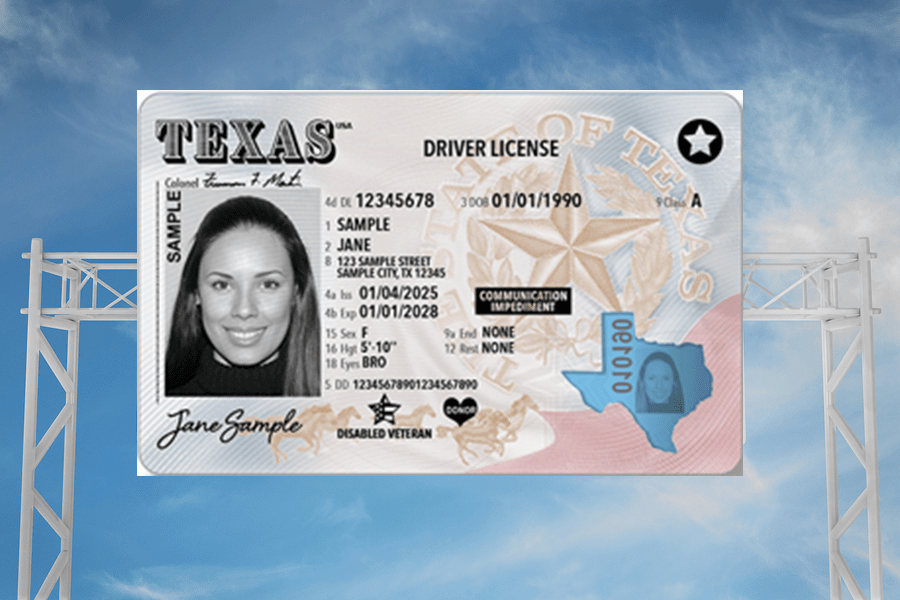
Step-by-Step Guide to Applying for a Texas Identification Card
The application process requires careful preparation to ensure all necessary documents are in order before visiting a DPS office.
- Gather Required Documents: This is the most critical step. You will need to provide:
- Proof of Identity: This could be a U.S. birth certificate, U.S. passport, or foreign passport with a valid U.S. visa and I-94.
- Proof of U.S. Citizenship or Lawful Presence: Your identity document may also satisfy this, but additional immigration documents might be needed for non-citizens.
- Proof of Social Security Number (SSN): Your actual Social Security Card or a document containing your SSN (e.g., W-2 form, pay stub).
- Proof of Texas Residency: Two documents showing your current Texas residential address. Examples include a current utility bill (electric, water, gas, cable), a lease agreement, a mortgage statement, or a medical bill. For those temporarily residing in a hotel for an extended period, specific documentation from the hotel might be accepted, or you may need to establish a more formal temporary residence.
- Locate a DPS Office: Texas has numerous DPS driver license offices located throughout the state. You can find the nearest office and their operating hours on the official Texas Department of Public Safety website. Consider offices in major cities like Austin, Dallas, Houston, San Antonio, or Fort Worth for convenience.
- Complete the Application: Fill out the Texas Identification Card Application Form (DL-14A). This can often be done online and printed beforehand to save time.
- Visit the DPS Office: Bring all your original documents, the completed application form, and the required fee. At the office, you will:
- Present your documents to a DPS representative.
- Have your photograph taken.
- Provide your thumbprints.
- Pay the application fee (cash, check, or credit card accepted).
- Receive Your Temporary ID: Upon successful application, you will typically be issued a temporary paper ID card. Your permanent, plastic Texas ID card will be mailed to your residential address within a few weeks.
Essential Tips for a Smooth Application Process
Navigating government offices can sometimes be time-consuming, but a few tips can help streamline the process.
- Book Appointments: Many DPS offices allow you to schedule appointments online. This can significantly reduce wait times, which can otherwise be substantial, especially during peak hours or days.
- What to Bring: Always bring original documents, not photocopies, unless specifically stated otherwise. Ensure all names on documents match exactly. If your name has changed, bring official documentation (e.g., marriage certificate, court order).
- Understand Wait Times: Even with an appointment, expect some wait time. If you can’t book an appointment, consider visiting during off-peak hours (mid-week, mid-morning/afternoon).
- Temporary IDs and Timelines: The temporary paper ID is valid for a limited period and serves as official proof of identity until your permanent card arrives. Keep it safe and be aware of its expiration date. The mailing time for the permanent card can vary, so plan accordingly if you need the physical card for specific purposes.
Lost or Stolen ID While Traveling in Texas? What to Do!
Losing your identification can be a stressful experience, especially when you’re far from home. However, quick action can mitigate the risks and help you get back on track to enjoying your Texas vacation.
Immediate Steps and Staying Secure
If your ID goes missing, prioritize these actions:
- Report to Authorities: File a police report with local law enforcement immediately. This is crucial for two reasons: it creates an official record that can be helpful for replacing documents or disputing fraudulent activity, and it provides some level of official documentation if you need to travel.
- Contact Your Home State DMV/Licensing Agency: Notify your issuing authority (e.g., your home state’s Department of Motor Vehicles or equivalent) about the loss. They can advise on replacement procedures and might be able to issue a temporary digital or paper ID if you are still in your home state, though this is less helpful if you’re in Texas.
- Notify Credit Bureaus and Banks: If your wallet was stolen, consider placing a fraud alert on your credit reports and notifying your bank and credit card companies.
- Contact the Embassy/Consulate (for International Travelers): If your passport is lost or stolen, immediately contact your country’s embassy or consulate nearest to your location in Texas. They can assist with emergency travel documents.
Navigating Travel Without Your Primary ID
Traveling without a government-issued photo ID, particularly for air travel, requires additional steps but is not impossible.
- Airline Protocols (TSA): The TSA has procedures for travelers who do not have an acceptable form of identification. You will likely undergo additional identity verification, which may include providing information about yourself and answering questions to verify your identity. It’s essential to arrive at the airport significantly earlier than usual (at least two hours before your flight for domestic travel) to allow ample time for this process. Have any secondary forms of ID ready, even if expired, such as credit cards, library cards, or even prescription bottles.
- Hotel Check-in Solutions: If you’ve lost your ID and need to check into a hotel, explain your situation. Often, if you have a booking confirmation, the credit card used for the booking, and possibly a police report, the hotel may be able to accommodate you, especially if you can provide additional forms of verification. Communication is key.
Exploring Texas with Confidence: Security and Enjoyment
With your identification sorted, whether it’s your trusty home-state license or a newly acquired Texas ID, you’re ready to fully immerse yourself in the wonders of the Lone Star State.
Best Practices for ID Security During Your Trip
- Keep Digital Copies: Before you leave home, take clear photos of your passport, driver’s license, and any other important IDs. Store these securely in a cloud service or email them to yourself, separate from your physical wallet. This can be invaluable for reference if originals are lost.
- Separate Storage: Avoid carrying all your important documents in one place. Keep your passport and a secondary ID (like a state ID or student ID) separate from your wallet if possible. When out exploring, consider only carrying what you need for the day.
- Hotel Safes: Utilize the safe in your hotel room (at reputable establishments like the Omni Dallas Hotel or the Hyatt Regency Austin) for passports and other critical documents you don’t need immediate access to.
Texas Travel Highlights and How Your ID Facilitates Experiences
Your valid ID is your ticket to experiencing the breadth of Texas. Imagine:
- Cultural Exploration: Visiting historic sites like The Alamo in San Antonio or the Sixth Floor Museum in Dallas, where your ID might be needed for specific guided tours or special entry requirements.
- Outdoor Adventures: Renting a boat on Lake Travis in Austin, engaging in water sports on South Padre Island, or booking a guided tour through the Natural Bridge Caverns – all activities that typically require valid identification.
- Culinary Delights: Exploring the diverse food scene, from authentic Tex-Mex to world-class BBQ. If you wish to pair your meal with local craft beers or fine wines, your ID will be essential.
- Live Entertainment: Accessing exclusive clubs, music venues, or participating in festivals that define cities like Austin or Houston often involves an age check.
In conclusion, while the question “Where to get an ID card in Texas?” might initially seem purely administrative, for travelers and long-term visitors, it intertwines deeply with the fabric of their Texas experience. By understanding the importance of identification, preparing adequately, and knowing the steps to take if an ID is needed or lost, you ensure that your focus remains on creating unforgettable memories in the heart of the Lone Star State. Travel confidently, explore widely, and let your valid identification be your reliable companion on your Texas adventures.
LifeOutOfTheBox is a participant in the Amazon Services LLC Associates Program, an affiliate advertising program designed to provide a means for sites to earn advertising fees by advertising and linking to Amazon.com. Amazon, the Amazon logo, AmazonSupply, and the AmazonSupply logo are trademarks of Amazon.com, Inc. or its affiliates. As an Amazon Associate we earn affiliate commissions from qualifying purchases.