
Beyond its larger-than-life reputation and sprawling landscapes, the state of Texas holds a name steeped in history, culture, and a legacy of friendship. Often depicted with images of cowboys, vast ranches, and oil derricks, [Texas] is a destination that captivates travelers with its diverse attractions, from bustling metropolitan centers to serene natural wonders. But how did this iconic state come to bear such a distinct name, and what hidden stories does it tell about its past? Understanding the etymology of “[Texas]” is to embark on a journey through indigenous languages, Spanish colonial aspirations, and the formative years of a republic that dared to dream big.
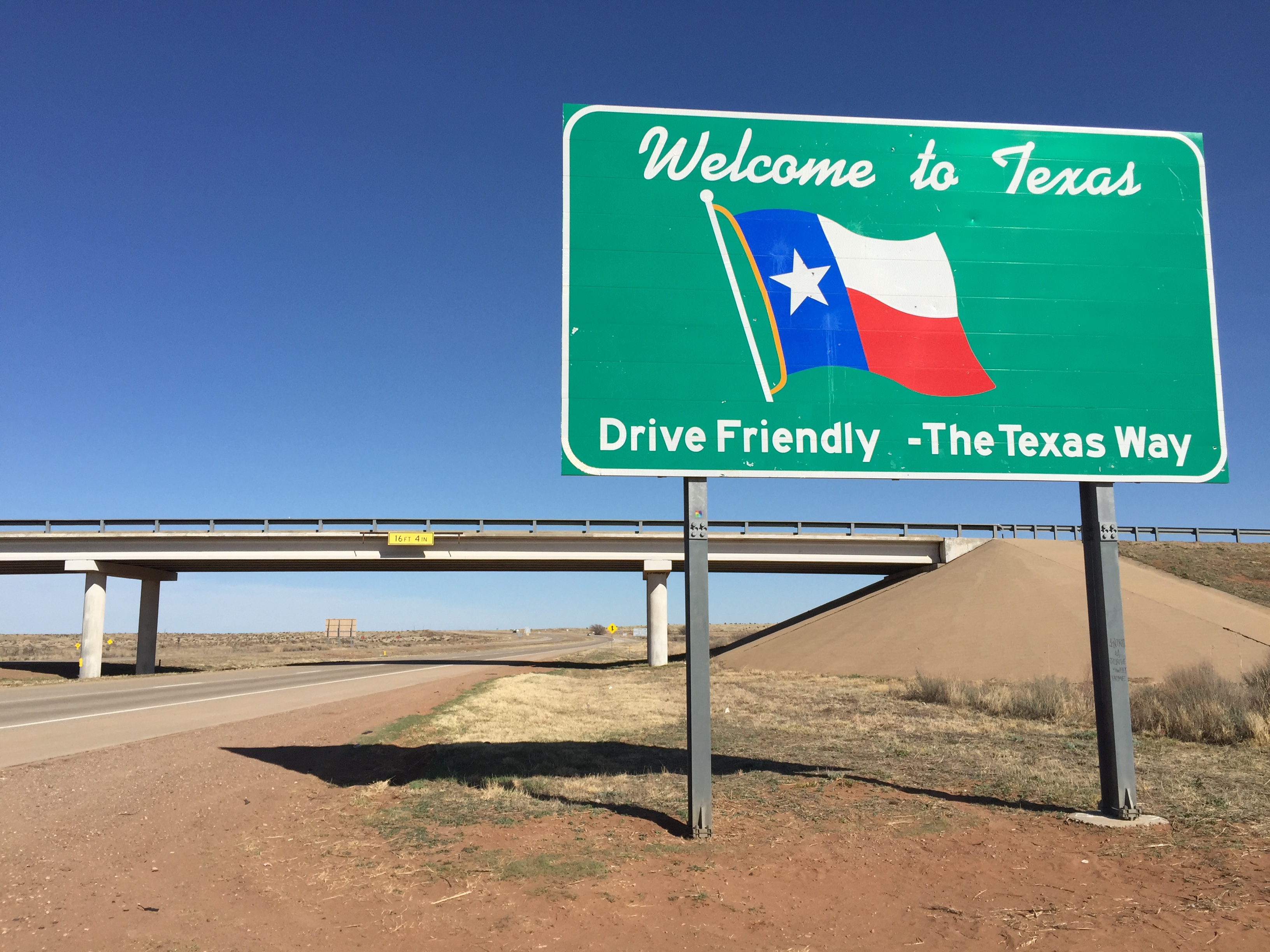
The Etymology of a Lone Star: A Name Forged in Friendship
The story of the name “[Texas]” begins not with grand declarations or military conquests, but with an act of friendly greeting. The word “Texas” derives from “Tejas,” a term used by the Spanish explorers and missionaries to refer to the Caddo people of East [Texas] and their confederacies. The [Caddo] word, in various dialects, approximated “táysha” or “tayshas,” meaning “friends” or “allies.”
A Land of Friendly Encounters
When [Spanish] explorers first ventured into the fertile lands of what is now East [Texas] in the late 17th century, they encountered the sophisticated [Caddo] tribes. These encounters were, in many instances, marked by mutual curiosity and, importantly, a spirit of amity. The [Caddo] people, known for their elaborate mound-building cultures and extensive trade networks, referred to themselves and their confederates as “tayshas.” The [Spanish], interpreting this as a proper tribal name for the region’s dominant inhabitants, began to use “Tejas” to denote both the people and the territory they inhabited. This friendly appellation became enshrined in early [Spanish] maps and documents, slowly morphing into the familiar “Texas” we know today.
The transition from “Tejas” to “Texas” reflects the linguistic evolution as the name was adopted by different groups over centuries. The [Spanish] pronunciation of “Tejas” used a “j” sound similar to the “h” in English, which eventually smoothed into the “x” sound prevalent in English. This subtle shift underscores the profound influence that indigenous languages and initial European interactions had on shaping the very identity of the land. It’s a powerful reminder that beneath the modern veneer, the spirit of “friends” continues to resonate within the state’s very name, hinting at its rich tapestry of cultures and welcoming atmosphere for visitors.
From Spanish Frontier to Republic: Forging an Identity
The territory known as [Texas] was a frontier for centuries, first under [Spanish] rule, then briefly as part of Mexico after its independence. It was a contested land, attracting settlers from both the United States and various European nations, all seeking new opportunities. The struggle for independence from [Mexico] in 1836 saw the birth of the Republic of Texas, a period of intense nation-building and self-definition. Leaders like Stephen F. Austin and Sam Houston played pivotal roles in establishing this independent republic, which proudly carried the name “Texas,” signifying a new era of self-governance and ambition.
This period was crucial in solidifying the name. The values of independence, resilience, and a distinctive identity became inextricably linked with “[Texas].” Even after its annexation by the [United States] in 1845, becoming the 28th state, the unique history and independent spirit forged during the [Republic of Texas] era continued to shape its character. The name, originally a simple term of friendship, grew to symbolize a complex history of cultural exchange, struggle, and eventual triumph, making it one of the most recognized and storied names among U.S. states.
A Journey Through Texas’s Diverse Landscapes and Cultures
Today, [Texas] is a vibrant testament to its layered history, offering an incredible array of travel experiences for every kind of adventurer. From the historic battlegrounds to the booming tech hubs, the state’s destinations promise unforgettable memories. Whether you’re seeking cultural immersion, outdoor thrills, or culinary delights, [Texas] delivers with its distinctive flair and legendary hospitality, living up to its name as a land of “friends.”
Iconic Cities and Their Charms
The major cities of [Texas] each offer a unique window into the state’s diverse character. San Antonio, perhaps the most historic, is a treasure trove of Spanish colonial heritage. The iconic Alamo stands as a symbol of Texan independence, a powerful landmark that draws millions annually. Beyond its historical significance, [San Antonio]’s famed Riverwalk, a network of scenic pathways along the [San Antonio] River, offers charming restaurants, boutiques, and boat tours, making it a perfect spot for romantic getaways or family explorations.
Further north, Austin pulsates with a youthful, artistic energy. Known as the “Live Music Capital of the World,” [Austin] boasts countless venues where travelers can experience everything from blues to country to indie rock. Sixth Street is particularly famous for its vibrant nightlife. [Austin] also champions outdoor activities, with its numerous parks, lakes, and trails. The city hosts major events like South by Southwest (SXSW), an internationally acclaimed festival covering film, music, and interactive media, attracting visitors globally keen on lifestyle and cultural experiences.
Dallas and Fort Worth, often referred to as the [Dallas]-[Fort Worth] Metroplex, represent the dynamic heart of North [Texas]. [Dallas] is a cosmopolitan hub, renowned for its sophisticated arts scene, luxury shopping, and impressive skyline. The Dallas Arts District is the largest contiguous urban arts district in the [United States], housing world-class museums and performance venues. Meanwhile, [Fort Worth] embraces its Western heritage with pride. The [Fort Worth] Stockyards National Historic District offers a glimpse into cowboy life, complete with daily cattle drives, rodeos, and country music halls, providing an authentic Texan experience.
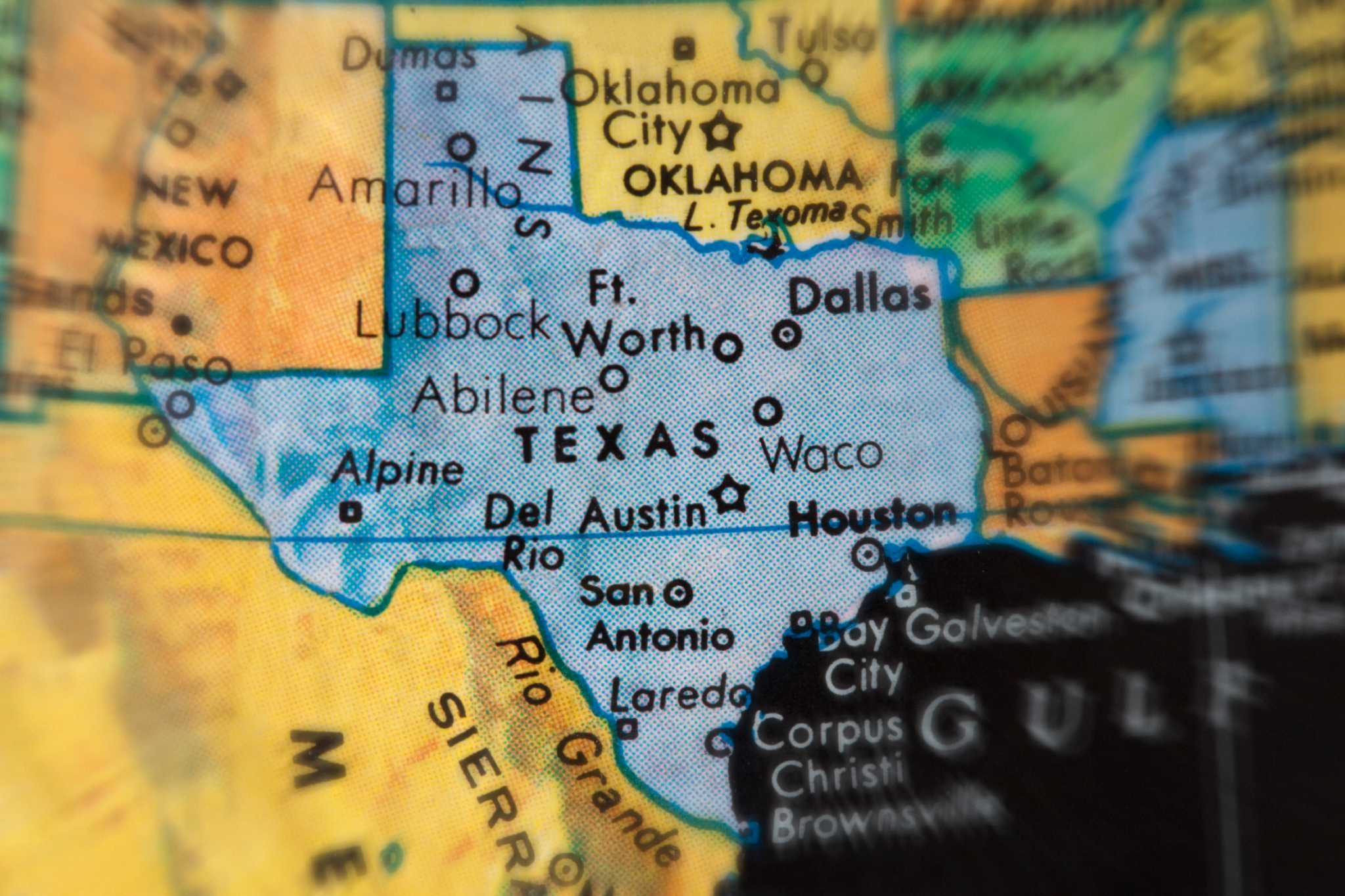
Houston, the largest city in [Texas] and the fourth largest in the [United States], is a global city of immense diversity and innovation. It’s home to the NASA Space Center Houston, a must-visit attraction for anyone fascinated by space exploration, where visitors can touch a moon rock and train like an astronaut. [Houston]’s Museum District offers a concentration of 19 museums, ranging from art and natural science to cultural and children’s museums, catering to a wide array of interests. The city’s culinary scene is equally diverse, reflecting its multicultural population, making it a paradise for foodies.
Natural Wonders and Outdoor Adventures
Beyond the urban sprawl, [Texas] unfolds into a landscape of breathtaking natural beauty, offering myriad opportunities for outdoor enthusiasts. In West [Texas], the majestic Big Bend National Park is a true wilderness gem. Spanning over 800,000 acres, it encompasses mountains, deserts, and the [Rio Grande] River, providing unparalleled opportunities for hiking, stargazing, and river trips. Its remote location ensures minimal light pollution, making it one of the best places in North America for astronomical observation – a truly unique experience for any traveler.
Nearby, Guadalupe Mountains National Park boasts the four highest peaks in [Texas], including Guadalupe Peak, the highest point in the state. Hikers are rewarded with stunning views and the chance to explore diverse ecosystems, from Chihuahuan Desert flora to lush riparian canyons. For those seeking coastal adventures, Padre Island National Seashore offers over 70 miles of undeveloped barrier island, providing a sanctuary for migratory birds and sea turtles. It’s an ideal destination for birdwatching, fishing, and peaceful beach strolls.
The Texas Hill Country, located just west of [Austin] and [San Antonio], is a picturesque region characterized by rolling hills, spring-fed rivers, and charming small towns like Fredericksburg and Luckenbach. It’s a popular destination for wine tasting, river tubing, and exploring historic dance halls. The Enchanted Rock State Natural Area, a massive pink granite dome, provides challenging hikes and incredible panoramic views. For a different kind of natural wonder, Palo Duro Canyon State Park in the [Texas] Panhandle, often called the “Grand Canyon of [Texas],” offers dramatic geological formations and numerous trails for hiking, biking, and horseback riding. These natural landmarks underscore the sheer scale and environmental diversity [Texas] offers, making it a perfect destination for various forms of tourism, from adventurous to tranquil.
Experiencing Texas: Accommodation, Cuisine, and Activities
When planning a trip to [Texas], the range of accommodation options, culinary experiences, and activities is as vast and varied as the state itself. Catering to every lifestyle and budget, [Texas] ensures that every visitor can find their perfect fit, embodying that spirit of “friends” and hospitality.
Where to Stay: From Historic Hotels to Modern Resorts
[Texas]’s accommodation scene is incredibly diverse. In cities like [San Antonio] and Galveston, you can find historic hotels that echo the state’s rich past, offering elegant suites and a glimpse into bygone eras. These properties often blend classic architecture with modern amenities, providing a unique stay experience. For those seeking luxury travel, [Houston], [Dallas], and [Austin] boast a plethora of high-end resorts and boutique hotels, featuring world-class spas, gourmet dining, and lavish pools. Whether it’s a Grand Hyatt Hotel or a unique independent property, quality accommodation is abundant.Budget travelers and families will also find ample options, from comfortable apartment rentals perfect for long-term stays to well-appointed chain hotels offering great value. For unique experiences, consider a stay in a charming B&B in the [Hill Country] or a rustic cabin near a state park. Many accommodations offer special amenities like pet-friendly policies, kids’ clubs, or business centers, making them suitable for various types of trips, be it a family vacation, a romantic escape, or a business stay. Websites for booking and comparison make it easy to find the ideal spot, complete with reviews to guide your choice.
Savoring the Lone Star State: A Culinary Journey
No visit to [Texas] is complete without diving into its legendary food scene. Texan cuisine is a delicious fusion of influences, primarily Mexican and Southern American, resulting in flavors that are bold, hearty, and utterly unforgettable. The most iconic culinary staple is undoubtedly [Texas] BBQ. From tender brisket smoked to perfection in Central [Texas] (think places like Franklin Barbecue in [Austin]) to savory ribs and sausage, BBQ joints across the state are often pilgrimage sites for foodies. Each region might have its own twist, but the dedication to slow-smoked meats is universal.
Then there’s Tex-Mex, a vibrant culinary tradition that transcends mere border food. Enchiladas, fajitas, tacos, and chili con queso are staples that have become deeply ingrained in the local culture. Beyond these two giants, [Texas] offers a surprisingly diverse gastronomic landscape. Fresh seafood abounds along the Gulf Coast in cities like [Galveston] and Corpus Christi. [Houston], with its vast international population, is a haven for global cuisine, boasting everything from Vietnamese pho to West African stews. The [Hill Country] wine region produces excellent wines, often paired with farm-to-table dining experiences. Exploring the food scene is an integral part of understanding the local culture and experiencing the true spirit of [Texas].

Beyond the Usual: Unique Texan Experiences
Beyond the well-trodden paths, [Texas] offers a wealth of unique activities and experiences that cater to a wide range of interests. For those interested in history, guided tours of battlefields and historic districts provide a deeper understanding of the state’s past. Music lovers can immerse themselves in live performances, from intimate honky-tonk bars to grand concert venues. The [Texas] Rodeo culture is also a must-see, offering thrilling displays of horsemanship and cowboy skills. Major cities host large rodeos, but smaller, local events provide an authentic glimpse into this cherished tradition.
Adventure seekers can go caving in the Natural Bridge Caverns near [San Antonio], go hot air ballooning over the [Hill Country], or explore the beaches and bays of South Padre Island. Art enthusiasts will find thriving art scenes in cities like Marfa, a small West [Texas] town famous for its minimalist art installations and mysterious Marfa Lights. Family trips can be enriched with visits to amusement parks, wildlife preserves, or hands-on science museums. Whether it’s birdwatching on High Island, exploring the German heritage in [Fredericksburg], or boating on Lake Texoma, [Texas] continually offers new and exciting opportunities for discovery and enjoyment, ensuring every visitor feels like a friend in the Lone Star State.
From its profound name rooted in friendship to its boundless landscapes and rich cultural tapestry, [Texas] is a destination that truly lives up to its grand reputation. It’s a place where history comes alive, cultures converge, and the spirit of hospitality welcomes all. Whether you are drawn by the allure of its vibrant cities, the serenity of its natural parks, or the warmth of its people, [Texas] promises an unforgettable journey, continually inviting you to explore its many facets and become a part of its ongoing story.
LifeOutOfTheBox is a participant in the Amazon Services LLC Associates Program, an affiliate advertising program designed to provide a means for sites to earn advertising fees by advertising and linking to Amazon.com. Amazon, the Amazon logo, AmazonSupply, and the AmazonSupply logo are trademarks of Amazon.com, Inc. or its affiliates. As an Amazon Associate we earn affiliate commissions from qualifying purchases.