
When planning a trip, considering a relocation, or simply exploring the economic landscape of various destinations, understanding the local financial environment is key to a holistic perspective. For travelers and those interested in the lifestyle and economy of the United States, the state of Alabama presents a unique case regarding minimum wage. Unlike many other states that have enacted their own specific wage laws, Alabama stands out for not having a state-mandated minimum wage. This distinction carries significant implications for its workforce, businesses—especially those in the vibrant tourism and hospitality sectors—and the overall cost of living and quality of life across its diverse regions, from the bustling cities of Birmingham and Huntsville to the serene beaches of Gulf Shores and Orange Beach.
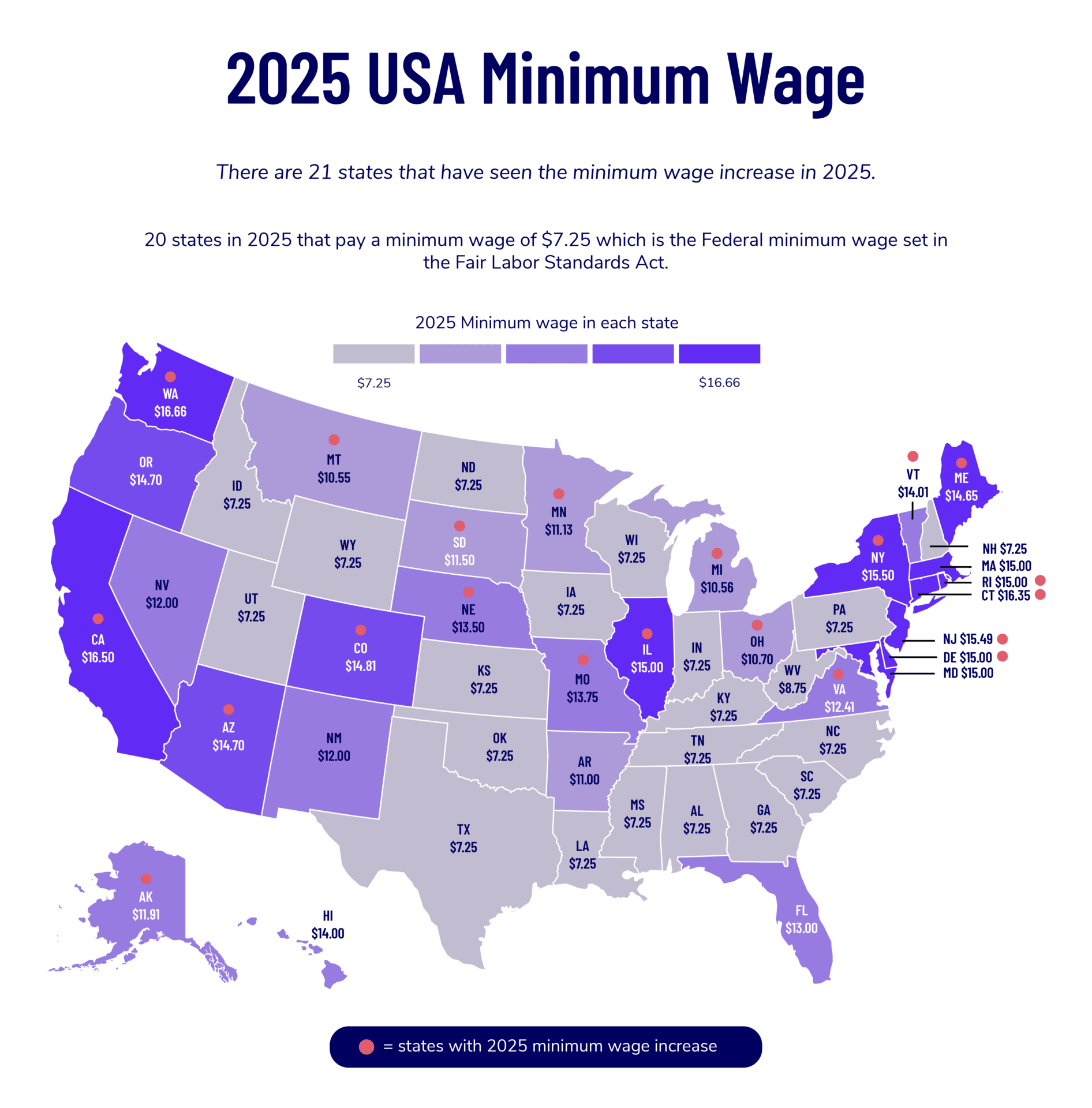
This article delves into the specifics of Alabama’s minimum wage policy, exploring its historical context, current economic impact, and how it shapes the travel and lifestyle experience within the state. We’ll examine how this policy interacts with federal guidelines, compare it to other states, and discuss its practical effects on the service industry, accommodation options, and the general economic well-being of residents and visitors alike.
The Unique Landscape of Alabama’s Wage Policy
To understand the current state of minimum wage in Alabama, one must first grasp its foundational principle: the absence of a distinct state minimum wage law. This policy choice has deep roots and significant ramifications, particularly for an economy increasingly reliant on tourism, hospitality, and service industries.
A Historical Overview: The Absence of a State Minimum Wage
For decades, Alabama has opted not to establish a state-specific minimum wage. This means that, by default, the federal minimum wage set by the United States Congress applies to most workers in the state. This approach is a reflection of a broader political and economic philosophy that generally favors less state intervention in market dynamics, aiming to allow businesses greater flexibility in setting wages based on local economic conditions and industry standards.
The state’s stance was further solidified in 2016 when the Alabama Legislature passed a law specifically prohibiting cities and counties from establishing their own minimum wages. This preemption law came in response to efforts by cities like Birmingham to enact local ordinances that would have raised the minimum wage for workers within their municipal limits. The state’s action effectively centralized wage policy at the federal level, ensuring a uniform baseline across all of Alabama’s diverse regions, from the capital city of Montgomery to the port city of Mobile.
This historical context is crucial for anyone considering employment, business operations, or even an extended stay in Alabama. It means that the federal floor is the standard, without additional state or local mandates that might otherwise influence earnings for workers in hotels, restaurants, retail shops, and other service-oriented businesses that cater to both locals and the growing number of tourists.
The Impact of Federal Guidelines: A Baseline for Alabama Workers
Given the absence of a state minimum wage, the federal minimum wage dictates the lowest hourly rate an employer can legally pay most workers in Alabama. As of the last federal adjustment, this rate stands at $7.25 per hour. This figure has remained unchanged since July 24, 2009.
The Fair Labor Standards Act (FLSA) is the federal law that establishes minimum wage, overtime pay, recordkeeping, and child labor standards affecting full-time and part-time workers in the private sector and in federal, state, and local governments. While certain exceptions exist for tipped employees, students, and individuals with disabilities, the vast majority of workers in Alabama are covered by this federal standard. For tipped employees, the federal minimum cash wage is $2.13 per hour, provided that their tips bring their total earnings up to at least the $7.25 federal minimum wage. If the tips do not cover the difference, the employer must make up the shortfall.
This adherence to the federal minimum wage has significant implications for Alabama’s economy, particularly its thriving tourism and hospitality industries. Hotels, resorts like The Grand Hotel Golf Resort & Spa in Point Clear, restaurants serving local delicacies, and attractions such as the Space and Rocket Center in Huntsville or the USS Alabama Battleship Memorial Park in Mobile all operate under this federal wage floor. The cost of labor, therefore, is primarily influenced by this baseline, potentially impacting pricing for services and the overall visitor experience.
Navigating the Economic Realities: Minimum Wage and the Alabama Lifestyle
The statutory minimum wage is one thing, but its practical impact on daily life and economic viability is another. For both residents and visitors, understanding how wages translate into purchasing power is crucial to appreciating the Alabama lifestyle.
Cost of Living in Alabama: What Your Dollar Buys
One of the often-cited arguments for Alabama’s adherence to the federal minimum wage is its generally lower cost of living compared to the national average. Housing, in particular, tends to be more affordable, which can somewhat cushion the impact of a lower wage. For instance, while a worker earning $7.25 an hour would struggle in high-cost areas like New York or California, their earnings might stretch a bit further in cities like Tuscaloosa or Dothan.
However, even with a lower cost of living, the federal minimum wage still presents significant challenges for individuals and families. Essential expenses such as food, transportation, healthcare, and utilities can quickly consume a minimum wage earner’s income, leaving little for discretionary spending, savings, or leisure activities—the very things that define a comfortable lifestyle. This can be a critical factor for those considering long-term stays or relocation to Alabama, particularly if their employment opportunities fall within these wage brackets.
From a tourism perspective, this economic reality can indirectly influence the experiences visitors have. A workforce struggling with financial pressures might impact the quality of service, although Alabama is renowned for its Southern hospitality. Conversely, the lower labor costs might allow businesses to offer competitive pricing on accommodation, dining, and attractions, making the state an attractive budget travel destination.
Wage Dynamics in Key Industries: Tourism, Hospitality, and Beyond
The tourism and hospitality sectors are cornerstones of Alabama’s economy, generating substantial revenue and employment opportunities. From staff at luxury hotels like the Renaissance Birmingham Ross Bridge Golf Resort & Spa to servers at beachfront restaurants in Gulf Shores, many workers in these industries are directly affected by the minimum wage.
In these sectors, wages often include tips, especially for roles like servers, bartenders, and hotel bellhops. The federal tipped minimum wage of $2.13 per hour, combined with tips, is expected to bring an employee’s total earnings up to or exceeding the $7.25 federal minimum. For many, tips are essential for a livable income. This dynamic means that visitors to Alabama’s attractions, restaurants, and hotels play an indirect but significant role in the earnings of service staff through their tipping practices.
Beyond hospitality, other industries like retail, agriculture, and certain manufacturing jobs also pay wages close to the federal minimum. This pervasive wage structure across various sectors means that the economic health of a significant portion of Alabama’s workforce is tied directly to the federal standard. Understanding this helps paint a picture of the socio-economic backdrop against which travel and tourism experiences unfold, offering a more nuanced view for those exploring the state’s culture and communities.

Exploring the Broader Context: Minimum Wage Across the United States
Alabama’s approach to minimum wage is not isolated but part of a larger, more varied national discussion. Comparing its policy to other states provides valuable perspective on its economic choices and their potential implications for lifestyle and tourism.
State-Level Variations: A Patchwork of Wage Laws
The United States presents a complex tapestry of minimum wage laws. While the federal minimum wage of $7.25 acts as a baseline, a majority of states and numerous cities have enacted their own higher minimum wages. For example, states like California and Washington have minimum wages well over $15 per hour, reflecting different economic conditions, cost-of-living standards, and political priorities. Even neighboring states like Florida and Georgia have their own state-mandated minimums, albeit at varying rates, with Florida having a path to $15 per hour by 2026. Mississippi and Tennessee are other states that, like Alabama, adhere to the federal minimum wage.
This patchwork system means that a short drive across state lines can dramatically change the minimum earning potential for workers. For instance, a hotel worker in Mobile, Alabama, earning the federal minimum would find themselves with significantly higher earning potential just across the border in parts of Florida. This disparity can influence labor migration, business investment, and the overall economic competitiveness of states. For travelers, it contributes to varying price points for services and goods, which can be part of the adventure of exploring different regions of the country.
The “Living Wage” Debate: Beyond the Minimum
The concept of a “living wage” frequently emerges in discussions about minimum wage. A living wage is generally defined as the minimum income necessary for an individual or family to meet their basic needs and maintain a decent standard of living, covering essentials like housing, food, childcare, healthcare, and transportation. Crucially, a living wage is typically higher than the minimum wage, especially in many parts of the United States.
In Alabama, while the cost of living is lower than the national average, calculations by various organizations often suggest that a living wage for a single adult without dependents is still significantly higher than the federal minimum wage of $7.25 per hour. For instance, studies might indicate a living wage closer to $15-$17 per hour for a single adult in Alabama to cover basic necessities adequately. This gap highlights the financial challenges faced by minimum wage earners in the state and fuels ongoing debates about the adequacy of current wage policies.
For a website focused on lifestyle and travel, understanding this “living wage” context is vital. It underscores the economic realities shaping the lives of the people who make Alabama a vibrant place to visit, from the staff at the charming bed and breakfasts in Wetumpka to the tour guides at historical sites like the Birmingham Civil Rights Institute. Their economic well-being is intrinsically linked to the broader appeal and sustainability of Alabama as a destination.
Implications for Travelers, Residents, and Businesses in Alabama
The minimum wage policy in Alabama isn’t just an abstract economic statistic; it has tangible impacts on how people live, work, and experience the state. These implications are particularly relevant for a lifestyle and travel audience, shedding light on the intricate relationship between economics and daily life.
Understanding the Local Economy: Tips for Visitors and Potential Relocators
For travelers and those considering a move to Alabama, grasping the local economic context is invaluable. The lower minimum wage, combined with a generally lower cost of living, means that many services might be priced more affordably than in states with higher wages. This can make Alabama an attractive destination for budget-conscious travelers, offering accessible options for accommodation, dining, and entertainment across popular destinations like Auburn, Montgomery, or the scenic routes of the Robert Trent Jones Golf Trail.
However, it also means that tipping becomes an even more critical component of income for many service workers. Visitors accustomed to states with higher base wages might unknowingly undervalue the importance of tips to the livelihood of hotel staff, restaurant servers, and tour guides. Being mindful of generous tipping practices can significantly contribute to the well-being of the local workforce and enhance the overall service experience.
For potential relocators, especially those in service industries, it’s crucial to research average wages for their specific professions in Alabama’s various cities and regions. While the cost of housing might be lower, the take-home pay might also be less, requiring careful budgeting and financial planning. Understanding these nuances can help individuals make informed decisions about their lifestyle expectations in the Yellowhammer State.
Supporting Local: The Connection Between Wages and Tourism Experiences
The health of Alabama’s tourism sector is intimately linked to the economic conditions of its residents. When local workers are able to earn a living wage, it contributes to a more stable community, fostering local businesses, improving infrastructure, and enriching the cultural fabric that draws tourists in the first place.
Supporting local businesses, from boutique hotels like The Battle House Renaissance Mobile Hotel & Spa to independent eateries showcasing Alabama’s unique culinary scene, directly impacts the local economy. When these businesses thrive, they are better positioned to offer competitive wages, invest in employee training, and provide exceptional services that enhance the visitor experience.
Travelers seeking authentic cultural experiences—whether exploring the civil rights history in Selma and Montgomery, enjoying the natural beauty of Cheaha State Park, or delving into the vibrant arts scene in Birmingham at places like Vulcan Park and Museum—are ultimately interacting with the local community. A strong, stable local economy, supported by fair wages, empowers these communities to preserve their heritage, innovate their offerings, and provide truly memorable experiences for visitors.

Future Outlook and Ongoing Discussions
The discussion around minimum wage in Alabama is far from settled. While the state has historically resisted implementing its own minimum wage, and indeed preempted local efforts, the national dialogue continues to evolve.
At the federal level, debates over raising the national minimum wage persist, with various proposals to increase it to $15 per hour or more over time. Any federal increase would directly impact Alabama workers, automatically raising the wage floor across the state without requiring state legislative action. Such a change would significantly alter the economic landscape, affecting everything from consumer spending patterns to the operational costs for businesses, particularly in the tourism and hospitality sectors that rely on entry-level positions.
Within Alabama, there are periodic calls from labor advocates and some political factions to reconsider the state’s stance or at least to repeal the preemption law that prevents local municipalities from setting their own wages. Proponents argue that higher wages could stimulate local economies, reduce poverty, and improve the quality of life for a significant portion of the workforce. Opponents often cite concerns about potential job losses, increased business costs, and inflationary pressures.
The future of Alabama’s minimum wage policy will undoubtedly remain a dynamic and influential factor in its economic development. For those who visit, reside, or do business in this diverse state, staying informed about these ongoing discussions is key to understanding the evolving lifestyle and travel landscape. From the tranquil shores of Dauphin Island and historic Fort Morgan at the mouth of Mobile Bay, to the lush Bellingrath Gardens and Home, the lively Flora-Bama on the border of Gulf State Park, to the historical significance of the Tuskegee Airmen National Historic Site, the Rosa Parks Museum, and the iconic Edmund Pettus Bridge, Alabama offers a rich tapestry of experiences. The economic realities shaped by its unique minimum wage policy are an integral part of this vibrant Southern charm.
LifeOutOfTheBox is a participant in the Amazon Services LLC Associates Program, an affiliate advertising program designed to provide a means for sites to earn advertising fees by advertising and linking to Amazon.com. Amazon, the Amazon logo, AmazonSupply, and the AmazonSupply logo are trademarks of Amazon.com, Inc. or its affiliates. As an Amazon Associate we earn affiliate commissions from qualifying purchases.