
The quest to identify the capital of Alabama leads travelers and history buffs alike to the vibrant city of Montgomery. Nestled in the heart of the state, Montgomery stands as a profound testament to both the deeply rooted history of the Southern United States and its pivotal role in shaping the modern nation. It is a city where every street corner and historic building tells a story, making it far more than just a seat of government; it is a living museum, a cultural hub, and a destination rich with experiences for every type of visitor. From its origins as a significant center during the Confederacy to its indelible mark on the Civil Rights Movement, Montgomery offers an unparalleled journey through the fabric of American history.

For those planning a trip, understanding the multifaceted appeal of Montgomery is key. The city seamlessly blends its historical gravitas with contemporary attractions, offering a diverse range of activities that cater to interests from historical exploration and cultural immersion to outdoor adventures and culinary delights. Whether you’re drawn by the echoes of transformative social change, the grandeur of its architectural landmarks, or the warmth of Southern hospitality, Montgomery promises an enriching and memorable experience. This guide will delve into what makes Montgomery a compelling travel destination, exploring its significant landmarks, diverse accommodation options, vibrant food scene, and the unique lifestyle it offers to both residents and visitors.
Discovering Montgomery: A City Steeped in History and Culture
Montgomery’s narrative is intricately woven into the broader tapestry of American history, defined by two profoundly impactful periods: the era of the Confederate States of America and the dawn of the Civil Rights Movement. These dual legacies give the city a unique resonance, offering visitors a chance to explore contrasting yet equally significant chapters of the nation’s past.
A Legacy of Civil Rights and Southern Heritage
The city’s role in the Civil Rights Movement is perhaps its most powerful draw. Montgomery was the starting point for the Montgomery Bus Boycott, ignited by Rosa Parks’ courageous stand in 1955, and it was here that Martin Luther King Jr. rose to prominence as a leader. The city’s streets witnessed the conclusion of the Selma to Montgomery marches, a pivotal event that led to the Voting Rights Act of 1965.
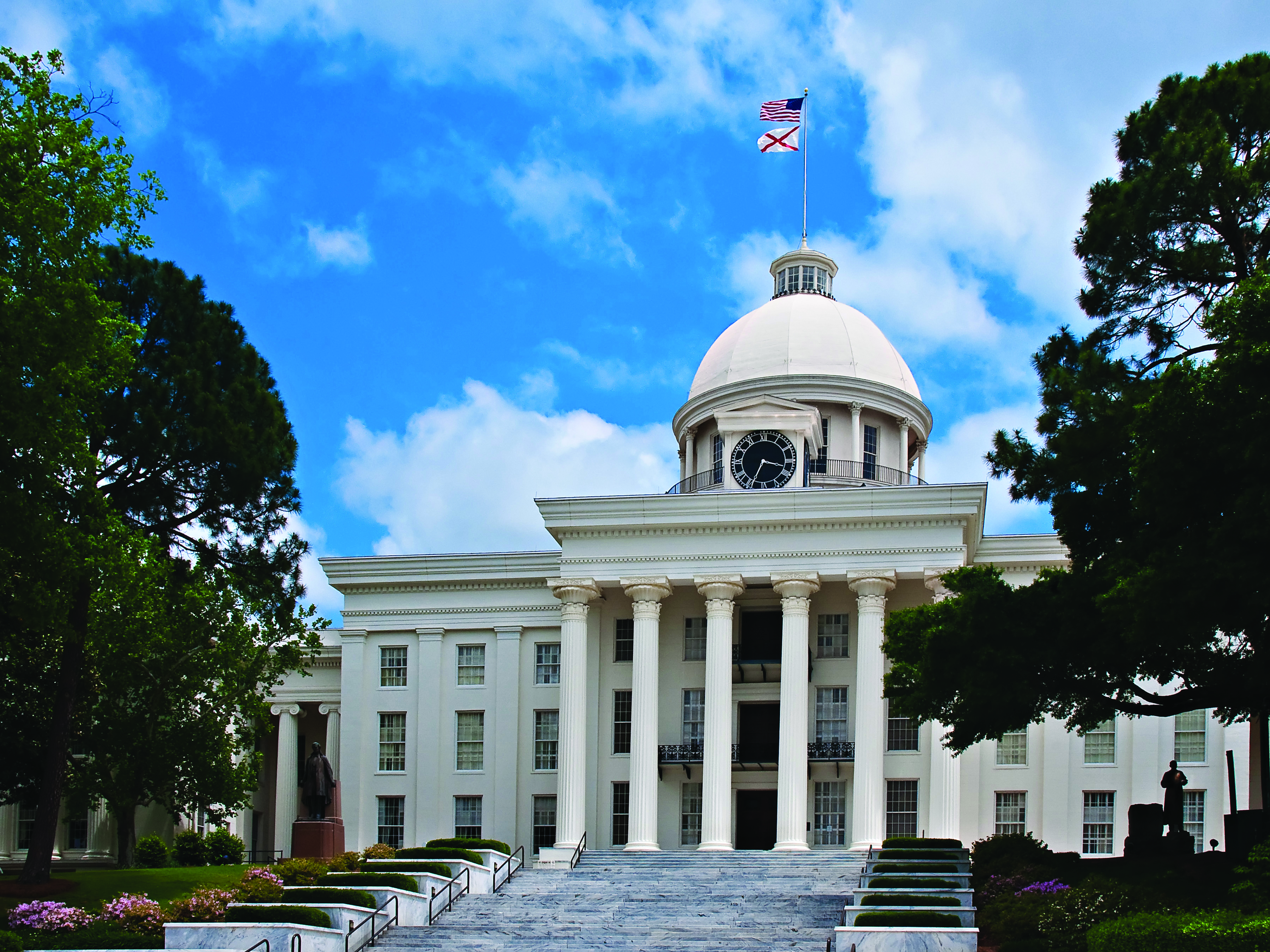
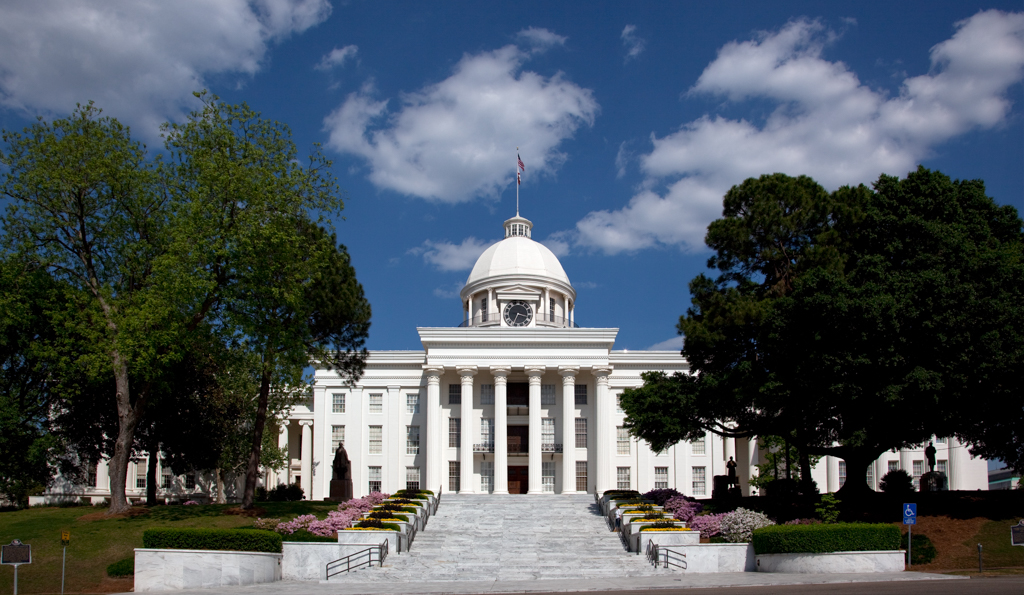
To truly grasp this history, visitors must walk through these hallowed grounds. The Dexter Avenue King Memorial Baptist Church, where Martin Luther King Jr. served as pastor, offers tours that recount his sermons and the strategies of the boycott. Just steps away, the Alabama State Capitol, a magnificent architectural landmark, stands where the Selma to Montgomery March culminated. Ironically, it was also at this capitol that the Confederate States of America was formed and its flag first raised.
The Rosa Parks Museum, located at Troy University’s Montgomery campus, vividly recreates the scene of Rosa Parks’ arrest and delves into the broader context of the bus boycott through interactive exhibits. The Freedom Rides Museum, housed in the historic Greyhound Bus Terminal where civil rights activists were attacked in 1961, tells another crucial story of the movement with powerful displays and artifacts.
Beyond these individual sites, the Legacy Museum and the National Memorial for Peace and Justice, spearheaded by the Equal Justice Initiative, offer a profound and moving exploration of America’s history of racial inequality, from slavery and lynching to mass incarceration. These contemporary landmarks provide a vital, often difficult, but ultimately essential educational experience, drawing visitors from across the United States and beyond.
On the other end of the historical spectrum, the First White House of the Confederacy, the executive residence of President Jefferson Davis and his family during the early days of the Confederacy, stands near the Alabama State Capitol. It offers a glimpse into the domestic life of the era, complementing the narrative of the city’s complex past.
Must-Visit Attractions and Landmarks
Beyond its civil rights and Confederate history, Montgomery boasts a variety of attractions that appeal to a wide range of interests. The city’s cultural scene thrives with museums and performing arts venues.
The Montgomery Museum of Fine Arts, located in the scenic Wynton M. Blount Cultural Park, houses an impressive collection of American art, including paintings, sculptures, and decorative arts, alongside European prints and masterworks. The park itself is a beautiful green space, perfect for a leisurely stroll or picnic. Within the same park, the Alabama Shakespeare Festival presents world-class theatrical productions, from classic Shakespeare to contemporary plays and musicals, making Montgomery a significant cultural destination in the South.
For family-friendly entertainment, the Montgomery Zoo and the adjacent Mann Wildlife Learning Museum are popular choices. The zoo features animals from five continents in naturalistic habitats, while the museum offers engaging exhibits on wildlife and conservation. Sports enthusiasts can catch a minor league baseball game at Riverwalk Stadium, home to the Montgomery Biscuits, offering a lively atmosphere and classic ballpark fare. The stadium is part of the revitalization of Downtown Montgomery’s Riverfront Park, which also offers scenic views of the Alabama River and opportunities for outdoor recreation. Visitors can even take a scenic cruise on the Harriott II Riverboat for a unique perspective of the city skyline.
Music lovers might also appreciate the Hank Williams Museum, a tribute to the legendary country music icon who spent a significant portion of his life in Montgomery, showcasing memorabilia and telling his fascinating story. Meanwhile, the F. Scott and Zelda Fitzgerald Museum celebrates the literary couple who lived in Montgomery during the 1930s.
Planning Your Visit: Accommodation, Dining, and Experiences
A visit to Montgomery requires careful planning to maximize the experience, ensuring comfortable accommodation and a taste of the local culinary scene. The city is well-equipped to host travelers, offering a spectrum of choices to fit various preferences and budgets.
Where to Stay: Hotels and Accommodation Options
As a state capital and a burgeoning tourist destination, Montgomery provides a robust selection of accommodations, ranging from luxurious full-service hotels to cozy boutique inns and convenient extended-stay options.
For those seeking a premium experience, the Renaissance Montgomery Hotel & Spa at the Convention Center stands out. Located in the heart of Downtown Montgomery, it offers opulent suites, a world-class spa, fine dining, and direct access to the convention center, making it ideal for both business and leisure travelers looking for luxury travel amenities. Its proximity to many historical sites is an added bonus.
Mid-range and family-friendly options are plentiful. Brands like Embassy Suites by Hilton Montgomery, Drury Inn & Suites Montgomery, and Courtyard by Marriott Montgomery offer comfortable rooms, complimentary breakfasts, and amenities such as swimming pools and fitness centers, catering well to family trips and those on a moderate budget. These options are often found both in the revitalized downtown area and in convenient locations near major highways and shopping districts like EastChase.
For travelers preferring a more intimate or unique stay, Montgomery also has a growing number of boutique hotels and charming bed-and-breakfasts. These often provide a more personalized experience, allowing guests to immerse themselves further in the local culture and architecture. Additionally, for longer stays or those desiring more space and flexibility, apartment-style accommodations and vacation rentals booked through platforms like Airbnb are becoming increasingly popular, offering a home-away-from-home feel. When considering booking, it’s advisable to compare reviews and locations, keeping in mind proximity to desired attractions and specific travel needs, whether it’s for a business stay or a leisurely exploration.
Savoring Southern Flavors: Culinary Delights in Montgomery
No visit to the South is complete without indulging in its distinctive cuisine, and Montgomery certainly delivers on this front. The city’s food scene is a delightful blend of traditional Southern comfort food, innovative farm-to-table restaurants, and international flavors, reflecting its diverse community.
You’ll find classic Southern United States dishes everywhere, from rich barbecue and crispy fried chicken to hearty soul food and fresh seafood. Local eateries pride themselves on using fresh, regional ingredients. For a taste of the authentic, seek out establishments known for their collard greens, mac and cheese, cornbread, and sweet potato pie.
Among Montgomery’s standout dining experiences, Capitol Oyster Bar offers a beloved casual atmosphere with fresh seafood overlooking the Alabama River. For a more upscale dining experience, Central Restaurant and Vintage Year are highly regarded for their contemporary American cuisine with a Southern twist, creative cocktails, and elegant settings, perfect for a special evening. City Grill is another fine option that delivers classic American fare with a polished touch.
For a true taste of local history and flavor, a stop at Chris’ Hotdogs is a must. Operating since 1917, it’s one of the oldest restaurants in Montgomery and a local institution, famous for its chili dogs and vintage charm. Beyond these specific recommendations, explore the various neighborhoods to discover charming cafes, lively pubs, and diverse international restaurants. Farmers’ markets also provide an excellent opportunity to sample local produce and artisanal goods, offering a true taste of Alabama.
Beyond the City Limits: Exploring Alabama’s Heart
While Montgomery offers an abundance of attractions, its central location also makes it an ideal base for exploring wider Alabama. The state is rich in diverse landscapes, historical sites, and recreational opportunities, many of which are within a comfortable driving distance.
Day Trips and Nearby Attractions
A short drive east of Montgomery brings you to Tuskegee, a town steeped in African American history. Here, you can visit the Tuskegee Airmen National Historic Site, honoring the groundbreaking African American pilots of World War II, and explore the campus of Tuskegee University, founded by Booker T. Washington.
Further afield, but still within a reasonable day trip, are the larger cities of Birmingham to the north and Mobile to the south. Birmingham is another crucial site for Civil Rights Movement history, home to the Birmingham Civil Rights Institute and the 16th Street Baptist Church. Mobile, Alabama’s oldest city, offers a vibrant French-colonial heritage, beautiful historic districts, and access to the tranquil waters of Mobile Bay, a gateway to the Gulf Coast.
For those interested in collegiate culture and sports, the city of Auburn, home to Auburn University, is a pleasant drive away. It offers a lively college town atmosphere, beautiful campus grounds, and opportunities to catch an SEC sporting event. Additionally, Montgomery is home to Maxwell Air Force Base, a significant military installation that also houses the Air University and the Maxwell AFB Gunter Annex, making it a point of interest for those with military connections or an interest in aviation history.
Lifestyle and Travel Tips for Montgomery
Navigating Montgomery is generally straightforward. The city center is walkable, especially around the major historical sites, but a car is recommended for exploring further afield or for convenience. Public transportation options are available but limited compared to larger metropolitan areas.
The best time to visit Montgomery is during the spring (March to May) or fall (September to November), when the weather is mild and pleasant for outdoor activities and sightseeing. Summers can be hot and humid, while winters are generally mild.
Budget Travel: Montgomery offers various ways to enjoy the city on a budget. Many historical sites offer free admission or charge a nominal fee. Opting for mid-range hotels, utilizing free parking (where available), and enjoying local barbecue joints or casual diners can significantly cut down costs.
Family Trips: With attractions like the Montgomery Zoo, Riverwalk Stadium, and interactive museums, Montgomery is well-suited for family trips. Many hotels offer amenities like pools and suites that cater to families.
Business Stays: For business travelers, Montgomery’s convention center and proximity to government offices and Maxwell Air Force Base make it a functional destination. Upscale hotels like the Renaissance Montgomery Hotel & Spa at the Convention Center provide all necessary amenities, including meeting spaces and business centers.
Local Culture & Experiences: Don’t miss opportunities to engage with local events, festivals, or even a Sunday service at a historic church like the First Baptist Church for a deeper cultural immersion. Check the city’s events calendar for live music, art exhibits, or performances by the Alabama Shakespeare Festival.
In conclusion, Montgomery, the capital of Alabama, is a city that powerfully tells the story of the United States. It’s a place where history resonates profoundly, inspiring contemplation and appreciation for the struggles and triumphs that have shaped a nation. Beyond its historical significance, Montgomery offers a delightful array of cultural attractions, diverse dining, comfortable accommodations, and the warm, welcoming spirit characteristic of the American South. Whether you’re seeking a deep dive into history, a cultural escape, or simply a charming Southern getaway, Montgomery is a destination that truly delivers.
LifeOutOfTheBox is a participant in the Amazon Services LLC Associates Program, an affiliate advertising program designed to provide a means for sites to earn advertising fees by advertising and linking to Amazon.com. Amazon, the Amazon logo, AmazonSupply, and the AmazonSupply logo are trademarks of Amazon.com, Inc. or its affiliates. As an Amazon Associate we earn affiliate commissions from qualifying purchases.