
For avid hunters and outdoor enthusiasts, the question, “When does hunting season end in Alabama?” is more than just a query about dates; it’s a foundational element of planning, preparation, and anticipation. Alabama, with its diverse landscapes ranging from the coastal plains of the Gulf Coast to the rolling hills of the Appalachian Foothills, offers a rich tapestry of hunting opportunities that draw visitors from across the nation. This isn’t just about bagging a trophy; it’s about experiencing the local culture, enjoying the state’s natural beauty, and making memories that last a lifetime. For those considering a trip, whether it’s a dedicated hunting excursion or a family vacation that includes a few days in the field, understanding the intricate calendar of Alabama’s hunting seasons is paramount.
Our website, Life Out of the Box, caters to travelers seeking unique experiences, comfortable accommodations, and insightful guides to local tourism. Hunting in Alabama perfectly aligns with these themes, offering an authentic lifestyle experience deeply rooted in the state’s heritage. From luxurious hunting lodges to cozy cabins, and from exploring vibrant cities like Birmingham or Mobile to immersing oneself in the tranquility of state parks, a hunting trip to Alabama can be as multifaceted as the individual hunter desires. This comprehensive guide will not only delineate the typical end dates for various game seasons but also provide a holistic view of how to plan your visit, where to stay, and what other adventures await in the Heart of Dixie.
Understanding Alabama’s Diverse Hunting Seasons
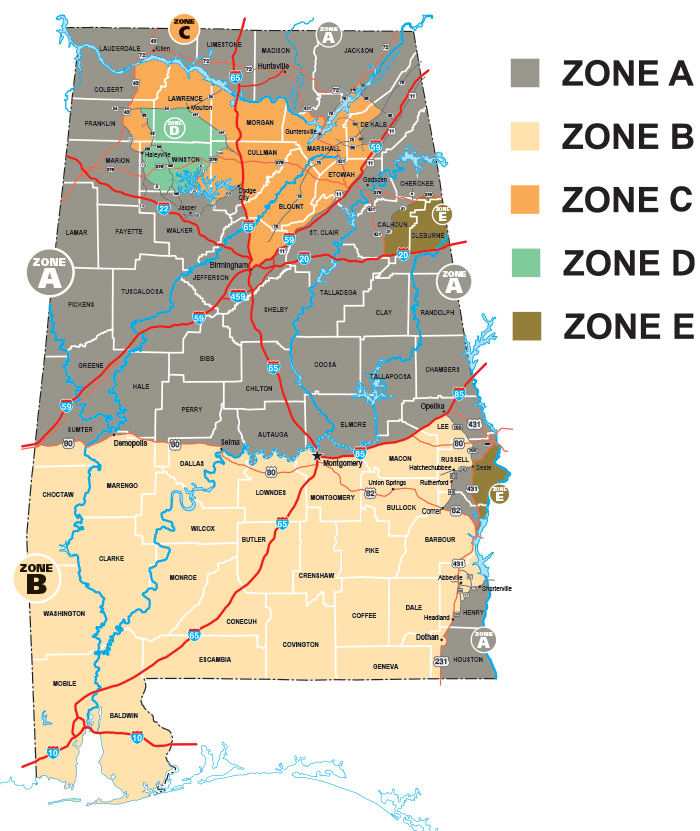
Alabama boasts a remarkably long and diverse hunting calendar, thanks to its varied ecosystems and abundant wildlife populations. However, exact dates can fluctuate slightly year to year based on wildlife management decisions made by the Alabama Department of Conservation and Natural Resources (ADCNR). Therefore, always cross-reference official ADCNR publications for the most current information before planning your trip. Generally, seasons are structured to ensure sustainable populations while providing ample opportunities for hunters.
Whitetail Deer: The Heartbeat of Alabama Hunting
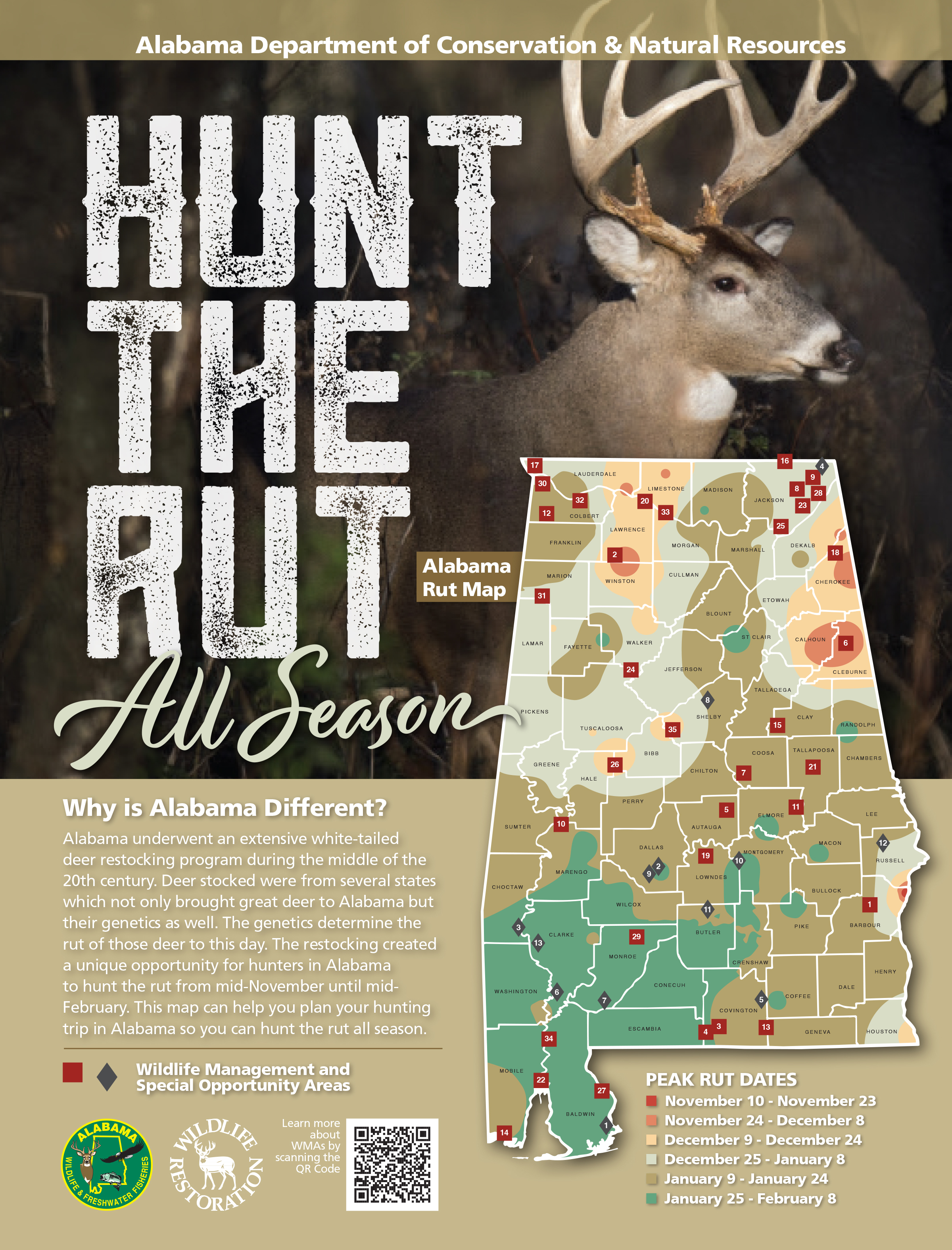
The whitetail deer season is arguably the most anticipated and celebrated hunting period in Alabama. It typically commences in October for archery, extends through November with the introduction of muzzleloader season, and then opens fully for gun hunting. The climax of the season, and often the most productive time, falls between late November and January. For most of the state, especially the prime hunting grounds in the Black Belt region, the whitetail deer season typically concludes in early to mid-February. Some zones may have slightly extended opportunities or specific regulations regarding antlered vs. unantlered deer, but February generally marks the end of the traditional deer hunting window.
Planning a trip around deer season means considering the peak rut periods, which can vary by geographical zone within Alabama. For hunters seeking a trophy buck, understanding these nuances is crucial. Lodging options range from sprawling hunting plantations offering guided hunts and all-inclusive packages to more modest cabin rentals or hotel stays in nearby towns like Selma or Montgomery, serving as convenient bases for independent hunters.
Turkey Hunting: A Springtime Tradition
As the deer season winds down, the focus shifts to the majestic wild turkey, signaling the advent of spring. Alabama’s spring turkey season is a cherished tradition, drawing hunters who appreciate the challenge and thrill of calling in a gobbler. The spring turkey season typically kicks off in mid-March and runs through late April or early May. This provides approximately six to eight weeks of prime hunting. While fall turkey seasons exist in some areas, the spring hunt is by far the most popular, coinciding with the birds’ breeding season.
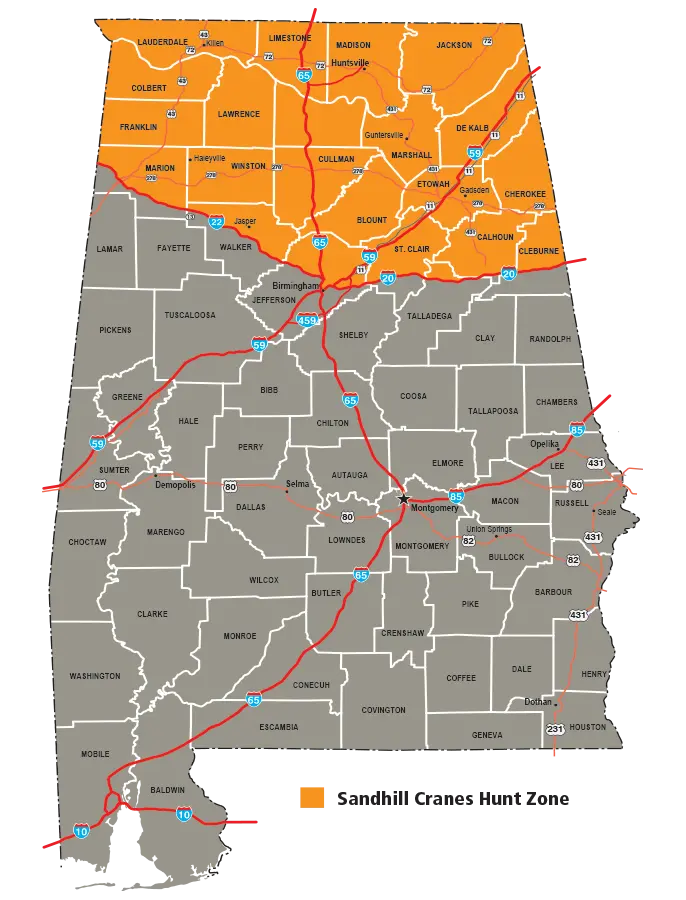
Spring turkey hunting offers a different kind of travel experience. The milder weather makes camping a more viable option, though many hunters still prefer the comfort of local hotels or bed and breakfasts. Regions like the Bankhead National Forest or specific wildlife management areas (WMAs) become popular destinations. Beyond the hunt, the vibrant spring flora and fauna provide an excellent backdrop for nature photography, hiking, or simply enjoying the tranquil beauty of the Alabama countryside.
Waterfowl and Upland Game: Beyond the Big Game
Alabama’s diverse ecosystems support a variety of waterfowl and upland game birds, offering exciting alternatives to deer and turkey.
- Waterfowl (Ducks and Geese): Alabama is part of the Mississippi Flyway, making it a significant destination for migratory birds. Waterfowl seasons are often split into multiple segments to accommodate different migration patterns, but generally, they commence in late November and can extend through late January or early February. Prime locations include the vast Mobile-Tensaw Delta and the various rivers and wetlands across the state. Hunting lodges specializing in waterfowl are common here, often providing airboat access and blinds.
- Upland Game (Quail, Rabbit, Squirrel): These species offer fantastic opportunities for both seasoned hunters and those new to the sport, often requiring less intense planning than big game hunts.
- Quail: Known for its challenging, fast-paced action, quail season generally runs from early November through late February or early March. Private hunting preserves offer guided quail hunts with dogs, providing a classic Southern sporting experience.
- Rabbit: A popular choice for small game hunters, rabbit season usually starts in early September and can extend into early March. It’s a fantastic option for family outings.
- Squirrel: With both fall and spring seasons, squirrel hunting is accessible for much of the year. The primary season typically runs from early September through early March, with some areas having a brief spring season in May or June.
These hunts often combine well with other tourism activities, especially in areas like the Appalachian Foothills near Huntsville or the beautiful areas surrounding Tuscaloosa, where outdoor activities abound.
Furbearers and Small Game: Year-Round Opportunities
Beyond the traditional game species, Alabama offers opportunities for furbearer hunting and trapping, as well as year-round small game options.
- Furbearers (Coyote, Fox, Bobcat, Raccoon, Opossum): Seasons for many furbearers, particularly coyote, are often year-round, or have very long seasons extending through late winter/early spring. This provides consistent opportunities for those interested in predator control or hide harvesting.
- Hogs: Wild hogs are an invasive species in Alabama and can be hunted year-round with no bag limit on private land, and specific regulations on public lands. This offers a thrilling hunting experience at virtually any time of year, making it an excellent addition to any travel itinerary.
These options add flexibility for travelers, allowing them to integrate a hunting component into a trip regardless of the primary season for deer or turkey.
Planning Your Alabama Hunting Trip: More Than Just the Hunt
A hunting trip to Alabama is an immersive experience that extends far beyond the time spent in a stand or blind. It’s about careful planning, choosing the right locale, finding suitable accommodation, and embracing the rich local culture.
Choosing the Right Accommodation: From Rustic Cabins to Luxury Lodges
Alabama’s accommodation scene caters to every type of hunter and traveler:
- Hunting Lodges and Plantations: For an all-inclusive, luxury hunting experience, consider one of Alabama’s renowned hunting lodges, particularly prevalent in the Black Belt region. These establishments often provide guides, meals, lodging, and even game processing services. Examples might be a high-end Southern Quail Hunt resort or a Black Belt Deer Lodge. Booking well in advance is essential, especially for peak deer season.
- Cabins and Vacation Rentals: For a more independent or budget-friendly trip, renting a cabin or vacation home near a WMA or private hunting land is an excellent choice. Platforms like Airbnb or VRBO offer numerous options, often complete with kitchens for self-catering, ample space for gear, and proximity to nature. This is ideal for family trips or groups of friends.
- Hotels and Resorts: Major cities like Birmingham, Montgomery, Mobile, or even smaller towns close to hunting areas, offer a range of hotels from budget-friendly chains to upscale resorts. These provide convenient access to amenities, restaurants, and other attractions, allowing hunters to combine their outdoor pursuits with urban comforts. For example, staying at a Downtown Mobile Hotel might combine waterfowl hunting in the delta with exploring the city’s historic charm.
- State Park Accommodations: Alabama State Parks, such as Gulf State Park (though typically not for hunting directly, it showcases the state’s natural beauty) or Oak Mountain State Park (which has some hunting opportunities in surrounding areas), offer cabins, campgrounds, and sometimes even hotels, providing a rustic yet comfortable base, often at a great value.
When comparing accommodation, consider factors like proximity to your hunting grounds, amenities (e.g., dog kennels, game cleaning stations), reviews from fellow hunters, and whether it aligns with your lifestyle (luxury, budget, family-focused).
Exploring Alabama Beyond the Blind: Attractions and Local Culture
A hunting trip needn’t be exclusively about the hunt. Alabama offers a wealth of attractions and cultural experiences for non-hunting companions or for downtime between hunts:
- Culinary Delights: Immerse yourself in Southern cuisine. From fresh seafood on the Gulf Coast to barbecue joints in Birmingham and soul food across the state, the food scene is an attraction in itself.
- History and Heritage: Explore the Civil Rights Trail in Montgomery and Selma, visit historic homes in Mobile, or delve into the aerospace history in Huntsville.
- Outdoor Adventures: Beyond hunting, Alabama offers hiking in Cheaha State Park (the state’s highest point), fishing in its numerous lakes and rivers, kayaking through the Mobile-Tensaw Delta, or simply relaxing on the white sand beaches of Gulf Shores.
- Local Festivals and Events: Depending on the season, you might stumble upon a local fair, a music festival, or a community event that offers a glimpse into Alabama’s vibrant small-town life.
Integrating these activities makes your hunting trip a holistic travel experience, catering to diverse interests and ensuring everyone in your party has an unforgettable time.
Essential Licensing and Regulations for Hunters
Before any hunting trip to Alabama, obtaining the correct licenses and understanding state-specific regulations is crucial.
- Licenses: All hunters, resident and non-resident, must possess a valid Alabama hunting license. Specific licenses may be required for certain game types (e.g., migratory bird stamp, duck stamp). Non-resident licenses are typically available for annual, 10-day, or 3-day periods, offering flexibility for travelers.
- Hunter Education: Anyone born on or after August 1, 1977, must complete an approved hunter education course to hunt in Alabama. This can often be completed online or through in-person classes.
- WMAs: If hunting on Wildlife Management Areas (WMAs), an additional WMA license/permit is usually required, and specific WMA rules regarding dates, bag limits, and weapons apply. These are often stricter than statewide regulations.
- Bag Limits and Seasons: Adhere strictly to species-specific bag limits and season dates. These are designed to ensure sustainable wildlife populations and ethical hunting practices.
- Safety: Always prioritize firearm safety, wear appropriate blaze orange during gun seasons, and be aware of your surroundings.
All detailed information on licenses, regulations, and season dates is available on the Alabama Department of Conservation and Natural Resources (ADCNR) website. Checking this resource prior to booking any travel or accommodation is non-negotiable.
The Lifestyle of an Alabama Hunter: Making Memories and Sustaining Traditions
Hunting in Alabama is more than just a sport; it’s a deeply ingrained lifestyle that connects individuals to nature, community, and tradition. It’s about patience, respect for wildlife, and the thrill of the chase, all set against the backdrop of Alabama’s stunning natural beauty.
Family Hunting Trips and Youth Initiatives
Many hunting trips to Alabama are multi-generational affairs, passing down skills and traditions from seasoned veterans to enthusiastic newcomers. The state actively promotes youth hunting, often through special youth seasons for deer and turkey, providing young hunters with exclusive opportunities under adult supervision. This focus on family and mentorship highlights the communal aspect of hunting, fostering responsible outdoor stewardship from a young age.
For families planning a trip, consider resorts or cabins that offer a balance of hunting access and family-friendly amenities. While one parent might be in the field, the others could be enjoying swimming, fishing, or exploring local attractions. This blend makes for an ideal family vacation that caters to diverse interests.
Eco-Tourism and Conservation: A Hunter’s Responsibility
Modern hunting is inextricably linked to conservation. Hunters are often the most ardent supporters of wildlife management and habitat preservation. License fees and excise taxes on hunting equipment directly fund conservation efforts across Alabama, contributing to the health and abundance of game and non-game species alike. When you hunt in Alabama, you are directly contributing to the state’s robust conservation programs.
This responsible approach aligns perfectly with eco-tourism principles. Hunters not only enjoy nature but also play a vital role in its sustainability, engaging in practices that ensure future generations can also experience the thrill of the hunt. Many lodges and outfitters also emphasize sustainable practices, promoting ethical harvest and habitat improvement.
In conclusion, knowing “When Does Hunting Season End In Alabama?” is merely the starting point for an incredible adventure. From the thrill of a late-season deer hunt to the strategic challenge of spring turkey, Alabama offers a world-class hunting experience. By integrating thoughtful planning regarding accommodations, exploring local culture, and adhering to conservation ethics, your next trip to the Heart of Dixie can be an unforgettable journey, whether you’re a seasoned outdoorsman or discovering the joys of hunting for the first time. Remember to consult the ADCNR for the precise dates, and prepare to immerse yourself in a truly authentic Alabama lifestyle.
LifeOutOfTheBox is a participant in the Amazon Services LLC Associates Program, an affiliate advertising program designed to provide a means for sites to earn advertising fees by advertising and linking to Amazon.com. Amazon, the Amazon logo, AmazonSupply, and the AmazonSupply logo are trademarks of Amazon.com, Inc. or its affiliates. As an Amazon Associate we earn affiliate commissions from qualifying purchases.