
The allure of the Last Frontier has captivated adventurers, dreamers, and those seeking a life profoundly different from the ordinary for centuries. Alaska, the largest state in the United States by area, is a land of breathtaking natural beauty, immense wilderness, and unique challenges. But beyond the stunning landscapes of towering mountains, vast glaciers, and abundant wildlife, a more practical question often emerges for those contemplating a move to this northernmost state: Can you actually get paid just for living there? The answer, while nuanced, is a resounding yes, though it comes with caveats that are as vast and rugged as the Alaskan wilderness itself. Living in Alaska offers a complex interplay of financial incentives, significant costs, and a distinctive lifestyle that few other places on Earth can match.
The Allure of the Last Frontier: More Than Just Scenery
Alaska isn’t just a destination; it’s an experience, a lifestyle choice that promises unparalleled outdoor adventure and a deep connection with nature. From the majestic peaks of Denali National Park to the wildlife-rich waters of Kenai Fjords National Park and the intricate waterways of the Inside Passage, the state offers a backdrop for a life lived on nature’s grandest stage. This profound connection to the environment shapes every aspect of Alaskan living, from local culture to economic opportunities.
A Unique Lifestyle Awaits
Life in Alaska is defined by its extremes: long, dark winters give way to endless summer days; vast, untouched wilderness borders bustling, modern cities like Anchorage and Fairbanks. The pace of life can be slower in many communities, fostering a strong sense of self-reliance and community spirit. Alaskans are often avid outdoors enthusiasts, embracing activities such as fishing, hunting, hiking, skiing, and wildlife viewing. The local culture is a fascinating blend of indigenous traditions, pioneer spirit, and modern influences, creating a unique social fabric. For many, the decision to move to Alaska is driven by a desire for this unparalleled connection to nature and a lifestyle that prioritizes adventure and resilience over urban conveniences.
However, embracing this lifestyle means adapting to its challenges. The isolation of some communities, the logistical complexities of daily life, and the sheer scale of the landscape demand a certain fortitude. Travel within the state often involves small planes or ferries, and road networks are limited. Accommodation options vary widely, from modern apartments in urban centers to remote cabins accessible only by air or boat. For those considering a long-term stay, understanding the local rhythm and the practicalities of setting up a home in such a distinctive environment is paramount. Whether it’s finding a cozy hotel for a temporary visit or exploring options for purchasing property, the unique character of Alaska permeates all aspects of accommodation and daily living.
Economic Realities and Opportunities
While the natural beauty is a draw, the economic incentives are what often spark the “getting paid” question. The primary mechanism through which residents can receive direct payments is the Alaska Permanent Fund Dividend (PFD). Established in 1976, this fund distributes a portion of the state’s oil wealth directly to qualifying residents, essentially giving Alaskans a share in the state’s natural resource revenues. This is not a “payment for just existing,” but rather a dividend for meeting specific residency requirements.
Beyond the PFD, Alaska offers diverse job opportunities, many of which are unique to its resource-rich economy. Key sectors include oil and gas (particularly on the North Slope around Prudhoe Bay), commercial fishing and seafood processing, tourism, healthcare, and education. Many of these jobs, especially in fishing and tourism, are seasonal but offer competitive wages, attracting individuals seeking to save money quickly. Understanding these economic realities is crucial for anyone hoping to not just live in Alaska, but to thrive there.
Unpacking the Alaska Permanent Fund Dividend (PFD)
The Alaska Permanent Fund Dividend is perhaps the most famous “payment for living in Alaska” and often the catalyst for inquiries about relocating. It represents a tangible financial benefit that sets Alaska apart from other states.
Who Qualifies and How It Works
To qualify for the PFD, an individual must be a resident of Alaska for a full calendar year prior to applying and intend to remain an Alaska resident indefinitely. There are specific rules regarding absences from the state; generally, an applicant cannot be absent for more than 180 days during the dividend year. Certain exceptions apply for military personnel, students, and those receiving medical treatment outside the state. Convicted felons who have been incarcerated during the PFD qualifying year are typically ineligible.
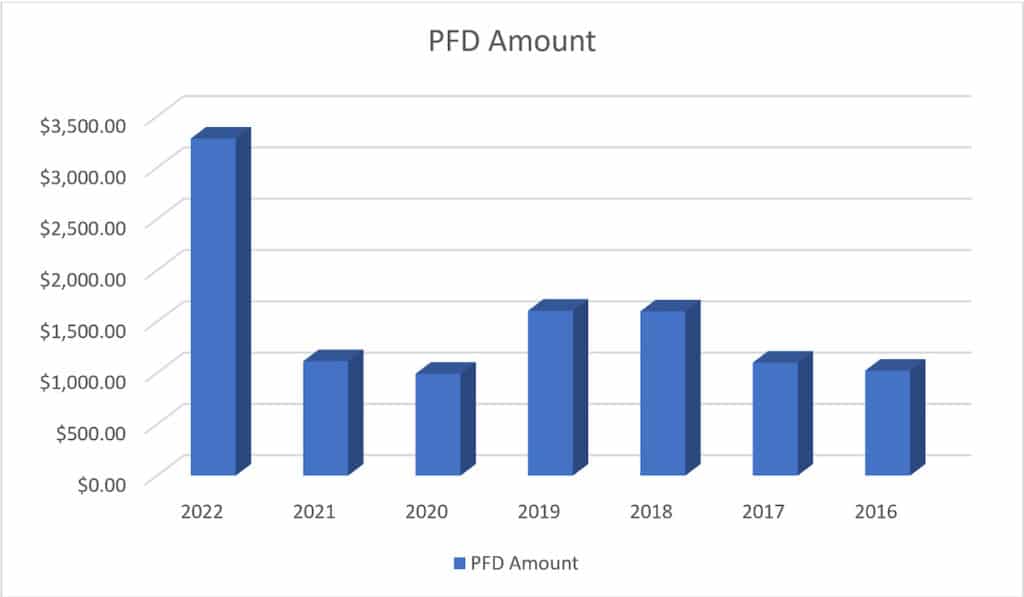
The application period usually opens in January and closes at the end of March each year. The dividend amount varies annually, depending on the Permanent Fund’s earnings and the number of eligible applicants. Historically, dividend checks have ranged from around $800 to over $2,000 per person. For a family of four, this can represent a significant annual income supplement, making it an attractive benefit for residents. This direct payment is designed to share the state’s natural resource wealth with its citizens, fostering a sense of shared ownership and investment in Alaska’s future.
Beyond the PFD: The Cost of Alaskan Living
While the PFD offers a unique financial perk, it’s vital to consider it within the broader context of the cost of living in Alaska. Generally, the cost of living in Alaska is higher than the national average, particularly for essentials like groceries, housing, and utilities. The state’s remoteness means that many goods must be shipped long distances, driving up prices.
- Groceries: Expect to pay significantly more for everyday items, especially in smaller, more remote communities. Even in cities like Anchorage or Juneau, fresh produce and imported goods can be expensive.
- Housing: Rental and purchase prices for homes vary widely. Anchorage has a more competitive market, while housing in the capital, Juneau, can be particularly pricey due to its limited land availability. More remote towns like Nome or Barrow (Utqiaġvik) face extreme costs due to logistical challenges. Long-term accommodation options, from apartments to villas, might require more extensive budgeting than in the lower 48 states.
- Utilities: Heating costs can be substantial, especially during the long winter months. Electricity, particularly in off-grid or remote areas, can also be very expensive.
- Transportation: While fuel prices fluctuate, the sheer distances involved in travel and the cost of maintaining a vehicle in harsh conditions add to expenses. Many communities are not connected by road, necessitating air or sea travel, which can be costly.
Therefore, while the PFD provides a helpful annual boost, it rarely covers the increased cost of living, especially for individuals or families without other stable income sources. Prospective residents must budget carefully and consider how their income, combined with the PFD, will balance against the state’s higher expenses.

Navigating the Job Market and Key Industries
Beyond the PFD, the true financial sustainability of living in Alaska hinges on employment. The state’s economy is distinct, driven by its vast natural resources and a growing tourism sector.
Thriving Sectors and In-Demand Skills
Alaska’s job market is characterized by several dominant industries:
- Oil and Gas: The North Slope of Alaska, centered around Prudhoe Bay, is a major hub for oil and gas extraction. These jobs often involve working remote rotations, offering high wages but demanding a specific lifestyle. Engineers, skilled tradespeople, and logistical support staff are consistently in demand.
- Commercial Fishing and Seafood Processing: With unparalleled access to the Pacific Ocean and Arctic Ocean, Alaska boasts one of the world’s most lucrative fishing industries. Towns like Ketchikan, Sitka, Seward, and Valdez are vital fishing ports. Seasonal work in canneries or on fishing vessels can provide substantial income for those willing to endure physically demanding conditions.
- Tourism: Alaska’s incredible natural beauty draws millions of tourists annually, particularly during the summer cruise ship season along the Inside Passage. This creates a wealth of seasonal jobs in hospitality (hotels, resorts, lodges), guiding (fishing guides, hiking guides, tour operators), transportation, and retail. From working at a hotel in Skagway to leading tours in Denali National Park, the tourism sector offers diverse opportunities.
- Healthcare: As in many remote areas, healthcare professionals – doctors, nurses, and allied health workers – are consistently in high demand across Alaska, often with attractive salary packages and relocation incentives.
- Education: Teachers and administrative staff are needed throughout the state, from urban districts to small, isolated village schools.
- Mining: The state is rich in minerals, and mining operations offer specialized jobs.
- Transportation and Logistics: Given Alaska’s geography, logistics and transportation are critical. Jobs related to air cargo, shipping, and trucking are integral to the economy.
For those looking to move, researching these sectors and aligning their skills with Alaska’s specific needs is a smart approach. Many jobs, especially those in rural areas, come with housing or other benefits to offset the high cost of living.
Finding Accommodation and Settling In
Securing accommodation is a crucial step in making Alaska home. The housing market can be tight, particularly in the larger cities and popular tourist destinations during peak season.
- Rentals: Finding apartments, condos, or houses for rent can be challenging, and prices are generally higher than the national average. Websites, local classifieds, and community social media groups are good starting points. For those just arriving, temporary stays in hotels or serviced apartments in cities like Anchorage or Fairbanks are often necessary while searching for long-term options.
- Purchasing Property: The real estate market varies greatly by region. Buying land or a cabin in a remote area might be more affordable but comes with challenges related to utilities, access, and infrastructure. In established towns, prices reflect the demand and limited supply.
- Remote Accommodation: In industries like oil and gas or commercial fishing, employers often provide camp housing or bunkhouses as part of the job package, especially in locations like Prudhoe Bay or fishing canneries. This can significantly reduce living expenses.
Understanding the unique accommodation landscape, from luxury resorts catering to tourists to basic long-term stay apartments for residents, is key to a smooth transition. Reviews and comparisons of various living situations can be incredibly helpful for newcomers.
Embracing the Alaskan Lifestyle: Challenges and Rewards
Ultimately, the decision to move to Alaska is about more than just financial benefits; it’s about embracing a distinct way of life with its own set of challenges and profound rewards.
Cultural Immersion and Community Life
Alaskan communities, regardless of size, often share a strong bond, forged by the need for mutual support in a challenging environment. This fosters a welcoming, resilient culture where neighbors genuinely help one another. Newcomers will discover a rich tapestry of indigenous cultures, particularly visible in communities along the Inside Passage and the Arctic Ocean coast. Engaging with local traditions, attending community events, and participating in outdoor activities are excellent ways to integrate.
However, adapting to the climate is perhaps the most significant cultural adjustment. The long, dark winters require a shift in mindset, with many Alaskans embracing winter sports and indoor hobbies to combat seasonal affective disorder. The endless daylight of summer, conversely, encourages maximum outdoor activity. This seasonal rhythm profoundly impacts daily life and leisure. Lifestyle considerations, whether it’s planning for family trips during the summer or adapting to the unique demands of business stays in remote regions, are integral to successful integration.
Making Alaska Home: A Long-Term Perspective
So, can you get paid for living in Alaska? Yes, through the PFD and the myriad job opportunities in its unique economy. However, the more crucial question is whether the overall experience of living there provides sufficient reward to offset the significant costs and challenges.
For those who crave adventure, self-sufficiency, and an intimate connection with pristine wilderness, Alaska offers an unparalleled quality of life. The chance to witness the Aurora Borealis, hike through untouched landscapes in Katmai National Park or Glacier Bay National Park, fish in world-class rivers, and be part of a close-knit community can far outweigh the logistical difficulties and higher prices. It requires resilience, adaptability, and a genuine love for the outdoors.
While the PFD provides a tangible financial incentive, it’s not a handout for a luxurious life. Instead, it’s a unique benefit that acknowledges residency in a state that demands much from its inhabitants but offers even more in return. For many, the true payment for living in Alaska isn’t just a check; it’s the priceless experience of living in the Last Frontier, a place where adventure is a way of life and the untamed beauty of nature is your daily backdrop.
LifeOutOfTheBox is a participant in the Amazon Services LLC Associates Program, an affiliate advertising program designed to provide a means for sites to earn advertising fees by advertising and linking to Amazon.com. Amazon, the Amazon logo, AmazonSupply, and the AmazonSupply logo are trademarks of Amazon.com, Inc. or its affiliates. As an Amazon Associate we earn affiliate commissions from qualifying purchases.