
The majestic wilderness of Alaska, often referred to as the Last Frontier, beckons travelers and adventurers with its unparalleled natural beauty, diverse wildlife, and vibrant local culture. From the towering peaks of Denali National Park and Preserve to the shimmering glaciers of the Inside Passage, Alaska promises experiences unlike any other. However, as with any destination, planning a trip or considering a long-term stay requires understanding the practicalities, and chief among these for many is the question of taxes. Does Alaska have state tax? The answer, in short, is largely no – but the full picture is more nuanced and holds significant implications for everything from your travel budget to your decision to embrace an Alaskan lifestyle.
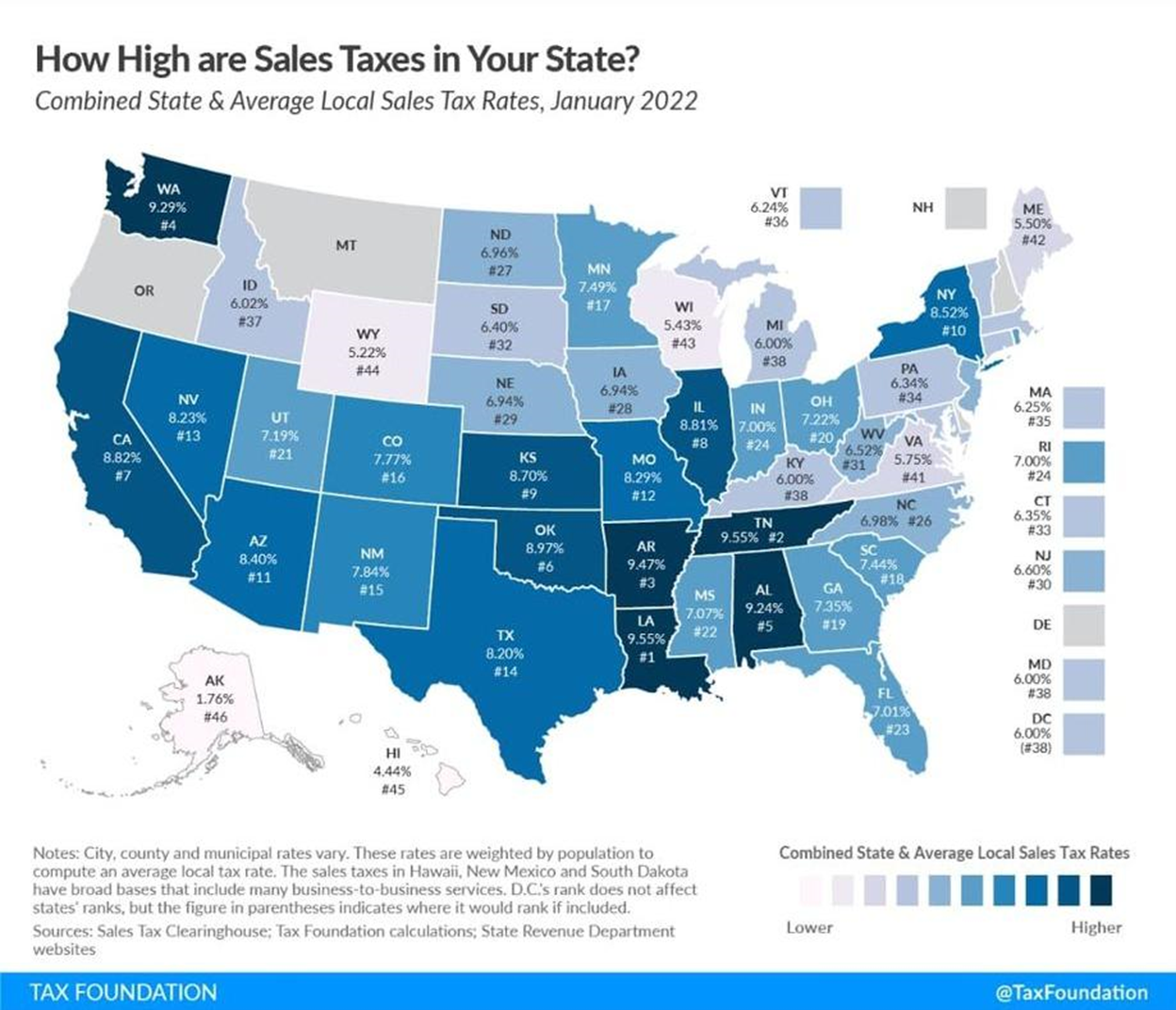
Unlike most U.S. states, Alaska is unique in that it does not levy a statewide sales tax or a state income tax. This distinctive tax structure sets it apart and can make it an appealing prospect for tourists and residents alike, potentially leading to significant savings on various expenditures. However, this doesn’t mean the state is entirely tax-free. Local municipalities and boroughs often implement their own taxes and fees, which can vary considerably depending on where you are in the state. For anyone planning to visit Alaska for its incredible attractions or contemplating a move to this wild expanse, a deeper dive into its tax landscape is essential. Understanding these intricacies is key to effectively managing costs, whether you’re embarking on a budget travel adventure or planning a luxurious escape.
The Alaskan Tax Landscape: What You Need to Know
The absence of statewide sales and income taxes is undoubtedly one of Alaska’s most striking features. This policy directly impacts both the daily lives of its residents and the financial planning of its visitors. For a state known for its high cost of living due to remoteness and logistical challenges, this tax structure serves as a significant mitigating factor.
No State Income or Sales Tax – A Traveler’s Dream?
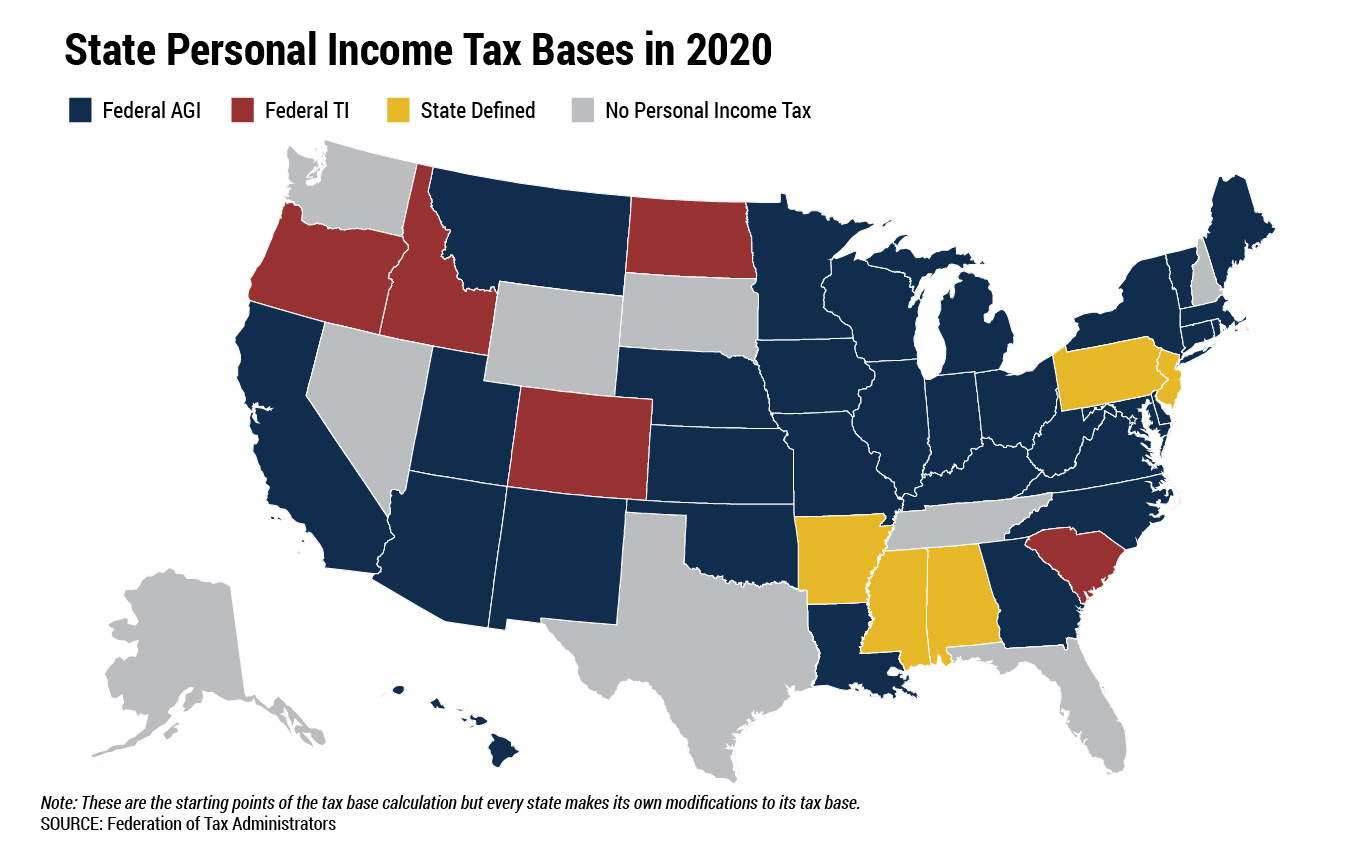
The concept of a truly “tax-free” shopping experience is a rare commodity in the modern world, making Alaska’s lack of a state sales tax particularly attractive. When you purchase goods such as souvenirs, clothing, or even groceries in most parts of Alaska, you won’t see an additional percentage tacked on for state sales tax. This can translate into genuine savings, especially for those planning extensive shopping or larger purchases during their trip. Similarly, the absence of a state income tax means residents do not pay a portion of their earnings to the state government, a significant benefit that helps offset other high living costs. For individuals considering Alaska for remote work or retirement, this financial advantage is a major draw, influencing their overall lifestyle decisions.
Understanding Local Taxes and Fees
While the statewide tax structure is favorable, it’s crucial to understand that local jurisdictions in Alaska have the authority to impose their own taxes. These municipal taxes primarily come in two forms: local sales taxes and lodging taxes.
Many popular cities and boroughs, particularly those that thrive on tourism, implement local sales taxes. For example, cities like Juneau, Ketchikan, and Skagway have sales taxes that can range from 3% to 7.5% or more. This means that while you won’t pay a state sales tax, you will likely encounter a local sales tax on goods and services in many urban and tourist-heavy areas. It’s important for travelers to research the specific local tax rates for the cities and towns they plan to visit to avoid surprises.
Another significant tax for travelers is the local lodging tax, often called an occupancy tax or bed tax. These taxes are applied to hotels, resorts, apartments, villas, and other forms of accommodation. Lodging taxes are prevalent across Alaska and can range from 8% to 12% in major tourist hubs such as Anchorage and Fairbanks. These taxes contribute to local infrastructure and services, often directly supporting tourism initiatives. When booking your stay, these taxes are typically added to the base room rate, so always factor them into your budget calculations. Additionally, cruise passengers may also encounter specific port fees or passenger taxes in various Alaskan ports, contributing to the overall cost of their voyage through the Inside Passage or other scenic routes.
The Permanent Fund Dividend – A Unique Alaskan Benefit
While not a tax, the Alaska Permanent Fund Dividend (PFD) is an essential component of the state’s unique financial ecosystem and worth mentioning in this context. Funded by investment earnings from the state’s oil revenues, the PFD is an annual payment made to eligible Alaskan residents. This dividend represents a tangible benefit of living in a resource-rich state without income or sales tax, highlighting how Alaska distributes wealth back to its citizens. While not directly relevant to short-term tourists, it underscores the distinct financial philosophy that shapes the Alaskan lifestyle and contributes to the overall economic environment.
Impact on Travel and Tourism in the Last Frontier
The unique tax structure of Alaska has direct implications for visitors, influencing everything from the cost of their accommodation to the price of their excursions and daily expenses. Understanding these effects can help travelers plan more effectively and budget wisely for their unforgettable Alaskan adventure.
Accommodation Costs and Savings
When planning where to stay in Alaska, whether it’s a cozy B&B in Seward, a suite in Anchorage, or a remote wilderness resort in the Kenai Peninsula, the absence of state sales tax might lead one to expect lower overall prices. However, the presence of local lodging taxes largely counteracts this. For example, a hotel room in Anchorage or Juneau will include a local occupancy tax, typically around 12%. This means that while you might save on buying a souvenir, your nightly room rate will still be subject to an additional percentage on top of the base price.
When searching for hotels or other types of accommodation, it’s always advisable to check the final price, which should include all applicable taxes and fees. Using booking platforms and price comparison sites can help, but ensure you look for the “total price” to get an accurate estimate. Many reputable resorts and hotels will clearly display these charges upfront. While some amenities might seem luxurious, the overall cost of lodging in Alaska remains relatively high compared to other parts of the United States due to operating costs, remote locations, and the seasonal demand for tourism.
Exploring Attractions and Experiences
Alaska is synonymous with incredible experiences like glacier cruises, wildlife viewing tours, fishing charters in Homer, and flightseeing over Denali. The cost of these activities is a major component of any Alaskan travel budget. The good news for travelers is that the absence of state sales tax means these tour prices generally won’t have an additional state-mandated percentage tacked on. However, some operators in municipalities with local sales taxes may pass that cost onto the consumer, so verifying this when booking is wise.

Beyond direct costs, consider that many iconic Alaskan landmarks and wilderness areas, such as Glacier Bay National Park or portions of the Alaska Railroad, have their own entrance fees, service charges, or permit requirements. These fees are independent of state or local sales taxes and are typically used to maintain the facilities and preserve the nature and history of these spectacular sites. Focusing on value and memorable moments, such as immersing yourself in Alaskan Native cultures, can enhance your trip beyond purely financial considerations.
Everyday Expenses for Travelers
For day-to-day spending, the lack of a state sales tax can provide some relief. This means less tax on restaurant food, groceries, gasoline, and other incidental purchases. However, it’s essential to recognize that while sales tax might be absent, the base prices for many goods and services in Alaska are generally higher than in the lower 48 U.S. states due to transportation costs and the logistical challenges of supplying remote areas. A gallon of milk or a tank of gas, for instance, often costs significantly more in Alaska than it would elsewhere.
Therefore, while you won’t see a sales tax line item on your receipt in most places, the overall cost of living and daily expenses for travelers might still feel elevated. Smart budgeting and prioritizing purchases become even more crucial. For those planning a longer visit, or considering a combination of luxury travel with more modest spending, understanding this balance is vital.
Alaskan Lifestyle and Relocation Considerations
The appeal of no state income or sales tax extends beyond short-term tourism to those considering making Alaska their home. While the tax benefits are attractive, a holistic view of the Alaskan lifestyle and cost of living is necessary for a well-informed decision.
Cost of Living Beyond Taxes
Despite the tax advantages, the overall cost of living in Alaska remains higher than the national average, primarily driven by expensive housing, groceries, and utilities. Heating costs, especially in northern regions like Utqiaġvik (formerly Barrow), can be substantial, and transportation of goods drives up the price of nearly everything. Housing prices, particularly in population centers like Anchorage and Juneau, can be comparable to or even exceed those in many other expensive U.S. cities. For families considering family trips that evolve into relocation, these factors must be weighed carefully against the tax savings.
Opportunities for Remote Workers and Retirees
The absence of state income tax makes Alaska an intriguing option for remote workers and retirees. For those whose income isn’t tied to a local job market, the opportunity to retain a larger portion of their earnings is a powerful incentive. Retirees often find the PFD an attractive bonus, complementing their existing pensions and savings. However, the unique challenges of Alaskan living – extreme weather, remoteness, and cultural shifts – must also be embraced. For business stays, companies might find the tax environment favorable, but operational costs will need careful analysis.
Budgeting for a Move or Long-Term Stay
Anyone planning a permanent or long-term stay in Alaska should create a comprehensive budget that goes beyond just income and sales taxes. Factor in the higher costs of housing, utilities, groceries, transportation (including the maintenance of vehicles in harsh conditions), and any local property taxes that might apply. While the tax structure provides a strong foundation for financial stability, it’s only one piece of a larger economic puzzle in this magnificent, yet challenging, environment. Seeking guides or reviews from current residents can offer invaluable insights.
Navigating Your Alaskan Adventure: Tips and Tricks
Whether you’re visiting Alaska for a brief holiday or contemplating a move, intelligent planning can help you maximize your experiences and manage your budget effectively within its unique tax framework.
Research Local Ordinances
Before you embark on your travel to Alaska, take the time to research the specific local sales and lodging tax rates for each city or borough you plan to visit. Websites for local governments or chambers of commerce often provide this information. Knowing these rates upfront will allow you to budget more accurately for your accommodation, dining, and shopping. This is one of the most practical tips for any traveler to the state.
Maximize Your Travel Budget
Leverage the absence of statewide sales tax by focusing your major purchases in Alaska on items that might otherwise incur significant tax elsewhere. For example, if you plan to buy expensive outdoor gear or souvenirs, purchasing them in Alaska (in an area without local sales tax) could result in savings. For accommodation, look for package deals or consider visiting during the shoulder seasons (spring or fall) when demand is lower, and prices for hotels, resorts, and activities might be more competitive. These seasons also offer unique opportunities for viewing nature and avoiding the peak summer crowds.
Embrace the Unique Alaskan Experience
Ultimately, Alaska’s allure lies not just in its tax structure but in its raw, untamed beauty, its rich history, and the unparalleled outdoor activities it offers. While understanding the tax implications is a practical necessity, the true value of an Alaskan journey comes from its awe-inspiring landscapes, its incredible wildlife, and the authentic local culture. Whether you are exploring the vastness of a national park, fishing for salmon, or marveling at the Northern Lights, these experiences often transcend monetary value. Focus on maximizing these opportunities and creating unforgettable memories.
In conclusion, the question “Does Alaska have state tax?” elicits a broadly positive response for those seeking to avoid state income and sales taxes. This unique fiscal environment makes Alaska a compelling destination for both tourists and prospective residents. However, a complete understanding requires acknowledging the presence of local taxes and the generally higher cost of living that defines this extraordinary frontier. By doing your research, planning wisely, and embracing the distinct character of the Great Land, your Alaskan adventure or lifestyle can be both financially sensible and profoundly rewarding.
LifeOutOfTheBox is a participant in the Amazon Services LLC Associates Program, an affiliate advertising program designed to provide a means for sites to earn advertising fees by advertising and linking to Amazon.com. Amazon, the Amazon logo, AmazonSupply, and the AmazonSupply logo are trademarks of Amazon.com, Inc. or its affiliates. As an Amazon Associate we earn affiliate commissions from qualifying purchases.