
Nestled deep within the vast, untamed wilderness of Alaska, a mysterious and often misunderstood facility stands as a beacon of scientific inquiry, yet simultaneously a magnet for speculation and elaborate theories. The High-frequency Active Auroral Research Program, better known as HAARP, is a site that embodies the peculiar blend of cutting-edge research and the enduring human fascination with the unknown. For travelers exploring the immense landscapes and unique landmarks of this northernmost state, HAARP presents a different kind of destination—one less about scenic vistas and more about the invisible forces that shape our planet and atmosphere.
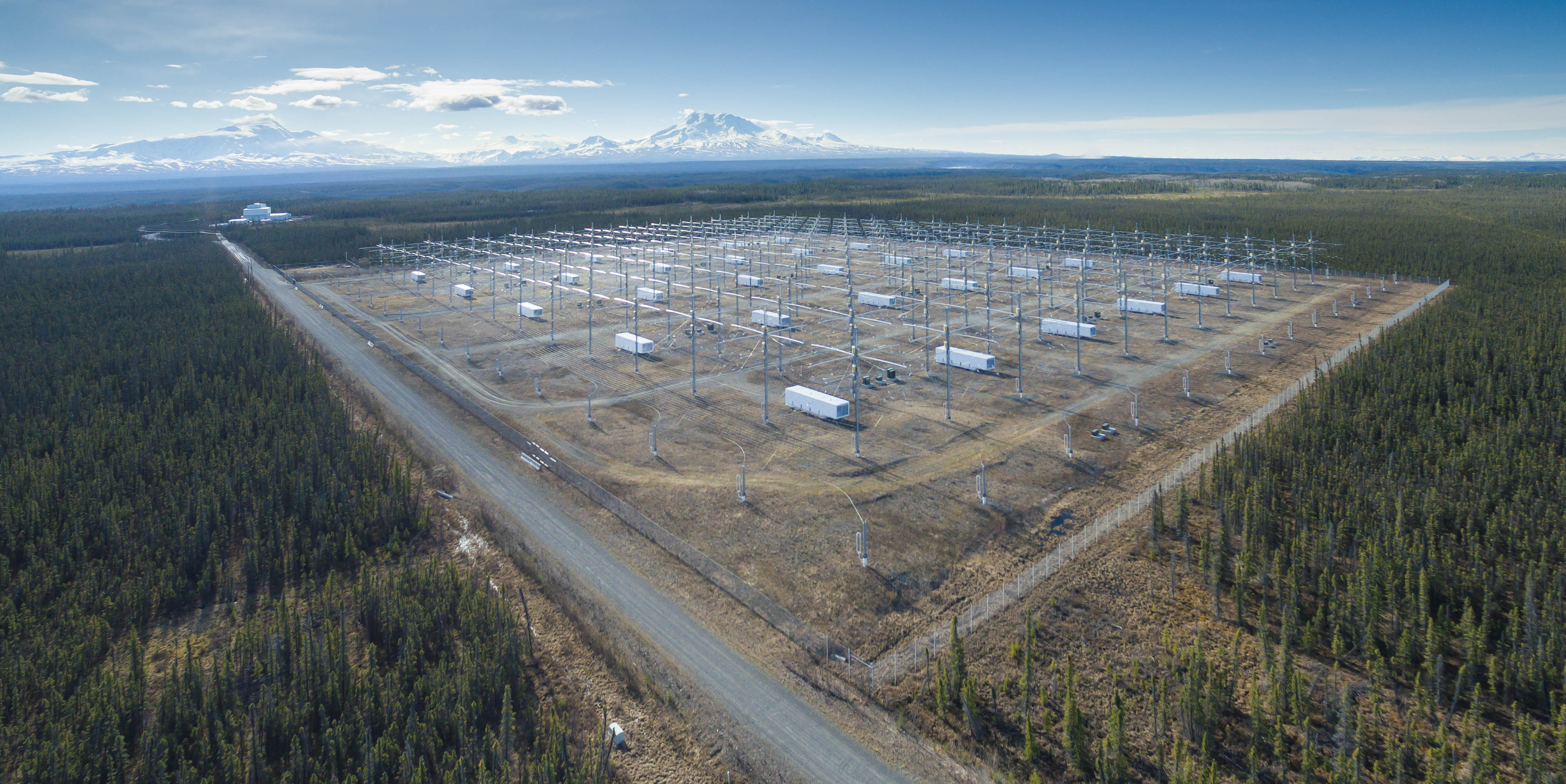
At first glance, HAARP might seem like an anomaly in the context of typical Alaskan tourism, which often centers around breathtaking natural attractions like glaciers, wildlife, and the ethereal dance of the aurora borealis. However, its very existence and the intrigue surrounding it make it a unique point of interest for those with a penchant for scientific exploration, modern mysteries, or simply a desire to understand the less-trodden paths of human endeavor. This facility, located near the small community of Gakona in the remote Yukon-Koyukuk Census Area, represents a significant investment in understanding Earth’s upper atmosphere, specifically the ionosphere. But what exactly is HAARP, what is its true purpose, and why does it continue to captivate the imagination of so many?
Unveiling the Science: The True Purpose of HAARP
To demystify HAARP, it’s essential to look beyond the sensational headlines and delve into its core scientific mission. Far from being a secret weapon or a weather-control device, HAARP is, at its heart, a powerful scientific instrument designed to study the ionosphere—a region of Earth’s upper atmosphere ranging from about 60 to 1,000 kilometers (37 to 621 miles) above the surface. This electrically charged layer plays a crucial role in radio communications, space weather phenomena, and even the beautiful displays of the Northern Lights.
A Window into the Ionosphere
The primary function of HAARP is to temporarily excite a small region of the ionosphere using high-frequency radio waves. By doing so, scientists can observe how this excited region reacts, providing valuable data about the ionosphere’s properties and behaviors. Think of it like a massive, sophisticated scientific laboratory in the sky, where researchers can conduct controlled experiments on a grand scale. This research helps us understand fundamental processes occurring in the ionosphere, which has direct implications for various technological applications, from improving long-range radio communication to developing more robust satellite navigation systems.
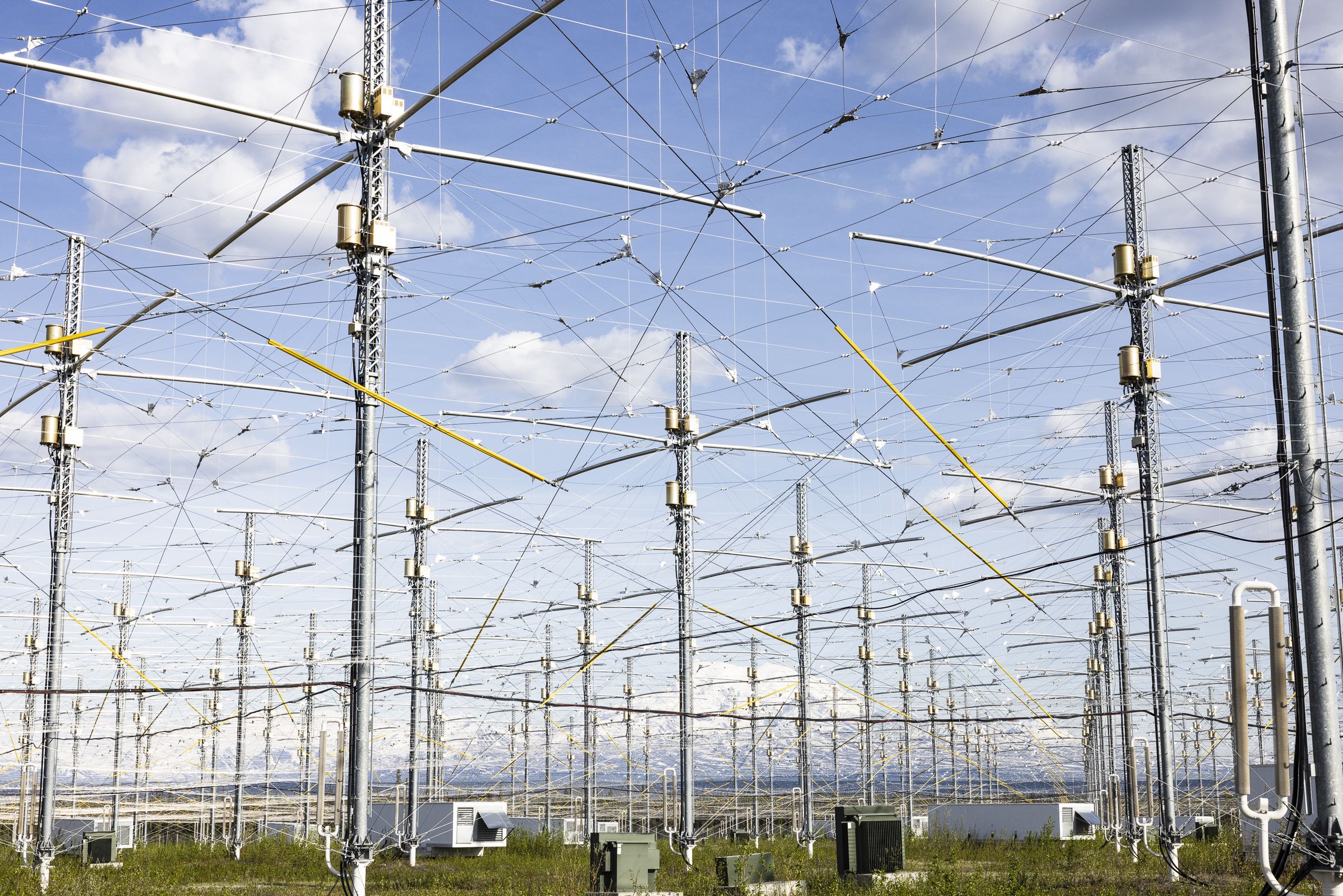
The facility achieves this by utilizing a large array of 180 antennas spread across 33 acres. This formidable “Ionospheric Research Instrument” (IRI) can transmit up to 3.6 megawatts of power, focusing a beam of radio waves into the ionosphere. Sensitive scientific instruments then measure the subtle changes and responses in this atmospheric layer. These observations contribute to a better understanding of space weather events, which can disrupt power grids, degrade GPS accuracy, and pose risks to satellites and astronauts.
The Evolution and Ownership of HAARP
HAARP was originally established in 1990 as a joint project between the US Air Force, the US Navy, the Defense Advanced Research Projects Agency (DARPA), and the University of Alaska Fairbanks. Its initial development and operation were driven by military interests in understanding and improving communications in challenging environments, as well as by academic curiosity. The involvement of defense agencies undoubtedly fueled some of the early conspiracy theories, despite the fact that the research was primarily unclassified and published in scientific journals.
In 2015, after years of operation, the US Air Force officially relinquished its ownership of the facility. The torch was then passed to the University of Alaska Fairbanks’ Geophysical Institute, which continues to operate HAARP as a cutting-edge scientific research facility. This transition underscored its civilian and academic mission, emphasizing its role in advancing pure scientific knowledge. Today, researchers from institutions worldwide can propose experiments and utilize HAARP’s unique capabilities, making it a truly international scientific resource supported by the National Science Foundation and other entities.
The Allure and Mystery of HAARP: Separating Fact from Fiction
Despite its clear scientific purpose and the transparency efforts of its operators, HAARP has an undeniable mystique. Its remote location, powerful technology, and early association with defense agencies created a fertile ground for elaborate conspiracy theories. For many, HAARP isn’t just a research facility; it’s a shadowy, enigmatic force with the power to manipulate the world.
The Echo Chamber of Conspiracy Theories
The theories surrounding HAARP are diverse and often dramatic. The most common accusations include:
- Weather Manipulation: The idea that HAARP can control weather patterns, causing hurricanes, droughts, or even triggering earthquakes and tsunamis. This theory often stems from a misunderstanding of the scale and energy required to influence global weather systems versus the relatively localized and low-power effects on the ionosphere.
- Mind Control: Some believe HAARP emits frequencies that can alter human thoughts and behavior. This is largely dismissed by scientists, who point out the difficulty of such a feat and the lack of any credible evidence.
- Secret Weapons: Theories suggesting HAARP is a clandestine weapon, capable of disrupting communications, destroying satellites, or even creating a “death ray.” While the ionosphere plays a role in communications, HAARP’s output is simply too low to cause widespread destruction.
These theories thrive on several factors: the facility’s imposing appearance with its antenna array, the inherent complexity of ionospheric physics (making it difficult for the public to fully grasp its true function), and the general mistrust some individuals have towards government or scientific institutions. For travelers seeking the unusual and the mysterious, places like HAARP become a compelling landmark, even if their understanding of it is colored by these sensational narratives.
Fostering Transparency and Understanding
In an effort to counter misinformation and foster greater public understanding, the University of Alaska Fairbanks has made significant strides in transparency. The facility periodically hosts open house events, inviting the public to tour the site, meet the scientists, and learn firsthand about the research being conducted. These events, often heavily attended, allow curious individuals to see the antennas up close, ask questions, and gain a more realistic perspective on what HAARP truly is.
For those interested in the nexus of science, technology, and public perception, HAARP serves as a fascinating case study. It highlights how cutting-edge research, especially when involving powerful or unfamiliar technologies, can easily become the subject of widespread speculation if not clearly communicated. Understanding HAARP means appreciating both its scientific rigor and the cultural narratives it has inspired, making it a unique “landmark” in the landscape of human curiosity.
HAARP as a Unique Alaskan Landmark and Travel Interest
While HAARP is not a traditional tourist attraction in the same vein as Denali National Park or the Inside Passage, its presence adds a distinctive layer to the travel experience in Alaska. For those whose “lifestyle” of travel includes seeking out the unconventional, the scientific, or even the conspiratorial, HAARP represents a destination with a story unlike any other.
Visiting HAARP and Its Remote Location
It’s important to clarify that HAARP is an active research facility and is not regularly open for public tours. The vast majority of its existence is spent operating behind a secure perimeter. However, as mentioned, the open house events provide a rare opportunity for direct engagement. Planning a trip around one of these infrequent events requires careful attention to schedules and can be a highlight for niche travelers.
The facility’s location near Gakona, roughly equidistant between Anchorage and Fairbanks, means that reaching it involves a journey through some of Alaska’s most stunning and isolated terrain. Travelers might fly into Anchorage or Fairbanks, major hubs with international airports, and then embark on a scenic drive. The drive itself is an experience, offering glimpses of the majestic Alaska Range, winding rivers, and dense forests. This remote setting contributes to HAARP’s mystique, evoking images of secret government installations in desolate landscapes.
For those simply interested in seeing the area, even if not the facility itself, the region around Gakona offers a taste of rural Alaskan life. Accommodation options are sparse, leaning towards rustic lodges or campgrounds, offering an authentic wilderness experience. Major towns like Palmer or Wasilla, closer to Anchorage, offer more extensive choices of hotels and resorts, but still require a significant drive to the HAARP area.
Beyond HAARP: Exploring Alaska’s Diverse Attractions
A trip to Alaska with an interest in HAARP can easily be combined with exploring the state’s more traditional tourism offerings. Alaska is a land of unparalleled natural beauty and adventure, catering to a wide range of travel styles and preferences.
Nature and Wildlife Enthusiasts
For those captivated by the wilderness surrounding HAARP, extending the journey to other parts of Alaska is a must.
- National Parks: Denali National Park, home to North America’s highest peak, Mount Denali, offers incredible wildlife viewing opportunities (grizzly bears, caribou, moose, wolves) and stunning landscapes.
- Coastal Exploration: The Kenai Peninsula, particularly around Seward and Homer, is perfect for marine wildlife tours, glacier cruises, and fishing expeditions in the Gulf of Alaska.
- Inside Passage: This renowned cruise route offers breathtaking views of glaciers, fjords, and lush rainforests, with stops in charming towns like Juneau, Sitka, and Skagway.
- Northern Lights: If visiting during the winter months, especially in areas like Fairbanks, the chances of witnessing the spectacular Northern Lights are high, offering a natural display of ionospheric activity that HAARP itself studies.
Cultural and Historical Insights
Alaska’s rich history and vibrant Alaska Native Heritage Center offer unique cultural experiences.
- Anchorage: As the state’s largest city, Anchorage provides a blend of urban amenities and access to wilderness. Visitors can explore museums like the Anchorage Museum at Rasmuson Center, enjoy local cuisine, and find various accommodation options from luxury hotels like the Hotel Captain Cook to more budget-friendly stays.
- Fairbanks: Known as the “Golden Heart City,” Fairbanks is a gateway to the Arctic and offers insights into gold rush history and Alaska Native culture. It’s also an excellent base for aurora viewing, with hotels such as the Pike’s Waterfront Lodge or Wedgewood Resort offering comfortable stays.
- Local Culture and Food: Throughout the state, tourism is intertwined with local culture, from fresh seafood (salmon, halibut, king crab) to the unique traditions of Alaska Native communities. Activities like dog sledding (including opportunities to witness or participate in the Iditarod Trail Sled Dog Race) or visiting the Alaska Wildlife Conservation Center offer immersive experiences.
Accommodation and Lifestyle Choices
When planning an Alaskan adventure, accommodation choices are as diverse as the landscape itself.
- Hotels & Resorts: In major cities like Anchorage and Fairbanks, visitors will find a range of options, from upscale resorts like Alyeska Resort offering ski-in/ski-out access and spa amenities, to comfortable hotels like The Lakefront Anchorage with lake views.
- Cabins & Lodges: For a more rustic or wilderness-immersed experience, many remote areas offer charming cabins or full-service lodges, ideal for travelers seeking a deep connection with nature.
- Camping & RV Parks: Alaska is a haven for campers and RV enthusiasts, with numerous state and national parks offering facilities. This budget-friendly option allows for maximum flexibility and closeness to the natural environment.
Whether one’s lifestyle leans towards luxury travel or a budget-conscious family trip, Alaska has suitable accommodations. Booking in advance is highly recommended, especially during the peak summer season, due to the popularity of many destinations.
Conclusion
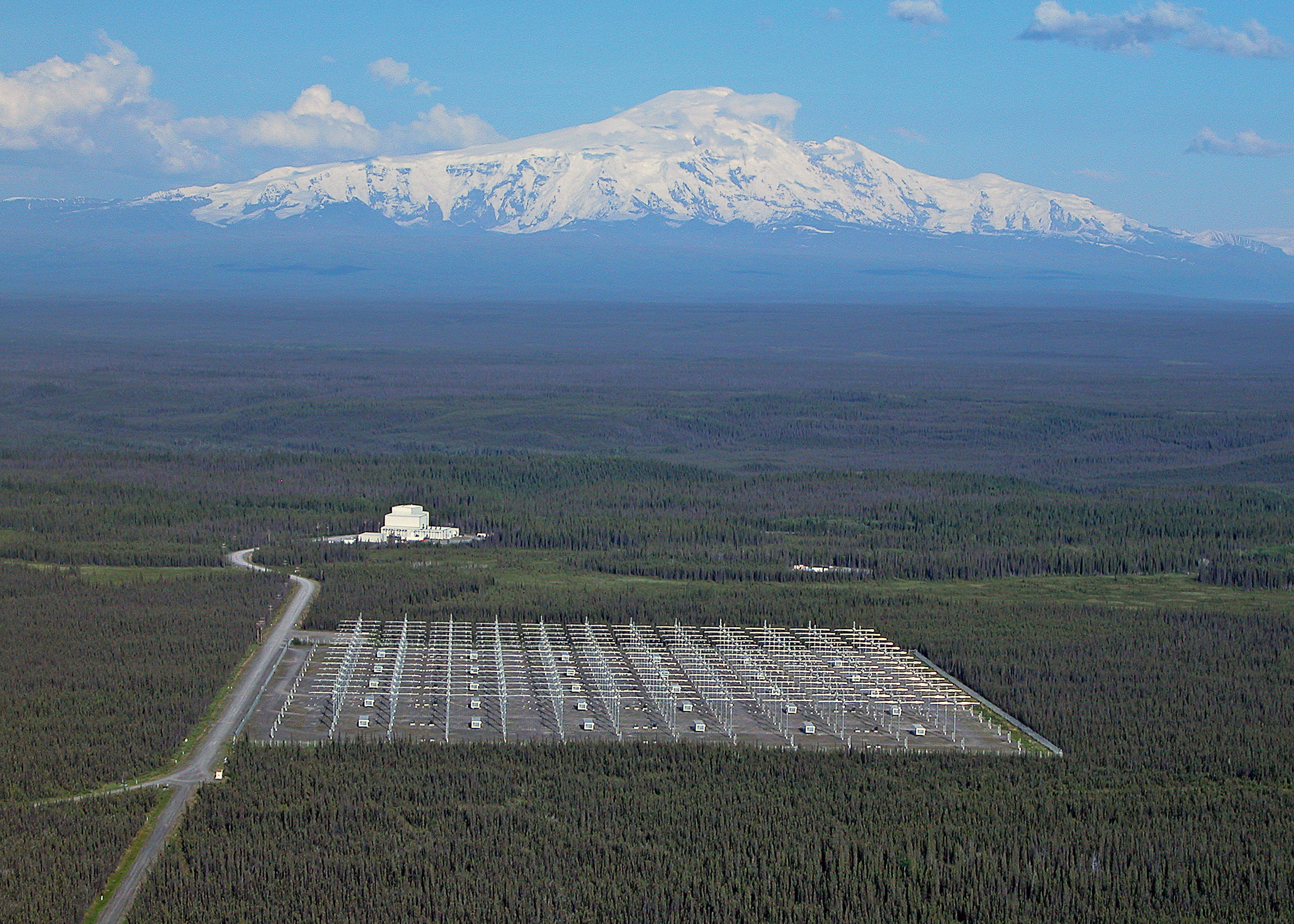
The High-frequency Active Auroral Research Program in Alaska is a testament to humanity’s ongoing quest to understand the universe around us. Far from the sensationalized narratives that often surround it, HAARP stands as a vital scientific landmark, contributing invaluable data to our understanding of the ionosphere and its impact on modern technology. Its array of antennas, silently reaching for the sky, embodies both the triumph of scientific inquiry and the enduring power of human imagination to conjure mysteries.
For the intrepid traveler to Alaska, HAARP represents a unique point of interest, a blend of cutting-edge science and remote wilderness. While not a typical tourist destination, its story adds depth to the rich tapestry of Alaskan attractions. Whether you are drawn by the allure of scientific discovery, the intrigue of unsolved mysteries, or simply the desire to explore the diverse landscapes and cultural richness of this incredible state, Alaska offers an experience that transcends the ordinary. From the majestic peaks of Denali to the vibrant culture of Anchorage and the remote scientific outposts like HAARP, a journey here is an invitation to explore, learn, and be utterly captivated by the last frontier.
LifeOutOfTheBox is a participant in the Amazon Services LLC Associates Program, an affiliate advertising program designed to provide a means for sites to earn advertising fees by advertising and linking to Amazon.com. Amazon, the Amazon logo, AmazonSupply, and the AmazonSupply logo are trademarks of Amazon.com, Inc. or its affiliates. As an Amazon Associate we earn affiliate commissions from qualifying purchases.