
Understanding the weather patterns of Anchorage, Alaska is paramount for any traveler seeking to experience its unique blend of urban convenience and wild Alaskan splendor. As the largest city in Alaska, Anchorage offers a gateway to the state’s vast wilderness, but its own climate significantly shapes the visitor experience. From the crisp air of winter to the surprisingly mild summers, knowing what to expect temperature-wise will allow for better planning, packing, and ultimately, a more enjoyable and memorable trip. This exploration delves into the seasonal temperatures, the factors influencing them, and how these climatic conditions impact the opportunities for exploration and adventure in and around this captivating Alaskan metropolis.
Understanding Anchorage’s Climate: A Tale of Two Seasons
Anchorage experiences a subarctic climate, characterized by long, cold winters and short, cool to mild summers. The dramatic shift between these seasons is a defining feature, offering vastly different experiences for visitors. The city’s location, nestled between the Chugach Mountains to the east and the Knik Arm and Turnagain Arm to the west, also plays a role in moderating temperatures to some extent, although its continental inland position means significant temperature fluctuations are common.
Winter: Embracing the Cold and the Snow
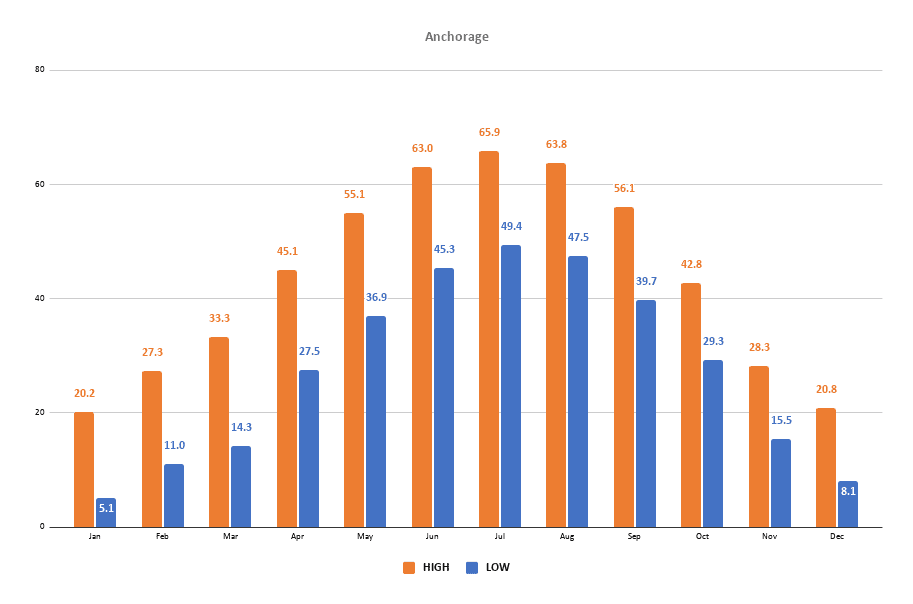
The winter season in Anchorage typically runs from November through March, with January and February being the coldest months. Average daily temperatures during this period hover around 5°F (-15°C) for highs and can plummet to -15°F (-26°C) or lower for lows. However, it’s not uncommon for temperatures to drop into the -30s°F (-34°C) or even -40s°F (-40°C) during cold snaps, often accompanied by brisk winds that can make the air feel even colder due to wind chill.
Snowfall is abundant, with Anchorage receiving an average of 76 inches (193 cm) of snow annually. This snow transforms the landscape into a winter wonderland, making it ideal for a variety of outdoor activities. The daylight hours are also dramatically reduced, with December and January experiencing the shortest days, often less than six hours of daylight. This low light, combined with the frigid temperatures, creates a unique and stark beauty that many find captivating. Despite the cold, many visitors are drawn to Anchorage during winter to experience its unique charm, from the vibrant holiday decorations to the opportunity to witness the awe-inspiring Northern Lights.
Summer: A Brief but Beautiful Respite
The summer season in Anchorage is a welcome contrast to the long winter, generally lasting from June through August. Temperatures are significantly more moderate, with average daily highs in July and August reaching around 65°F (18°C) and average lows around 50°F (10°C). While these temperatures are mild compared to many other parts of the United States, they are considered warm for Alaska. However, it’s important to note that even in summer, evenings can be cool, and unexpected chilly days are not uncommon.
The most striking feature of Anchorage summers is the extended daylight. From late May to late July, the city experiences the phenomenon of “midnight sun,” where the sun barely sets, providing almost 24 hours of daylight. This extended period of light allows for ample time to explore the region’s natural beauty and partake in outdoor activities. Rainfall is also more common during the summer months, though it typically occurs in the form of light showers rather than prolonged downpours. The lush green landscapes, abundant wildlife, and the opportunity for activities like hiking, fishing, and exploring the city’s many parks make summer a peak season for tourism.
Seasonal Temperature Trends and Their Impact on Travel
The distinct temperature profiles of Anchorage’s seasons directly influence the types of experiences available to visitors. Understanding these trends is key to planning a trip that aligns with your interests and desired activities.
Spring and Autumn: Transitional Beauty and Variable Conditions
The shoulder seasons of spring (April-May) and autumn (September-October) in Anchorage offer a more variable climate. Spring sees a slow transition from winter’s grip, with temperatures gradually warming. Average highs in May might reach into the 40s°F (4-9°C), but snow can linger, especially in higher elevations, and frost is still a possibility. This is the time when the snow melts, revealing the landscape and bringing the city back to life. Wildlife becomes more active, and some outdoor activities begin to become feasible.
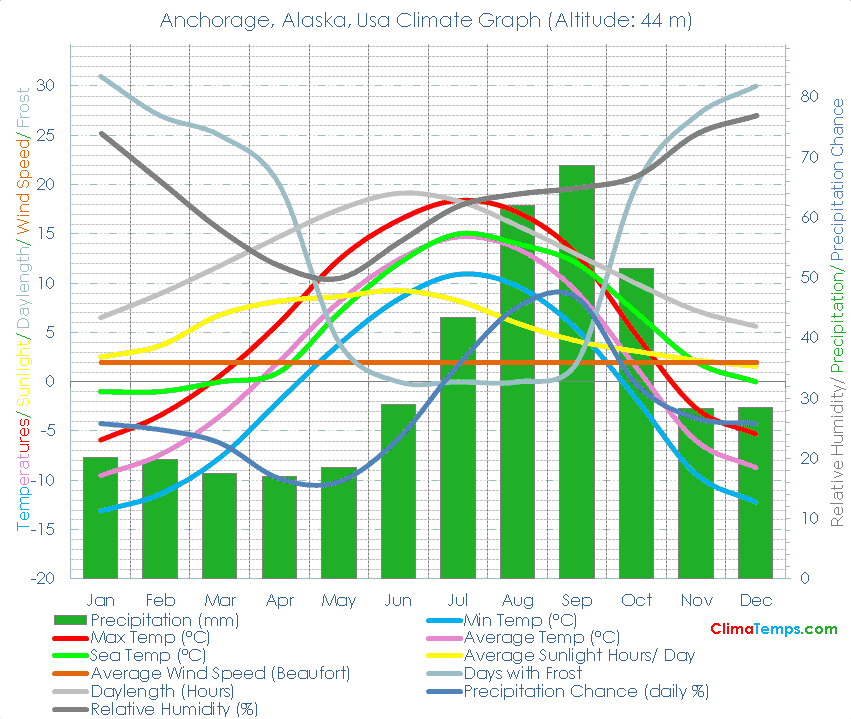
Autumn, on the other hand, brings a crisp coolness to the air. September can still offer pleasant days with highs in the 50s°F (10-15°C), but by October, temperatures begin to drop significantly, with average highs in the 30s°F (0-4°C). The fall foliage can be spectacular, painting the surrounding hillsides in vibrant hues of red, orange, and gold. This season is often characterized by clearer skies than summer, offering excellent opportunities for photography and wildlife viewing before the heavy snows of winter set in. However, weather can be unpredictable, with early snowfalls not out of the question.
Extreme Weather Considerations and Preparedness
While the average temperatures provide a general guideline, Anchorage can experience extreme weather events. Winters can bring prolonged periods of sub-zero temperatures, while summers can occasionally see heatwaves with temperatures reaching into the 70s°F (21-26°C) or even higher, though these are rare. Blizzards can occur during winter, significantly impacting travel.
For travelers, preparedness is key. Layering clothing is the most effective strategy for dealing with Anchorage’s variable temperatures. In winter, this means thermal base layers, insulating mid-layers, and a waterproof, windproof outer shell. Warm hats, gloves, and insulated, waterproof footwear are essential. Even in summer, carrying a light jacket or fleece is advisable, as temperatures can drop quickly, especially in the evenings or at higher elevations. Always check the local weather forecast before embarking on any outdoor adventures, and be prepared for sudden changes. Understanding the temperature of Anchorage, Alaska is not just about numbers; it’s about understanding the rhythm of a place and preparing to fully embrace its unique climatic offerings.
Temperature’s Influence on Anchorage’s Activities and Attractions
The distinct seasonal temperatures in Anchorage dictate the range of activities and the accessibility of its many attractions. Whether you’re seeking icy adventures or sun-drenched explorations, the weather plays a starring role.
Winter Activities: A Cold Weather Wonderland
When winter blankets Anchorage in snow and ice, the city and its surroundings transform into a playground for winter sports enthusiasts. The frigid temperatures, typically ranging from the single digits to teens Fahrenheit (-17°C to -7°C) in December and January, create ideal conditions for snow-based recreation.
Skiing and snowboarding are popular at nearby resorts like the Hilltop Ski Area and larger ski destinations accessible via day trips. Cross-country skiing and snowshoeing trails abound in parks such as Kincaid Park and the Tony Knowles Coastal Trail, offering breathtaking views of the snow-covered landscape. Dog sledding, a quintessential Alaskan experience, is also a major draw, with various outfitters offering tours and even competitive races like the renowned Iditarod Trail Sled Dog Race. Ice fishing on frozen lakes and venturing out to search for the aurora borealis are other popular cold-weather pursuits that depend on these low temperatures. The city itself embraces the season with festivals, ice sculpting competitions, and a festive atmosphere, making even a cold day an opportunity for enjoyment.
Summer Activities: Embracing the Long Daylight
As the temperatures climb into the 60s°F (15-20°C) during Anchorage’s summer months, the city and its surrounding natural beauty come alive with a different set of activities. The extended daylight hours are a significant boon for exploration.
Hiking is incredibly popular, with trails ranging from easy urban strolls along the coast to challenging mountain ascents in the nearby Chugach State Park. Biking the extensive network of trails, including the aforementioned Tony Knowles Coastal Trail, is another favored pastime. Anglers flock to local rivers and streams for world-class salmon and trout fishing. Boat tours of the Knik Arm and Turnagain Arm offer opportunities to spot marine wildlife like seals, otters, and even whales, while providing stunning views of glaciers and coastal scenery. For those interested in wildlife closer to the city, the Alaska Wildlife Conservation Center is a must-visit. Summer also brings outdoor festivals, farmers markets, and cultural events that capitalize on the pleasant weather and long days.
Transition Seasons: A Window for Unique Experiences
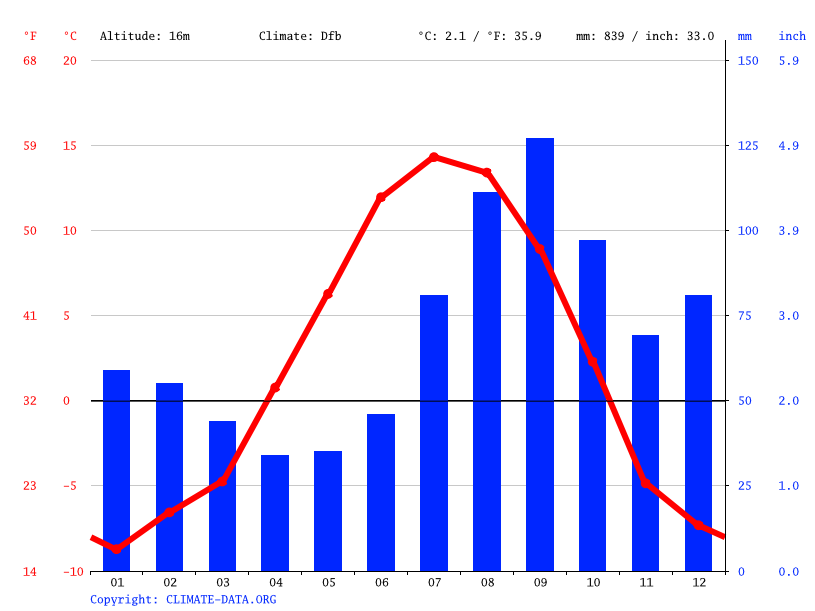
The transitional seasons of spring and autumn offer their own distinct advantages for travelers, often characterized by fewer crowds and unique visual spectacles. In early spring, as the snow begins to melt, the city starts to awaken. This period can be ideal for observing wildlife as they emerge from winter dormancy. Late spring and early autumn often provide crisp air and stunning landscapes without the extreme temperatures of peak winter or summer.
Autumn, in particular, is a prime time for wildlife viewing as animals prepare for winter, and the changing foliage offers a picturesque backdrop for hiking and photography. The temperatures, while cooler, are often manageable for outdoor activities, and the chance to witness the first snowfalls of the season can add a magical element to a visit. These shoulder seasons can also be more budget-friendly for accommodation and flights, making them an attractive option for savvy travelers who wish to experience the essence of Anchorage with a different climate perspective.
LifeOutOfTheBox is a participant in the Amazon Services LLC Associates Program, an affiliate advertising program designed to provide a means for sites to earn advertising fees by advertising and linking to Amazon.com. Amazon, the Amazon logo, AmazonSupply, and the AmazonSupply logo are trademarks of Amazon.com, Inc. or its affiliates. As an Amazon Associate we earn affiliate commissions from qualifying purchases.