
Alaska, a land of unparalleled grandeur and raw wilderness, beckons travelers with its vast expanses, majestic wildlife, and unique cultural tapestry. For those dreaming of a journey to the Last Frontier, understanding the flight landscape is paramount. This exploration delves into the primary gateways to Alaska, the airlines that serve its remote corners, and the best strategies for planning your aerial adventure. Alaska is not a single destination but a collection of breathtaking landscapes and vibrant communities, each accessible through a network of airports that connect this expansive state to the rest of the world.
Major Entry Points and Airline Connections
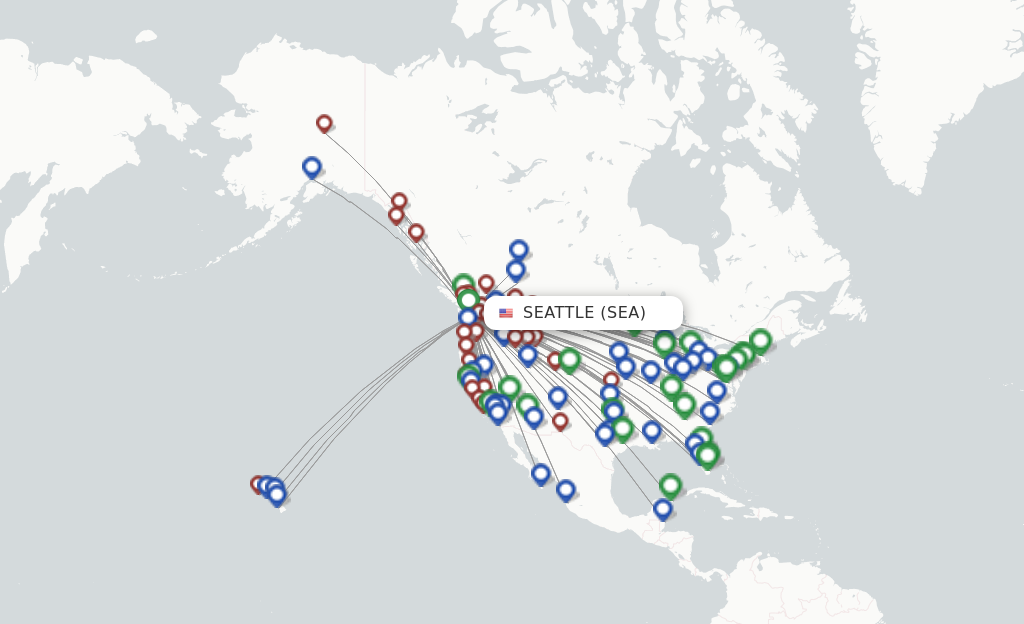
The journey to Alaska typically begins with a flight into one of its major international airports, which then serve as hubs for further exploration within the state. These primary entry points are equipped to handle a significant volume of travelers and offer the most direct connections from major global cities.
Anchorage: The Northern Gateway
[Anchorage], Alaska’s largest city, is the primary international gateway for most visitors. Ted Stevens Anchorage International Airport sees the bulk of the state’s air traffic, connecting it to numerous cities across the United States and, seasonally, to international destinations.- Domestic Connectivity: Major U.S. carriers such as [Alaska Airlines], [Delta Air Lines], [United Airlines], and [American Airlines] operate frequent flights to [Anchorage] from hubs like [Seattle], [Portland], [Denver], [Chicago], and [Minneapolis]. During the peak summer season, direct flights may also be available from cities further afield, offering convenient access for many travelers.
- International Routes: While less frequent than domestic routes, [Anchorage] has historically seen seasonal international flights, particularly from Asia and, in the past, from European destinations. These routes often capitalize on Alaska’s unique geographical position.
- Layover Opportunities: For those venturing to more remote parts of Alaska, [Anchorage] often serves as a necessary layover point. Its position makes it a central hub for onward travel to various interior and coastal communities.
Fairbanks: Gateway to the Interior
[Fairbanks], situated in the heart of Alaska, serves as another crucial entry point, especially for those interested in exploring the interior’s vast wilderness and experiencing phenomena like the [Aurora Borealis].- Key U.S. Connections: [Alaska Airlines] is a dominant player here, offering flights from [Anchorage] and [Seattle]. Other carriers may also provide seasonal service.
- Strategic Location: [Fairbanks] is a vital nexus for travelers heading to destinations like [Denali National Park and Preserve] or venturing further north towards the Arctic Circle.
Juneau: Coastal Access to the Panhandle
[Juneau], the state capital, is uniquely situated in the Alaskan Panhandle and is accessible primarily by air or sea. Due to its mountainous terrain, [Juneau] does not have direct road access to the rest of the state.- Airlines Serving Juneau: [Alaska Airlines] is the primary carrier, with regular flights from [Anchorage], [Fairbanks], and [Seattle]. Other regional airlines may also serve [Juneau] connecting it to smaller communities within the Panhandle.
- Island Hopping Potential: Flights into [Juneau] can be the starting point for exploring the numerous islands and coastal towns of Southeast Alaska, offering a different perspective of Alaska’s diverse landscapes.
Smaller Airports and Regional Travel
Beyond these major hubs, Alaska boasts an extensive network of smaller airports serving communities that are often inaccessible by road. These airports are crucial for local transportation and for travelers seeking to reach more remote destinations.
- Regional Carriers: Airlines like [Ravn Alaska] (formerly [Ravn Alaska] and [PenAir]) play a vital role in connecting these smaller communities. They operate a fleet of aircraft, including turboprops and smaller jets, capable of landing on shorter runways.
- Key Regional Hubs: Cities like [Juneau], [Ketchikan], [Sitka], and [Kodiak] often act as regional hubs, with flights connecting them to both larger cities and smaller villages.
- Importance for Remote Exploration: For intrepid travelers aiming for activities such as remote fishing lodges, wildlife viewing expeditions in secluded areas, or visiting indigenous communities, flights to these smaller regional airports are often a necessity. The flight experience itself can be an adventure, offering breathtaking aerial views of glaciers, fjords, and immense forests.
Airlines Dominating Alaskan Skies
Several airlines have established a significant presence in Alaska, catering to both the needs of residents and the growing tourism industry. Understanding which airlines operate where can help in planning efficient and cost-effective travel.

Alaska Airlines: The Dominant Force
[Alaska Airlines] is by far the largest and most comprehensive carrier operating within Alaska and connecting it to the Lower 48 states. Its extensive network makes it the go-to airline for many flying to and within the state.- Extensive Network: [Alaska Airlines] flies to dozens of destinations across Alaska, from major cities like [Anchorage] and [Fairbanks] to smaller communities like [Barrow] (now known as [Utqiagvik]) and [Klawock].
- Key Routes: Their primary routes connect [Seattle] and other West Coast cities to Alaskan hubs, and they operate a dense schedule of flights between Alaskan cities themselves.
- Partnerships: [Alaska Airlines] is part of the [Oneworld] alliance, which can offer benefits for frequent flyers traveling to or from Alaska.
Other Major U.S. Carriers
While [Alaska Airlines] dominates, other major U.S. carriers provide crucial links, particularly between Alaska and major travel hubs in the contiguous United States.
- Delta Air Lines: Offers direct flights to [Anchorage] from hubs like [Seattle] and [Minneapolis], and often operates seasonal routes to other Alaskan cities.
- United Airlines: Provides connections to [Anchorage] and sometimes [Fairbanks] from key hubs such as [Denver] and [Chicago].
- American Airlines: Primarily connects [Anchorage] to its hubs in [Dallas/Fort Worth] and [Phoenix].
Regional and Specialized Carriers
For reaching more remote locations or for specific types of travel, regional and specialized carriers are indispensable.
- Ravn Alaska: Operates a significant network of regional flights, connecting smaller communities that larger airlines do not serve. This is often the only way to reach certain villages or remote lodges. They utilize a diverse fleet to cater to various runway conditions and passenger loads.
- Wright Air Service: Another vital regional carrier, especially in Interior and Northern Alaska, providing essential air links for remote communities.
- Sea Alaska: While not strictly a flight provider, it’s worth noting that some remote coastal communities are primarily accessed via floatplanes operated by independent charter services, which are essential for the local economy and for accessing certain natural attractions.
Planning Your Alaskan Aerial Adventure
Successfully navigating the skies of Alaska requires careful planning, especially given the state’s immense size and its unique geographical challenges.
Best Time to Fly and Seasonal Considerations
The demand for flights to Alaska, and thus their availability and price, fluctuates significantly with the seasons.
- Summer (June – August): This is peak tourist season. Flights are most frequent and numerous, especially to popular destinations like [Anchorage], [Fairbanks], and Southeast Alaska. However, prices will be at their highest. Booking well in advance is highly recommended.
- Shoulder Seasons (May & September): These months offer a good balance. Weather can be unpredictable, but you’ll find fewer crowds and potentially lower airfares. Many flight routes are still operational, though some seasonal services may cease.
- Winter (October – April): This is the off-season for most tourism. Flights are less frequent and primarily cater to residents and winter-specific activities like Northern Lights viewing or skiing. However, prices can be significantly lower, offering budget-friendly options for those prepared for colder weather.
Booking Strategies for Value and Access
Securing the best flights to and within Alaska involves a combination of smart booking practices and an understanding of the market.
- Book in Advance: For summer travel, booking flights 3-6 months ahead is advisable to secure desired routes and prices. For winter travel, while less critical, booking a few months out can still yield better deals.
- Be Flexible with Dates: If your schedule allows, being flexible by a day or two can often lead to substantial savings. Mid-week flights are typically cheaper than weekend travel.
- Consider Multi-City Itineraries: If you plan to visit multiple Alaskan destinations, exploring multi-city flight options rather than booking separate one-way tickets can sometimes be more economical.
- Utilize Flight Comparison Websites: While [Alaska Airlines] is a primary carrier, comparison sites can help identify deals and alternative routes, especially for flights from the Lower 48.
- Direct vs. Connecting Flights: For longer distances from the Lower 48, direct flights to [Anchorage] or [Fairbanks] are convenient but can be more expensive. Connecting flights, often through hubs like [Seattle], might offer cost savings but add travel time.
- Regional Flight Planning: When planning travel between smaller Alaskan communities, booking with regional carriers like [Ravn Alaska] is essential. Their schedules can be limited, so early booking is critical, especially during peak season. Some of these flights may not appear on major flight comparison sites.
Navigating the Alaskan Air Network
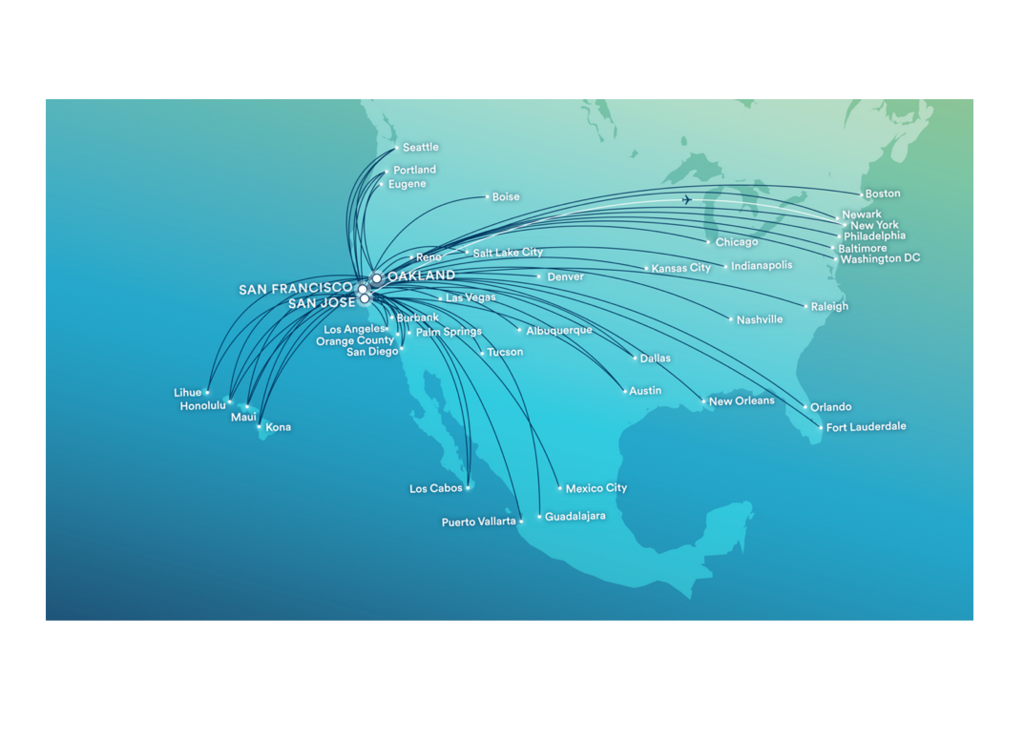
The vastness of Alaska means that air travel is not just a means to an end, but often an integral part of the travel experience, offering unparalleled views and access to otherwise unreachable locales. From the bustling international airport in [Anchorage] to the remote airstrips serving isolated villages, the network of flights allows for exploration of glaciers, fjords, tundra, and mountain ranges that define this extraordinary state. Understanding these routes, airlines, and booking strategies is your first step towards an unforgettable journey through the magnificent skies of Alaska.
LifeOutOfTheBox is a participant in the Amazon Services LLC Associates Program, an affiliate advertising program designed to provide a means for sites to earn advertising fees by advertising and linking to Amazon.com. Amazon, the Amazon logo, AmazonSupply, and the AmazonSupply logo are trademarks of Amazon.com, Inc. or its affiliates. As an Amazon Associate we earn affiliate commissions from qualifying purchases.