
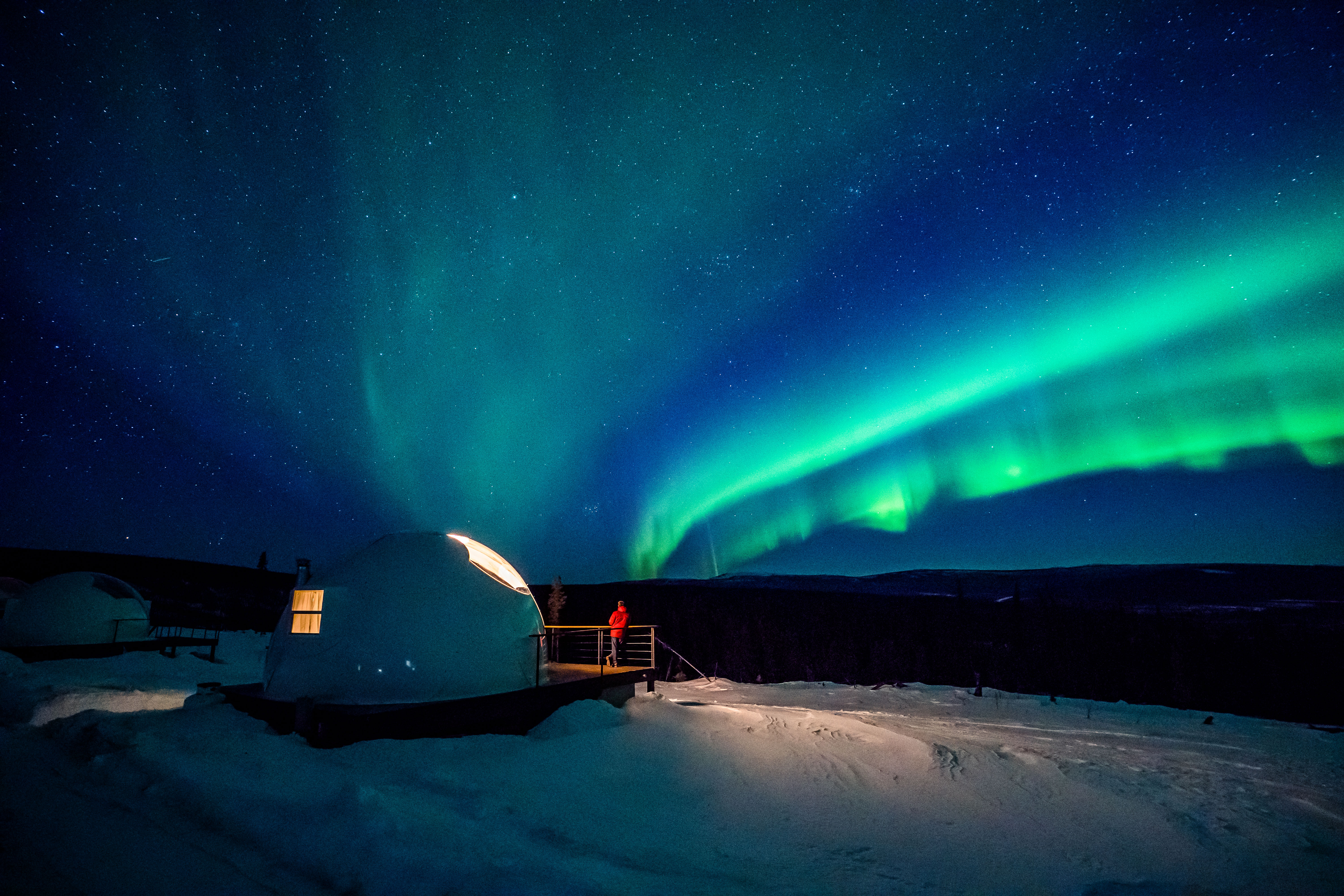
The celestial ballet of the Northern Lights, also known as the Aurora Borealis, is a breathtaking spectacle that draws millions of dreamers to the far reaches of the globe each year. Among the world’s premier destinations for witnessing this natural wonder, Alaska stands out as an unparalleled aurora-chasing haven. With its vast, unspoiled wilderness, minimal light pollution, and strategic location beneath the auroral oval, Alaska offers some of the best opportunities on Earth to experience the vibrant dance of green, pink, and purple shimmering across the night sky.
This comprehensive guide will lead you through the optimal locations, essential tips, and unique experiences that make an aurora hunt in Alaska an unforgettable adventure. Whether you’re a seasoned traveler seeking the ultimate celestial display or planning your first journey into the Alaskan winter wonderland, understanding where and how to maximize your chances of seeing the Northern Lights is key to a successful trip.

Understanding the Aurora Borealis in Alaska
Before embarking on your journey, it’s crucial to grasp the science and seasonal factors influencing the Aurora Borealis. This ethereal light show is caused by collisions between electrically charged particles from the sun that enter the Earth’s atmosphere. These particles are guided by the Earth’s magnetic field towards the poles, creating a glowing curtain of light. Alaska is ideally situated within the “auroral oval,” a ring-shaped region around the Earth’s magnetic pole where auroral activity is most frequent and intense.
Best Time to See the Lights
The prime viewing season for the Northern Lights in Alaska typically runs from late August to late April. During these months, the nights are long and dark enough to allow the aurora to be visible. The darkest months, roughly from November to March, offer the longest windows for viewing. While solar activity plays a significant role in the aurora’s intensity, clear, dark skies are paramount. A common misconception is that extreme cold enhances the aurora; in reality, cold, clear nights are simply more conducive to viewing because they often mean fewer clouds.
Cloud cover is the single biggest impediment to seeing the lights. Therefore, checking weather forecasts and aurora prediction services (which track solar wind data and geomagnetic activity) is essential. The higher the Kp-index (a measure of geomagnetic activity), the more likely and intense the aurora will be. A Kp-index of 3 or higher is generally considered good for viewing from Alaska.
Top Destinations for Aurora Viewing in Alaska
While the Northern Lights can theoretically be seen from anywhere in Alaska under the right conditions, certain locations offer consistently better chances due to their latitude, remoteness, and infrastructure tailored for aurora tourism.
Fairbanks: The Aurora Capital of Alaska
Widely recognized as the best place in Alaska to see the Northern Lights, Fairbanks is strategically located beneath the auroral oval. Its interior continental climate means colder, drier air and more clear nights than coastal areas. Fairbanks boasts an excellent aurora viewing success rate, with estimates suggesting that if you stay for three nights, you have over a 90% chance of seeing the lights, provided the skies are clear.
- Chena Hot Springs Resort: Located about 60 miles northeast of Fairbanks, Chena Hot Springs Resort is an iconic aurora-viewing spot. Imagine soaking in natural hot springs while the aurora dances above you – it’s a quintessential Alaskan experience. The resort offers various aurora tours, including snow coach rides to high-elevation viewing yurts. It also provides comfortable accommodations and other winter activities like dog sledding and ice museum visits.
- Ester Dome and Murphy Dome: These elevated locations near Fairbanks offer panoramic views away from city lights. Many aurora tour operators will take guests to these or similar remote spots for optimal viewing. Murphy Dome, being higher and further out, often provides an even darker sky.
- University of Alaska Fairbanks: The Geophysical Institute at the University of Alaska Fairbanks provides excellent aurora forecasts, often more localized and detailed than general forecasts. Their campus also hosts some slightly elevated, darker spots away from the immediate city glow.
- Creamer’s Field Migratory Waterfowl Refuge: Just a short drive from downtown Fairbanks, this refuge offers expansive, flat fields that provide an unobstructed view of the northern sky. It’s easily accessible and a popular spot for locals and visitors alike.
Anchorage: Gateway to Alaska’s Wonders
While Fairbanks holds the crown for aurora viewing, Anchorage, Alaska’s largest city, can also offer glimpses of the Northern Lights, especially during strong displays. However, its higher light pollution and more coastal weather patterns (leading to more cloud cover) make it less reliable. To see the aurora from Anchorage, you’ll typically need a Kp-index of 4 or higher and clear skies.
- Outskirts of Anchorage: Head away from the city center, perhaps north towards Eagle River or south along the Turnagain Arm (though the mountains here can block northern views). The Glen Alps area, part of Chugach State Park, offers elevated views and a darker sky within a reasonable drive.
- Girdwood: About an hour south of Anchorage, the resort town of Girdwood offers a darker environment. While still south of the prime auroral oval, strong displays can be visible from here, often complementing the stunning mountain scenery. Accommodations like the Hotel Alyeska provide luxurious stays with potential aurora viewing opportunities from balconies on clear nights.
Denali National Park: Wilderness and Wonder
Denali National Park and Preserve offers an unparalleled wilderness experience, and its dark skies make it an excellent location for aurora viewing. The park is less accessible in winter, with most of the park road closed to private vehicles beyond Savage River. However, the accessible areas near the park entrance, particularly in late August/early September or late March/early April, can be fantastic.

- Park Entrance Area: Stay at lodges or cabins near the park entrance. The absence of light pollution within the park boundaries creates incredibly dark conditions. The backdrop of the Alaska Range can also add a dramatic element to your aurora photography.
- Winter Camping/Lodging: For the adventurous, some winter camping options or backcountry cabins exist for those willing to brave the cold and limited access. This provides truly isolated viewing opportunities. Remember that winter visitation requires significant planning and self-sufficiency.
The Arctic: Utqiagvik (Barrow) and the Dalton Highway
For the ultimate arctic aurora experience, venturing further north into Alaska’s Arctic region provides the highest latitude and therefore the best chance to be directly under the auroral oval.
- Utqiagvik (Barrow): As the northernmost city in the United States, Utqiagvik experiences long periods of darkness in winter, including a month of polar night. This drastically increases aurora visibility. However, reaching Utqiagvik requires a flight, and it’s an expensive destination with limited tourism infrastructure. The extreme cold and isolation are also factors to consider.
- Dalton Highway (Hwy 11): This remote, mostly gravel road stretches 414 miles from just north of Fairbanks to Deadhorse near Prudhoe Bay on the Arctic Ocean. Driving the Dalton Highway is an adventure in itself, often undertaken by experienced drivers in suitable vehicles. Stops like Coldfoot (about halfway up the highway) offer extremely dark skies and basic accommodations at the Coldfoot Camp. The journey offers unparalleled solitude and incredible dark-sky opportunities. You’ll pass over the Yukon River and cross the Arctic Circle, often with prime aurora viewing potential.
Enhancing Your Aurora Chase Experience
Seeing the Northern Lights isn’t just about being in the right place; it’s also about preparation, patience, and making the most of your time in Alaska.
Choosing the Right Time and Accommodation
Flexibility is your best friend when chasing the aurora. Consider staying for at least 3-5 nights in a prime location like Fairbanks to maximize your chances.
- Aurora-Friendly Stays: Many accommodations, especially around Fairbanks, cater to aurora enthusiasts. Look for lodges and hotels that offer aurora wake-up calls (staff will notify you if the lights appear), or have dedicated viewing areas. Some, like the Aurora Borealis Lodge near Fairbanks, are designed specifically for aurora viewing with cabins offering direct views. In Anchorage, while less focused on aurora, hotels like the Hotel Captain Cook or The Lakefront Anchorage provide comfortable bases for day trips to darker areas. Further afield, places like Sulu Lodge offer remote cabin experiences.
- Booking in Advance: Especially during peak season (winter holidays and March), accommodations and popular aurora tours book up quickly. Secure your bookings well in advance.
Guided Tours and Expeditions
For many, a guided tour is the best way to experience the aurora. Local guides have intimate knowledge of the best viewing spots, monitor weather and aurora forecasts, and can provide transportation to remote, dark locations.
- Types of Tours: Options range from comfortable bus tours to heated yurts, snowmobile excursions, dog sledding trips combined with aurora viewing, and even multi-day expeditions along the Dalton Highway.
- Benefits: Guides offer expertise, photography assistance, warm shelter, and often hot beverages and snacks. They also handle the logistics of driving on icy winter roads. Operators like Alaskan Aurora Adventures or Fairbanks Aurora Tours are highly rated.
Photography Tips for Capturing the Lights
Capturing the aurora is a rewarding challenge. Here are quick tips:
- Equipment: A DSLR or mirrorless camera with manual settings, a wide-angle lens (f/2.8 or wider is ideal), a sturdy tripod, and extra batteries (cold drains them quickly). A remote shutter release is also helpful.
- Settings: ISO 800-3200 (or higher), aperture as wide as possible (f/2.8-f/4), and shutter speed between 5-30 seconds depending on aurora intensity.
- Focus: Manual focus set to infinity.
- Practice: Familiarize yourself with your camera settings before going out in the cold and dark.
Beyond the Lights: Alaskan Winter Experiences
Your Alaskan adventure shouldn’t solely revolve around chasing the aurora. Alaska in winter offers a plethora of unique activities that complement your aurora hunt.
- Dog Sledding: Experience the thrill of mushing through snow-covered trails, a quintessential Alaskan activity. Many tours offer short rides or longer expeditions.
- Ice Sculpting and Ice Art: Visit the Ice Art Park in Fairbanks during the World Ice Art Championships (typically in March) or enjoy year-round ice exhibits at Chena Hot Springs Resort’s Ice Museum.
- Snowmachining (Snowmobiling): Explore the vast wilderness on a snowmachine, often combined with aurora tours.
- Recreational Ice Fishing: Try your hand at ice fishing on a frozen lake, complete with heated huts.
- Alaskan Wildlife: Visit the Alaska Wildlife Conservation Center near Anchorage or the Alaska Zoo to see native animals like moose, caribou, bison, and bears.
- Cultural Experiences: Learn about Alaska’s rich indigenous cultures at the Alaska Native Heritage Center in Anchorage or visit local museums.
- Scenic Train Rides: Take a winter journey on the Alaska Railroad (e.g., the Aurora Winter Train) between Anchorage and Fairbanks for stunning snow-covered landscapes. You might even spot an aurora from the train on clear nights, though it’s not guaranteed due to light and movement.
A journey to Alaska to witness the Northern Lights is more than just a trip; it’s an immersive experience into one of the world’s last great wildernesses. From the prime viewing spots in Fairbanks to the remote Arctic, the possibilities are as vast as the Alaskan landscape itself. By planning your visit during the darkest months, choosing optimal locations, utilizing local expertise, and embracing the cold, you dramatically increase your chances of witnessing the aurora’s captivating dance. Prepare for cold temperatures with appropriate layers, remain patient, and allow yourself to be mesmerized by the magic that unfolds above. Your Alaskan aurora chase promises to be an adventure of a lifetime.
LifeOutOfTheBox is a participant in the Amazon Services LLC Associates Program, an affiliate advertising program designed to provide a means for sites to earn advertising fees by advertising and linking to Amazon.com. Amazon, the Amazon logo, AmazonSupply, and the AmazonSupply logo are trademarks of Amazon.com, Inc. or its affiliates. As an Amazon Associate we earn affiliate commissions from qualifying purchases.