
For anyone considering a visit, a relocation, or even a long-term stay, one of the fundamental questions that often arises about a new destination is its tax structure. This is especially true for a vibrant state like Arizona, known for its stunning landscapes, bustling cities, and appealing lifestyle. So, to answer the question directly: Yes, Arizona does have a state income tax.
While the existence of an income tax might initially sound like a straightforward answer, the reality is far more nuanced, especially when viewed through the lens of travel, tourism, and lifestyle choices. For travelers, understanding the broader tax environment helps in budgeting for trips, from hotel stays to dining and entertainment. For those contemplating a move or extended stay, the income tax, alongside other state and local taxes, plays a significant role in assessing the overall cost of living and quality of life. Arizona’s tax system, though it includes an income tax, is often considered competitive and, in many ways, designed to foster economic growth and attract both residents and visitors alike.
This article delves into the specifics of Arizona’s income tax, exploring its implications for various types of travelers and residents, and offering insights into how this aspect fits into the broader allure of the Grand Canyon State. Whether you’re planning a luxurious escape to a Scottsdale resort, a family adventure through Saguaro National Park, or contemplating a permanent relocation to Phoenix or Tucson, understanding the financial landscape is key to maximizing your Arizona experience.
Unpacking Arizona’s Income Tax Landscape
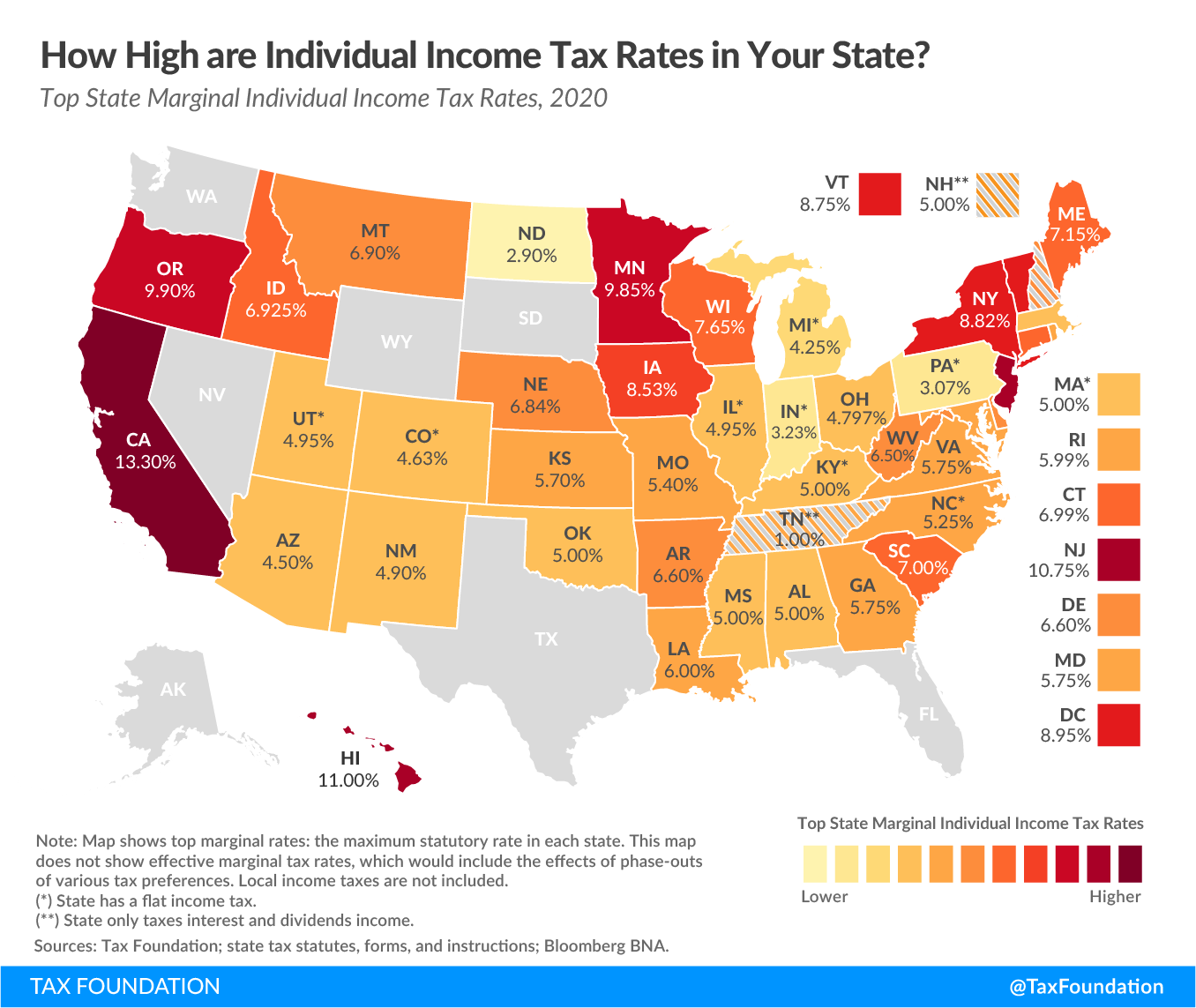
Arizona’s tax system is a blend of various levies, with the state income tax being just one component. Unlike some states in the United States that boast no income tax (such as Nevada or Florida), Arizona utilizes a progressive income tax structure, meaning higher earners generally pay a higher percentage of their income in taxes. However, recent legislative changes have aimed to simplify and reduce these rates, making Arizona an increasingly attractive state from a tax perspective.
A Closer Look at State Income Tax Rates
Historically, Arizona has had multiple income tax brackets. However, a significant tax reform initiative passed in recent years has aimed to move towards a flatter tax system. The ultimate goal, and indeed the current reality, is a single, relatively low flat tax rate for all income levels. This move simplifies the tax process and is intended to enhance Arizona’s economic competitiveness.
For individuals, income earned from wages, salaries, business profits, and certain investments is subject to this state income tax. Deductions and exemptions are available, which can reduce an individual’s taxable income, similar to federal income tax rules. The Arizona Department of Revenue provides comprehensive guidelines and current tax tables, but the general trend has been towards lower, flatter rates, positioning Arizona favorably compared to its neighboring states like California, which traditionally has much higher income tax burdens.
This streamlined income tax system is particularly appealing to various segments of the population. For remote workers considering a relocation, the relatively low and simplified income tax can translate into greater disposable income. For retirees, combined with Arizona’s favorable treatment of retirement income (often exempting Social Security benefits and providing deductions for some pension income), it makes the state an even more attractive destination for enjoying post-career years amidst the perpetual sunshine.
Beyond Income Tax: Other Taxes to Consider
While state income tax is a primary consideration, it’s crucial to understand other taxes that impact both visitors and residents in Arizona. These often have a more direct and immediate effect on the cost of travel and daily expenses.
- Sales Tax (Transaction Privilege Tax – TPT): Arizona imposes a Transaction Privilege Tax (TPT) on businesses for the privilege of doing business in the state, which is typically passed on to the consumer in the form of sales tax. The statewide rate is combined with county and city sales taxes, meaning the total sales tax rate can vary significantly depending on the specific city or county you are in. For example, Phoenix might have a different combined rate than Flagstaff or Sedona. This tax applies to most tangible goods purchased, as well as many services, including restaurant meals and some entertainment. For tourists, this means that virtually every purchase, from souvenirs at the Grand Canyon to a gourmet dinner in Scottsdale, will have sales tax applied.
- Property Tax: For residents, property tax is a significant factor. Arizona generally has relatively low property taxes compared to the national average, especially when considering the value of homes in desirable areas. This affordability contributes to the state’s appeal for homeowners and those looking for long-term accommodation or investment properties. Property taxes are assessed locally by counties, with rates varying based on location and the specific taxing jurisdictions (school districts, cities, etc.).
- Lodging/Hotel Tax: This is a critical tax for travelers. In addition to the standard sales tax, most cities and counties in Arizona impose an additional lodging or hotel occupancy tax on temporary accommodations. This tax can significantly increase the cost of hotel stays, resort bookings, and vacation rentals. Rates vary widely; for example, a luxury resort in Scottsdale might have a higher combined lodging tax rate than a motel in a smaller town. Visitors should always factor this additional percentage into their accommodation budgeting, as it can add a substantial amount to the total bill, especially for longer stays or premium accommodations.
The Financial Footprint for Arizona Travelers and Tourists
Understanding Arizona’s tax structure, particularly sales and lodging taxes, is essential for any traveler. These taxes directly influence the cost of a vacation and how much you’ll need to budget for your trip.
Impact on Accommodation and Daily Expenses
The hotel and lodging tax is arguably the most impactful tax for tourists. When booking a hotel, suite, resort, apartment, or villa in any of Arizona’s popular destinations like Phoenix, Tucson, Sedona, or Flagstaff, you’ll notice a line item for various taxes and fees that can collectively add 10-20% (or even more in some areas) to your base room rate. This is a crucial factor when comparing accommodation prices and can significantly inflate the total cost of your stay, especially for extended visits or bookings at high-end establishments.
Beyond accommodation, the state’s sales tax applies to nearly everything else a tourist might purchase. Dining out, whether it’s a quick lunch or a celebratory dinner, will include sales tax. Shopping for local crafts, outdoor gear for a hike up Camelback Mountain, or even groceries for a self-catered apartment stay will be subject to this tax. Admission fees to attractions like the Desert Botanical Garden or Petrified Forest National Park may also be taxed, depending on the specific venue and its classification.
For those planning to rent a car, vehicle rental taxes and fees are also common, adding another layer of cost. These various taxes, while individually seeming minor, can accumulate quickly over the course of a trip, making a notable difference in your overall travel expenses.
Budgeting for Your Arizona Adventure
When planning your trip to Arizona, a smart approach to budgeting involves anticipating these taxes. Here are some tips:
- Accommodation: When researching hotels, resorts, or vacation rentals, always look for the “total price” or carefully examine the breakdown of charges to see the included taxes and fees. Websites typically display base rates, but the final price can be considerably higher once taxes are added. For long-term stays, discussing potential tax implications with the accommodation provider can be beneficial, as some taxes might vary for stays exceeding a certain duration.
- Dining and Shopping: Factor in sales tax (typically around 6-9% depending on location) when estimating meal costs and shopping expenses. A $50 meal could easily become $54-$55 with tax, and those small additions add up.
- Activities and Attractions: Check if quoted prices for tours, activities, or entrance fees are inclusive of taxes, or if tax will be added at the point of sale.
- Transportation: Be aware of any additional taxes and fees on car rentals or ride-sharing services.
- Booking Packages: Sometimes, booking an all-inclusive package might help to bundle taxes, but it’s still wise to understand what’s covered.
By being mindful of Arizona’s various taxes, travelers can create more accurate budgets, avoid surprises, and ensure a smoother, more enjoyable travel experience. It’s also worth noting that taxes contribute to the infrastructure and public services that enhance the tourism experience, from maintaining National Parks and State Parks to funding visitor centers and road improvements.
Arizona’s Appeal: A Lifestyle Perspective
Beyond the immediate financial implications for tourists, Arizona’s overall tax environment, including its income tax, significantly shapes its appeal as a place to live, work, and even for extended business stays. The state’s approach to taxation is a key component of its lifestyle proposition.
Retirement and Relocation Considerations
Arizona consistently ranks as one of the top states for retirees in the United States, and its tax policies play a substantial role in this reputation. The recent shift towards a lower, flatter income tax rate makes the state more attractive for those with pension income, 401(k) distributions, and other forms of taxable retirement income. Crucially, Arizona exempts Social Security benefits from state income tax, which is a significant financial relief for many seniors.
Combined with relatively affordable property taxes and a cost of living that, while rising in some metropolitan areas, remains competitive compared to coastal giants like California, Arizona offers a compelling package. This allows retirees to enjoy their fixed incomes further, whether they choose to settle in the bustling urban centers of Mesa or Chandler, the active adult communities around Phoenix and Glendale, or the more tranquil settings of Prescott or Yuma. The ability to stretch retirement savings further, combined with the state’s mild winters, abundant sunshine, and access to world-class healthcare, solidifies Arizona’s status as a premier retirement destination.
For individuals and families considering relocation for work or a change of pace, the state’s competitive income tax rates and overall lower tax burden compared to some other states make the move financially viable. This contributes to a robust and growing population, fostering diverse local cultures and communities, which in turn enhances the tourism experience with new restaurants, attractions, and cultural events.
Business and Investment Climate
A state’s tax policies don’t just affect individuals; they also profoundly impact businesses and investors. Arizona’s competitive corporate income tax rates and efforts to streamline business taxation are designed to attract companies, stimulate economic growth, and create jobs. This positive business climate directly benefits the tourism and hospitality sectors.
When businesses find Arizona an attractive place to operate, it leads to:
- Increased Investment in Hospitality: New hotels, resorts, entertainment venues, and restaurants are developed, offering more choices and amenities for travelers. This includes everything from boutique hotels in Tempe to sprawling luxury resorts in Scottsdale.
- Improved Infrastructure: Tax revenues support the development and maintenance of roads, airports (like Phoenix Sky Harbor International Airport), and public transportation, making travel within the state more convenient and efficient.
- Diverse Attractions: A healthy economy supports a wider array of attractions, from museums and art galleries to adventure tourism operators offering everything from hot air balloon rides over Sedona to rafting trips near the Grand Canyon.
- Job Growth: A thriving business sector creates jobs, which contributes to a stable local economy and helps fund the service industries that cater to tourists.
The state’s overall economic health, influenced by its tax structure, thus underpins the quality and variety of travel and lifestyle experiences available in Arizona.
Maximizing Your Stay: Financial Tips for Arizona Visitors
Beyond just understanding the tax landscape, there are practical strategies to help visitors manage their finances effectively while enjoying all that Arizona has to offer.
- Research Specific Local Tax Rates: Before arriving, do a quick online search for the specific sales and lodging tax rates in the cities you plan to visit. Rates in Phoenix might differ from Lake Havasu or Antelope Canyon areas. This foresight allows for more accurate budgeting.
- Consider Vacation Rentals for Longer Stays: For extended trips, especially family trips or business stays, vacation rentals (apartments, villas) might offer better value than hotels, even with lodging taxes. Some jurisdictions might have different tax structures for rentals exceeding 30 days. Plus, having a kitchen can significantly reduce dining-out expenses, indirectly saving on sales tax.
- Utilize Hotel Rewards Programs: If you frequently travel, leverage hotel loyalty programs. Earning points or elite status can lead to free nights or upgrades, helping to offset the impact of lodging taxes on paid stays.
- Look for Deals and Packages: Many resorts and tour operators offer seasonal promotions or bundled packages that can provide savings on accommodation, activities, and dining. While taxes will still apply, the overall reduced base cost can make your trip more affordable.
- Take Advantage of Free Attractions: Arizona is rich in natural beauty, much of which is free or has minimal entrance fees. Hiking trails, scenic drives (such as through Monument Valley), and exploring the charming streets of old towns can fill your itinerary without breaking the bank on taxable activities.
- Cook Your Own Meals: For budget travelers, particularly those staying in accommodations with kitchenettes, purchasing groceries and preparing some meals can save a significant amount on restaurant sales tax and tips.
- Understand Rental Car Taxes and Fees: Be aware that car rental companies often impose various taxes and surcharges. Factor these into your transportation budget. Comparing prices across different rental agencies is always a good strategy.
- Plan Ahead for Major Purchases: If you plan on making any significant purchases during your trip (e.g., artwork, outdoor equipment), factor in the sales tax to the total cost.
By being financially astute and leveraging these tips, visitors can ensure that Arizona’s tax structure doesn’t overshadow the enjoyment of its unparalleled attractions, from the awe-inspiring Grand Canyon to the serene deserts and vibrant urban centers. The key is informed decision-making and proactive budgeting.

Conclusion
So, does Arizona have income tax? The answer is a resounding yes. However, its state income tax, especially with recent reforms moving towards a flatter, lower rate, is often considered competitive within the United States. More importantly, when planning a trip or considering a move to this spectacular corner of North America, it’s the broader tax landscape—including sales tax, property tax, and particularly lodging taxes—that truly shapes the financial experience for travelers and potential residents.
For tourists, the impact of sales and lodging taxes means careful budgeting for accommodation, dining, and activities is essential to avoid surprises. For those drawn to Arizona for its appealing lifestyle, whether for retirement, remote work, or business opportunities, the overall tax environment, including the income tax and relatively low property taxes, makes a compelling case for choosing the Grand Canyon State. This carefully balanced tax structure supports a robust economy, excellent infrastructure, and a thriving hospitality sector, all of which contribute to the rich tapestry of experiences awaiting visitors.
Ultimately, Arizona remains an incredibly attractive destination for its diverse travel experiences, world-class hotels and resorts, vibrant local culture, and exceptional quality of life. Understanding its tax system simply empowers you to make the most of your adventure, ensuring that financial considerations enhance rather than detract from your time in this truly remarkable state. Whether you’re hiking near the Hoover Dam, exploring the red rocks of Sedona, or enjoying the urban amenities of Phoenix, a clear understanding of the financial landscape will help you plan a seamless and unforgettable journey.
LifeOutOfTheBox is a participant in the Amazon Services LLC Associates Program, an affiliate advertising program designed to provide a means for sites to earn advertising fees by advertising and linking to Amazon.com. Amazon, the Amazon logo, AmazonSupply, and the AmazonSupply logo are trademarks of Amazon.com, Inc. or its affiliates. As an Amazon Associate we earn affiliate commissions from qualifying purchases.