
The allure of the Grand Canyon, one of the world’s most breathtaking natural wonders, draws millions of visitors each year. For many, their journey begins in Phoenix, Arizona, a bustling desert metropolis known for its vibrant culture, stunning landscapes, and an abundance of sunshine. The question “How far is Phoenix, Arizona, from the Grand Canyon?” is a fundamental one for anyone planning this iconic American road trip. It’s not just about the mileage; it’s about understanding the journey, the time commitment, and the myriad of experiences that lie between these two distinct Arizona landmarks.
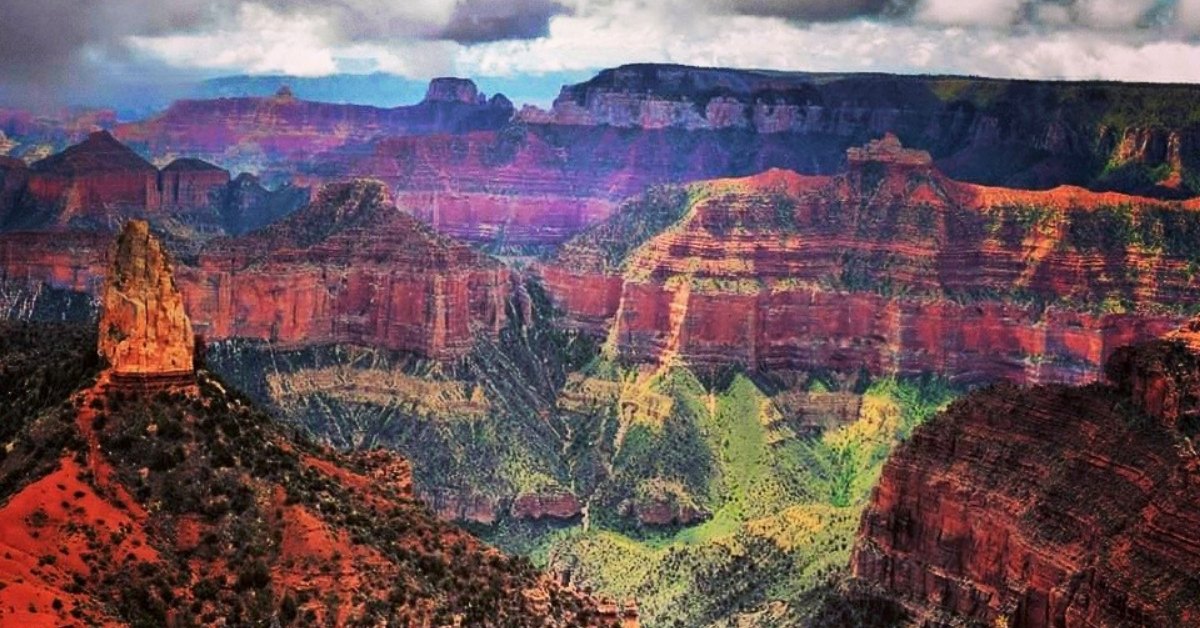
This article serves as your comprehensive guide to bridging the gap between Phoenix and the Grand Canyon. We’ll delve into the precise distances, estimated travel times, various transportation options, and essential tips to transform your trip from a mere drive into an unforgettable adventure. Whether you envision a self-driven expedition, a comfortable bus tour, or a unique train ride, understanding the logistics is the first step towards experiencing the majestic beauty of the Grand Canyon.
The Distance & Travel Time: Bridging the Desert Landscape
The journey from Phoenix to the Grand Canyon is a quintessential Arizona experience, traversing diverse landscapes from arid desert to pine forests. The exact distance and travel time depend primarily on which rim of the Grand Canyon you plan to visit, with the South Rim being the most popular and accessible destination.
Approximate Distances and Driving Times
-
To the Grand Canyon South Rim (Grand Canyon Village):
- Distance: Approximately 230 miles (370 kilometers).
- Driving Time: Roughly 3.5 to 4.5 hours. This estimate is for continuous driving without significant stops. However, it’s advisable to factor in additional time for fuel, restroom breaks, and potential scenic detours. Traffic can also influence the journey, especially during peak travel seasons or around major holidays. The primary route involves taking Interstate 17 (I-17) north from Phoenix to Flagstaff, then connecting to U.S. Route 180 or Arizona State Route 64 towards the Grand Canyon National Park entrance.
-
To the Grand Canyon North Rim:
- Distance: Approximately 350 miles (560 kilometers).
- Driving Time: Around 6-7 hours. The North Rim is considerably farther and involves a different, often more remote, route. It’s also important to note that the North Rim is typically closed from mid-October to mid-May due to snow, making it a seasonal destination. Its remoteness offers a distinct, less crowded experience, but requires more extensive planning.
Given the typical preference for the South Rim due to its accessibility and year-round availability, the discussion below will primarily focus on travel to this more frequently visited section of the Grand Canyon.
Navigating the Journey: Your Travel Options
While driving yourself offers unparalleled flexibility, there are several ways to travel from Phoenix to the Grand Canyon, each with its own advantages, catering to different preferences and travel styles.
Driving: The Most Popular Choice
For many visitors, renting a car and driving is the preferred method, offering the freedom to stop at leisure, explore off-the-beaten-path attractions, and control your schedule. The drive itself is part of the experience, transforming from the saguaro-dotted desert around Phoenix to the pine forests near Flagstaff and eventually to the awe-inspiring vistas of the Grand Canyon.
The most common route is to take I-17 North from Phoenix towards Flagstaff. This stretch is generally well-maintained and offers stunning views, especially as you gain elevation. Once in Flagstaff, you have two main options to reach the South Rim:
- U.S. Route 180 North: This route is generally considered faster and leads directly to the main entrance (Grand Canyon Village) from the west.
- Arizona State Route 64 North (from Williams): If you continue on I-17 past Flagstaff to Williams (a charming Route 66 town), you can then take AZ-64 North directly to the park’s main entrance. Williams is also home to the historic Grand Canyon Railway, offering a unique alternative for the final leg of your journey.
Tips for Driving:
- Car Rental: Phoenix Sky Harbor International Airport (PHX) has numerous car rental agencies. Book in advance, especially during peak seasons.
- Fuel Up: Gas stations become scarcer and more expensive closer to the Grand Canyon. Fill your tank in Phoenix or Flagstaff.
- Navigation: While cell service is generally good on major highways, download offline maps as coverage can be spotty within the National Park itself.
- Weather: Be prepared for varying weather conditions. Phoenix can be scorching, while the Grand Canyon can experience snow even in spring and fall.
Bus Tours & Shuttles: Convenience and Guided Experiences
For those who prefer a hands-off approach, numerous tour operators offer day trips or multi-day excursions from Phoenix to the Grand Canyon. These tours typically include transportation, park entrance fees, and sometimes a guide who provides insightful commentary about the geology, history, and culture of the region.
Pros:
- No Driving Stress: Sit back, relax, and enjoy the scenery without worrying about navigation or parking.
- Expert Commentary: Guides can enrich your experience with historical facts and local insights.
- Convenience: Many tours offer hotel pickup and drop-off in Phoenix.
Cons:
- Less Flexibility: You’re on a fixed schedule with limited time at each viewpoint.
- Group Experience: May not appeal to those seeking a more solitary or customizable adventure.
Popular tour companies include those offering luxury coach services, often stopping at additional attractions like Sedona or Williams en route.
Flying: Quickest but with Caveats
While there isn’t a direct commercial flight into the Grand Canyon National Park itself from Phoenix, you can fly to nearby airports to significantly reduce driving time.
- Flagstaff Pulliam Airport (FLG): Flights from Phoenix to Flagstaff are short (around 30-45 minutes). From Flagstaff, you’d still need to drive about 1.5 to 2 hours to the South Rim or arrange for a shuttle service.
- Grand Canyon National Park Airport (GCN): Located just 7 miles (11 km) south of Grand Canyon Village in Tusayan, GCN primarily serves scenic helicopter and small plane tours. There are no regular commercial flights directly from Phoenix to GCN, but charter flights might be an option for those seeking a premium, time-sensitive experience.
This option is generally less cost-effective than driving or a bus tour once you factor in connecting ground transportation. However, taking a helicopter tour over the Grand Canyon from Tusayan or even Las Vegas can be a highlight of your trip, offering unparalleled aerial views.
Train Journeys: A Scenic and Historic Alternative
For a nostalgic and unique travel experience, consider combining a drive with a train ride on the historic Grand Canyon Railway.
- You would first drive from Phoenix to Williams (approximately 2.5-3 hours).
- From Williams, board the Grand Canyon Railway for a scenic two-hour journey directly to the South Rim (right near Grand Canyon Village). This train ride offers different classes of service, live entertainment, and stunning views, evoking the golden age of rail travel. It’s an excellent choice for families or anyone looking to add a unique historical dimension to their trip.
Planning Your Grand Canyon Adventure from Phoenix
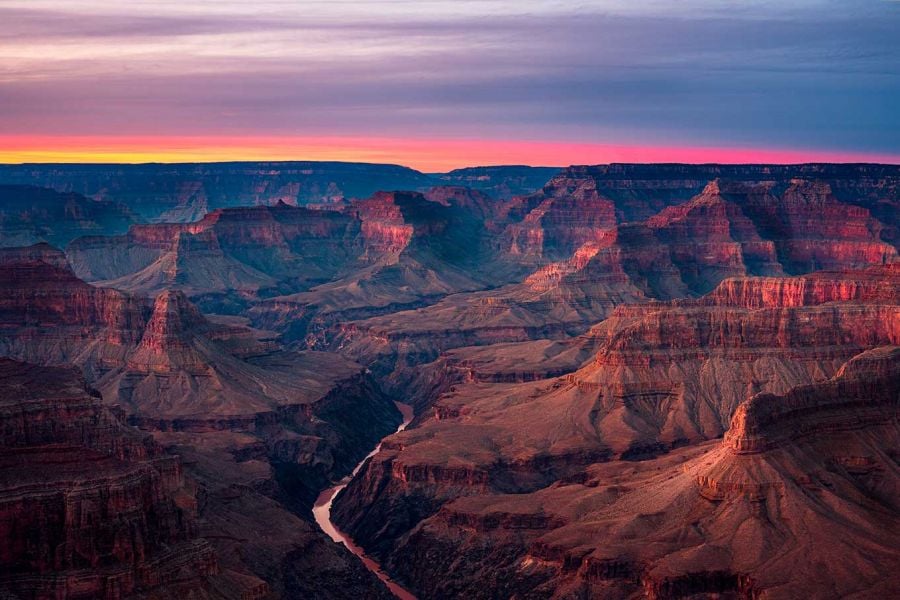
Beyond simply getting there, optimizing your visit requires thoughtful planning, from choosing your rim to deciding on accommodation and activities.
Choosing Your Grand Canyon Rim
As mentioned, the Grand Canyon has two primary accessible rims:
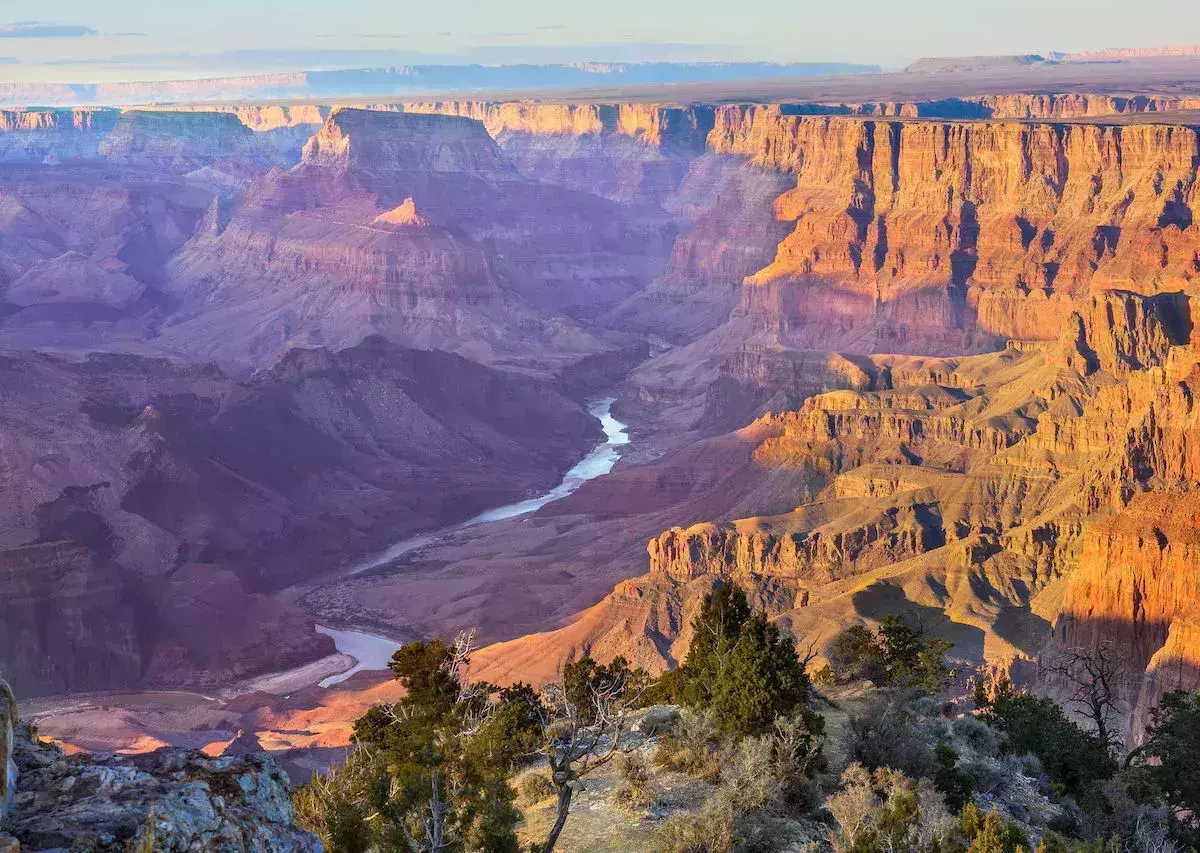
- South Rim: This is by far the most visited and developed section. It’s open year-round, offers numerous viewpoints, extensive visitor services, and a wide array of lodging and dining options. Its proximity to major highways and towns like Flagstaff and Williams makes it the default choice for most travelers. Iconic viewpoints like Mather Point, Yavapai Point, and Desert View Watchtower are located here.
- North Rim: Offering a more secluded and tranquil experience, the North Rim is only open seasonally (typically May 15 to October 15). It sits at a higher elevation, has a different ecosystem (more forested), and generally fewer services. The views are equally spectacular but from a different perspective. It’s ideal for those seeking solitude and a less commercialized visit.
Given the typical travel patterns from Phoenix and the year-round accessibility, the South Rim is the logical and recommended destination for most visitors.
Where to Stay: Accommodation Near the Grand Canyon
Accommodation is a crucial aspect of your trip planning. Booking well in advance is highly recommended, especially for lodging inside the National Park.
-
Inside Grand Canyon National Park (South Rim): Staying within the park offers the unparalleled convenience of being mere steps away from the canyon’s edge and its myriad trails. Options include:
- Historic Lodges: El Tovar Hotel, a grand historic hotel right on the rim.
- Modern Lodges: Bright Angel Lodge, Kachina Lodge, Thunderbird Lodge, Maswik Lodge, and Yavapai Lodge. These vary in price and amenities but all provide excellent access.
- Camping: Several campgrounds are available, including Mather Campground (reservations essential) and Desert View Campground (first-come, first-served, seasonal).
-
In Tusayan: Just 7 miles (11 km) south of the South Rim entrance, Tusayan offers several hotels, restaurants, and services, including the Grand Canyon Plaza Hotel and Best Western Premier Grand Canyon Squire Inn. This is a popular alternative if in-park lodging is fully booked or if you prefer a slightly wider selection of amenities.
-
In Williams: Approximately an hour’s drive (60 miles) from the South Rim, Williams provides a charming, historic Route 66 town experience with various hotel options. It’s an excellent base if you plan to take the Grand Canyon Railway.
-
In Flagstaff: About 1.5 to 2 hours (80 miles) from the South Rim, Flagstaff is a larger city with a broader range of hotels, restaurants, and urban amenities. It’s a good choice if you’re combining your Grand Canyon trip with other northern Arizona attractions.
Must-See Attractions & Activities
Once you arrive, the options for exploration are endless:
- Viewpoints: Drive or take the free park shuttle to numerous overlooks such as Mather Point, Hopi Point (sunset views), and Desert View Watchtower for unparalleled vistas.
- Hiking: Even short walks along the paved Rim Trail offer incredible views. For more adventurous hikers, day trips into the canyon via trails like Bright Angel Trail or South Kaibab Trail are popular. Remember that hiking down is easier than hiking back up!
- Ranger Programs: Attend free ranger-led talks and walks to learn about the canyon’s geology, wildlife, and history.
- Helicopter Tours: Experience the canyon from a bird’s-eye perspective with a scenic helicopter tour departing from Tusayan.
- Whitewater Rafting: For the ultimate adventure, consider a multi-day whitewater rafting trip down the Colorado River at the bottom of the canyon (requires extensive planning and permits).
- Phantom Ranch: If you’re planning an overnight hike to the bottom of the canyon, Phantom Ranch offers rustic lodging and meals (reservations are extremely difficult to obtain, often requiring a lottery).
- Havasupai and Havasu Falls: While not directly within the Grand Canyon National Park boundaries, the stunning blue-green waters of Havasu Falls in the Havasupai Indian Reservation are a bucket-list destination for many. Access is strictly controlled by the Havasupai Tribe, requiring hard-to-get permits and a challenging hike to Supai Village.
Making the Most of Your Trip: Tips for a Seamless Experience
To ensure your Phoenix to Grand Canyon adventure is as smooth and enjoyable as possible, consider these practical tips:
Best Time to Visit
- Spring (March-May) and Fall (September-November): These shoulder seasons offer the most pleasant weather, fewer crowds than summer, and vibrant colors (wildflowers in spring, changing leaves in fall). Day temperatures are mild, but nights can still be cool.
- Summer (June-August): The most popular time, leading to significant crowds and higher temperatures, especially in Phoenix and at the canyon’s rim. Inner canyon temperatures can be extreme. Book everything well in advance.
- Winter (December-February): Offers a unique, serene experience with fewer visitors and potential for snow-dusted canyon views. Some roads and services on the South Rim may be limited, and the North Rim is closed. Dress warmly.
Essential Packing List
Regardless of the season, a well-prepared packing list is crucial:
- Layers of Clothing: Temperatures can fluctuate dramatically between day and night, and between Phoenix and the canyon rim.
- Comfortable Walking Shoes: Essential for exploring viewpoints and trails.
- Sun Protection: Hat, sunglasses, and high-SPF sunscreen are vital due to the high elevation and intense Arizona sun.
- Water Bottles: Stay hydrated, especially if hiking. Carry more water than you think you’ll need.
- Snacks: While dining options exist, having snacks can save time and money.
- Camera: You’ll want to capture every moment of this incredible landscape.
- Binoculars: Enhance your view of the distant canyon features and wildlife.
- First-Aid Kit: For minor scrapes or blisters, especially if hiking.
Food and Dining
Dining options at the Grand Canyon South Rim range from casual grab-and-go eateries to more formal restaurants. Inside Grand Canyon Village, you’ll find:
- Maswik Cafeteria: A convenient option for breakfast, lunch, and dinner.
- Bright Angel Bicycles and Café: Offers light fare, coffee, and bike rentals.
- El Tovar Dining Room: A historic, upscale dining experience with canyon views (reservations highly recommended).
- General Stores: Offer groceries and picnic supplies.
Outside the park, Tusayan, Williams, and Flagstaff offer a wider variety of restaurants, from fast food to local Arizona cuisine.
Combining Your Trip with Other Arizona Gems
Since you’re already in Arizona, consider extending your trip to explore other incredible destinations:
- Sedona: Famous for its stunning red rock formations, vibrant arts scene, and spiritual vortexes, Sedona is about a two-hour drive north of Phoenix and an hour south of Flagstaff. It’s a fantastic stopover on your way to or from the Grand Canyon.
- Monument Valley: Further east, on the Arizona-Utah border, lies the iconic Monument Valley Navajo Tribal Park, known for its towering sandstone buttes. While a longer detour (about 3.5 hours from the South Rim), it offers a vastly different, yet equally awe-inspiring, desert landscape.
- Page, Arizona: Home to Antelope Canyon and Horseshoe Bend, Page is located about 2.5 hours east of the Grand Canyon South Rim and makes for another excellent addition to an extended Arizona itinerary.
The journey from Phoenix to the Grand Canyon is more than just a matter of distance; it’s an adventure waiting to unfold. With careful planning, you can choose the best route, accommodation, and activities to create a truly memorable experience. Whether you’re captivated by the scenic drive, the historical charm of the railway, or the convenience of a guided tour, the reward at the end is one of the most magnificent natural spectacles on Earth. So pack your bags, prepare for wonder, and embark on your incredible Arizona journey to the majestic Grand Canyon.
LifeOutOfTheBox is a participant in the Amazon Services LLC Associates Program, an affiliate advertising program designed to provide a means for sites to earn advertising fees by advertising and linking to Amazon.com. Amazon, the Amazon logo, AmazonSupply, and the AmazonSupply logo are trademarks of Amazon.com, Inc. or its affiliates. As an Amazon Associate we earn affiliate commissions from qualifying purchases.