
Navigating the process of registering a vehicle in a new state can often feel like deciphering an ancient riddle, but when it comes to Arizona, clarity and efficiency are the order of the day. Whether you’ve recently moved to the Grand Canyon State, purchased a new vehicle, or are looking to bring a vehicle from out of state, understanding the requirements for vehicle registration is paramount. This guide will walk you through the essential steps, ensuring a smooth and hassle-free experience with the Arizona Department of Transportation (ADOT) Motor Vehicle Division (MVD).
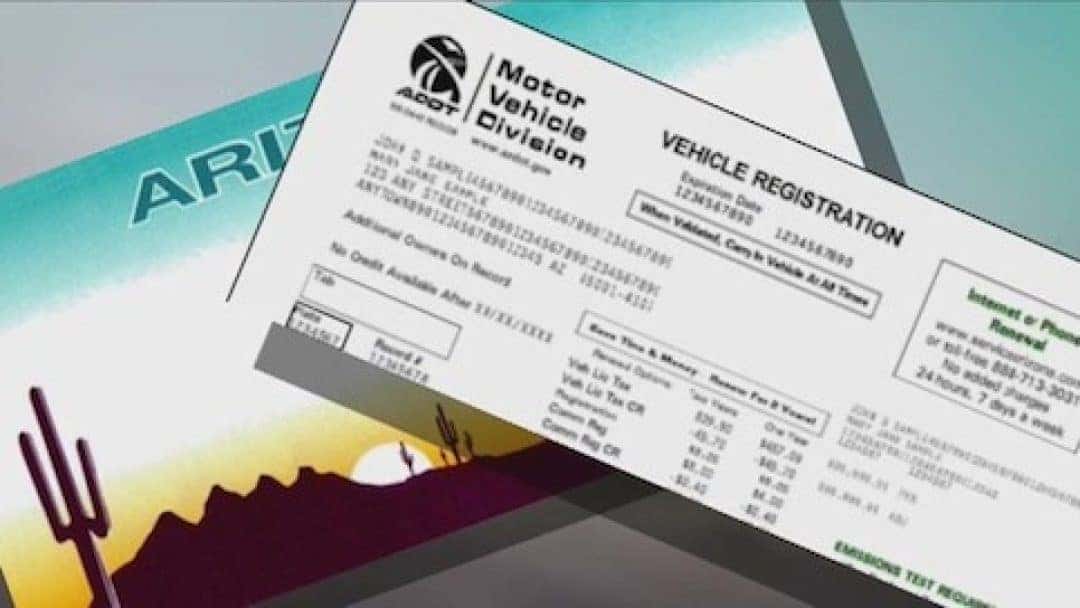
Understanding the Core Requirements for Arizona Vehicle Registration
Before you even step foot into an MVD office or begin the online process, it’s crucial to gather the necessary documentation and understand the fundamental prerequisites for registering your car in Arizona. This proactive approach will save you time and potential frustration.
Proof of Identity and Residency
The first hurdle in registering your vehicle is proving who you are and that you are a resident of Arizona. The MVD requires specific forms of identification to ensure the legitimacy of your registration.
Acceptable Identification Documents
You will need to present original documents that verify your identity. Commonly accepted forms include a valid U.S. driver’s license, a U.S. state-issued ID card, or a U.S. passport. If you are not a U.S. citizen, you will need to provide proof of legal presence in the United States, such as a valid foreign passport with an I-94 form or an Employment Authorization Document.
Establishing Arizona Residency
To register a vehicle in Arizona, you must establish residency. This can be demonstrated through various official documents. Examples include a utility bill (such as electricity, gas, or water) in your name showing your Arizona address, a lease agreement or mortgage statement, or a property tax bill. Employment verification from an Arizona employer, or enrollment in an Arizona educational institution, can also be used to support your residency claim. It’s important to note that temporary visitor status does not qualify for vehicle registration.
Vehicle Information and Documentation
Beyond personal identification, the MVD needs specific information and documentation related to the vehicle you intend to register.
Title and Proof of Ownership
The most critical document for vehicle registration is the vehicle’s title. This document serves as proof of ownership. If you have recently purchased the vehicle, you will need the title properly signed over to you by the previous owner. If you are registering a brand-new vehicle, you will likely receive a Manufacturer’s Statement of Origin (MSO) or a Certificate of Origin (COO), which serves the same purpose as a title. In cases where the vehicle was financed, the lienholder (your lender) may hold the title. You will need to work with your lienholder to obtain the title for registration.
Bill of Sale
While not always mandatory, a bill of sale is highly recommended, especially when purchasing a vehicle from a private party. This document details the transaction, including the buyer’s and seller’s names, the vehicle’s Vehicle Identification Number (VIN), the purchase price, and the date of sale. It provides a clear record of the ownership transfer and can be crucial if any disputes arise.
Navigating the Registration Process: In-Person vs. Online Options
Arizona offers flexibility in how you can complete your vehicle registration. Understanding these options will help you choose the most convenient method for your situation.
The In-Person MVD Experience
For many, visiting an Arizona MVD office is the traditional route. This method allows for immediate assistance and resolution of any potential issues.
Steps at the MVD Office
Upon arrival at an MVD office, you will typically start by obtaining a numbered ticket. You will then be guided to present your identification, proof of residency, and vehicle documentation (title, bill of sale, etc.) to a service representative. They will verify your paperwork, calculate the applicable registration fees and taxes, and process your payment. You will then receive your license plates, registration sticker, and temporary registration. Your official registration documents will likely be mailed to you later.
What to Expect and Tips for Efficiency
Be prepared for potential wait times, especially during peak hours. Visiting early in the morning or later in the afternoon can sometimes reduce your waiting period. Ensure all your documents are organized and readily accessible. If you are registering a vehicle purchased from out of state, there might be additional inspections or requirements to address.
Utilizing the ADOT MVD Online Services
Recognizing the value of convenience, ADOT offers online services that can streamline the registration process for certain transactions.

Eligibility for Online Registration
Online registration is generally available for renewing existing Arizona registrations, replacing lost plates or registration cards, and for specific transactions related to new vehicles purchased from Arizona dealerships. If you are registering a vehicle for the first time that was purchased out of state, or if there are complex ownership transfers, you may still need to visit an MVD office.
The Online Registration Portal
The ADOT MVD website provides a secure portal for online services. You will need to create an account or log in with existing credentials. The platform guides you through a series of steps, requiring you to input vehicle information, upload necessary documents, and make payments electronically. Successful online transactions will result in registration documents and license plates being mailed to your verified address.
Fees, Taxes, and Payment Methods
Understanding the financial aspects of vehicle registration is essential. Arizona levies various fees and taxes that contribute to the upkeep of its infrastructure.
Calculating Registration Fees and Taxes
The cost of registering a vehicle in Arizona is influenced by several factors, including the vehicle’s age, weight, and value, as well as the county in which you reside.
Vehicle Value and Weight Considerations
Newer and more valuable vehicles generally incur higher registration fees. Similarly, heavier vehicles, such as trucks and SUVs, may be subject to different fee structures compared to smaller passenger cars. The MVD website provides calculators and fee schedules to help you estimate these costs.
Transaction Privilege Tax (Sales Tax)
When registering a vehicle purchased in Arizona, you will be required to pay the state’s Transaction Privilege Tax (TPT), also known as sales tax. The rate of this tax varies by county and sometimes by city. If you purchased a vehicle out of state and are now registering it in Arizona, you may be credited for sales tax paid in the other state to avoid double taxation, but this requires proper documentation.
Accepted Payment Methods
The MVD accepts a variety of payment methods to accommodate its customers.
Cash, Check, Money Order, and Credit/Debit Cards
At MVD offices, you can typically pay with cash, personal checks, money orders, and cashier’s checks. Most offices also accept major credit and debit cards, although it’s always a good idea to confirm this with the specific office you plan to visit. Online services will also detail the accepted electronic payment methods, usually including credit and debit cards.
Special Circumstances and Additional Considerations
While the general process is straightforward, certain situations may require additional steps or documentation. Being aware of these special circumstances can prevent unexpected delays.
Registering a Vehicle Purchased Out-of-State
Bringing a vehicle into Arizona from another state involves a few extra considerations to ensure compliance with state regulations.
VIN Inspection and Emissions Testing
For vehicles coming from out-of-state, a Vehicle Identification Number (VIN) inspection is often required. This is to verify that the VIN on the vehicle matches the documentation you provide. Additionally, depending on the county you will be registering the vehicle in (e.g., Maricopa County, Pima County, and Yavapai County have specific requirements), an emissions test may be mandated. These tests ensure that vehicles meet Arizona’s air quality standards. You will need to obtain a passing certificate from an authorized emissions testing station.
Transferring Registration and Plates
If you are moving to Arizona and already have a vehicle registered in another state, you will need to transfer that registration to Arizona.

Timeline for Transferring Registration
Arizona law generally requires new residents to register their vehicles within a specified timeframe after establishing residency, typically 30 days. This means you’ll need to complete the out-of-state transfer process promptly to avoid penalties. You will need to surrender your out-of-state license plates to the MVD when you obtain your new Arizona plates.
By understanding these steps and requirements, you can approach the process of registering your car in Arizona with confidence. A little preparation goes a long way in ensuring a smooth transition into the Grand Canyon State’s automotive landscape.
LifeOutOfTheBox is a participant in the Amazon Services LLC Associates Program, an affiliate advertising program designed to provide a means for sites to earn advertising fees by advertising and linking to Amazon.com. Amazon, the Amazon logo, AmazonSupply, and the AmazonSupply logo are trademarks of Amazon.com, Inc. or its affiliates. As an Amazon Associate we earn affiliate commissions from qualifying purchases.