
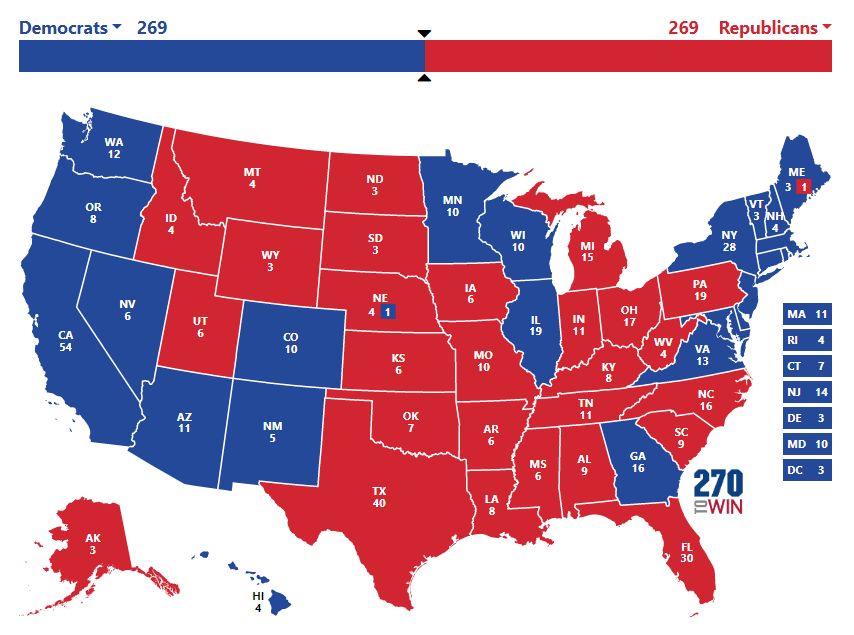
The question of whether Arizona is a “blue” or “red” state has become increasingly prominent in political discourse, reflecting its evolving demographic landscape and status as a crucial swing state in America. However, for those planning a visit, seeking a unique travel experience, or considering a lifestyle change, the political hue of the state often takes a back seat to its unparalleled natural beauty, vibrant urban centers, rich cultural heritage, and diverse hospitality offerings. From the scorching Sonoran Desert to the towering pine forests of the north, Arizona presents a tapestry of experiences that transcends simple political labels, inviting travelers to discover a multifaceted destination where every shade of opinion coexists amidst breathtaking scenery and innovative tourism.
At its core, Arizona is a state of fascinating contradictions and compelling allure. It’s where ancient Native American history intertwines with modern luxury resorts, where rugged outdoor adventures give way to sophisticated dining experiences, and where the silence of vast wilderness is punctuated by the bustle of thriving metropolitan areas. Understanding Arizona from a traveler’s perspective means looking beyond electoral maps and instead immersing oneself in the local culture, exploring its diverse destinations, and appreciating the wide array of lifestyles it accommodates. This article delves into how Arizona’s perceived political identity subtly shapes, yet never defines, the remarkable travel, accommodation, and lifestyle experiences available across this extraordinary state.
Beyond the Ballot Box: Understanding Arizona’s Diverse Political Landscape
To truly appreciate Arizona’s character, it’s helpful to acknowledge its political nuances, not to dwell on partisan divides, but to understand the underlying demographic and cultural currents that shape its regions. Historically, Arizona was a reliably “red” state, but rapid population growth, particularly in its major urban corridors, has brought a more diverse populace and shifted its political leanings. This evolution mirrors a broader trend in the United States, where urban centers often lean “blue” while rural areas tend to remain “red.”
This isn’t just about voting patterns; it influences the social fabric, the types of businesses that thrive, the cultural institutions that are supported, and ultimately, the atmosphere a visitor encounters. While a state’s political identity rarely directly dictates a traveler’s itinerary, it contributes to the overall “vibe” of a place. A perceived “blue” leaning might suggest a more liberal, artsy, and diverse environment, often appealing to those seeking contemporary culture, innovative cuisine, and progressive social attitudes. Conversely, a “red” leaning might evoke images of traditional American values, a focus on outdoor pursuits, and a strong sense of community rooted in local history and heritage. Arizona embodies a blend of both, offering something for every preference.
A Tale of Two Arizonas: Urban Cores vs. Rural Hearts
The most significant aspect of Arizona’s political and cultural landscape for a traveler is the stark contrast between its bustling urban centers and its expansive rural areas. These divisions often correlate with political leanings, creating distinct experiences for visitors.
The Phoenix metropolitan area, encompassing cities like Scottsdale and Tempe, is the heart of “urban Arizona.” This vibrant region is typically considered more “blue-leaning,” especially in its younger, more diverse core. Here, travelers will find a thriving hub of arts and culture, including world-class museums like the Heard Museum and the Musical Instrument Museum, cutting-edge culinary scenes, and a dynamic nightlife. The area is home to numerous luxury hotels and resorts, such as The Phoenician, a Luxury Collection Resort, Sanctuary Camelback Mountain, A Gurney’s Resort & Spa, and the JW Marriott Scottsdale Camelback Inn Resort & Spa. These establishments cater to sophisticated travelers seeking high-end amenities, spa treatments, championship golf courses, and gourmet dining. The architecture here, exemplified by Frank Lloyd Wright’s Taliesin West, often reflects a modernist, innovative spirit.
Similarly, Tucson, Arizona’s second-largest city, also leans “blue.” Known for its rich Sonoran Desert surroundings, vibrant Mexican-American culture, and progressive atmosphere, Tucson offers a different urban experience. Attractions like the Arizona-Sonora Desert Museum and Saguaro National Park emphasize environmental conservation and appreciation for the unique desert ecosystem. The city’s food scene is famous for its authentic Sonoran cuisine, often reflecting a fusion of cultures that appeals to a diverse palate. Loews Ventana Canyon Resort and The Ritz-Carlton, Dove Mountain offer luxurious escapes amidst the desert landscape.
In contrast, the “rural hearts” of Arizona predominantly lean “red.” These areas include vast stretches of the northern plateau, the high desert towns, and the more agricultural regions to the west and south. Towns like Prescott, with its historic Whiskey Row, Flagstaff, a gateway to the Grand Canyon, and Yuma, known for its sunshine and agricultural bounty, offer a more traditional American experience. Here, visitors might find charming bed and breakfasts, rustic cabins, and budget-friendly hotels. The emphasis is often on outdoor activities like hiking, fishing, hunting, and exploring national parks and forests. Landmarks like the Grand Canyon National Park, Petrified Forest National Park, and Monument Valley are natural wonders that attract visitors from all political backgrounds, embodying a universal appreciation for untouched wilderness. These regions often celebrate cowboy culture, frontier history, and a slower pace of life, appealing to those seeking an authentic Western experience or a connection with nature.
Even Sedona, famous for its red rock formations and spiritual vortexes, presents an interesting blend. While its aesthetic and New Age attractions might appeal to more “blue-leaning” individuals seeking wellness and alternative therapies, its strong connection to the land and outdoor adventure (hiking, mountain biking) also draws a broader audience, including those from more “red-leaning” backgrounds. Luxury resorts like Enchantment Resort and L’Auberge de Sedona cater to a high-end clientele looking for serenity and natural beauty, transcending political labels.
The Influence on Arizona’s Tourism and Lifestyle Offerings
The political leanings, or more accurately, the underlying demographic and cultural diversity they represent, profoundly influence the types of tourism and lifestyle offerings available across Arizona. It’s not that “blue” visitors only go to “blue” places, but rather that the local culture shaped by these demographics creates different environments and attractions.
Reflecting Lifestyles: From Luxury Resorts to Rustic Retreats

Arizona’s accommodation landscape beautifully illustrates this spectrum. In the “blue-leaning” urban cores of Phoenix and Tucson, the emphasis is often on luxury, innovation, and diverse amenities. Resorts here compete to offer world-class spas, gourmet dining experiences by celebrity chefs, infinity pools, and high-tech conference facilities. Places like Hyatt Regency Scottsdale Resort & Spa at Gainey Ranch and Omni Scottsdale Resort & Spa at Montelucia epitomize this blend of opulence and modern convenience. These cater to both luxury travelers and business stays, often attracting a demographic that values sophisticated services and contemporary aesthetics.
Conversely, in the “red-leaning” rural areas, the focus shifts to more rustic, authentic, and often budget-friendly accommodations. Think cozy lodges near the Grand Canyon, family-run motels in historic towns like Jerome or Bisbee, or RV parks catering to outdoor enthusiasts. These options appeal to travelers seeking adventure, a connection with nature, or an immersive historical experience without the frills of urban luxury. For those exploring Arizona’s vast natural landmarks like Canyon de Chelly National Monument or Chiricahua National Monument, simple, comfortable lodging that serves as a base for exploration is often preferred. Even within this category, there are unique offerings, such as glamping experiences that bridge the gap between rugged camping and comfortable stays, attracting a broad spectrum of travelers.
Family trips are well-served across the entire state. Urban areas provide attractions like the Desert Botanical Garden and numerous family-friendly resorts with expansive pool complexes. Rural areas offer unforgettable experiences at Kartchner Caverns State Park, Montezuma Castle National Monument, or rafting trips down the Colorado River near the Hoover Dam and Lake Mead. This diverse range ensures that whether one prefers urban excitement or wilderness serenity, suitable accommodation and activities are readily available.
Culture, Cuisine, and Community: Experiencing Arizona’s Vibe
The culinary scene in Arizona vividly reflects its cultural and demographic diversity. In Phoenix and Scottsdale, you’ll discover a sophisticated food landscape with everything from farm-to-table restaurants and international fusion cuisine to trendy cafes and upscale steakhouses. The diversity in dining options is often a hallmark of more “blue-leaning” urban environments, where a wider range of tastes and culinary innovation is celebrated. Old Town Scottsdale, for instance, offers a mix of historic charm and modern gastronomic delights.
Tucson’s reputation as a UNESCO City of Gastronomy highlights its deep connection to Sonoran cuisine, showcasing the fusion of indigenous, Mexican, and American influences. This vibrant food culture, embracing local ingredients and traditional techniques, appeals to foodies regardless of political affiliation, but its authenticity and cultural depth are often appreciated by those who value diverse cultural experiences.
Moving into the “red-leaning” rural areas, the culinary offerings tend to be more traditional, featuring hearty American fare, comfort food, and local diners. Steakhouses, BBQ joints, and establishments serving classic Western dishes are common. These places embody a sense of community and tradition, offering a taste of regional identity.
The arts and culture scene also varies. Urban areas boast theaters, galleries, and performance venues that host a wide range of contemporary and classical arts. The Desert Botanical Garden in Phoenix combines nature with art installations, and the Biosphere 2 near Tucson offers a unique scientific and educational experience. In contrast, rural communities often celebrate local crafts, cowboy poetry, Native American artistry, and historical reenactments, preserving the heritage and traditions of the region. Festivals focused on rodeos, mining history, or local agricultural products are common, providing a glimpse into the heart of rural Arizona.
No matter the political leaning of a specific region, the unifying factor across Arizona is the unparalleled opportunity for outdoor activities. From hiking the iconic red rocks of Sedona, exploring the slot canyons of Antelope Canyon, or kayaking on Lake Powell, the state’s natural landscapes are a playground for adventure enthusiasts. These experiences transcend political divides, as the majesty of the Grand Canyon or the tranquility of the Sonoran Desert appeal to everyone.
Navigating Arizona as a Traveler: What to Expect
For the discerning traveler, understanding Arizona’s political context simply adds another layer to its rich tapestry, rather than serving as a restrictive guide. The state’s true colors are found in its vast landscapes, the warmth of its people, and the diversity of its offerings.

Embracing Arizona’s Welcoming Spirit
Regardless of whether a particular town leans “blue” or “red,” Arizona generally maintains a welcoming spirit towards visitors. The tourism industry is a cornerstone of the state’s economy, and establishments across the board are keen to provide excellent service and memorable experiences.
Travelers can expect a generally friendly atmosphere, though cultural norms may vary slightly between bustling city centers and quiet rural towns. In urban areas, you might encounter a fast-paced, cosmopolitan environment, while in smaller communities, a more laid-back, neighborly approach is common. A key tip for any traveler is to approach each destination with an open mind, eager to explore its unique characteristics rather than pre-judging it based on perceived political affiliations.
The climate itself is a significant draw. With over 300 days of sunshine annually in many parts of the state, Arizona offers consistent opportunities for outdoor activities and relaxation. From winter escapes in the desert to summer retreats in the cooler northern mountains, the state’s diverse geography allows for year-round travel, each season offering its own charm.
In conclusion, Arizona is far more complex and captivating than any single political label can describe. It is a state of vibrant contrasts – from the progressive innovation of Phoenix and Tucson to the traditional charm of its rural communities. For travelers, this complexity translates into an extraordinarily rich array of choices, ensuring that whether one seeks luxury resorts, budget adventures, cultural immersion, or serene natural escapes, Arizona delivers. Its true identity lies not in a single political color, but in the spectrum of experiences it offers, all set against the backdrop of some of the most stunning and diverse landscapes in the United States. So, pack your bags, choose your adventure, and discover the many shades of Arizona for yourself.
LifeOutOfTheBox is a participant in the Amazon Services LLC Associates Program, an affiliate advertising program designed to provide a means for sites to earn advertising fees by advertising and linking to Amazon.com. Amazon, the Amazon logo, AmazonSupply, and the AmazonSupply logo are trademarks of Amazon.com, Inc. or its affiliates. As an Amazon Associate we earn affiliate commissions from qualifying purchases.