
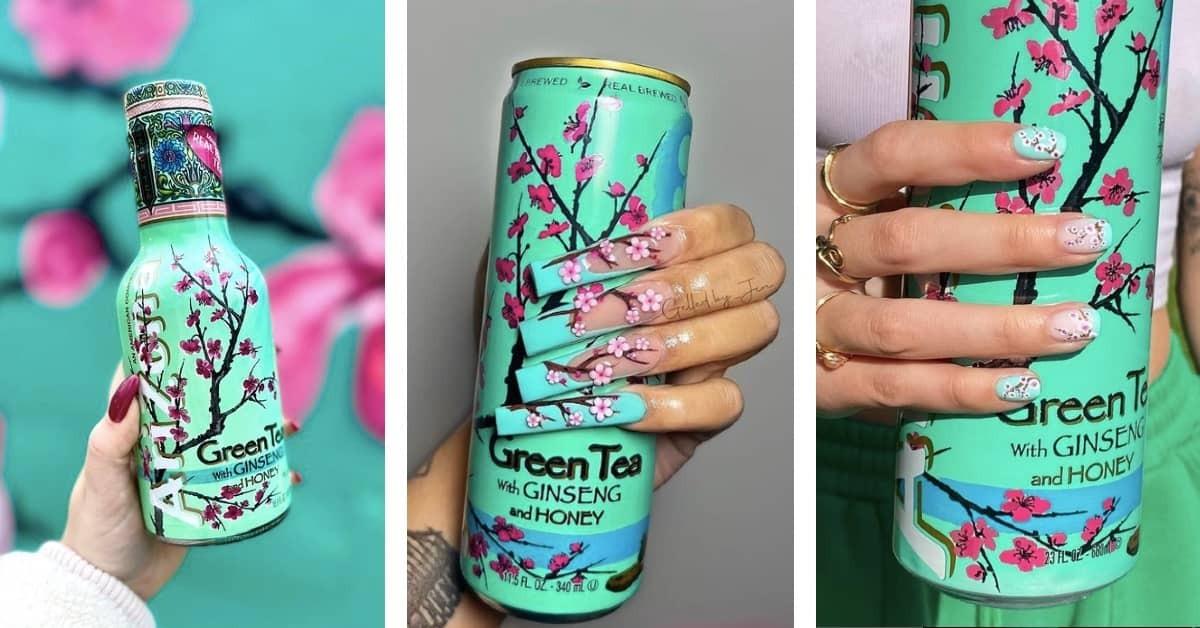
For many a global explorer and local adventurer, the vibrant cans of Arizona Iced Tea have become an unmistakable sight, whether on the shelves of a bustling street market in New York City, a convenience store near the majestic Grand Canyon, or even tucked into the mini-fridge of a boutique hotel suite. As we embark on journeys across continents and delve into the diverse tapestry of local cultures, our choices, from the accommodations we select to the meals we savor, profoundly shape our overall travel experience and well-being. But amidst the myriad of refreshing beverages available, a perennial question arises for the health-conscious traveler: is Arizona Iced Tea truly a healthy choice for fueling our adventures and everyday lifestyle?

In a world where lifestyle choices increasingly lean towards wellness, sustainability, and mindful consumption, understanding the nutritional profile of our favorite drinks is more important than ever. This is especially true for travelers who often face unique challenges: staying hydrated in varying climates, maintaining energy levels during long excursions, and making informed decisions when local options are unfamiliar. This article will dive deep into the health aspects of Arizona Iced Tea, examining its ingredients, nutritional content, and how it measures up against other options commonly encountered during travel and everyday life. We’ll explore how this popular beverage fits into different tourism scenarios, from a quick refreshment during a hike in Yellowstone National Park to a leisurely sip by the pool at a Four Seasons Resort in Bali. Our goal is to equip you with the knowledge to make choices that align with your health aspirations, ensuring your travels are as vibrant and healthy as they are memorable.
Decoding the Arizona Iced Tea Label: What Travelers Need to Know
When you’re exploring the ancient Pyramids of Giza or navigating the bustling streets of Tokyo, hydration is paramount. Grabbing a cold can of Arizona Iced Tea might seem like an ideal way to quench your thirst. However, a quick glance at the nutritional label reveals a more complex story. For the discerning traveler and health-conscious individual, understanding what’s inside that iconic can is the first step towards informed choices.
The Sweet Truth: Understanding Sugar Content
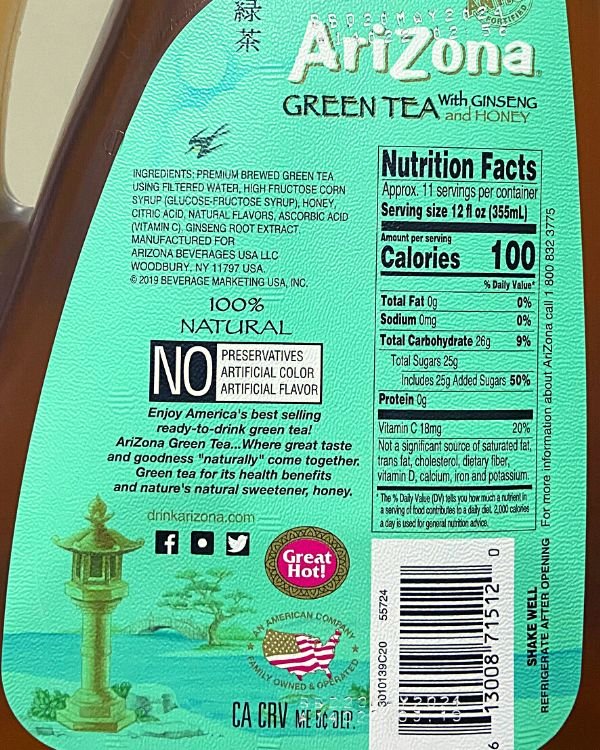
Perhaps the most significant factor affecting the “healthiness” of Arizona Iced Tea is its sugar content. Many popular flavors, such as the Original Green Tea with Ginseng and Honey or the Sweet Tea, contain a substantial amount of added sugars. A single 23-ounce can, a common serving size, can easily pack over 60 grams of sugar. To put this into perspective, the American Heart Association recommends that men consume no more than 36 grams (9 teaspoons) of added sugar per day, and women no more than 25 grams (6 teaspoons). This means a single can of Arizona Iced Tea can exceed your daily recommended sugar intake by a significant margin.
High sugar intake can lead to various health concerns, including weight gain, increased risk of type 2 diabetes, and cardiovascular issues. For travelers, consuming excessive sugar can also lead to energy spikes followed by crashes, potentially impacting stamina and mood during long days of sightseeing or active experiences. Imagine navigating the demanding trails of Machu Picchu after a sugar crash – not an ideal scenario. Therefore, while the immediate sweetness might be satisfying, its long-term impact on your energy and health warrants careful consideration, especially when sustained energy is crucial for an optimal travel experience.
Artificial Ingredients and Preservatives
Beyond sugar, it’s worth noting the presence of other ingredients that might raise an eyebrow for those committed to a clean lifestyle. While Arizona Iced Tea does use real tea, many of its formulations include artificial flavors, colorings, and preservatives to maintain shelf stability and consistent taste. These ingredients, while generally recognized as safe by regulatory bodies in the United States and elsewhere, are often avoided by individuals pursuing a whole-foods, natural diet.
For travelers exploring destinations like Costa Rica with its abundance of fresh, natural produce, or enjoying a holistic wellness retreat in Santorini, consuming beverages with artificial additives might contradict their health goals. The impact of these ingredients on long-term health is a subject of ongoing debate, but for those who prioritize minimizing synthetic substances in their diet, it’s a factor to consider. When you’re trying to immerse yourself in local culture and enjoy the authentic flavors of a destination, opting for simpler, more natural beverages might be a more fitting choice.
Nutritional Snapshot: Calories and More
In terms of other macronutrients, Arizona Iced Tea typically contains very few calories from fat or protein, making it primarily a source of carbohydrates, almost entirely from sugar. Most flavors offer minimal to no vitamins or minerals. While some variants, like the Green Tea, contain antioxidants from the tea leaves, the high sugar content can often outweigh these potential benefits.
For someone tracking their caloric intake, a single can of Arizona Iced Tea can contribute a significant number of “empty” calories – calories that provide little to no nutritional value beyond energy. If you’re on a budget travel plan and rely on readily available snacks and drinks, these calories can quickly add up, potentially derailing your dietary goals without offering substantial satiety or essential nutrients. Understanding this nutritional snapshot is crucial for making balanced dietary decisions, whether you’re planning a family trip to Disney World or a solo adventure through the Amazon Rainforest.
Making Healthier Choices on the Go: Arizona Iced Tea vs. Alternatives
The allure of a convenient, pre-packaged drink is undeniable, especially when you’re rushing through an airport in Dubai or exploring the historic sites of Rome. However, for travelers keen on maintaining their health and vitality, exploring alternatives to Arizona Iced Tea can yield significant benefits. The world of beverages offers a rich spectrum of choices that can better support your wellness goals, enhance your travel experiences, and often immerse you deeper into local flavors.
Water: The Ultimate Travel Companion
Without a doubt, water remains the gold standard for hydration, particularly for travelers. Whether you’re hiking in the Swiss Alps, exploring the Sahara Desert, or simply enduring a long flight, adequate water intake is critical for preventing dehydration, fatigue, and headaches. Many hotels provide complimentary bottled water or filtered water stations, and carrying a reusable water bottle is an excellent tip for sustainable and healthy tourism.
Choosing water over sugary drinks ensures optimal hydration without the added calories, sugar, or artificial ingredients. It helps regulate body temperature, lubricate joints, and transport nutrients – all vital functions that become even more crucial when your body is under the stress of travel and new environments. In many destinations, tap water is safe to drink, offering a free and environmentally friendly option. When it isn’t, readily available bottled water or purification tablets can keep you hydrated responsibly.
Fresh Juices and Local Brews
Many destinations boast an incredible array of freshly squeezed juices, smoothies, and local unsweetened teas. Imagine sipping on a fresh mango juice in the Caribbean, a vibrant green smoothie at a cafe in London, or a delicate floral tea in Paris. These options not only provide essential vitamins, minerals, and antioxidants but also offer an authentic taste of the local culture.
While some fresh juices can still be high in natural sugars, they often come with the added benefit of fiber and a broader spectrum of nutrients compared to processed beverages. When choosing fresh juices, opt for those with no added sugar or ask for a blend that incorporates vegetables to reduce the sugar load. Exploring local tea traditions, such as herbal infusions or specialty green teas found in New Zealand, can also be a delightful and healthy way to experience a destination’s unique offerings, far more enriching than a generic pre-packaged drink.
Unsweetened Tea Options
For those who enjoy the flavor of tea but want to avoid excessive sugar, unsweetened iced tea is an excellent alternative. Many cafes and restaurants worldwide offer unsweetened black, green, or herbal iced teas. You can often find unsweetened bottled teas as well, though it’s always wise to check the label for hidden sugars or artificial sweeteners.
Unsweetened tea provides the benefits of tea’s natural antioxidants without the drawbacks of sugar. Green tea, for instance, is renowned for its catechins, which have been linked to improved brain function and fat loss. Herbal teas, like peppermint or chamomile, can offer soothing properties, ideal for unwinding after a long day of exploring landmarks or navigating unfamiliar terrain. Bringing your own tea bags can also be a savvy budget travel move, allowing you to brew a fresh, healthy cuppa wherever hot water is available, perhaps even in your Hyatt Regency hotel room.
Balancing Indulgence and Wellness: The Arizona Iced Tea Dilemma for Lifestyle Enthusiasts
Navigating the choices between health-conscious decisions and enjoying the occasional treat is a core aspect of a balanced lifestyle, especially when traveling. Whether you’re on a luxury travel excursion or a more modest budget travel adventure, the question of indulging in Arizona Iced Tea or similar sugary beverages often arises. It’s not about absolute deprivation, but rather mindful consumption that aligns with your overall wellness philosophy.
Moderation is Key
For those who genuinely enjoy the taste of Arizona Iced Tea, the answer to its healthiness doesn’t have to be a categorical “no.” Like many things in life, moderation is key. Enjoying an Arizona Iced Tea occasionally as a treat, rather than a daily staple, can allow you to savor its unique flavor without derailing your health goals. This might mean having one on a particularly hot day while relaxing by the beach in Riviera Maya, or as an infrequent pick-me-up during a long business stay.
Integrating sugary drinks into a balanced diet means being aware of their caloric and sugar contribution and adjusting other parts of your diet accordingly. If you know you’ll be enjoying a sweet beverage, perhaps opt for water with your meals or choose healthier snacks throughout the day. This mindful approach allows for flexibility and enjoyment, which are crucial for a sustainable wellness journey, particularly amidst the temptations and culinary delights that often accompany tourism.
Exploring Local Beverage Culture
One of the greatest joys of travel is immersing oneself in the local culture, and this extends to beverages. Instead of reaching for a familiar can of Arizona Iced Tea, consider exploring what the destination itself offers. In Fiji, you might try a refreshing coconut water straight from the source. In Venice, a sparkling water with a slice of lemon offers simple elegance.
Many places offer unique fermented drinks, traditional herbal infusions, or specialty coffees and teas that are integral to their heritage. Embracing these local options not only broadens your palate but often provides healthier, more authentic choices. This approach enhances your travel experience, allowing you to connect more deeply with the place you’re visiting while making choices that are generally more beneficial for your health than a highly processed, sugary drink. From a traditional tea ceremony in Tokyo to fresh juices at a market in Mexico, these experiences are part of the rich tapestry of global food tourism.
The Impact on Travel Energy Levels
For travelers, maintaining consistent energy levels is vital. Long flights, jet lag, extensive sightseeing, and physical activities like exploring the Great Barrier Reef or going on a Mediterranean cruise all demand sustained energy. Beverages high in sugar, while providing a quick burst of energy, can often lead to a subsequent crash, leaving you feeling sluggish and fatigued. This “sugar crash” can be particularly disruptive when you’re trying to make the most of your limited time in a new place.
Choosing low-sugar or unsweetened alternatives helps stabilize blood sugar levels, providing a more consistent and sustained energy release. This allows you to better enjoy your attractions and adventures, from navigating the historic streets of London to experiencing the vibrant nightlife of Dubai, without the peaks and valleys associated with sugary drinks. Prioritizing consistent energy through healthy hydration and mindful food choices is an investment in the quality of your entire travel journey.
Conclusion: Mindful Hydration for the Modern Traveler
So, “Is Arizona Iced Tea healthy?” The answer, as with many aspects of lifestyle and tourism, is nuanced. While its iconic status and refreshing appeal are undeniable, a closer look at its nutritional profile reveals a beverage often high in sugar and artificial ingredients, which may not align with the health and wellness goals of the modern traveler. For those committed to mindful living and making the most of their travel experiences, regular consumption of Arizona Iced Tea might be counterproductive.
However, this doesn’t mean Arizona Iced Tea needs to be entirely off-limits. Like any indulgence, moderation is key. Enjoying it as an occasional treat, perhaps after a particularly strenuous hike or during a relaxing moment by the pool at a Hilton or Marriott resort, is a far cry from making it your primary source of hydration.
Ultimately, the best choices for hydration while on the go remain water, unsweetened teas, and freshly prepared juices (consumed in moderation due to natural sugars). These alternatives provide essential hydration, vital nutrients, and sustained energy, all without the drawbacks of excessive added sugar and artificial ingredients. By making conscious decisions about what you drink, you empower yourself to experience every destination to its fullest, maintaining your vitality and well-being, whether you’re exploring ancient landmarks or simply enjoying the simple pleasures of a new city. Your journey is an investment in yourself, and mindful hydration is a crucial component of that investment.
LifeOutOfTheBox is a participant in the Amazon Services LLC Associates Program, an affiliate advertising program designed to provide a means for sites to earn advertising fees by advertising and linking to Amazon.com. Amazon, the Amazon logo, AmazonSupply, and the AmazonSupply logo are trademarks of Amazon.com, Inc. or its affiliates. As an Amazon Associate we earn affiliate commissions from qualifying purchases.