
Nestled amidst the world’s largest contiguous ponderosa pine forest, Flagstaff, Arizona, presents a unique blend of natural beauty, outdoor adventure, and cultural richness. However, one of its most defining characteristics, and often a surprise to first-time visitors, is its significant elevation. Understanding the altitude of Flagstaff is not merely a geographical fact; it’s a crucial aspect of planning a visit, influencing everything from physical comfort to the types of activities available. This article delves into the precise elevation of Flagstaff, explores the implications of high-altitude travel, and highlights why this lofty destination remains a captivating choice for travelers seeking diverse experiences, from serene nature escapes to thrilling winter sports.
Unveiling Flagstaff’s Lofty Elevation
Flagstaff isn’t just a city in Arizona; it’s a high-altitude haven. Its elevation is a key factor in its climate, ecosystems, and the overall experience for visitors.
The Exact Altitude and Its Significance
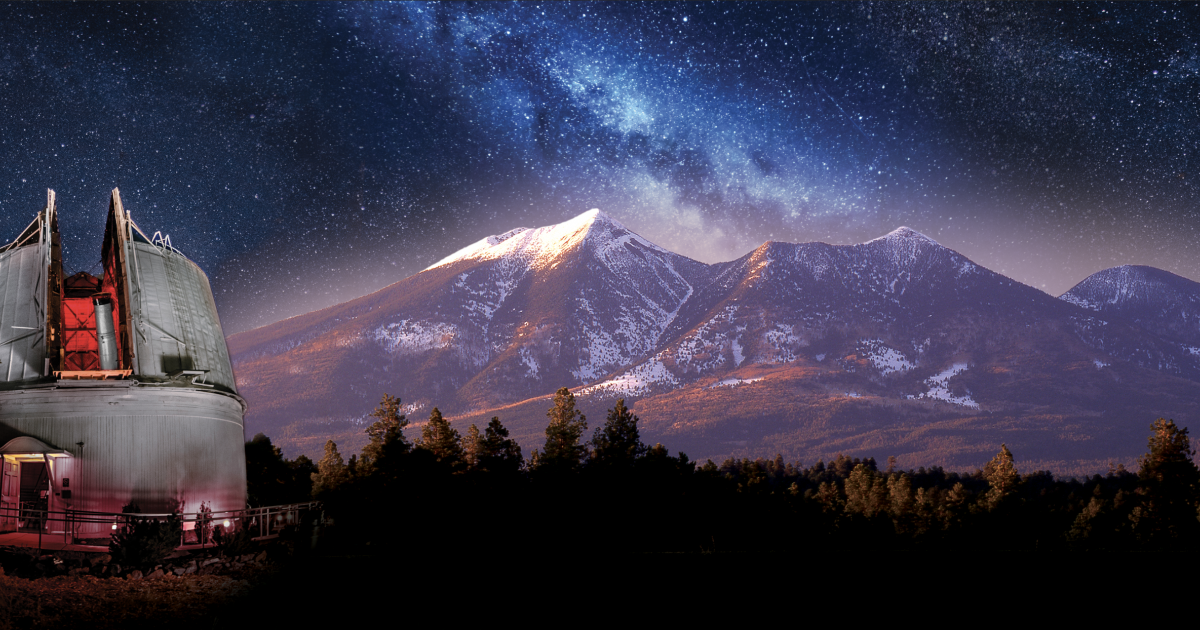
The official elevation of Flagstaff, Arizona, generally hovers around 7,000 feet (2,134 meters) above sea level. This figure can vary slightly depending on the specific location within the city limits, as the terrain naturally undulates. For instance, the historic downtown area is typically cited around this elevation. However, the surrounding San Francisco Peaks, which dominate the northern horizon, reach much higher, with Humphreys Peak, the highest point in Arizona, soaring to an impressive 12,633 feet (3,851 meters).
This significant elevation is not just a number; it dictates much of Flagstaff’s unique character. It means cooler temperatures compared to the low desert areas of Arizona, distinct four-season weather patterns, and often, abundant snowfall in winter. The thin air at this altitude also influences physiological responses in visitors, making awareness and preparation essential for a comfortable trip. Its high perch also offers unparalleled views of the surrounding landscapes, from vast forests to distant volcanic fields, making it a prime location for stargazing, famously home to the Lowell Observatory.
Comparing Flagstaff to Other High-Altitude Cities
When considering high-altitude destinations in the United States, Flagstaff stands out. Its 7,000-foot elevation places it among some of the country’s loftiest cities. For context, Denver, Colorado, famously known as the “Mile High City,” sits at approximately 5,280 feet (1,609 meters). Santa Fe, New Mexico, another popular high-altitude destination, is around 7,200 feet (2,194 meters). Internationally, cities like La Paz, Bolivia, are significantly higher at over 11,900 feet (3,650 meters), and even parts of Machu Picchu in Peru are around 7,972 feet (2,430 meters).
This comparison helps illustrate that Flagstaff is indeed at a considerable elevation, warranting attention to acclimatization. While it might not be among the world’s highest inhabited places, its altitude is enough to necessitate careful planning, especially for travelers coming from sea-level environments. The cooler climate and abundant precipitation (especially snow) are direct results of this elevation, differentiating it dramatically from the desert heat often associated with Arizona.
Experiencing High Altitude: Health and Travel Considerations
The significant elevation of Flagstaff can profoundly affect visitors, particularly those unaccustomed to thinner air. Understanding and preparing for these effects is crucial for a comfortable and enjoyable trip.
Acclimatization Tips for Visitors
Acclimatization is the process by which your body adjusts to lower oxygen levels at higher altitudes. For most visitors to Flagstaff, a gradual approach can make a significant difference.
- Stay Hydrated: Drink plenty of water before and during your visit. Dehydration can exacerbate altitude sickness symptoms. Avoid excessive alcohol and caffeine, which can contribute to dehydration.
- Take It Easy: Upon arrival, avoid strenuous activities for the first 24-48 hours. Give your body time to adjust.
- Eat Lightly: Opt for lighter meals and avoid heavy, fatty foods.
- Prioritize Sleep: Ensure you get adequate rest, as fatigue can worsen altitude symptoms.
- Listen to Your Body: Pay attention to any signs of discomfort and respond accordingly.
For those planning to ascend to even higher elevations, such as Humphreys Peak or Arizona Snowbowl, it’s advisable to spend a day or two in Flagstaff first to allow your body to begin acclimatizing.
Recognizing and Managing Altitude Sickness
Altitude sickness, or Acute Mountain Sickness (AMS), can occur at elevations above 6,000 feet. While most people visiting Flagstaff will only experience mild symptoms, it’s important to be aware.
- Common Symptoms: Headaches, nausea, dizziness, fatigue, shortness of breath, and difficulty sleeping are typical. These usually appear within 6-12 hours of arrival and often subside within a day or two.
- Management: Mild symptoms can often be managed by resting, drinking water, and taking over-the-counter pain relievers for headaches. Descending to a lower elevation is the most effective cure for more severe symptoms.
- When to Seek Medical Attention: If symptoms worsen or become severe (e.g., severe headache unresponsive to medication, persistent vomiting, significant shortness of breath at rest, confusion), seek immediate medical help. These could be signs of more serious conditions like High Altitude Cerebral Edema (HACE) or High Altitude Pulmonary Edema (HAPE), though these are rare at Flagstaff’s elevation.
Essential Preparations for Your Trip
Beyond acclimatization, a few practical steps can enhance your visit.
- Sun Protection: The sun’s UV rays are stronger at higher altitudes. Bring sunscreen, hats, and sunglasses, even on cloudy days.
- Layered Clothing: Flagstaff’s weather can change rapidly. Layers allow you to adapt to temperature fluctuations throughout the day. Even in summer, evenings can be cool.
- Health Check: If you have pre-existing health conditions, especially respiratory or cardiac issues, consult your doctor before traveling to high altitudes.
Flagstaff’s High-Altitude Attractions and Activities

Flagstaff’s elevation is a key ingredient in its allure, shaping its landscapes and the array of activities it offers. From stargazing to skiing, the city thrives on its lofty perch.
Nature and Outdoor Adventures
The surrounding natural environment of Flagstaff is a playground for outdoor enthusiasts.
- Hiking and Mountain Biking: The extensive trail system through the Coconino National Forest and Prescott National Forest offers trails for all skill levels, leading to scenic overlooks, volcanic craters, and lush forests. Consider the Flagstaff Extreme Adventure Course for an adrenaline rush among the trees.
- Grand Canyon National Park: Flagstaff serves as a popular gateway to the majestic Grand Canyon National Park, which is only about an 80-mile drive north. While the Grand Canyon itself has varying elevations, Flagstaff’s proximity makes it an ideal base.
- National Monuments: Explore the ancient pueblo ruins at Wupatki National Monument, discover ancient cliff dwellings at Walnut Canyon National Monument, or witness the geological wonders of a relatively recent volcano at Sunset Crater Volcano National Monument.
- Stargazing: Thanks to its high elevation, clear skies, and a commitment to dark sky preservation, Flagstaff is designated as an International Dark Sky City. The Lowell Observatory offers public viewing programs that are a must-do for any visitor.
Cultural and Historical Landmarks
Beyond its natural beauty, Flagstaff also boasts a rich history and vibrant culture.
- Historic Downtown: Wander through downtown Flagstaff, which retains much of its historic charm with buildings dating back to the late 19th and early 20th centuries. It’s also a part of the iconic Route 66, offering a glimpse into America’s legendary highway.
- Museum of Northern Arizona: Immerse yourself in the natural and cultural history of the Colorado Plateau at the Museum of Northern Arizona, showcasing indigenous art, anthropology, and natural science.
- Riordan Mansion State Historic Park: Explore the impressive Arts and Crafts style architecture of the Riordan Mansion State Historic Park, offering a peek into the lives of two prominent Flagstaff families at the turn of the 20th century.
- Northern Arizona University: The vibrant campus of Northern Arizona University adds a youthful energy to the city, with public events, art exhibitions, and cultural performances often available.
Winter Sports and Scenic Views
The high altitude ensures that Flagstaff enjoys true winter seasons, making it a prime destination for snow sports.
- Arizona Snowbowl: Located on the slopes of the San Francisco Peaks, Arizona Snowbowl is one of the oldest continually operating ski areas in the United States. It offers diverse terrain for skiing and snowboarding, alongside stunning panoramic views.
- Snowshoeing and Cross-Country Skiing: Beyond downhill skiing, the surrounding national forests provide ample opportunities for snowshoeing and cross-country skiing, allowing visitors to experience the serene beauty of a winter wonderland.
- Scenic Drives: Even without strapping on skis, winter in Flagstaff is visually spectacular. Drives through snow-covered forests, especially towards Oak Creek Canyon or the San Francisco Peaks, offer breathtaking vistas.
Where to Stay: Accommodations in Flagstaff
Whether you’re visiting for a quick weekend getaway or an extended exploration of Northern Arizona, Flagstaff offers a diverse range of accommodation options to suit every preference and budget, from luxurious resorts to cozy boutique hotels and family-friendly suites.
Hotels and Resorts for Every Traveler
Flagstaff’s tourism infrastructure is well-developed, ensuring visitors can find a comfortable base.
- Luxury and Boutique Stays: For those seeking a more upscale experience, properties like the historic Hotel Monte Vista offer unique charm and central locations. While not a large luxury chain, its character and history are unparalleled. Many travelers also opt for reputable brands known for their quality, such as the Little America Hotel Flagstaff, often praised for its scenic setting and amenities.
- Family-Friendly Options: For families or longer stays, hotels offering suites and complimentary breakfasts are popular. The Drury Inn & Suites Flagstaff and Embassy Suites by Hilton Flagstaff are excellent choices, providing space and convenience.
- Business and Extended Stays: Hotels like the Residence Inn by Marriott Flagstaff or Courtyard by Marriott Flagstaff cater well to business travelers or those on extended trips, often featuring kitchenettes and dedicated workspaces.
Unique Stays and Budget-Friendly Options
Beyond the standard hotel chains, Flagstaff also offers characterful and economical choices.
- Historic Inns and Lodges: Smaller, independently owned inns provide a more personal touch and often reflect the local culture. The recently renovated High Country Motor Lodge offers a retro-chic vibe with modern amenities, perfect for those looking for something different.
- Budget-Conscious Travelers: For travelers keeping an eye on their budget, reputable chains like Best Western Plus Flagstaff or the Hilton Garden Inn Flagstaff offer comfortable stays without breaking the bank. There are also numerous motels along Route 66 that provide clean, no-frills accommodation.
- Vacation Rentals: For larger groups or those desiring a more home-like experience, vacation rentals (houses, cabins, or apartments) are abundant, offering amenities like full kitchens and multiple bedrooms, ideal for long-term stays or family trips.
Choosing the right accommodation can greatly enhance your Flagstaff experience, ensuring you have a comfortable retreat after a day of exploring the high-altitude wonders.
Maximizing Your Flagstaff Experience: Beyond the Altitude
While Flagstaff’s elevation is a significant characteristic, the city offers much more than just thin air and cool temperatures. Its strategic location and vibrant local scene make it a hub for a variety of experiences.
Culinary Delights and Local Culture
Flagstaff’s culinary scene reflects its diverse population and its position as a university town and tourist destination. From casual eateries to upscale dining, there’s something to satisfy every palate.
- Local Brews: Flagstaff boasts a thriving craft beer scene, with several local breweries offering a range of innovative brews. It’s a perfect way to relax after a day of hiking or skiing.
- Diverse Cuisines: Explore everything from authentic Southwestern and Native American flavors to international dishes and classic American comfort food. Many restaurants incorporate locally sourced ingredients.
- Art and Music: The city’s downtown area is alive with art galleries, live music venues, and frequent cultural events, especially during warmer months. The influence of Northern Arizona University adds a youthful and progressive edge to the local arts scene.
- Festivals and Events: Throughout the year, Flagstaff hosts numerous festivals celebrating everything from craft beer and wine to film, music, and Native American culture, offering visitors a deeper insight into the local lifestyle.

Day Trips from Flagstaff
Flagstaff’s central location in Northern Arizona makes it an excellent base for exploring some of the region’s most iconic natural and historical attractions.
- Sedona: A scenic 30-mile drive south through Oak Creek Canyon brings you to Sedona, famous for its vibrant red rock formations, spiritual vortexes, and extensive hiking and biking trails. The contrast in scenery from Flagstaff’s pine forests to Sedona’s desert landscape is striking.
- Grand Canyon: As mentioned, the Grand Canyon National Park’s South Rim is easily accessible for a day trip. Witnessing this natural wonder is often the highlight of many Arizona itineraries. Consider staying closer to the Grand Canyon for an early start, perhaps at The Squire Resort at the Grand Canyon, BW Signature Collection.
- Meteor Crater Natural Landmark: East of Flagstaff, this privately owned impact site offers a fascinating look at a well-preserved meteorite crater, complete with a visitor center and observation decks.
- Petrified Forest National Park: A bit further east, Petrified Forest National Park showcases stunning fossilized wood, colorful badlands, and archaeological sites.
- Other Nearby Parks: The proximity to other national parks like Zion National Park and Yellowstone National Park (though these are longer drives) further solidifies Flagstaff’s role as a gateway to the American Southwest’s natural wonders.
In conclusion, the altitude of Flagstaff, Arizona, at approximately 7,000 feet, is a defining feature that shapes its climate, recreational offerings, and the very experience of visiting. While it necessitates some mindful preparation, this elevation gifts Flagstaff with unique advantages: distinct seasons, unparalleled access to outdoor adventure, and a clear, dark sky ideal for astronomical pursuits. By understanding and respecting its high-altitude environment, travelers can unlock a deeply rewarding and memorable journey to this captivating mountain city.
LifeOutOfTheBox is a participant in the Amazon Services LLC Associates Program, an affiliate advertising program designed to provide a means for sites to earn advertising fees by advertising and linking to Amazon.com. Amazon, the Amazon logo, AmazonSupply, and the AmazonSupply logo are trademarks of Amazon.com, Inc. or its affiliates. As an Amazon Associate we earn affiliate commissions from qualifying purchases.