
Tucson, Arizona is a city renowned for its breathtaking desert landscapes, vibrant culture, and, perhaps most notably, its distinctive climate. Nestled within the heart of the Sonoran Desert, the temperature in Tucson plays a pivotal role in shaping the daily lives of its residents and the travel experiences of its visitors. Understanding Tucson’s unique weather patterns is essential for anyone planning a trip, considering a move, or simply curious about this jewel of the Southwestern United States. From sizzling summers that demand siestas by the pool to mild, inviting winters perfect for outdoor adventures, the temperature in Tucson offers a diverse range of conditions throughout the year.
The allure of Tucson as a premier travel destination is undeniably linked to its climate. Tourists flock here for the promise of abundant sunshine, dry air, and the unique beauty of the desert. However, to truly embrace the Tucson lifestyle and maximize your enjoyment, it’s crucial to delve deeper than just a single number on a thermometer. We will explore the seasonal variations, the impact of the climate on tourism and accommodation, and how to best prepare for your visit, ensuring a memorable experience whether you’re seeking luxury travel, a budget-friendly escape, or a family adventure.
Understanding Tucson’s Desert Climate
Tucson experiences a hot desert climate, characterized by very hot summers and mild winters. Its elevation, approximately 2,400 feet (730 meters) above sea level, provides a slight moderation compared to lower desert cities like Phoenix, yet summer temperatures regularly soar into the triple digits. The dry air, however, often makes the heat feel less oppressive than in more humid regions, a silver lining for many. This unique climate supports a diverse array of desert flora and fauna, making Tucson a prime location for ecotourism and nature-based exploration.
The geography surrounding Tucson also plays a significant role in its microclimates. The city is encircled by several mountain ranges—the Tucson Mountains to the west, the Catalina Mountains to the north, the Rincon Mountains to the east, and the Santa Rita Mountains to the south. These majestic peaks not only provide stunning backdrops but also influence local weather patterns, offering cooler escapes at higher elevations, such as Mount Lemmon, where temperatures can be 20-30 degrees Fahrenheit cooler than the city below.
Seasonal Temperature Breakdown
To provide a comprehensive understanding of Tucson’s temperature, let’s break it down by season:
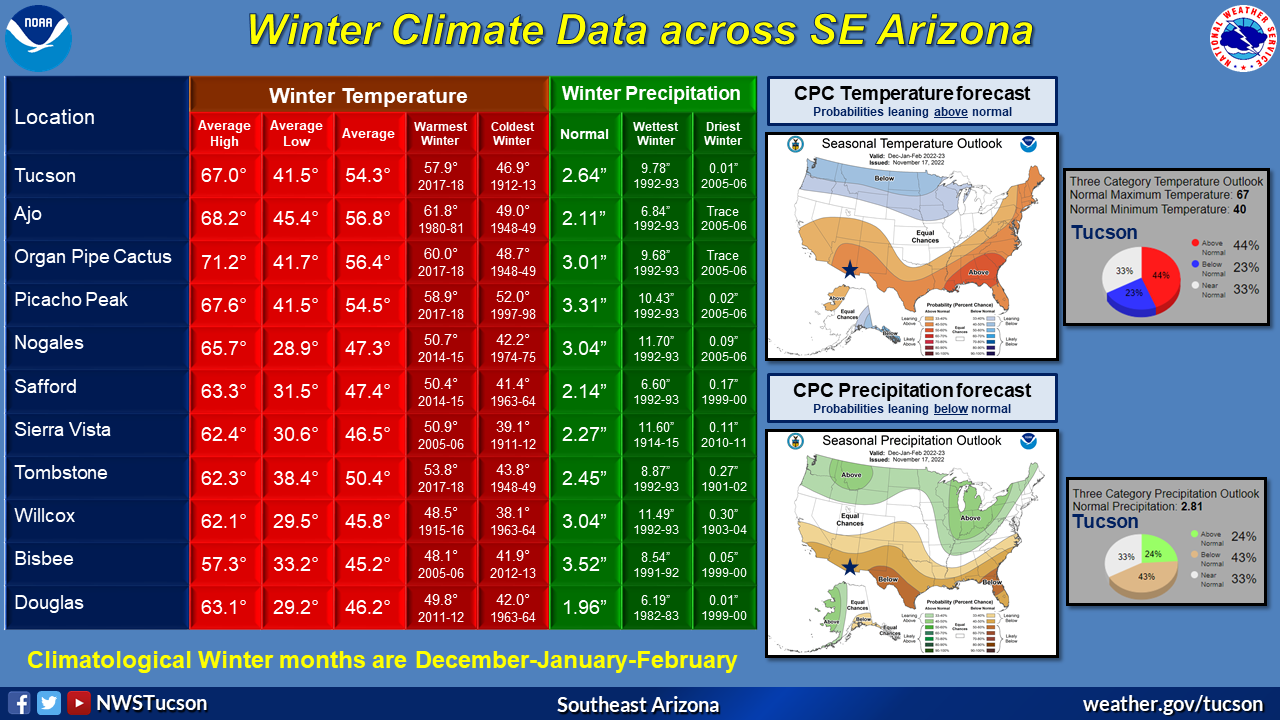
- Winter (December – February): This is arguably Tucson’s peak tourist season, and for good reason. Temperatures are blissfully mild and pleasant, making it ideal for outdoor activities. Average daytime highs typically range from the mid-60s to low 70s Fahrenheit (18-23°C), while nights can drop into the 40s (4-9°C). Frost can occur, especially in outlying areas, but snow in the city itself is a rare and celebrated event. The dry, crisp air and abundant sunshine create perfect conditions for hiking, golfing, and exploring.
- Spring (March – May): Spring sees a gradual increase in temperatures, starting mild and transitioning to warm. March and April maintain comfortable highs in the 70s and 80s Fahrenheit (24-31°C), with blooming desert wildflowers adding to the scenery. By May, temperatures regularly climb into the 90s (32-37°C), signaling the approach of summer. This period is still very popular for visitors, especially before the intense summer heat sets in.
- Summer (June – September): Tucson summers are undeniably hot, with average daily highs consistently above 100°F (38°C), often peaking around 105-110°F (40-43°C) in June and July. Nighttime temperatures remain high, often staying in the 70s or even 80s (21-27°C). While intense, the desert’s low humidity (before the monsoon) means “it’s a dry heat,” which many find more tolerable than humid climates. This is a time for early morning activities, extended siestas, and enjoying resort pools.
- Autumn (October – November): Fall is another highly desirable time to visit Tucson as temperatures cool down significantly. October brings highs typically in the 80s (27-32°C), slowly dropping into the 70s (21-26°C) by November. The intense summer heat gives way to wonderfully warm days and cooler nights, making it an excellent time for all sorts of outdoor recreation and tourism before the full swing of the winter crowds.
The Monsoon Season: A Unique Weather Phenomenon
A distinctive feature of Tucson’s summer climate is the North American Monsoon season, which typically runs from mid-June to mid-September. This period brings a dramatic shift in weather, characterized by increased humidity, powerful thunderstorms, and sometimes torrential rain, often occurring in the late afternoon and evening. While the temperatures remain high, the monsoon provides a temporary respite from the dry heat, cooling the air and washing the desert clean.
These monsoon storms are spectacular events, offering incredible lightning displays and transforming the parched landscape with sudden bursts of life. For tourists, experiencing a monsoon storm can be a memorable part of their Tucson experience, but it also requires awareness for safety, especially regarding flash floods in washes and low-lying areas. It’s a reminder of the raw power and beauty of the Sonoran Desert’s ecosystem.
Planning Your Tucson Adventure: Weather-Wise Travel Tips
Understanding the temperature in Tucson is paramount to planning a successful and enjoyable trip. Whether you’re a first-time visitor or a returning enthusiast, tailoring your itinerary and packing list to the season will significantly enhance your experience, aligning with the best practices for travel and tourism.
Best Times to Visit for Optimal Weather
For most visitors, the ideal time to experience Tucson is during the winter and spring months (November through April). During this period, the weather is consistently pleasant, offering ample sunshine and mild temperatures that are perfect for outdoor exploration. This is when the desert truly comes alive with vibrant wildflowers (especially in spring) and comfortable conditions for hiking, biking, and golfing. Expect higher accommodation prices and more crowds during these peak seasons, making early booking of hotels and resorts a wise strategy.
The shoulder seasons of late October/early November and late April/early May can also be excellent choices. You’ll find pleasant temperatures, fewer crowds than the absolute peak, and potentially better deals on flights and accommodation.
Summer (June through September), despite its intense heat, can still be a rewarding time to visit, particularly for budget travelers or those looking to experience Tucson’s unique monsoon season. Many luxury resorts offer significant discounts, and their elaborate pool areas become central to the daily experience. Early mornings and evenings are key for outdoor activities, with midday reserved for air-conditioned museums, shopping, or relaxing indoors.
Packing Essentials for Tucson’s Climate
Regardless of when you visit, certain packing considerations are universal for Tucson’s desert climate:
- Sun Protection: The Arizona sun is intense year-round. Pack sunscreen (high SPF), a wide-brimmed hat, sunglasses, and lightweight, long-sleeved clothing to protect against UV rays.
- Hydration: Bring a reusable water bottle and commit to drinking plenty of water, especially if you plan to be outdoors. Dehydration can happen quickly in the dry desert air.
- Layering: Even in summer, desert nights can be cooler, especially in spring, fall, and winter. Layers are crucial for adapting to temperature swings between day and night, and between sun and shade.
- Footwear: Comfortable, sturdy shoes are a must for exploring attractions like Saguaro National Park or Sabino Canyon. If visiting in summer, consider breathable shoes.
- Swimwear: Many Tucson hotels and resorts boast incredible pool facilities, which are essential for beating the summer heat or simply relaxing in the mild winter sun.
- Lightweight Clothing: Opt for breathable fabrics like cotton, linen, or moisture-wicking synthetics. In summer, light colors will help reflect the sun’s heat.
Embracing Tucson’s Climate: Activities and Attractions

Tucson’s temperature dictates the rhythm of daily life and the best ways to experience its rich array of landmarks and attractions. From vast natural parks to historical missions and vibrant cultural hubs, the city offers something for every interest, adaptable to the climate.
Outdoor Explorations: From Saguaro National Park to Sabino Canyon
The mild winters and pleasant springs are prime time for exploring Tucson’s unparalleled outdoor wonders.
- Saguaro National Park: Divided into two districts flanking the city (east and west), this iconic park is home to the largest cacti in the United States, the majestic saguaro. Hiking trails range from easy loops to challenging backcountry routes, offering breathtaking views of the Sonoran Desert and its unique ecosystem. Early mornings are best, even in cooler months, to catch the sunrise and avoid the midday sun.
- Sabino Canyon: Located in the Catalina Mountains foothills, Sabino Canyon offers a different desert experience with riparian areas, seasonal streams, and abundant wildlife. A shuttle bus provides access to various trailheads, making it accessible for all fitness levels. The shade provided by the canyon walls can offer some relief on warmer days.
- Mount Lemmon: For a dramatic escape from the heat, especially in summer, a drive up to Mount Lemmon is a must. As you ascend, the climate changes dramatically, transitioning through several ecosystems from desert to pine forests. Skiing is even possible here in winter, offering a stark contrast to the desert floor below. It’s a perfect example of how Tucson’s surrounding geography influences its temperature experiences.
- Golfing: Tucson is a golfer’s paradise, particularly from late fall to early spring. With courses consistently rated among the best by publications like Golf Digest, the mild temperatures and stunning desert backdrops provide an unforgettable golfing experience. Resorts like Omni Tucson National Resort and Loews Ventana Canyon Resort boast world-class courses.
Indoor Comforts: Museums, Resorts, and Culinary Delights
When the temperatures rise, or simply when you need a break from the sun, Tucson offers a wealth of indoor attractions and amenities.
- Museums: Dive into Tucson’s history, art, and natural science. The Arizona-Sonora Desert Museum is a world-renowned zoo, botanical garden, and natural history museum all in one, with a significant portion of its exhibits outdoors but ample shaded areas and indoor galleries. Other excellent choices include the Pima Air & Space Museum, one of the largest aerospace museums in the world, and the University of Arizona museums.
- Resort Living: Tucson’s luxury hotels and resorts truly shine when the temperatures climb. Properties like the JW Marriott Starr Pass Resort & Spa or The Ritz-Carlton, Dove Mountain offer expansive pools, lazy rivers, refreshing spa treatments, and air-conditioned comfort, transforming a hot day into a relaxing escape. These accommodations are designed to provide an oasis from the heat, making summer travel a luxurious and refreshing experience.
- Culinary Scene: Tucson is the first UNESCO City of Gastronomy in the United States, boasting a rich culinary heritage influenced by indigenous, Mexican, and Spanish traditions. Many restaurants offer cool, inviting interiors and shaded patios. Enjoy regional specialties like Sonoran hot dogs, carne asada, and innovative farm-to-table cuisine, paired with refreshing beverages.
- Historical and Cultural Sites: Explore landmarks like Mission San Xavier del Bac, “The White Dove of the Desert,” a stunning 18th-century Spanish mission with intricate architecture. Old Tucson Studios, a historic movie set and theme park, offers a taste of the Old West (check seasonal hours and plan for shade).
Lifestyle in Tucson: Adapting to the Heat
Living in Tucson means embracing a lifestyle uniquely adapted to its desert climate. The city’s rhythms shift with the seasons, from bustling outdoor activity in winter to a more relaxed, indoor-focused pace in summer. This adaptation is evident in everything from architecture to daily routines.
Desert Living: Architecture and Amenities
Tucson’s architecture often reflects its climate. Traditional adobe homes with thick walls and small windows naturally insulate against the heat. Modern homes and commercial buildings rely heavily on efficient air conditioning, but also incorporate elements like shaded patios, courtyards, and strategically placed landscaping to maximize comfort. Many hotels and accommodation options, from luxury suites to budget-friendly apartments, feature amenities specifically designed for the heat, such as sparkling pools, misting systems on outdoor patios, and well-maintained air conditioning systems. Resorts like Canyon Ranch Tucson and Westward Look Wyndham Grand Resort & Spa exemplify this blend of comfort and climate adaptation, offering an ideal setting for a wellness retreat or a relaxing getaway.
The concept of a “desert oasis” is central to Tucson living. This often translates to properties with lush, xeriscaped gardens that conserve water while providing beauty, and inviting outdoor spaces that are designed for comfort during cooler hours. Even in summer, evenings can be delightful for dining al fresco once the sun sets and the air cools slightly.
Staying Hydrated and Healthy
The dry heat of Tucson, while more comfortable than humid heat, still poses risks if not respected. Staying adequately hydrated is not just a recommendation; it’s a necessity. Locals carry water bottles everywhere, and visitors are encouraged to do the same. Many hiking trails and public spaces offer water refill stations.
Maintaining a healthy lifestyle in Tucson often involves adjusting activity times. Morning walks, runs, and bike rides are incredibly popular before the sun reaches its zenith. Fitness centers, indoor sports facilities, and aquatic activities are favored during the hottest parts of the day. The mild winters, conversely, encourage prolonged outdoor activity, making Tucson an ideal destination for those seeking an active lifestyle without extreme cold.
Choosing the Right Accommodation in Tucson
The diverse temperatures in Tucson have a direct impact on the type of accommodation travelers seek, from luxury resorts catering to every whim to cozy boutique hotels offering a local flavor. When considering your stay, the season of your visit should heavily influence your choice.
Hotels and Resorts for Every Season
- Peak Season (Winter/Spring): During the mildest months, Tucson’s top resorts and hotels are in high demand. Properties known for their outdoor amenities, like sprawling golf courses, tennis courts, and scenic patios, are particularly popular. Booking well in advance is crucial to secure your preferred stay, whether it’s a suite at a prestigious resort or a charming room at a boutique hotel downtown, such as Hotel Congress. Many offer special packages combining golf, spa treatments, or guided desert tours, all perfectly suited to the pleasant weather.
- Off-Peak Season (Summer): While temperatures are high, summer can be an excellent time for budget travel or luxury travelers seeking exceptional value. Resorts that boast extensive water features – multiple pools, swim-up bars, lazy rivers, and water slides – become hugely attractive. They provide a refreshing escape and a perfect base for enjoying early morning excursions and late-night dining. Don’t be surprised to find impressive deals and fewer crowds at many establishments during this time. Air conditioning is a non-negotiable amenity, and many hotels go above and beyond to ensure indoor comfort.
- Accessibility to Attractions: Consider the proximity of your accommodation to the activities you plan. If you’re focusing on nature and hiking, a hotel on the outskirts closer to Saguaro National Park or Sabino Canyon might be ideal. If you’re drawn to Tucson’s vibrant downtown scene, museums, and culinary experiences, a hotel in the city center will be more convenient.

Vacation Rentals: A Home Away From Home
For those seeking a more personal or long-term stay, vacation rentals are a popular accommodation choice in Tucson. Options range from cozy casitas in historic neighborhoods to spacious villas with private pools, catering to family trips, business stays, or extended winter escapes (often called “snowbird” stays). These rentals offer the flexibility of preparing your own meals, which can be a boon for budget travelers, and often come with amenities like fully equipped kitchens, laundry facilities, and private outdoor spaces.
When choosing a vacation rental, especially during summer, ensure it has robust air conditioning and a pool if desired. In winter, look for properties with inviting outdoor spaces like fire pits or comfortable patios to enjoy the mild evenings. Reviews often provide valuable insights into the effectiveness of cooling/heating systems and the overall comfort level across seasons.
In conclusion, the temperature in Tucson, Arizona is a defining characteristic of this captivating desert city. It shapes the landscape, influences the local culture, dictates the best times for various activities, and guides decisions on accommodation and lifestyle. By understanding and respecting Tucson’s unique climate, visitors and residents alike can fully appreciate the beauty, adventure, and warmth that the “Old Pueblo” has to offer, making every moment an unforgettable experience under the brilliant Arizona sky.
LifeOutOfTheBox is a participant in the Amazon Services LLC Associates Program, an affiliate advertising program designed to provide a means for sites to earn advertising fees by advertising and linking to Amazon.com. Amazon, the Amazon logo, AmazonSupply, and the AmazonSupply logo are trademarks of Amazon.com, Inc. or its affiliates. As an Amazon Associate we earn affiliate commissions from qualifying purchases.