
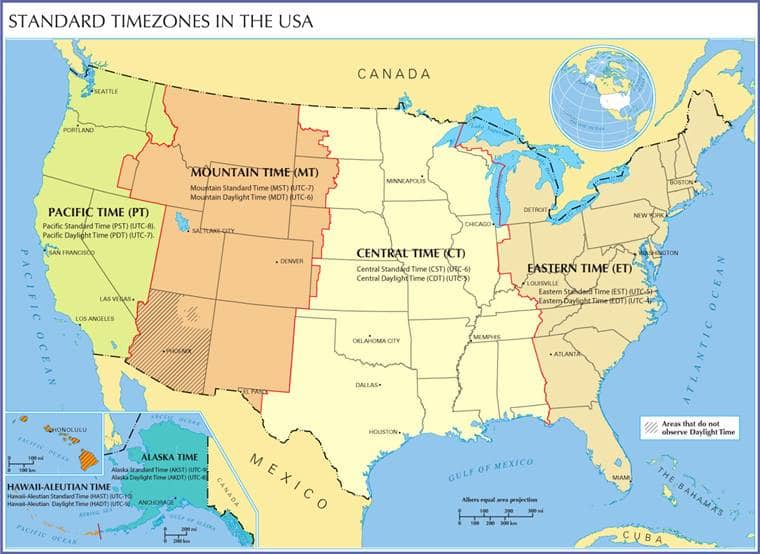
If you’re asking this question, you’ve likely stumbled upon one of the most intriguing peculiarities of timekeeping in the United States: Arizona’s unique approach to Daylight Saving Time (DST). Unlike nearly every other state, Arizona largely opts out of the twice-yearly clock change, adhering instead to Mountain Standard Time (MST) all year round. So, to answer your question directly: Right now, the time in most of Arizona is Mountain Standard Time.
This seemingly simple fact carries significant implications for travelers, residents, and anyone planning activities in the Grand Canyon State. From booking flights and hotel stays to coordinating family visits or simply enjoying the sunset over the desert, understanding Arizona’s unique time zone is crucial for a seamless experience. This guide will delve into the nuances of Arizona time, explain its exceptions, and provide essential tips for navigating schedules in this beautiful and timeless destination.

Understanding Arizona’s Unique Time Zone
Arizona’s decision to forgo Daylight Saving Time is rooted in practical considerations, primarily its scorching desert climate. The intense summer heat makes extending daylight into the evening less desirable, as it would prolong exposure to peak temperatures. By remaining on Mountain Standard Time year-round, Arizona effectively shifts its daylight hours earlier, allowing residents and visitors to complete outdoor activities before the hottest part of the day. This consistent schedule also simplifies planning and reduces confusion, albeit creating a unique dynamic with neighboring states.
Mountain Standard Time All Year Round
For most of the year, from early November to mid-March, Mountain Standard Time (MST) is equivalent to UTC-7. During this period, Arizona aligns with states like Colorado, Utah, and New Mexico. However, when other states “spring forward” for Daylight Saving Time in March, they move to Mountain Daylight Time (MDT), which is UTC-6. At this point, Arizona effectively shifts its relative position.
From March to November, while the surrounding Mountain Time Zone states are on MDT (UTC-6), Arizona remains on MST (UTC-7). This means that during these months, Arizona effectively operates on the same time as Pacific Daylight Time (PDT), which is also UTC-7. So, when California and Nevada spring forward, they become synchronous with most of Arizona. This can be a boon for West Coast travelers, simplifying communications and travel plans, but it can be a source of confusion for those accustomed to other time zones.
The primary benefit of this system for Arizona is the consistent schedule of daylight hours, which helps manage energy consumption and aligns daily routines with the natural rhythm of the desert environment. Imagine trying to coordinate a golf tee time or a hike in the Sonoran Desert if the clock added an extra hour of peak afternoon sun. This steady time zone contributes significantly to the unique lifestyle in cities like Phoenix and Tucson, allowing for predictable planning of both work and leisure.
The Navajo Nation Exception
While most of Arizona remains firmly on Mountain Standard Time year-round, there is one significant exception: the Navajo Nation. This large semi-autonomous indigenous territory, which spans parts of northeastern Arizona, New Mexico, and Utah, observes Daylight Saving Time.
This means that during the months when DST is active (typically March to November), the Navajo Nation will be one hour ahead of the rest of Arizona. For example, if it’s 2 PM in Phoenix during DST, it will be 3 PM within the Navajo Nation. This can create a fascinating, albeit potentially confusing, situation where you cross a boundary and your clock changes simply by driving a few miles within the same state.
Travelers visiting iconic Navajo Nation landmarks like Monument Valley, Antelope Canyon, or Canyon de Chelly National Monument must be especially mindful of this distinction. Tour times, reservation schedules, and even local business hours within the Navajo Nation will adhere to Mountain Daylight Time during those months. Always double-check with local providers or adjust your watch accordingly to avoid missing a tour or appointment. This unique cultural and temporal island within Arizona adds another layer to the state’s already distinctive timekeeping landscape.
Navigating Time Differences for Travelers
Understanding Arizona’s time zone policy is paramount for travelers, influencing everything from arrival logistics to daily sightseeing itineraries. A little foresight can prevent missed connections, late arrivals, or simply unnecessary stress during your visit to the Grand Canyon State.
Planning Your Arizona Trip: What to Expect
When booking flights to Phoenix Sky Harbor International Airport or Tucson International Airport, or planning a scenic drive, the time zone can significantly impact your journey. During the DST months (March to November), if you’re traveling from a state that observes DST, such as Colorado (MDT), you will essentially “gain” an hour when you arrive in Arizona (MST), making your arrival feel earlier. Conversely, if you’re flying from California or Nevada (PDT), your arrival in Arizona will be on the same clock, eliminating any time change shock.
- Flights and Transportation: Always confirm arrival and departure times for flights, buses, and trains in local Arizona time. A flight scheduled to depart at 8:00 AM from Denver (MDT) might arrive in Phoenix at 8:30 AM local time, even if the flight duration is 2.5 hours, due to the hour difference.
- Hotel Check-ins and Check-outs: Most hotels and resorts, whether luxury suites in Scottsdale or cozy apartments in Flagstaff, operate on Mountain Standard Time throughout the year. Be mindful of this when coordinating early check-ins or late check-outs, especially if you’re arriving from a DST-observing region.
- Connecting with Others: If you’re coordinating with friends or family outside Arizona, remember that your time difference might fluctuate seasonally. During DST, you’ll be on the same time as the Pacific Coast but an hour behind the rest of the Mountain Time Zone and two hours behind the Central Time Zone.
Attractions and Activities: Time-Sensitive Experiences

The consistent Mountain Standard Time in Arizona can significantly impact your experience with landmarks and outdoor activities, particularly during the longer daylight months.
- Sunrise and Sunset Viewing: The Grand Canyon is world-renowned for its breathtaking sunrises and sunsets. With Arizona not observing DST, sunrise and sunset will feel “earlier” relative to states that have sprung forward. This is excellent for early morning hikes or sunset photography, as you can experience these natural wonders at more comfortable clock times. Always check local sunrise/sunset times for the specific date of your visit.
- Park Operating Hours: National Parks like Grand Canyon National Park, Petrified Forest National Park, and Saguaro National Park adhere to Arizona time. Be sure to verify their opening and closing hours, particularly if you are planning to visit the areas within the Navajo Nation, which may have different operating hours due to their adherence to DST.
- Dining and Entertainment: Making reservations for dinner in Phoenix’s vibrant culinary scene or catching a show in Tucson requires attention to local time. During DST, if you’re coming from the Mountain Daylight Time zone, a 7 PM dinner reservation will effectively feel like 8 PM to your body clock.
- Outdoor Adventures: Arizona’s unique time zone facilitates outdoor exploration. The “earlier” daylight in summer means cooler mornings for hiking in Sedona or exploring Canyon de Chelly National Monument, allowing you to beat the intense midday heat. Planning your excursions with this in mind can greatly enhance your comfort and enjoyment.
Lifestyle and Business in the Grand Canyon State
The perpetual adherence to Mountain Standard Time is more than just a logistical quirk; it’s a deeply ingrained aspect of Arizona’s lifestyle and business operations, shaping daily routines and economic interactions.
Daily Life for Arizona Residents
For residents of Arizona, the absence of Daylight Saving Time brings a sense of stability and predictability. There’s no bi-annual disruption to sleep patterns, school schedules, or work routines. This consistency is particularly appreciated in a state where outdoor living is central to the culture. The fixed early morning light during summer allows for outdoor activities – hiking, biking, golfing – before the sun reaches its peak intensity. Children going to school in the morning consistently experience the same daylight conditions, and evening activities always wrap up with a familiar amount of daylight.
This unique time system also influences social dynamics. When other states spring forward, Arizona effectively synchronizes with the Pacific Coast, making communication and travel with California and Nevada easier. Many Arizona residents have family or business ties to these western states, making the consistent time alignment beneficial. However, it means a shifting relationship with the rest of the country, requiring residents to be mindful of time differences when interacting with the Mountain, Central, and Eastern Time Zones.
Economic and Communication Implications
The “no DST” policy has distinct economic and communication implications for Arizona. Businesses operating nationally or internationally must constantly account for the shifting time difference with other states and countries. For instance, a call center in Phoenix dealing with clients on the East Coast will experience a three-hour difference during standard time and a four-hour difference during DST. This requires careful scheduling and clear communication protocols.
On the other hand, the stable time zone can simplify logistics for businesses heavily reliant on consistent daylight hours, such as construction, agriculture, and outdoor tourism operators. It eliminates the need to adjust schedules seasonally, potentially leading to more efficient planning and execution of projects. The consistency also plays a role in Arizona’s appeal for residents and businesses seeking a stable environment. The growing tech sectors in Phoenix and Tucson, for example, appreciate the reduced disruption to employee schedules.
Major attractions and their associated tourism economies, from the resorts of Scottsdale to the natural wonders of the Grand Canyon, also benefit from the predictable schedule. Tour operators can set consistent pick-up and drop-off times, and visitors can more easily plan their itineraries without having to factor in a clock change. This continuity contributes to Arizona’s reputation as a well-organized and traveler-friendly destination.
Top Destinations and Time Management Tips
Arizona offers an incredible array of destinations, from bustling cities to serene natural landscapes. Mastering the local time nuances will allow you to fully immerse yourself in these experiences.
Must-Visit Arizona Spots and Their Local Times
When planning your itinerary, remember that nearly all of these locations adhere to Mountain Standard Time year-round, making it easy to plan sequential visits.
- Grand Canyon (South and North Rims): Arguably Arizona’s most famous landmark, both rims are on MST. If you’re coming from the Navajo Nation (e.g., after visiting Monument Valley or Antelope Canyon), remember to “fall back” an hour if it’s during DST.
- Phoenix and Scottsdale: The state’s vibrant capital and its luxurious neighbor are on MST. Enjoy everything from the Desert Botanical Garden to the architectural marvel of Taliesin West (designed by Frank Lloyd Wright) without worrying about a clock change. High-end accommodations like the JW Marriott Camelback Inn Resort & Spa will always operate on this consistent schedule.
- Sedona: Known for its stunning red rock formations and spiritual vortexes, Sedona is on MST. Plan your sunrise hikes and sunset meditations with confidence, knowing the clock won’t suddenly jump. Resorts like Enchantment Resort are perfectly situated for these experiences.
- Tucson: Home to Saguaro National Park and a rich cultural scene, Tucson also observes MST. Explore its vibrant downtown or relax at a luxury accommodation such as The Ritz-Carlton, Dove Mountain without time zone complications.
- Flagstaff: A gateway to the Grand Canyon and a popular mountain retreat, Flagstaff is on MST. It’s a great base for exploring Route 66, Meteor Crater Natural Landmark, and nearby national forests.
- Lake Havasu City: Famous for the historic London Bridge, this city on the Colorado River is also on MST, making it easy for water sports enthusiasts to plan their days.
- Navajo Nation destinations: Monument Valley, Antelope Canyon, and Horseshoe Bend (near Page) are all located within the Navajo Nation and do observe DST. This is the crucial area where you need to be vigilant about your time settings.
Practical Tips for a Seamless Arizona Experience
To ensure your Arizona adventure is as smooth as possible, keep these tips in mind:
- Always Confirm Local Times: For flight itineraries, tour bookings, restaurant reservations, and hotel check-ins, explicitly ask or look for confirmation in “Arizona time” or “local time.”
- Adjust Your Devices: Your smartphone and other GPS-enabled devices should automatically update to the correct local time when you arrive. However, it’s always wise to double-check, especially if you’re traveling into or out of the Navajo Nation. Manually setting your phone to a Phoenix time zone can help.
- Use a Time Zone Converter: Before your trip, if you’re coordinating with people outside Arizona, use an online time zone converter to clarify exact meeting times.
- Be Aware of Border Crossings: If you’re driving, pay extra attention to road signs when entering or exiting the Navajo Nation. There are often signs indicating the time zone change.
- Educate Travel Companions: Make sure everyone in your group understands Arizona’s time zone policy, especially the Navajo Nation exception. This shared knowledge can prevent confusion and missed opportunities.
- Embrace the Consistency: Once you’re accustomed to it, Arizona’s consistent time can be quite refreshing. Enjoy the predictable daylight and the ease of planning that comes with it.
In conclusion, while the question “What is the time right now in Arizona?” might seem straightforward, its answer reveals a fascinating aspect of this diverse state. For most of Arizona, it’s Mountain Standard Time all year. Armed with this knowledge and a few practical tips, you can confidently explore everything from the majestic Grand Canyon to the vibrant streets of Phoenix, ensuring your Arizona experience is truly timeless.
LifeOutOfTheBox is a participant in the Amazon Services LLC Associates Program, an affiliate advertising program designed to provide a means for sites to earn advertising fees by advertising and linking to Amazon.com. Amazon, the Amazon logo, AmazonSupply, and the AmazonSupply logo are trademarks of Amazon.com, Inc. or its affiliates. As an Amazon Associate we earn affiliate commissions from qualifying purchases.