
For anyone considering a move to the Grand Canyon State, planning an extended stay, or simply purchasing a vehicle from outside its borders, understanding the intricacies of Arizona’s use tax on cars is an essential aspect of financial planning. Far from being a mere bureaucratic hurdle, this tax directly impacts your budget, whether you’re embarking on a new Arizona lifestyle or simply looking to upgrade your ride for exploring the state’s incredible destinations. At first glance, tax regulations can seem daunting, but demystifying the use tax will equip you with the knowledge to make informed decisions, ensuring a smooth transition and pleasant experiences within Arizona’s vibrant landscape.
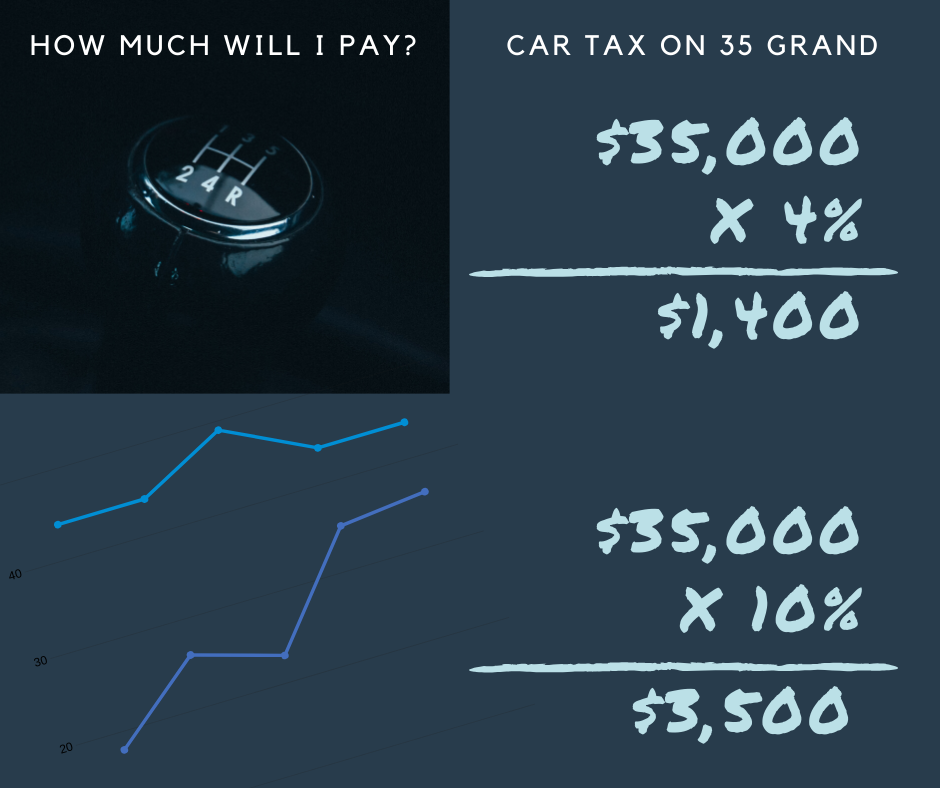
Arizona, much like many other states in the United States, has a specific taxation system designed to ensure fairness and prevent revenue loss, especially when goods, such as vehicles, are purchased out-of-state. The use tax is often confused with sales tax, but while they share a common goal of revenue generation and maintaining competitive balance, their application and triggers are distinct. Whether you’re eyeing a comfortable sedan for city commutes in Phoenix, a rugged SUV for off-road adventures near Sedona, or a compact car for navigating the historic streets of Tucson, knowing about the use tax is crucial. This guide aims to unpack everything you need to know about Arizona’s use tax on vehicles, transforming potential confusion into clear understanding, and helping you budget effectively for your travel, accommodation, and general lifestyle expenses in this beautiful desert state.
Unpacking the Use Tax: What Every Arizona Traveler and Resident Needs to Know
The concept of a “use tax” might sound obscure to some, especially those new to Arizona or primarily accustomed to sales tax. However, for vehicles, it’s a critical financial component that can significantly affect your overall expenditure. Essentially, Arizona’s use tax is levied on tangible personal property that is purchased outside the state but subsequently brought into Arizona for use, storage, or consumption, and upon which no Arizona sales tax (officially known as Transaction Privilege Tax or TPT) was collected at the point of sale. This isn’t an arbitrary charge; its primary purpose is to level the playing field. Without a use tax, residents could simply purchase high-value items like cars from neighboring states with lower or no sales tax, effectively bypassing Arizona’s revenue system and disadvantaging in-state businesses.
Imagine you’re planning an extended road trip across the Southwest, with Arizona as your base. You decide to buy a new vehicle in Nevada, perhaps because you found a better deal or a specific model wasn’t available locally. Once you bring that vehicle across the border and register it for use within Arizona, the use tax mechanism kicks in. It ensures that the state receives its fair share of tax revenue, similar to what it would have collected had the vehicle been purchased from an Arizona dealer. This is particularly important for individuals relocating to the state, those buying a second car for their seasonal visits to Arizona resorts, or anyone exploring the options of purchasing vehicles from online marketplaces or private sellers located out-of-state. Understanding this fundamental principle is the first step towards confidently navigating vehicle ownership in the Grand Canyon State.
Use Tax vs. Sales Tax: Understanding the Key Distinction
While both use tax and sales tax (Transaction Privilege Tax in Arizona) ultimately result in a tax on the consumption of goods, their legal framework and application differ significantly. The sales tax, or TPT, is primarily a tax on the seller for the privilege of conducting business within Arizona. Although it’s typically passed on to the consumer as part of the purchase price, the legal liability rests with the vendor. When you buy a car from an Arizona dealership, the dealer collects the TPT and remits it to the state. This tax is applied at the point of sale within the state’s jurisdiction.
The use tax, on the other hand, is a tax directly on the buyer for the privilege of using, storing, or consuming tangible personal property within Arizona when the Arizona sales tax has not been paid. The key differentiator is the location of the transaction. If you purchase a vehicle in California from a dealership, you’ll pay California sales tax. However, if that tax is less than Arizona’s use tax rate, or if the sale was structured in a way that no sales tax was collected (e.g., certain private party sales or sales to out-of-state residents with temporary permits), then you will owe Arizona use tax upon bringing the car into the state for registration. This distinction is vital for anyone planning to purchase a vehicle from out-of-state, whether it’s for permanent relocation, a seasonal stay in a luxury apartment in Scottsdale, or simply a desire to find a specific model beyond Arizona’s borders. It ensures that consumers cannot gain an unfair tax advantage by shopping across state lines, thereby maintaining revenue for essential state services and infrastructure that benefits residents and tourists alike.
Why Arizona Imposes a Use Tax
The imposition of a use tax by Arizona is rooted in principles of economic fairness and revenue protection. From a governmental perspective, tax revenue is critical for funding public services, maintaining roads and infrastructure that tourists and residents alike utilize, and supporting educational systems. If individuals could simply purchase vehicles out-of-state to avoid Arizona’s sales tax, the state’s revenue stream would be significantly impacted. This would, in turn, affect the quality of life and the attractiveness of Arizona as a destination for travel, residency, and business.
Moreover, the use tax serves to protect local Arizona businesses. Imagine an Arizona car dealership competing with a dealership just across the border in New Mexico or Utah. If consumers could buy from the out-of-state dealer without incurring a comparable tax burden when they bring the car back to Arizona, local businesses would face an unfair disadvantage. The use tax effectively neutralizes this geographical tax incentive, encouraging residents to shop locally when possible, or at least ensuring that the state collects its due revenue regardless of the point of purchase. For those planning a long-term stay or considering making Arizona their permanent home, understanding this rationale can help contextualize why the use tax is an integral part of the financial landscape when acquiring a vehicle. It’s a standard practice across many U.S. states and is a foundational element of a balanced state economy that supports both its citizens and its vibrant tourism sector, ensuring the continued allure of places like the Grand Canyon and the bustling nightlife of Old Town Scottsdale.
Navigating Car Purchases and Relocation to Arizona
For many, acquiring a vehicle is a significant life event, often tied to major transitions such as relocating for work, retirement, or simply seeking a new adventure. Arizona is a popular choice for these kinds of moves, thanks to its appealing climate, diverse landscapes, and welcoming communities from Flagstaff to Yuma. When these transitions involve bringing a vehicle from another state or purchasing one out-of-state, the Arizona use tax becomes a crucial consideration. It’s not just about the sticker price of the car; it’s about the comprehensive cost of ownership that includes taxes, registration fees, and insurance. Ignoring the use tax can lead to unexpected financial burdens, potentially impacting your budget for exploring Arizona’s attractions or securing your ideal accommodation.
Considering that a car is almost a necessity for fully experiencing the vast and varied beauty of Arizona — from scenic drives through Oak Creek Canyon to desert explorations near Saguaro National Park — understanding the financial implications of vehicle acquisition is paramount. This section delves into the specific scenarios where use tax applies and outlines how to calculate your potential liability, providing clarity for new residents, seasonal visitors, and anyone looking to make a car purchase part of their Arizona journey.
When Does Use Tax Apply? Common Scenarios
The Arizona use tax primarily applies in situations where a vehicle is brought into the state for use, and the state’s Transaction Privilege Tax (sales tax) has not been collected. Here are the most common scenarios:

- Out-of-State Dealer Purchases: If you purchase a car from a dealership located outside of Arizona’s borders (e.g., in California, Nevada, Utah, or New Mexico), and then bring that vehicle into Arizona for registration and use, you will likely owe use tax. This is true even if you paid sales tax in the state of purchase, as Arizona will collect the difference if its use tax rate is higher.
- Private Party Sales from Out-of-State: Many states do not levy sales tax on private party vehicle transactions. If you buy a car from a private seller in another state and then bring it into Arizona, you will almost certainly be subject to the use tax upon registration, as no sales tax was typically collected at the time of purchase.
- Relocating to Arizona with a Recently Purchased Vehicle: If you move to Arizona and bring a vehicle with you that was purchased relatively recently (often within the last 6-12 months, though specific grace periods can vary and should be confirmed with the Arizona Department of Transportation or Motor Vehicle Division (ADOT/MVD)), it may be subject to use tax. The intent here is to capture tax on vehicles acquired with the primary purpose of being used in Arizona, even if the purchase occurred just before the physical move. For example, if you bought a car in Colorado a month before moving to Arizona for a new job, the use tax would likely apply.
- Vehicles Used for Business Purposes: Businesses acquiring vehicles out-of-state for use within their Arizona operations are also subject to use tax under similar principles. This applies whether they are opening a new branch in Scottsdale or expanding an existing Tucson venture.
It’s crucial to understand these triggers well in advance, especially if you’re planning a vehicle purchase as part of a larger lifestyle change or travel itinerary. Proactive planning can prevent surprises at the MVD counter, allowing you to allocate your resources more effectively for other aspects of your Arizona experience, such as booking a stay at a charming boutique hotel or exploring a renowned Arizona landmark.
Calculating Your Use Tax Liability
Calculating the Arizona use tax liability on a vehicle involves a few key steps and considerations. The primary components are the value of the vehicle and the applicable tax rates.
- Determine the Taxable Value: For purchased vehicles, the taxable value is generally the purchase price. However, if the purchase price is deemed unusually low (e.g., in a non-arm’s length transaction), the MVD may use a fair market value assessment, often based on recognized valuation guides like Kelley Blue Book or NADAguides. It’s important to have documentation of your purchase price ready.
- Identify the Applicable Tax Rate: Arizona’s use tax rate typically mirrors the state’s Transaction Privilege Tax (sales tax) rate. As of recent information, the statewide rate is 6.6%. However, it’s vital to note that counties and cities within Arizona may also impose their own local use taxes, which can vary significantly. For instance, purchasing a car to use in Phoenix might involve a different total use tax rate than if you were to reside in Yuma or Flagstaff. You’ll need to confirm the combined state, county, and city use tax rates for your specific Arizona residential or business address.
- Credit for Sales Tax Paid in Another State: This is a crucial provision that prevents double taxation. If you paid sales tax on the vehicle to another state at the time of purchase, Arizona will typically allow a credit for that amount against your Arizona use tax liability. However, the credit is usually capped at the Arizona rate. For example, if you paid 5% sales tax in Oregon (a state with no sales tax, but hypothetical) and Arizona’s combined use tax rate is 8%, you would receive a credit for the 5% paid and only owe the remaining 3% to Arizona. If you paid 9% sales tax in California and Arizona’s rate is 8%, you would owe nothing further to Arizona for use tax, as the California tax already exceeded the Arizona liability.
The calculation process typically occurs when you register your out-of-state vehicle with the Arizona MVD. They will require documentation of your purchase (bill of sale) and proof of any sales tax paid in the previous state. For accurate figures specific to your situation, it’s always best to consult the official ADOT/MVD website or contact them directly. This careful planning ensures that the financial aspects of your vehicle acquisition align perfectly with your broader budget for experiencing all that Arizona has to offer, from exploring natural landmarks to indulging in local cuisine.
Exemptions and Important Considerations for Your Arizona Adventure
While the Arizona use tax is broad in its application for vehicles acquired out-of-state, there are specific exemptions and critical considerations that can impact your liability. Understanding these can be as valuable as knowing when the tax applies, potentially saving you significant costs or guiding your purchasing decisions. For individuals relocating, planning an extended stay, or simply optimizing their finances for an Arizona lifestyle, knowing the nuances of these exemptions is key. Whether you’re envisioning scenic drives through Monument Valley or daily commutes in Mesa, factoring in potential tax relief can free up funds for more travel experiences or improved accommodation options.
The goal of the use tax isn’t to create undue hardship but to ensure a fair and consistent tax environment. Therefore, the state has built-in mechanisms to address common situations where imposing a use tax would be redundant or inappropriate. Being aware of these exceptions allows you to plan strategically, whether you’re bringing a family heirloom into the state or purchasing a new vehicle as part of your grand Arizona adventure.
Who is Exempt from Arizona Use Tax?
Several scenarios and categories of individuals or entities may qualify for an exemption from Arizona’s use tax on vehicles. These exemptions are designed to prevent double taxation, accommodate long-term residents, and facilitate certain types of transfers.
- Vehicles Fully Taxed in Another State: The most common exemption or, more accurately, a scenario where no additional tax is owed, is when you’ve already paid sales or use tax to another state at a rate equal to or greater than Arizona’s combined state and local use tax rate. As discussed, Arizona provides a credit for taxes paid elsewhere. If the out-of-state tax meets or exceeds Arizona’s liability, then no further use tax is due.
- Long-Term Ownership Before Moving to Arizona: If you are moving to Arizona and bringing a vehicle that you have owned and used in another state for a significant period before establishing residency in Arizona, it may be exempt. The exact duration varies by state interpretation, but a common threshold is having owned and used the vehicle for at least six to twelve months in your previous state of residency. This prevents the state from taxing vehicles that were genuinely purchased for use in another jurisdiction and not with the immediate intent of bringing them to Arizona. This is a crucial point for retirees moving from colder climates to places like Sun City or Green Valley.
- Gifts Between Direct Family Members: Vehicles received as bona fide gifts from direct lineal family members (such as parents, grandparents, children, or grandchildren) are generally exempt from use tax, provided proper documentation and proof of the gift relationship are supplied to the MVD. This exemption typically does not apply to gifts between more distant relatives or non-family members, where a nominal value might still be assessed for tax purposes.
- Vehicles Purchased by Exempt Organizations: Certain non-profit organizations, governmental entities, or tribal entities that are otherwise exempt from sales and use taxes under Arizona law would also be exempt from paying use tax on vehicles they acquire out-of-state for their official use.
- Inherited Vehicles: Vehicles acquired through inheritance are generally exempt from use tax, although other estate-related taxes or fees might apply.
It’s paramount to remember that proving eligibility for any exemption typically requires specific documentation, such as bills of sale, registration history from previous states, and sworn affidavits. Always consult the official Arizona Department of Transportation (ADOT) or Motor Vehicle Division (MVD) resources or a tax professional for the most current and precise information regarding exemptions that may apply to your unique situation. This diligence ensures that your journey into or through Arizona is as financially smooth as it is scenically rewarding.

Strategic Planning for Your Vehicle Purchase in the Grand Canyon State
Beyond understanding the rules and exemptions, strategic planning can significantly streamline your experience when dealing with vehicle use tax in Arizona. Whether you’re a new resident setting up your new home, an avid traveler planning extensive road trips, or simply upgrading your vehicle, a thoughtful approach can save time, money, and potential headaches.
- Research Local and State Rates: Before making an out-of-state purchase, always confirm the current combined state, county, and city use tax rates for your specific Arizona address. These rates can fluctuate and vary by locality (e.g., Phoenix vs. Kingman). Knowledge of the exact rate helps you accurately estimate your total cost.
- Document Everything: Keep meticulous records of your vehicle purchase. This includes the bill of sale, proof of purchase price, and any documentation of sales tax paid in the originating state. These documents are vital when registering your vehicle at the MVD and applying for any credits.
- Consider Timing for Relocation: If you plan to move to Arizona and purchase a vehicle shortly before your move, be mindful of the grace period for use tax exemption (typically 6-12 months of prior ownership in another state). If you buy a car just weeks before relocating, you will almost certainly be subject to the tax. Planning to purchase the vehicle well in advance of your move, or waiting until you’re an established Arizona resident to buy in-state, can influence your tax liability.
- Factor into Your Overall Budget: The use tax isn’t an incidental fee; for a significant vehicle purchase, it can amount to hundreds or even thousands of dollars. Integrate this potential cost into your overall travel budget, relocation expenses, or lifestyle planning. Overlooking it could force cuts in other areas, such as the quality of your hotel stay or the number of attractions you can visit.
- Consult ADOT/MVD Directly: When in doubt, the most reliable source of information is the Arizona Department of Transportation’s Motor Vehicle Division. Their website provides detailed guides, and their customer service lines can offer personalized advice based on your specific situation.
By taking these strategic steps, you can ensure that your vehicle acquisition and subsequent registration in Arizona are straightforward and free from unwelcome financial surprises. This meticulous planning aligns perfectly with the ethos of a well-organized traveler or thoughtful new resident, allowing you to focus on enjoying the rich culture, stunning landscapes, and unique experiences that the Grand Canyon State so generously offers. Whether it’s a budget-friendly trip or a luxury escape, understanding the use tax is a cornerstone of responsible financial management in Arizona.
LifeOutOfTheBox is a participant in the Amazon Services LLC Associates Program, an affiliate advertising program designed to provide a means for sites to earn advertising fees by advertising and linking to Amazon.com. Amazon, the Amazon logo, AmazonSupply, and the AmazonSupply logo are trademarks of Amazon.com, Inc. or its affiliates. As an Amazon Associate we earn affiliate commissions from qualifying purchases.