
For many travelers, understanding the local time may seem like a trivial detail, but when planning a visit to Lake Havasu, Arizona, it becomes a surprisingly crucial piece of information. This vibrant desert oasis, renowned for its stunning lake, the iconic London Bridge, and an abundance of outdoor activities, holds a unique position on the time zone map. Unlike most of the United States, Arizona marches to the beat of its own drum when it comes to Daylight Saving Time, and this distinct approach can have significant implications for planning your trip, coordinating activities, and even booking your accommodation.
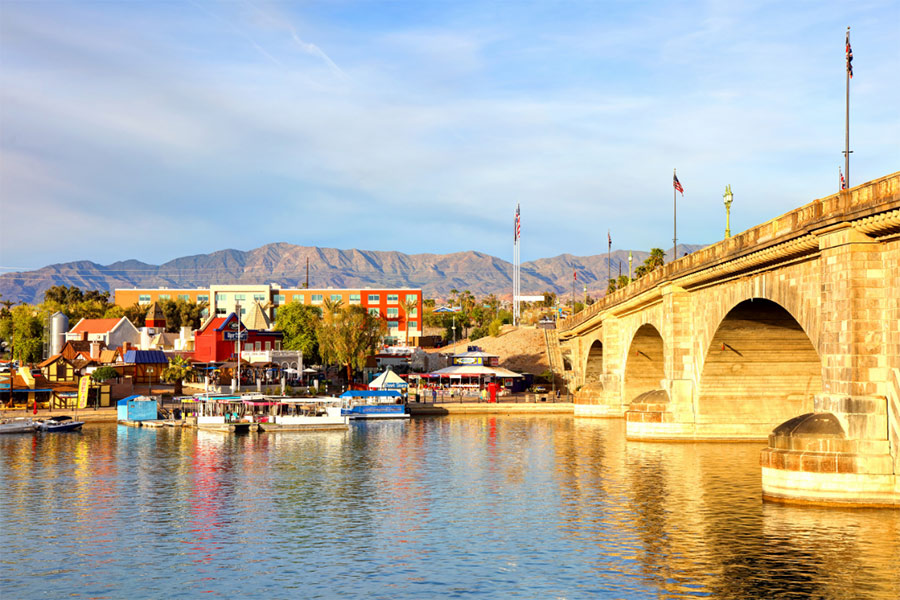
Lake Havasu City, nestled on the eastern shore of Lake Havasu, is more than just a picturesque destination; it’s a hub for adventure, relaxation, and unique cultural experiences. From the moment you begin considering your travel dates to the minute you check into your hotel and embark on your first adventure, the local time will influence every aspect of your itinerary. This comprehensive guide will delve into Arizona’s time zone intricacies, explain why Lake Havasu doesn’t observe Daylight Saving Time, and provide essential tips for planning a seamless and enjoyable trip, ensuring you’re always on schedule for the best experiences this incredible destination has to offer.
Understanding Arizona’s Unique Time Zone Status
To answer the question “What time is it in Lake Havasu, Arizona?” with precision, one must first grasp the distinctive time zone policy of the state of Arizona. Unlike the majority of states in the contiguous United States, Arizona does not observe Daylight Saving Time. This means that while other states adjust their clocks forward an hour in the spring and back an hour in the fall, Arizona maintains a consistent time throughout the year.
The state primarily operates on Mountain Standard Time (MST). During the fall and winter months, when most states revert to standard time, Arizona’s time aligns with MST. However, in the spring and summer, when states observing Daylight Saving Time advance their clocks an hour to Mountain Daylight Time (MDT) or Pacific Daylight Time (PDT), Arizona remains on MST. This effectively means that from mid-March to early November, Arizona is on the same time as Pacific Daylight Time, which is UTC-7. For the rest of the year, it is on MST, which is UTC-7. In simple terms, Lake Havasu always stays at UTC-7.
The rationale behind Arizona’s decision to forgo Daylight Saving Time primarily revolves around its scorching desert climate. During the summer months, temperatures routinely soar well above 100 degrees Fahrenheit (38 degrees Celsius). By not advancing the clocks, the sun sets later by the clock, effectively allowing residents and visitors to enjoy cooler evening hours for outdoor activities. This avoids the need to push the hottest part of the day even later into the evening, making the long summer days more tolerable and enjoyable for recreation.
One important exception to Arizona’s no-DST rule is the Navajo Nation, a sovereign territory that covers a significant portion of northeastern Arizona, as well as parts of Utah and New Mexico. The Navajo Nation does observe Daylight Saving Time, primarily to maintain consistent timing with the rest of their tribal lands across state lines. However, Lake Havasu City is not located within the Navajo Nation boundaries, so for all practical purposes related to a visit to Lake Havasu, you can assume the non-observance of Daylight Saving Time applies.
The Impact of No Daylight Saving Time on Visitors
This consistent time policy has several key implications for travelers planning a trip to Lake Havasu. For visitors arriving from states that do observe Daylight Saving Time, particularly those on the Pacific Time Zone or Mountain Daylight Time during the summer, the time difference can cause initial confusion.
During the summer months (roughly March to November):
- If you’re coming from California or Nevada (PDT), the time in Lake Havasu will be the same as where you departed.
- If you’re coming from a state on MDT (like much of Colorado or Utah), Lake Havasu will be one hour behind you.
- If you’re coming from the Central Time Zone (CDT), Lake Havasu will be two hours behind you.
- If you’re coming from the Eastern Time Zone (EDT), Lake Havasu will be three hours behind you.
During the winter months (roughly November to March):
- If you’re coming from California or Nevada (PST), Lake Havasu will be one hour ahead of you.
- If you’re coming from a state on MST (like much of Colorado or Utah), the time in Lake Havasu will be the same as where you departed.
- The differences with Central and Eastern Time Zones will shift accordingly.
This can impact flight schedules, rental car pickups, hotel check-in times, and any pre-booked tours or dinner reservations. It’s always best practice to confirm schedules in local Arizona time. Many online booking platforms and smart devices automatically adjust, but a manual double-check can prevent missed appointments or unnecessary stress. For visitors arriving from nearby states like California or Nevada (especially Las Vegas), this is particularly relevant. A short drive across the state line can mean an immediate shift in time, even if it’s just for part of the year.
Planning Your Trip: Time-Sensitive Activities and Attractions in Lake Havasu
The unique time zone situation in Lake Havasu, Arizona directly influences how you plan your daily activities, especially given the destination’s strong emphasis on outdoor recreation and leisure. Understanding the local time ensures you maximize your experience, from catching the perfect sunrise over the lake to securing a prime dinner reservation. Lake Havasu City is a place where timing can truly enhance your enjoyment of its many offerings, making awareness of the MST standard all the more critical.
Water Sports and Outdoor Adventures
Lake Havasu is synonymous with water sports and outdoor adventures. The glistening waters of the lake, fed by the Colorado River, invite visitors to indulge in boating, jet skiing, paddleboarding, and swimming. Timing is everything here. During the summer, the sun can be intense by late morning, making early starts essential for comfortable and safe water activities. By not observing Daylight Saving Time, Lake Havasu effectively extends the cooler, brighter evening hours, which are perfect for sunset cruises or relaxing by the water after the peak heat of the day.
For those eager to explore the lake, most boat rental companies, jet ski operators, and parasailing services adhere strictly to local Lake Havasu time. Confirming your booking times in MST will prevent any mix-ups, particularly if you’re driving in from a different time zone. Imagine booking a jet ski for “10 AM Pacific Time” only to find out you’re an hour late for a 10 AM Arizona time slot.
Land-based adventures also benefit from mindful timing. Hiking trails like those found in SARA Park or along the scenic Mohave Sunset Trail are best enjoyed in the cooler morning or late afternoon hours. Sunrise hikes offer spectacular views and pleasant temperatures, while sunset strolls provide stunning backdrops for photography, particularly around the historic London Bridge. The consistent MST schedule means that these prime times for outdoor activities remain predictable throughout the year, removing the annual clock adjustment guesswork. For instance, a 6 AM sunrise hike in July will always be 6 AM local time, regardless of what time the sun rises on a clock in California.
Dining, Shopping, and Nightlife
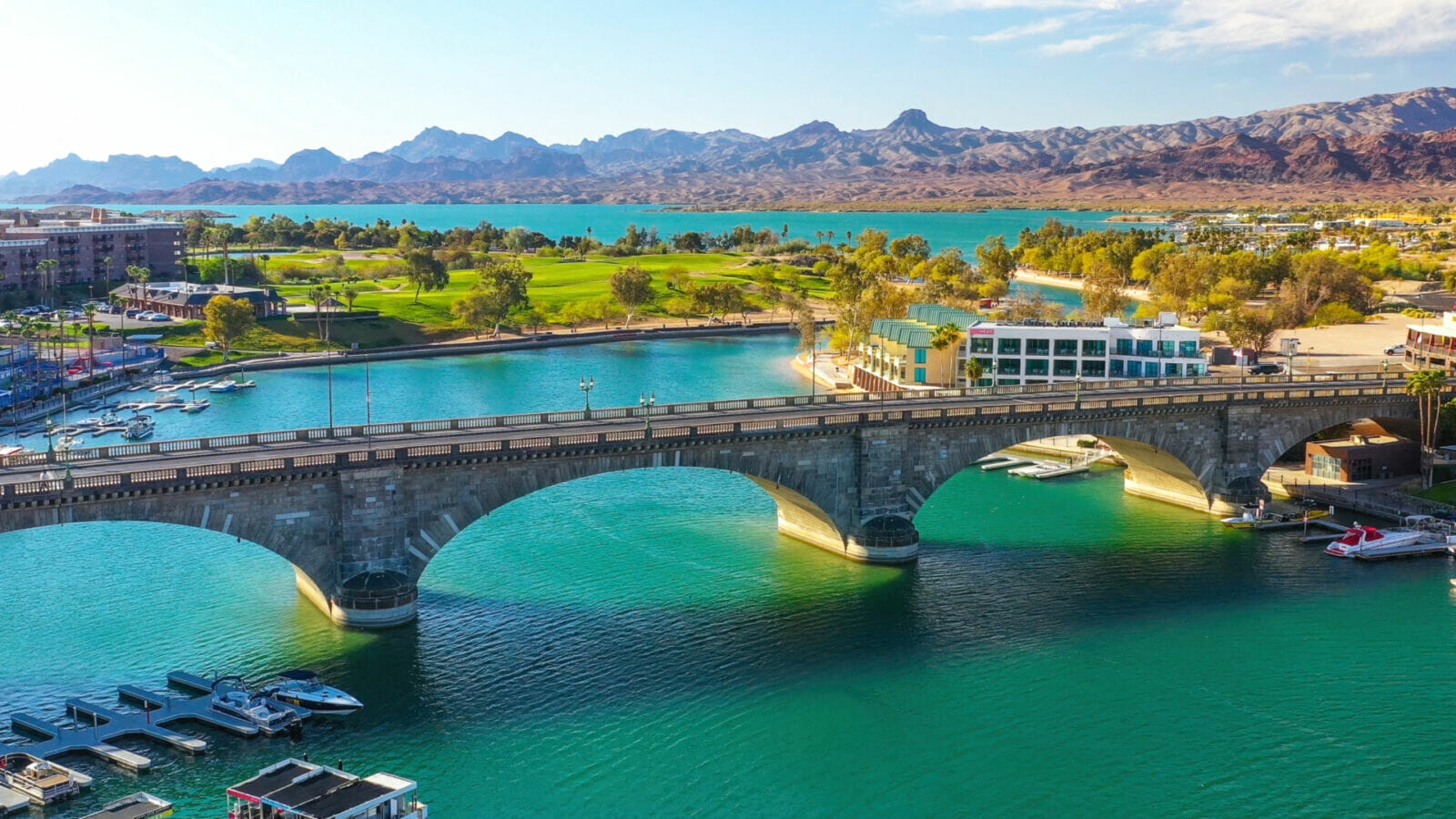
The culinary and retail scene in Lake Havasu City offers a diverse array of options, from casual eateries to upscale dining, and quirky boutiques to larger retail outlets. Just like outdoor activities, the operation hours for these establishments are firmly set to local Lake Havasu time.
Many restaurants offer “early bird” specials or “happy hour” deals that are time-sensitive. If you’re accustomed to a different time zone, arriving an hour late or early could mean missing out on these promotions or even the last seating for dinner. It’s especially crucial for popular spots that require reservations, as a misunderstanding of the time could lead to lost bookings. When booking online or over the phone, always specify that you are confirming in “local Arizona time” to avoid any ambiguity.
Shopping hours, too, are aligned with the local clock. Whether you’re hunting for souvenirs near the London Bridge or browsing stores in the city’s shopping districts, confirming opening and closing times is prudent. For night owls, Lake Havasu City’s nightlife comes alive as the sun sets. Bars, lounges, and entertainment venues typically operate until late evening or early morning, and again, their schedules are dictated by MST. The lack of Daylight Saving Time means that these evening experiences, from live music to casual drinks by the water, consistently start and end at the same clock times throughout the year, simplifying planning for both locals and repeat visitors. For first-timers, ensuring you’re synchronized with local time guarantees you won’t miss out on any of the city’s vibrant evening attractions or a chance to relax after a day of exploration.
Accommodation and Logistics: Ensuring a Seamless Stay
Beyond activities, the local time in Lake Havasu, Arizona is fundamental to the smooth execution of your travel logistics, particularly concerning accommodation. From the moment you book your stay to your final check-out, understanding Arizona’s unique time zone ensures a stress-free experience, allowing you to fully immerse yourself in the comfort and convenience of your chosen lodging. The consistency of Mountain Standard Time year-round is a blessing for predictability, but it still requires careful consideration from visitors arriving from regions that adjust their clocks.
Choosing Your Stay: Hotels, Resorts, and Vacation Rentals
Lake Havasu City offers a diverse range of accommodation options to suit every preference and budget, aligning with the website’s focus on hotels, suites, resorts, apartments, and villas. You can find everything from luxurious resorts with sprawling amenities to cozy vacation rentals perfect for families or longer stays. Popular choices include waterfront properties like the London Bridge Resort, which offers prime access to the lake and its attractions, or boutique hotels like the Heat Hotel, known for its modern design and vibrant atmosphere. Many visitors also opt for private vacation homes or apartments booked through various platforms, which provide a more local and flexible experience.
Regardless of your choice, standard check-in and check-out times are strictly observed in local Lake Havasu time. Typically, check-in is in the afternoon (e.g., 3:00 PM or 4:00 PM) and check-out is in the morning (e.g., 10:00 AM or 11:00 AM). If you’re flying into nearby airports such as McCarran International Airport in Las Vegas (which observes Daylight Saving Time for part of the year) and then driving to Lake Havasu, it’s crucial to factor in the potential one-hour time difference (during summer months) for your arrival at your lodging. A flight arriving at 2:00 PM PDT in Las Vegas combined with a two-hour drive means you’d arrive in Lake Havasu around 4:00 PM MST. If you miscalculate and think you have an extra hour, you might find yourself rushing to make check-in or communicating late arrival to the front desk.
Booking confirmations, amenity schedules (like pool hours or breakfast service), and any special requests you’ve made will all be based on the local Arizona time. For those considering long-term stays or renting a villa, understanding the consistent time zone can help establish routines and coordinate with local services like grocery deliveries or cleaning staff more effectively. Always confirm the exact time for early check-ins or late check-outs with your accommodation provider in advance to avoid any unexpected fees or inconveniences, clarifying that you are referring to Lake Havasu local time.
Maximizing Your Lake Havasu Experience
To truly maximize your Lake Havasu experience, a little foresight regarding the time zone will go a long way. Beyond initial arrival and departure logistics, maintaining an awareness of local time impacts your day-to-day enjoyment and overall lifestyle during your vacation.
Adjusting to Local Time: For visitors coming from time zones that are significantly different, particularly the Eastern or Central time zones, a slight adjustment period may be needed. Arizona’s consistent MST helps, as there’s no “spring forward” or “fall back” to contend with once you’re there. However, if you arrive during the summer when Arizona aligns with Pacific Time, your internal clock might feel an hour “behind” if you’re used to Mountain Daylight Time. Giving yourself a morning to acclimatize before diving into a packed schedule can be beneficial.
Communication and Connectivity: When communicating with friends and family back home, remember to account for the time difference. A quick call in the evening in Lake Havasu might be quite late in the Eastern Time Zone. This also applies to business travelers who might need to schedule virtual meetings; always use a time zone converter or explicitly state “Arizona time” to prevent scheduling conflicts.
Planning Daily Itineraries: Before heading out for the day, quickly check the time on your phone or watch to ensure it’s synchronized with local Lake Havasu time. This helps you keep track of lunch reservations, tour departure times, and sunset viewing opportunities. Utilize local weather apps or websites, which will inherently display times in MST, to plan your activities around the optimal conditions. For instance, knowing that the hottest part of the day might be 3:00 PM local time allows you to plan indoor activities or find shade during those hours.
Ultimately, the consistent adherence to Mountain Standard Time in Lake Havasu simplifies planning once you’ve arrived and adjusted. It removes the yearly confusion of Daylight Saving Time adjustments, offering a predictable schedule for your entire stay. By being mindful of this unique characteristic, you can ensure a smooth, enjoyable, and completely synchronized travel experience, fully embracing the local culture and vibrant lifestyle Lake Havasu City has to offer.
Lake Havasu: A Year-Round Destination Beyond the Clock
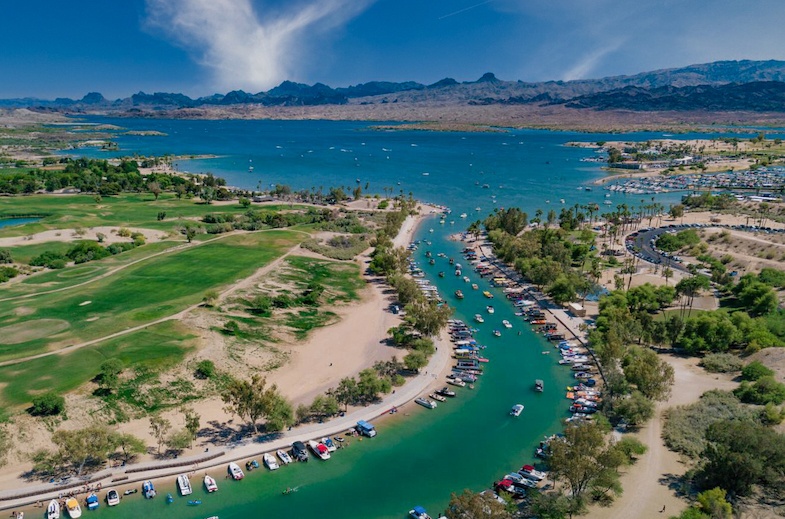
While understanding the specific time zone in Lake Havasu, Arizona is crucial for practical travel planning, it’s equally important to remember that this vibrant destination offers an abundance of experiences that transcend the tick-tock of the clock. Lake Havasu City has cultivated a lifestyle rich in outdoor adventure, unique landmarks, and community spirit, making it an attractive locale regardless of the season or the slight time zone peculiarities.
The charm of Lake Havasu isn’t just in its consistency with Mountain Standard Time but in its ability to cater to a diverse range of travel desires year-round. In the sun-drenched summer months, the lake is the undisputed star, bustling with boats, jet skis, and swimmers seeking relief from the desert heat. The consistent MST means longer perceived evenings, perfect for enjoying the vibrant nightlife or a leisurely dinner on the waterfront. During the cooler fall and spring, the mild temperatures create ideal conditions for hiking, golfing, and exploring the surrounding desert landscapes without the intense heat. Winter, too, holds its own appeal, with pleasant, sunny days drawing snowbirds and those escaping colder climates to enjoy the tranquil beauty of the lake and participate in various local events.
The iconic London Bridge stands as a testament to Lake Havasu’s distinctive character and entrepreneurial spirit, drawing visitors from across the globe. Beyond this landmark, the city offers a plethora of attractions, from the serene Havasu National Wildlife Refuge to the many coves and beaches along the Colorado River. These diverse offerings reinforce Lake Havasu City’s position as a multifaceted tourism destination, where the experience is designed to be timeless and memorable.
The local culture in Lake Havasu is a blend of laid-back desert charm and an energetic outdoor lifestyle. Whether you’re seeking luxury travel with resort amenities, a budget-friendly family trip filled with adventures, or a quiet escape, Lake Havasu adapts to your rhythm. The time zone, while a logistical consideration, ultimately recedes into the background as you immerse yourself in the natural beauty, recreational opportunities, and welcoming atmosphere that define this incredible Arizona gem. It’s a place where the sun sets later in the summer, giving you more daylight to play, but the true magic lies in the enduring appeal of its landscapes and the endless possibilities for adventure, irrespective of the precise hour on the clock.
In conclusion, knowing the answer to “What time is it in Lake Havasu, Arizona?” is more than just a matter of checking your watch; it’s a fundamental aspect of seamless travel planning to this unique destination. Operating consistently on Mountain Standard Time year-round, Lake Havasu City offers a predictable rhythm that, once understood, simplifies everything from booking flights and accommodations to scheduling your daily adventures. By keeping Arizona’s non-observance of Daylight Saving Time in mind, you can avoid common travel pitfalls and ensure that every moment of your trip is enjoyed to its fullest. So, set your watches, embrace the consistent desert time, and prepare to discover the endless allure of Lake Havasu.
LifeOutOfTheBox is a participant in the Amazon Services LLC Associates Program, an affiliate advertising program designed to provide a means for sites to earn advertising fees by advertising and linking to Amazon.com. Amazon, the Amazon logo, AmazonSupply, and the AmazonSupply logo are trademarks of Amazon.com, Inc. or its affiliates. As an Amazon Associate we earn affiliate commissions from qualifying purchases.