
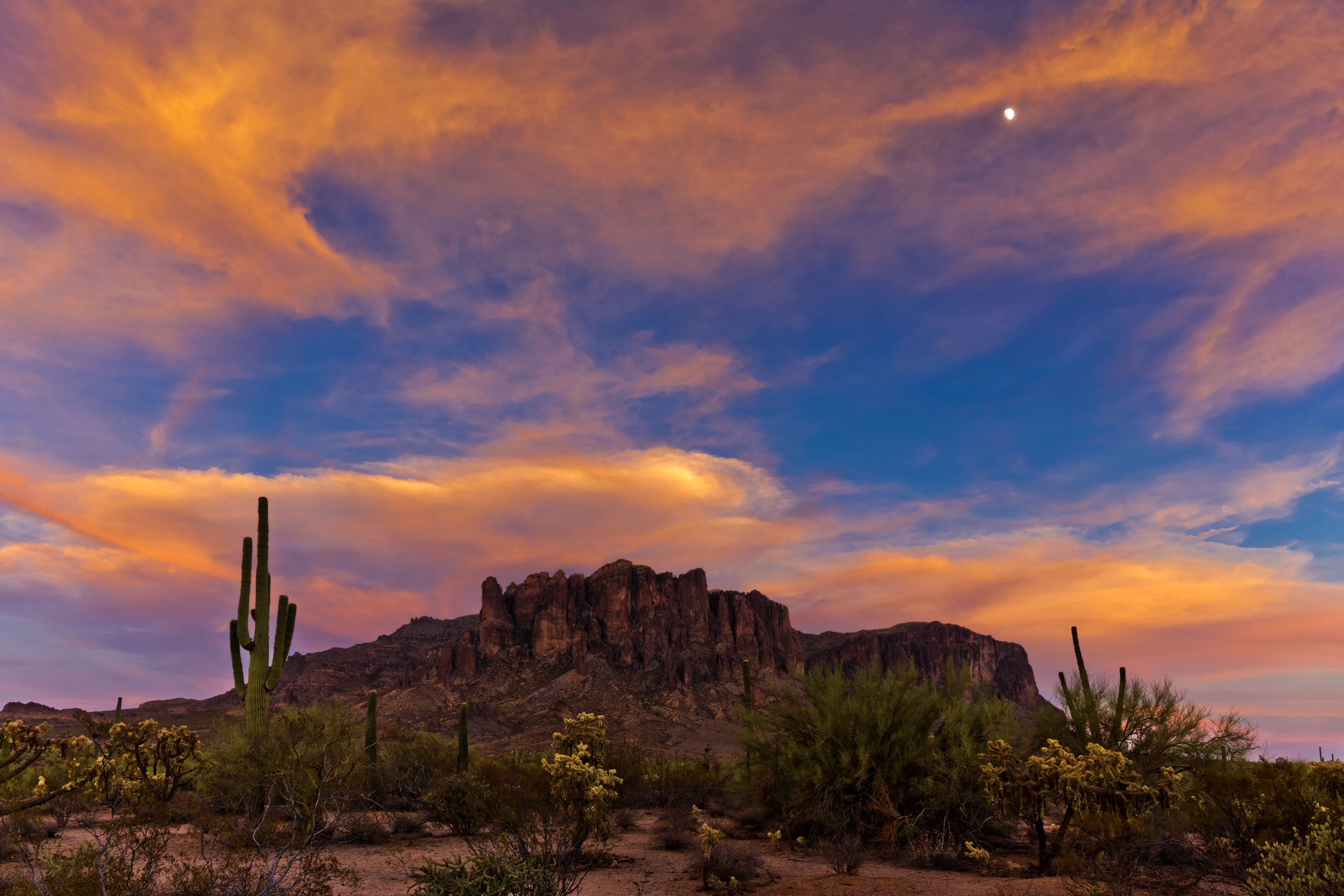
Arizona, a land of mesmerizing desert landscapes, majestic canyons, and vibrant red rock formations, offers some of the most spectacular sunsets on Earth. The fleeting moments when the sun dips below the horizon, painting the sky with an extraordinary palette of fiery oranges, deep purples, and soft pinks, are truly an experience to behold. While the exact time of sunset in Arizona varies throughout the year and depends slightly on your specific location within the state, understanding these nuances is key to planning your perfect twilight adventure. This guide delves into the specifics of Arizona sunsets, helping you plan your travel and accommodation to witness these daily natural masterpieces.
The Ever-Changing Canvas: Understanding Sunset Times in Arizona
The question of “What time is sunset in Arizona?” is dynamic, influenced by the Earth’s orbit, tilt, and the state’s unique geographical and time zone characteristics. Unlike many other states, Arizona observes a consistent time, largely unaffected by Daylight Saving Time, which simplifies planning but requires a different approach to understanding seasonal shifts.
Seasonal Variations and Daylight Saving
Throughout the year, the time of sunset in Arizona changes significantly. In the heart of summer, typically around the Summer Solstice in June, the sun might not set until after 7:30 PM or even closer to 8:00 PM in the western parts of the state. Conversely, during the winter months, especially around the Winter Solstice in December, sunsets can occur as early as 5:15 PM to 5:30 PM. These seasonal shifts are crucial for travelers planning their itineraries, whether they’re looking for a leisurely evening hike or a romantic dinner with a view.
One of the most distinctive aspects of timekeeping in Arizona is its general non-observance of Daylight Saving Time (DST). Most of the state remains on Mountain Standard Time (MST) year-round. This means that while other states “spring forward” and “fall back,” Arizona maintains a consistent UTC-7 offset. The primary exception to this rule is the Navajo Nation, which spans parts of northeastern Arizona and does observe DST. This can lead to a one-hour time difference when traveling between areas like Flagstaff and parts of the Navajo Nation like Monument Valley during DST months, a detail important for those venturing into this culturally rich region. For the rest of the state, the consistency of MST simplifies planning but also means that the sun sets earlier in the evenings during what would traditionally be the “daylight saving” period in other areas.
Geographic Nuances: East vs. West
While Arizona mostly falls within a single time zone, there are slight geographical differences in sunset times across the vast state. The westernmost regions of Arizona, such as cities like Yuma or towns along the Colorado River bordering California and Nevada, will experience sunset a few minutes later than the eastern parts of the state, closer to the border of New Mexico. This difference, typically ranging from 10 to 20 minutes, is due to the Earth’s rotation and the longitudinal spread of the state. For instance, sunset in Phoenix will generally occur a few minutes later than in Tucson, and even earlier in places like Petrified Forest National Park on the eastern side. While these slight variations might not drastically alter your plans, they are worth noting if you’re chasing the last golden rays of light for photography or specific outdoor activities.
Iconic Arizona Destinations for Unforgettable Sunsets
Arizona is synonymous with breathtaking natural landmarks and offers a plethora of prime locations to witness its famed sunsets. Each destination provides a unique backdrop, promising a distinct and memorable experience for every type of traveler.
The Grand Canyon: A Symphony of Colors
Undoubtedly one of the world’s most awe-inspiring natural wonders, the Grand Canyon transforms into an otherworldly canvas as the sun descends. The immense scale and geological complexity of the canyon mean that shadows deepen, and the layered rock formations ignite with an incredible array of reds, oranges, and purples. It’s a truly humbling experience that transcends mere visual beauty.
For those planning to witness a Grand Canyon sunset, the South Rim offers the most accessible and popular viewpoints. Iconic spots like Mather Point, Yavapai Point, and Hopi Point are renowned for their panoramic vistas. Hopi Point, in particular, is often considered one of the best for sunset photography due to its unobstructed views both east and west. Another fantastic option is Desert View Watchtower on the eastern South Rim, offering distant views of the Colorado River and the vast expanse of the Painted Desert.
To truly immerse yourself, consider staying overnight at one of the Grand Canyon Village hotels like El Tovar Hotel or Bright Angel Lodge. These historic accommodations allow you to easily access viewpoints before and after the crowds disperse, offering a more serene and intimate experience. Remember to arrive at least an hour before the projected sunset time to secure a good spot, especially during peak season, as this is a popular activity for tourism in the area.
Sedona’s Red Rocks: Spiritual Serenity at Dusk
Sedona, famous for its vibrant red rocks and spiritual energy vortices, offers a dramatically different yet equally captivating sunset experience. As the sun dips, the already brilliant red hues of formations like Bell Rock, Cathedral Rock, and Airport Mesa intensify, glowing with an almost supernatural light. The clear desert air often leads to incredibly vivid colors that linger long after the sun has disappeared.
Airport Mesa is a perennial favorite for sunset views, providing a 360-degree panorama of the Sedona landscape. However, its popularity means it can get very crowded. For a slightly less congested experience, consider viewpoints along Red Rock Scenic Byway (Highway 179) or the trails around Cathedral Rock. Many resorts and hotels in Sedona, such as the Enchantment Resort or L’Auberge de Sedona, are strategically placed to offer breathtaking sunset views directly from your suite or patio, providing a luxurious way to enjoy the spectacle. Dining with a view is also a popular lifestyle choice here, with many restaurants boasting outdoor seating perfect for a sunset meal.
Saguaro National Park: Desert Silhouettes
For a quintessential Sonoran Desert sunset, Saguaro National Park near Tucson is unparalleled. Here, the iconic saguaro cacti stand tall and proud, transforming into magnificent silhouettes against a sky ablaze with color. The park is divided into two districts, East (Rincon Mountain District) and West (Tucson Mountain District), both offering unique perspectives.
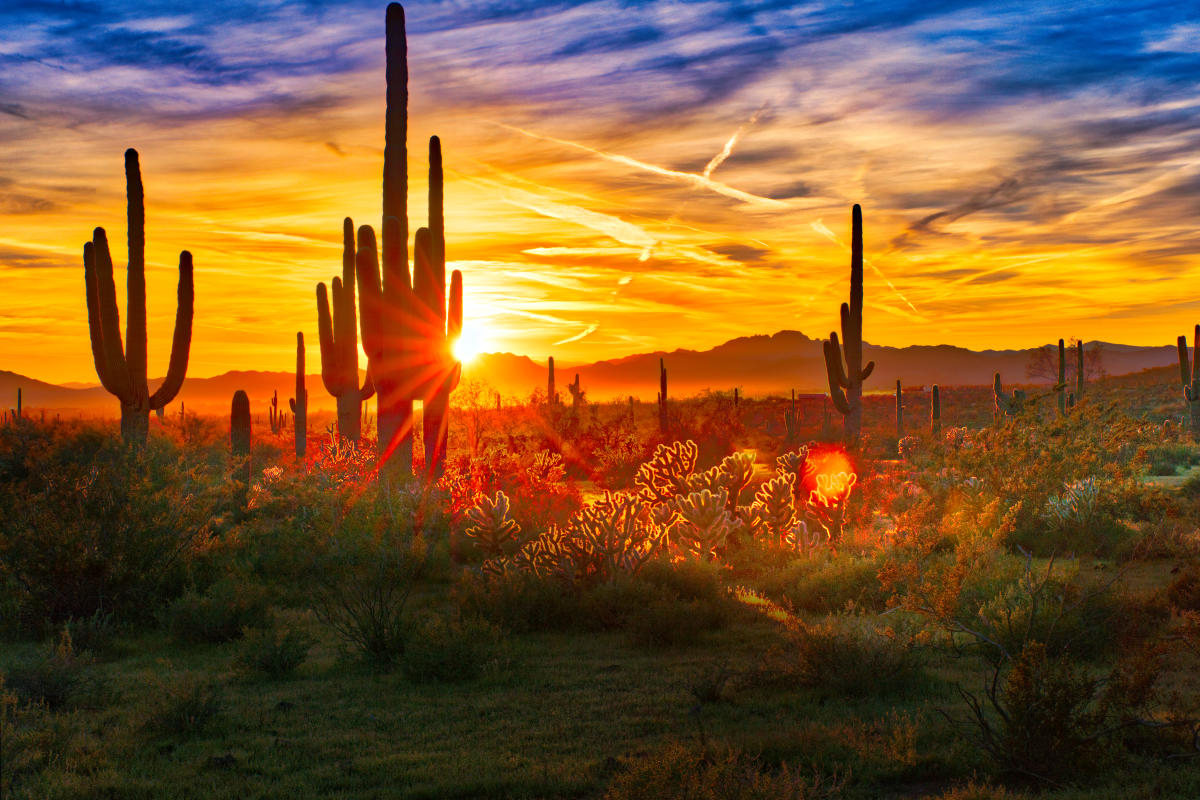
The western district, with its denser stands of saguaros and more rugged Tucson Mountains, is particularly popular for photographers. Drives like Gates Pass offer elevated views where you can see endless saguaros stretching towards the horizon. The eastern district provides a different scale, with more distant mountain views. Regardless of which section you choose, the sight of these majestic cacti outlined against the fiery sky is a truly unique Arizona experience, embodying the serene beauty of the desert at dusk. Arrive early to explore the hiking trails and find your perfect spot amidst these desert giants.
Phoenix and Tucson: Urban Sunsets with a Desert Backdrop
Even in Arizona’s largest cities, Phoenix and Tucson, the desert landscape ensures that sunsets remain a spectacular event. While you might not have the raw wilderness of the Grand Canyon, you get the added dimension of city lights twinkling to life as the sky fades.
In Phoenix, popular spots include South Mountain Park and Preserve, offering panoramic views of the city skyline blending with the desert horizon. The Desert Botanical Garden also provides a beautiful setting, with unique desert flora silhouetted against the vibrant sky. Many luxury resorts like The Phoenician or Arizona Biltmore offer elevated patios and rooftop bars where guests can enjoy gourmet dining and cocktails alongside stunning views, making for a perfect end to a day of exploring Old Town Scottsdale or attending business events.
Tucson offers similar urban-desert blends. Beyond Saguaro National Park, Mount Lemmon provides cooler temperatures and incredible vantage points as you ascend the Catalina Highway, watching the sun set over the vast Sonoran Desert and the city below. Rooftop bars in downtown Tucson also provide excellent opportunities for a relaxing sunset experience, often accompanied by local cuisine and craft beverages.
Monument Valley: A Navajo Nation Masterpiece
Journeying north to the Navajo Nation reveals Monument Valley, an iconic landscape straddling the Arizona-Utah border. The towering sandstone buttes and mesas here are already dramatic during the day, but at sunset, they become truly legendary. The low angle of the sun casts long, deep shadows, highlighting the incredible textures and forms of these natural giants, while the sky erupts in a fiery display.
Accessing Monument Valley requires respecting Navajo Nation regulations, as it is tribal land. The best place to view the sunset is often from The View Hotel or the adjacent visitor center, which offer unparalleled vistas of the famous mittens and other formations. Staying at The View Hotel allows you to experience both sunset and sunrise over this majestic landscape, a powerful and deeply cultural experience. Guided tours led by Navajo locals can also provide unique insights and access to viewpoints not available to the general public, enriching your understanding of the land and its people. Remember that the Navajo Nation observes Daylight Saving Time, so factor that into your planning.
Enhancing Your Arizona Sunset Experience: Travel & Accommodation Tips
To truly maximize your Arizona sunset experience, strategic planning is essential. From choosing the right time to visit to finding the perfect place to stay, a few considerations can elevate your travel adventure from memorable to absolutely unforgettable.
Planning Your Visit: Best Times and Logistics
The “best” time to witness a sunset in Arizona largely depends on your personal preference and itinerary. Spring (March-May) and Fall (September-November) generally offer more comfortable temperatures for outdoor viewing, especially in the desert regions. During these shoulder seasons, crowds can be slightly smaller than peak summer, and the lighting for photography is often superb. Winter sunsets, while earlier, can offer crisp, clear skies and unique photographic opportunities, particularly with snow dusting the Grand Canyon’s North Rim or the high country around Flagstaff.
Logistically, always check the exact sunset time for your specific location on the day of your visit using a reliable weather app or website. Plan to arrive at your chosen viewpoint at least 60-90 minutes before sunset. This allows ample time to find parking, scout the best spot, set up any photography equipment, and simply soak in the gradual transformation of the sky. Many popular locations, especially in the Grand Canyon and Sedona, can become very crowded, so early arrival is crucial. Bring layers of clothing, as desert evenings can cool down rapidly, even after a hot day. Don’t forget water, snacks, and a flashlight for navigating in the dark after the show is over.
Where to Stay: Accommodations with a View
For travelers, the choice of accommodation can significantly enhance the sunset experience. Many hotels, resorts, and even vacation rentals in Arizona are strategically designed to offer stunning views.
In Sedona, look for resorts perched on hillsides or near the Red Rocks, often featuring private balconies or communal viewing decks. In Phoenix and Tucson, consider hotels with rooftop bars or restaurants that provide cityscape and distant mountain views. If you’re visiting the Grand Canyon, booking a room at one of the lodges within the national park allows for unparalleled access to viewpoints, avoiding the need for long drives in the dark. For a unique lifestyle experience, some high-end villas or suites offer private patios perfectly oriented for sunset viewing. When researching hotels or apartments, specifically look for reviews that mention “sunset views” or “balcony views” to ensure you’re getting the best bang for your buck. Online booking platforms often allow filtering by amenities or specific features like views.

Beyond the View: Dining and Activities
A sunset in Arizona can be more than just a visual treat; it can be integrated into a full evening of tourism and cultural immersion. Many upscale restaurants in Phoenix, Scottsdale, and Sedona offer special sunset dining experiences, featuring outdoor patios or floor-to-ceiling windows timed perfectly with the golden hour. Imagine savoring local Arizona cuisine while the sky transforms before your eyes.
For the adventurous, consider a sunset jeep tour in Sedona or a scenic drive along Canyon de Chelly on the Navajo Nation, ending at a dramatic overlook. After the sun has fully set, the clear Arizona desert skies become a canvas for stargazing, particularly in designated Dark Sky Communities like Flagstaff or within the national parks. Some resorts even offer astronomy programs. Whether it’s a romantic getaway, a family trip, or a solo adventure, integrating a sunset viewing into your Arizona itinerary promises to be a highlight, leaving you with lasting memories of nature’s daily grand finale.
In conclusion, while the precise moment of sunset in Arizona is a moving target influenced by the calendar and geography, the state’s natural beauty ensures that anytime you catch it, it will be an awe-inspiring spectacle. From the majestic depths of the Grand Canyon to the glowing Red Rocks of Sedona and the silhouetted saguaros of the Sonoran Desert, Arizona truly offers a sunset experience unlike any other. Plan wisely, immerse yourself fully, and prepare to be captivated by the magic of an Arizona evening.
LifeOutOfTheBox is a participant in the Amazon Services LLC Associates Program, an affiliate advertising program designed to provide a means for sites to earn advertising fees by advertising and linking to Amazon.com. Amazon, the Amazon logo, AmazonSupply, and the AmazonSupply logo are trademarks of Amazon.com, Inc. or its affiliates. As an Amazon Associate we earn affiliate commissions from qualifying purchases.