
For many aspiring travelers, understanding the climate of a destination is paramount to planning the perfect trip. When considering a visit to Tucson, Arizona, the question of temperature isn’t just a matter of curiosity; it’s a critical factor that shapes everything from your packing list to your daily itinerary. Nestled in the heart of the Sonoran Desert, Tucson boasts a climate as unique and captivating as its landscape. Known for its abundant sunshine, dry air, and distinctive seasonal shifts, the temperature in Tucson dictates the rhythm of life and tourism in this vibrant southwestern city. Whether you’re seeking a winter escape from colder climes, an adventurous spring hike, or a unique summer experience amidst dramatic monsoon thunderstorms, knowing what to expect from the thermometer will empower you to make the most of your Tucson adventure. This comprehensive guide will delve into the intricacies of Tucson’s temperature patterns throughout the year, exploring how these climatic conditions influence everything from travel planning and accommodation choices to the best local culture and outdoor activities, ensuring your visit is as comfortable and memorable as possible.
Understanding Tucson’s Desert Climate: A Year-Round Perspective
The climate of Tucson is fundamentally defined by its location within the Sonoran Desert, a unique ecological region renowned for its diverse plant and animal life, including the iconic Saguaro cactus. This desert environment results in a distinct pattern of hot summers and mild winters, with significant daily temperature fluctuations and two primary rainy seasons. Understanding these nuances is key to appreciating Tucson’s charm and planning your visit accordingly. The nearly year-round sunshine is a major draw, boasting an average of 350 sunny days annually, making it a popular destination for those seeking warmth and clear skies. However, “warmth” in Tucson can mean vastly different things depending on the month, transitioning from pleasantly warm to intensely hot, often within the span of a single day. This dry heat is often described as more tolerable than humid heat, but it still demands respect and proper preparation, especially for visitors unaccustomed to desert conditions. The elevation of Tucson, sitting at about 2,400 feet above sea level, also plays a subtle role, contributing to cooler nights than lower-lying desert areas and offering a slight reprieve from the midday sun.
Summer in the Sonoran: Intense Heat and Monsoon Rains
Summer in Tucson, typically spanning from June through September, is characterized by intense heat, making it the least popular time for many tourists but offering unique experiences for the prepared traveler. Average daytime temperatures frequently soar into the high 90s Fahrenheit (35-37°C) and often exceed 100°F (38°C), with July and August being the hottest months. Nighttime temperatures offer some relief, usually dropping into the low 70s or high 60s Fahrenheit (20-22°C), but it remains consistently warm. The dry heat can be deceptively comfortable, but the risks of dehydration and heatstroke are significant without proper precautions.
However, summer also brings Tucson’s dramatic monsoon season, typically from mid-July through August. This period transforms the desert landscape with sudden, powerful thunderstorms that bring heavy rains, incredible lightning displays, and often flash floods. The monsoons break the intense dry heat, creating a temporary humidity and a refreshing, earthy scent known as “petrichor.” This phenomenon is a spectacle in itself, as dry washes become rushing rivers and the desert flora bursts into a vibrant, if temporary, green. Activities during these months often shift to early morning adventures, visits to air-conditioned indoor attractions like the Arizona-Sonora Desert Museum or the Pima Air & Space Museum, and ample time spent by a resort pool. Those looking for cooler temperatures can always drive up to Mount Lemmon, where temperatures can be 20-30 degrees Fahrenheit cooler than the city below, offering a true mountain escape within easy reach.
Winter Wonderland (Desert Style): Mild and Inviting
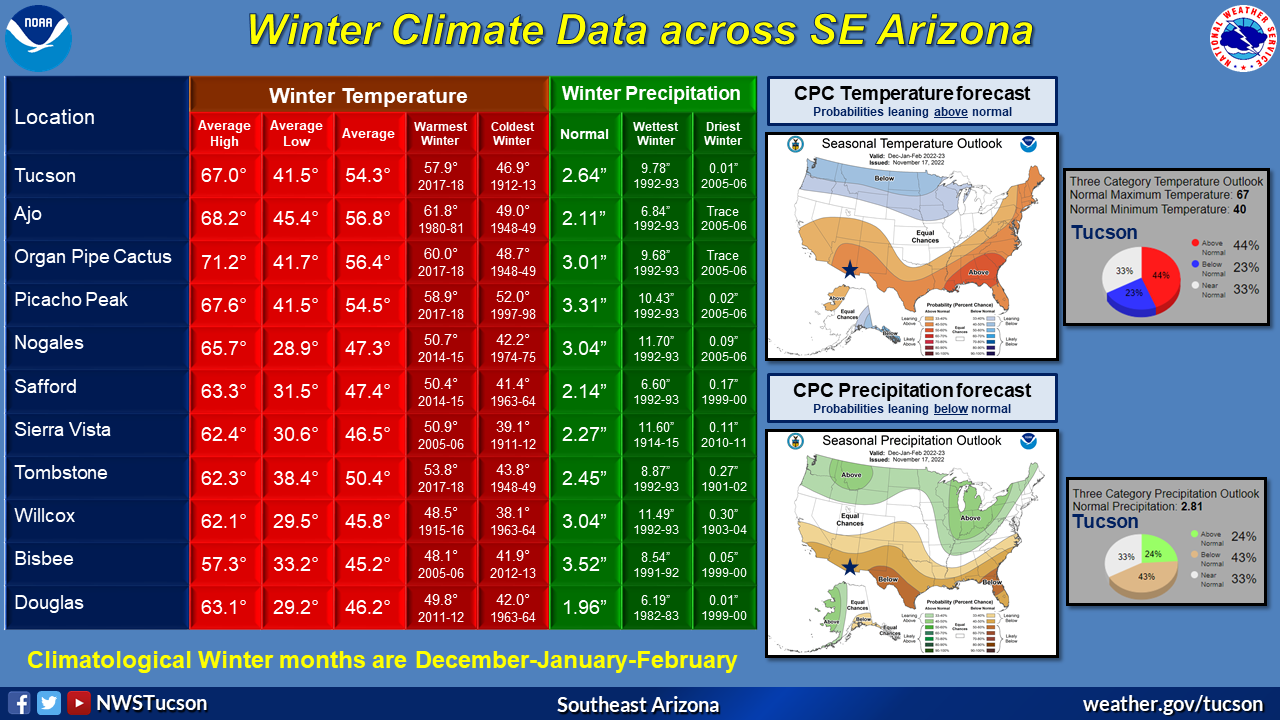
Tucson’s winter, from November through February, is arguably its most celebrated season and the peak time for tourism. This period transforms the hot desert into a comfortable, sun-drenched haven, attracting “snowbirds” from colder regions across the United States and Canada. Average daytime temperatures range from the mid-60s to low 70s Fahrenheit (18-23°C), creating ideal conditions for outdoor activities. Nights are cool and crisp, often dipping into the 40s Fahrenheit (4-9°C), perfect for cozy evenings by a fire pit or enjoying the desert’s clear, starlit skies.
This mild climate makes winter the perfect season for exploring Tucson’s numerous hiking trails, from the iconic Saguaro National Park to the rugged beauty of Catalina State Park. Golf courses are in pristine condition, and cycling along scenic routes is a popular pastime. The absence of extreme heat allows for extended outdoor excursions, whether it’s birdwatching in Sabino Canyon Recreation Area or horseback riding through the desert. Winter also sees a lively calendar of festivals, art shows, and cultural events, taking full advantage of the pleasant weather. While snowfall in the city of Tucson is rare and typically brief, the higher elevations of the Santa Catalina Mountains, particularly Mount Lemmon, receive significant snow, offering skiing and snowboarding opportunities just an hour’s drive from the desert floor. This unique juxtaposition of desert and mountain winter sports makes Tucson an exceptionally diverse winter destination.
Spring and Fall: The Golden Seasons
Between the extremes of summer heat and winter mildness lie Tucson’s spring (March-May) and fall (October). These shoulder seasons are often considered the “golden seasons” for their near-perfect weather, balancing warmth with comfort.
- Spring (March-May): As winter transitions to spring, temperatures steadily rise, with March seeing averages in the low 70s Fahrenheit (21-23°C), climbing to the low to mid-80s Fahrenheit (27-29°C) by May. This period is famous for the desert’s spectacular bloom, especially after a wet winter, transforming the landscape into a canvas of wildflowers and cactus blossoms. The air remains relatively dry, and sunny days are abundant, making it an ideal time for all outdoor activities before the intense summer heat sets in. Hiking, mountain biking, and exploring Tucson’s outdoor attractions are exceptionally pleasant. Spring also hosts various cultural events and farmers’ markets, taking full advantage of the inviting weather.
- Fall (October): October offers a brief but glorious return to comfortable temperatures after the summer’s heat and monsoon humidity. Average daytime temperatures settle into the high 70s to low 80s Fahrenheit (25-29°C), with crisp, cool evenings. The humidity drops, and the air becomes refreshingly dry, signaling the start of the prime outdoor season. This is an excellent time for hot air balloon rides, stargazing at observatories like Kitt Peak Observatory, and enjoying patio dining at Tucson’s acclaimed restaurants. Fall often feels like an extension of spring’s best weather, providing another window for visitors to experience the Sonoran Desert in its most accommodating form.
Beyond the Thermometer: How Temperature Shapes Your Tucson Experience
The temperature in Tucson does more than just dictate what clothes you pack; it fundamentally influences the pace, rhythm, and possibilities of your entire travel experience. From the availability of certain activities to the overall ambiance of the city, the climate acts as an invisible hand guiding your journey. Understanding this relationship allows you to not just visit Tucson but to truly immerse yourself in its unique desert lifestyle, leveraging the weather to your advantage for an unforgettable trip. The interplay between scorching summer days and temperate winters creates a dynamic environment that offers distinct advantages and considerations for travelers at any time of year.
Planning Your Travel: Best Time to Visit Tucson
Choosing the “best” time to visit Tucson heavily depends on your personal preferences and the type of activities you envision for your trip.
- For Outdoor Enthusiasts (Hiking, Biking, Golf): The period from November to April is unequivocally the best. The mild temperatures are perfect for sustained physical activity, allowing for full days of exploration without the risk of extreme heat. Expect comfortable daytime highs in the 60s and 70s Fahrenheit (15-25°C), with cool, refreshing mornings and evenings.
- For Budget Travelers & Pool Lovers: The summer months (June-September) can offer significant savings on flights and accommodation, as it’s the off-peak season. While the heat is intense, many resorts offer fantastic deals and their pools become essential oases. Early morning excursions, indoor museums, and evening activities are key. The dramatic monsoon thunderstorms also provide a unique spectacle.
- For Sightseeing and Comfortable Exploration: October and May (the shoulder seasons) strike a wonderful balance. Temperatures are warm but generally not scorching, making it pleasant to explore cultural sites like Mission San Xavier del Bac, wander through the El Presidio Historic District, or enjoy the vibrant atmosphere of Fourth Avenue without the peak season crowds or prices.
- For Desert Bloom Enthusiasts: Late March and April often showcase the desert in its most colorful splendor, with wildflowers and cacti in bloom. This coincides with excellent hiking weather, making it a truly picturesque time to visit Saguaro National Park or the Arizona-Sonora Desert Museum.
Understanding these seasonal variations in temperature allows you to align your visit with your desired experiences, whether it’s an active adventure or a relaxed retreat.
Packing Smart for the Desert

Regardless of when you visit, intelligent packing is crucial for comfort in Tucson’s desert climate. The key principle is layering. Even in summer, evenings can cool down from the daytime highs, and air-conditioned interiors can feel chilly.
- Sun Protection: This is non-negotiable year-round. Pack a wide-brimmed hat, sunglasses, and high-SPF sunscreen. Long-sleeved, lightweight, breathable clothing (like linen or performance fabrics) is excellent for protecting your skin from the intense sun, even in summer.
- Hydration: Bring a reusable water bottle. The dry air can lead to rapid dehydration, so constant water intake is essential, especially when engaging in outdoor activities. Electrolyte tablets can also be beneficial.
- Footwear: Comfortable, closed-toe walking shoes or hiking boots are a must for exploring trails and urban areas. Sandals are fine for casual wear but offer little protection on rugged terrain.
- Seasonal Specifics:
- Winter: Layers including light jackets, sweaters, and perhaps a warm hat for evenings. Daytime might only require a t-shirt and light long-sleeved top.
- Summer: Very light, loose-fitting clothing. Swimwear is essential for resort pools. A light cover-up for evenings or air-conditioned spaces is advisable.
- Spring/Fall: A mix of light long-sleeved shirts, t-shirts, and a medium-weight jacket or sweater for mornings and evenings.
Remember that the dry desert air means sweat evaporates quickly, which can make it feel less hot than the actual temperature. However, this also means you’re losing fluids rapidly without realizing it, reinforcing the need for constant hydration.
Tucson’s Top Attractions & Activities Tailored to the Climate
Tucson’s diverse array of attractions caters to every season, provided you understand how the temperature influences the best time and way to experience them. From iconic natural landmarks to rich cultural institutions, the city offers a wealth of options that can be enjoyed under the desert sun or within the cool confines of indoor spaces. The key to maximizing your enjoyment is knowing when to embrace the outdoors and when to seek shelter, allowing the climate to enhance rather than hinder your explorations. This strategic approach ensures that whether you’re visiting in the peak of winter or the heart of summer, Tucson always has something captivating to offer.
Embracing the Outdoors: When the Weather is Right
The vast majority of Tucson’s most celebrated experiences are found outdoors, making the cooler months the ideal time to explore them.
- Saguaro National Park: Divided into two districts (East and West), this park protects the nation’s largest cacti forests. The optimal time for hiking, scenic drives, and photography is from October through April. During these months, temperatures are comfortable for extended walks on trails like the Valley View Overlook Trail in the West or the Cactus Forest Drive in the East. Early mornings are best for spotting wildlife and enjoying the sunrise.
- Catalina State Park: Located at the base of the Santa Catalina Mountains, this park offers excellent hiking, birdwatching, and camping opportunities. Winter and spring bring perfect conditions for tackling trails like the Romero Pools trail, which leads to natural swimming holes (though these are often dry outside of heavy rains).
- Sabino Canyon Recreation Area: A popular spot for tram rides, hiking, and picnicking. The tram offers an accessible way to see the canyon’s beauty, while numerous trails branch off for more strenuous hikes. Visit in the cooler months to fully enjoy the natural beauty without overheating. Even in summer, early morning visits are possible, often followed by a refreshing dip in seasonal pools.
- Mount Lemmon: As part of the Santa Catalina Mountains, a drive up the scenic Catalina Highway is a must. The “sky island” offers dramatically cooler temperatures, especially in summer, providing an escape from the desert heat. In winter, it transforms into a ski area. Year-round, it’s excellent for hiking, camping, and enjoying pine forests, a stark contrast to the desert floor.
- Stargazing: Tucson’s clear desert skies make it one of the best places in the United States for stargazing. Locations like Kitt Peak Observatory offer public programs, but even from less remote areas, the night sky is incredible. The cooler, drier months with less monsoon cloud cover offer the best viewing conditions.
Indoor Escapes: Beating the Heat or Dodging a Chill
When the temperatures soar, or if you prefer cultural immersion, Tucson offers a wealth of air-conditioned indoor attractions.
- Arizona-Sonora Desert Museum: More than just a museum, this institution is a zoo, botanical garden, art gallery, and natural history museum rolled into one. While much of it is outdoors, there are plenty of shaded paths, indoor exhibits, and air-conditioned spaces to duck into. Early mornings in summer are highly recommended to enjoy the outdoor sections before the heat becomes too intense.
- Pima Air & Space Museum: One of the largest non-government funded aerospace museums in the world, featuring an impressive collection of aircraft. With extensive indoor hangers and guided tram tours of the outdoor “Boneyard,” it’s an excellent choice for a full day, especially during the hotter months.
- Mission San Xavier del Bac: Known as the “White Dove of the Desert,” this stunning 18th-century Spanish Catholic mission is a National Historic Landmark. Its intricate architecture and artwork can be explored indoors, providing a beautiful cultural experience regardless of the outside temperature.
- Old Tucson Studios: A historic movie set and theme park, offering a glimpse into the Wild West. While there are outdoor shows, many exhibits and shops are indoors, making it a viable option for partially escaping the heat. Check seasonal operating hours, as they may adjust for extreme weather.
- University of Arizona Museums: The campus hosts several notable museums, including the Arizona State Museum (focusing on Southwestern cultures) and the Center for Creative Photography. These offer enriching experiences in climate-controlled environments.
- Shopping & Entertainment: For a more relaxed experience, explore upscale shopping at La Encantada or the broader offerings at Tucson Mall. For evening entertainment, the historic Hotel Congress or the Gaslight Theatre offer unique performances. Children’s Museum Tucson is a great option for families seeking indoor fun.
Accommodation & Lifestyle: Finding Your Oasis in Tucson
The diverse climate of Tucson profoundly influences its accommodation landscape and the lifestyle experiences it offers. From sprawling luxury resorts designed as desert oases to charming boutique hotels nestled in historic districts, every lodging option is subtly shaped by the need to provide comfort against the elements, whether it’s intense summer heat or crisp winter nights. This adaptability extends to the city’s renowned culinary scene and vibrant local culture, which also ebb and flow with the seasons, offering distinct experiences throughout the year. Understanding how Tucson’s temperature patterns integrate with its lifestyle can help you select the perfect base for your travels and fully immerse yourself in the local rhythm.
Resorts and Hotels: Comfort in Any Climate
Tucson is famous for its wide range of accommodation options, many of which are designed to maximize comfort in the desert environment.
- Luxury Resorts: Resorts like the JW Marriott Tucson Starr Pass Resort & Spa, Ritz-Carlton, Dove Mountain, Loews Ventana Canyon Resort, and Omni Tucson National Resort are prime examples. They typically feature expansive, meticulously landscaped pools (often with water slides and lazy rivers, a true blessing in summer), luxurious spas, championship golf courses, and fine dining. These properties excel at creating self-contained oases where guests can relax and rejuvenate, largely insulated from the outside temperatures. In summer, the focus shifts to early morning activities, extended pool time, and indoor amenities. In winter, guests can enjoy outdoor patios, golf, and hiking directly from their doorstep.
- Boutique Hotels & Historic Stays: For those seeking a more intimate or culturally rich experience, Tucson‘s downtown and historic districts offer charming boutique hotels. Properties like the Hotel Congress, a historic landmark, provide a unique stay with a focus on local character, often featuring beautiful courtyards and easy access to urban attractions. While they might not have the sprawling pools of larger resorts, their central locations and unique charm make them ideal for exploring the city when temperatures are moderate.
- Dude Ranches: For an authentic Old West experience, Tucson is home to renowned dude ranches such as Tanque Verde Ranch and White Stallion Ranch. These all-inclusive properties offer horseback riding, cowboy cookouts, and various outdoor activities. The best time to experience these ranches is during the cooler months, as riding and other outdoor pursuits are far more enjoyable in mild weather. However, some ranches adapt their schedules in summer with early morning rides and plenty of pool time.
- Budget-Friendly Options & Extended Stays: Beyond the resorts, Tucson offers numerous hotels and vacation rentals catering to various budgets. Many feature outdoor pools, which are essential amenities, particularly outside of the winter months. For long-term stays, especially for “snowbirds,” fully equipped apartments and villas are popular, providing a comfortable base for enjoying the mild winter.

Culinary Delights and Local Culture
Tucson’s culinary scene, recognized as the first UNESCO City of Gastronomy in the United States, is deeply intertwined with its local culture and, by extension, its climate. The city’s rich history, particularly its proximity to Mexico, has forged a unique Sonoran-style cuisine that embraces local ingredients and flavors.
- Year-Round Flavors: Mexican food, from street tacos to Sonoran hot dogs, is a staple and can be enjoyed regardless of the temperature. Many restaurants, especially those serving traditional fare, are set up to handle the heat with shaded patios and cooling systems.
- Seasonal Dining: The cooler months (fall, winter, and spring) are perfect for enjoying outdoor patio dining. Tucson boasts a thriving farm-to-table movement, and many restaurants highlight seasonal ingredients. Wine bars, craft breweries, and upscale dining establishments thrive in the comfortable weather, with vibrant outdoor spaces coming alive. During the peak summer, indoor dining or restaurants with expertly cooled outdoor misters become more appealing.
- Cultural Festivals: Tucson’s cultural calendar is packed with events, many of which are timed to coincide with the most pleasant weather. The Tucson Gem & Mineral Show (though I haven’t listed it to link yet, it’s a huge event that fits here) in February, various art walks, and music festivals are best enjoyed when the sun is shining but the temperatures are moderate. Summer often sees more indoor-focused performances or evening events, taking advantage of the cooler nights after sunset.
In essence, whether you’re savoring the spicy notes of a regional dish or exploring the city’s historic streets, Tucson’s lifestyle adapts beautifully to its climate. Travelers who embrace this seasonal rhythm will find a city that continuously reinvents itself, offering fresh experiences with every turn of the thermometer.
Understanding “what’s the temperature in Tucson, Arizona?” is far more than a simple weather check; it’s the gateway to unlocking the full potential of your desert adventure. This unique Sonoran Desert city truly offers a different experience with each season. From the intensely hot, dramatic monsoon summers that demand resort pool relaxation and early morning explorations, to the idyllic, mild winters perfect for extensive hiking and outdoor activities, and the beautifully balanced shoulder seasons of spring and fall that showcase the desert in full bloom, Tucson invites visitors to embrace its climatic rhythm. By intelligently planning your trip around these temperature variations, choosing appropriate accommodations, and tailoring your activities, you can ensure a comfortable, enriching, and unforgettable journey. Whether you seek the warmth of the winter sun, the vibrancy of spring blossoms, or the dramatic beauty of a summer storm, Tucson promises a captivating experience, year-round, for those prepared to meet its magnificent desert climate on its own terms.
LifeOutOfTheBox is a participant in the Amazon Services LLC Associates Program, an affiliate advertising program designed to provide a means for sites to earn advertising fees by advertising and linking to Amazon.com. Amazon, the Amazon logo, AmazonSupply, and the AmazonSupply logo are trademarks of Amazon.com, Inc. or its affiliates. As an Amazon Associate we earn affiliate commissions from qualifying purchases.