
Phoenix, Arizona, often lauded as the “Valley of the Sun,” is a destination renowned for its year-round sunshine and unique desert landscape. For any traveler planning a trip, understanding the local weather isn’t just a matter of curiosity; it’s a critical component of trip planning, influencing everything from packing essentials to activity choices and even the type of accommodation you’ll seek out. As a vibrant hub for travel, tourism, and lifestyle, Phoenix offers a distinct experience shaped profoundly by its climate. From the scorching summer days that drive visitors to luxurious resorts with expansive pools to the mild, sun-drenched winters perfect for outdoor adventures, the weather dictates the rhythm of life and leisure in this Sonoran Desert gem.
This comprehensive guide delves into Phoenix’s distinct weather patterns, offering insights into what to expect throughout the year. We’ll explore how these climatic nuances impact your travel decisions, from choosing the best time to visit attractions and landmarks to selecting the ideal hotel or apartment for your stay. Whether you’re considering a luxury travel escape, a budget travel adventure, a memorable family trip, or a productive business stay, understanding Phoenix’s weather is your first step towards an unforgettable experience in this captivating desert metropolis.
Understanding Phoenix’s Unique Climate
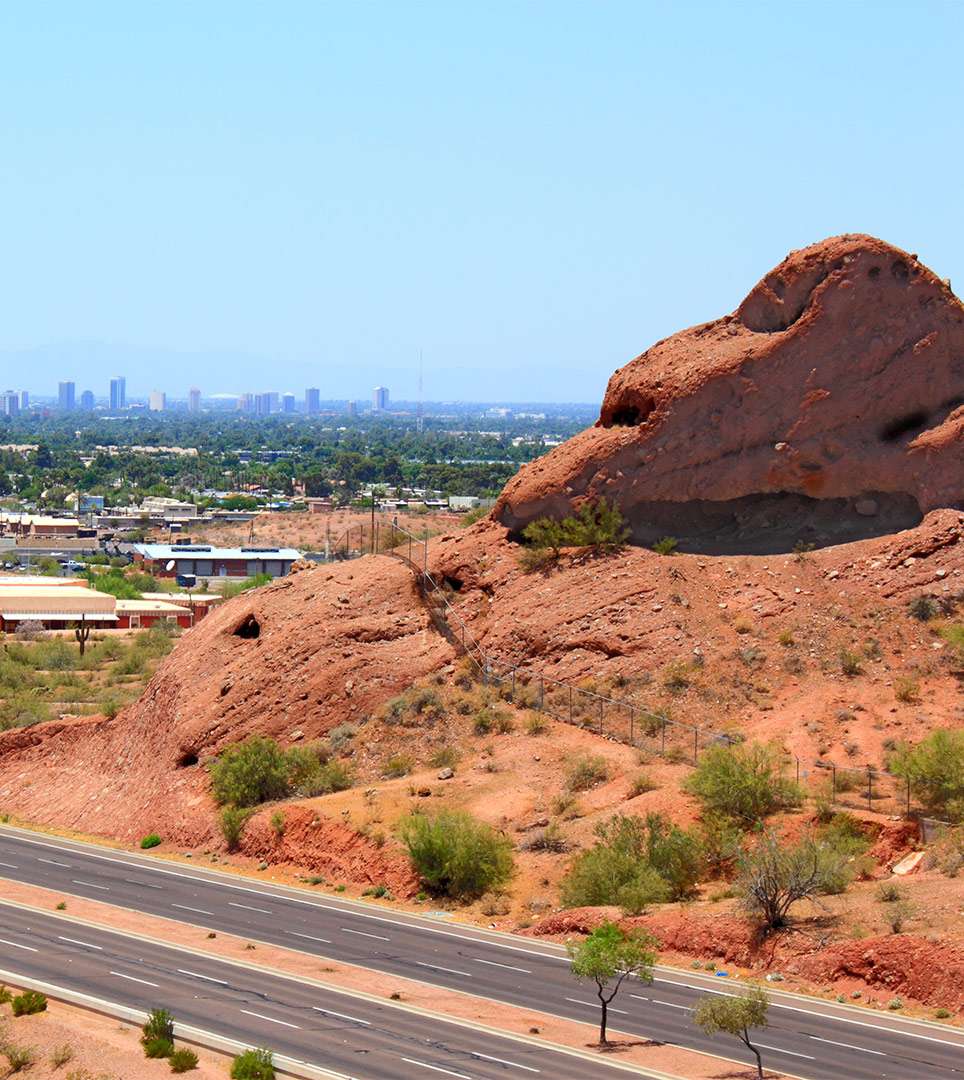
Phoenix is nestled within the Sonoran Desert, a geographical reality that defines its climate. Characterized by long, extremely hot summers and short, mild winters, the city receives an abundance of sunshine—more than any other major metropolitan area in the United States. This arid environment means low humidity for much of the year, though summer monsoons can bring a temporary shift.
The Desert Oasis: General Overview
The climate of Phoenix is quintessential desert: dry heat prevails. On average, the city boasts over 300 sunny days annually, making it an attractive destination for those seeking to escape colder climates. Rainfall is scarce, with the majority occurring during the late summer monsoon season and sporadic winter showers. The air is typically dry, which, even on very hot days, can make the heat feel less oppressive than humid climates, though temperatures themselves can be extreme. This persistent sunshine and dry air significantly influence everything from local culture and food scene to the specific amenities offered by accommodations.
Seasonal Variations: What to Expect When
Phoenix’s weather patterns fall into distinct seasons, each offering a unique set of opportunities and challenges for visitors. Understanding these cycles is crucial for planning your trip to align with your desired activities and comfort levels.
Summer (June-September): Intense Heat and Monsoon Season
Summer in Phoenix is legendary for its intense heat. Daily high temperatures frequently exceed 100°F (38°C), often climbing well into the 110s°F (43°C+). This period is undeniably hot, but it’s also when the city’s life shifts indoors or to early morning and late evening hours. Air conditioning becomes a non-negotiable amenity, and many hotels and resorts offer attractive rates to entice travelers.
Towards the latter part of summer, typically from July to September, Phoenix experiences its monsoon season. This period is marked by an increase in humidity, dramatic thunderstorms, and sometimes heavy, albeit brief, rainfall. While the storms can be intense, they usually clear quickly, leaving behind a refreshed desert landscape and sometimes cooler evening temperatures. During these months, activities like exploring Desert Botanical Garden or Papago Park are best done at sunrise, with afternoons reserved for indoor pursuits like visiting the Musical Instrument Museum or enjoying a spa day at a five-star resort like The Phoenician in Scottsdale.
Fall (October-November): Pleasant and Ideal for Outdoor Activities
As the intense summer heat begins to wane, fall emerges as one of the most pleasant times to visit Phoenix. Temperatures gradually decrease, settling into the comfortable 70s and 80s°F (21-30°C) during the day, with crisp, cool evenings. The dry heat returns, making it perfect for outdoor activities and exploration. This season sees an influx of visitors eager to hike Camelback Mountain or enjoy a round of golf at one of the region’s many championship courses. The weather is consistently sunny and inviting, creating ideal conditions for exploring Old Town Scottsdale or taking a day trip to nearby Sedona or the Grand Canyon.
Winter (December-February): Mild, Sunny, and Popular for “Snowbirds”
Phoenix’s winter is arguably its most famous and sought-after season. While much of the United States grapples with snow and frigid temperatures, Phoenix enjoys mild, sunny days with average highs in the 60s and 70s°F (15-24°C) and cool, comfortable nights. This idyllic weather attracts a significant population of “snowbirds”—seasonal residents from colder climates who come to bask in the warmth.
Winter is the peak tourist season, marked by a vibrant calendar of events, outdoor festivals, and a bustling atmosphere. It’s the perfect time for extensive hiking, golfing, cycling, and exploring all of Phoenix’s natural beauty without the worry of extreme heat. Popular destinations like South Mountain Park become hives of activity. Accommodation booking during this period should be done well in advance, as demand for suites, villas, and resorts like the Arizona Biltmore is high, influencing prices.

Spring (March-May): Warm, Beautiful, and Wildflower Blooms
Spring in Phoenix is a season of transformation and beauty. The weather is consistently warm and sunny, with daytime temperatures ranging from the 70s to 90s°F (21-32°C). As the desert awakens from its mild winter, it bursts into color with a spectacular display of wildflowers, especially in March and April. This is a fantastic time for outdoor photography, scenic drives, and enjoying the natural splendor of the Sonoran Desert.
Spring shares many of the advantages of fall in terms of comfortable outdoor activities, but with the added bonus of flourishing desert flora. Events like spring training baseball games bring an exciting energy to the city, making it a lively time to visit. While warmer than winter, the heat is still manageable for most outdoor adventures, especially in the mornings and evenings.
How Weather Influences Your Phoenix Travel Experience
The distinct seasonal variations in Phoenix directly shape the optimal times and ways to experience the city. From the types of activities you can enjoy to the amenities you’ll prioritize in your accommodation, the weather is a constant consideration for any traveler.
Optimal Seasons for Exploration & Activities
Phoenix’s pleasant fall, winter, and spring months are prime time for virtually all outdoor attractions and activities.
- Hiking and Biking: Camelback Mountain, South Mountain Park, and the numerous trails within the Sonoran Preserve are best tackled during these cooler seasons. The breathtaking views from Pinnacle Peak Park are also more enjoyable without the intense summer sun.
- Golf: Phoenix and Scottsdale are world-renowned for their championship golf courses. Playing a round at the TPC Scottsdale or the courses at JW Marriott Desert Ridge Resort & Spa is a fantastic experience when the weather is mild.
- Outdoor Events and Festivals: From arts and crafts fairs to music festivals and the famous Waste Management Phoenix Open golf tournament, these seasons are packed with events that capitalize on the agreeable climate.
- Desert Botanical Garden: While beautiful year-round, exploring the Desert Botanical Garden is most comfortable and vibrant in spring, when wildflowers bloom, or in the cooler fall and winter months.
- Zoo and Wildlife Parks: The Phoenix Zoo and the Wildlife World Zoo, Aquarium & Safari Park offer engaging experiences for family trips, but visiting during cooler parts of the year ensures a more comfortable experience for both visitors and animals.
During the intense summer months, the focus shifts indoors or to water-based activities.
- Museums and Cultural Sites: The Heard Museum, Phoenix Art Museum, Musical Instrument Museum, and the Arizona Science Center provide excellent air-conditioned escapes. Taliesin West, Frank Lloyd Wright’s winter home, offers insightful tours with indoor components.
- Shopping: Upscale shopping districts like Biltmore Fashion Park or the indoor malls like Scottsdale Fashion Square are perfect for a cool retreat.
- Water Parks and Pools: Big Surf Waterpark and the extensive pool complexes at resorts become essential for beating the heat. Many hotels offer impressive pool areas, often with shaded cabanas and poolside service.
Accommodation Choices & Amenities by Season
The weather plays a pivotal role in shaping accommodation choices and the amenities that become most desirable.
- Summer Accommodations: During the scorching summer, resorts are the clear winners, especially those with expansive, elaborately designed pools. Properties like the Hyatt Regency Phoenix downtown, or the sprawling JW Marriott Desert Ridge Resort & Spa and Four Seasons Resort Scottsdale at Troon North, become personal oases. Air conditioning is paramount, and indoor amenities like spas, fine dining, and entertainment venues within the hotel become more appealing. Many hotels offer significantly reduced rates during this off-peak season, presenting opportunities for luxury travel on a budget travel scale.
- Winter Accommodations: Winter sees a surge in demand, particularly for properties that offer golf access, spa treatments, or easy access to hiking trails. Resorts like Sanctuary Camelback Mountain, A Gurney’s Resort & Spa or The Camby Hotel are popular. Many “snowbirds” opt for long-term stay options, choosing fully furnished apartments or villas in areas like Mesa, Chandler, or Glendale. Booking in advance is highly recommended, and reviews often emphasize heated pools and outdoor patios for enjoying the mild evenings.
- Spring and Fall Accommodations: These shoulder seasons offer a balance. Travelers might prioritize hotels with attractive outdoor spaces, such as rooftop bars or restaurants with pleasant patio seating, like Hotel Valley Ho or W Scottsdale. The focus shifts to being able to comfortably move between indoor and outdoor environments. Boutique hotels and unique apartments also gain popularity as travelers seek to immerse themselves in the local culture and vibrant street scenes of Tempe or Old Town Scottsdale.
Preparing for Phoenix’s Weather: Practical Tips & Lifestyle
Navigating Phoenix’s weather, especially its intense summer heat, requires some preparation. By being mindful of the climate, you can ensure a comfortable and enjoyable trip, regardless of the season.
Packing Essentials & Health Considerations
Regardless of when you visit, certain items are crucial for any Phoenix travel itinerary:
- Hydration: Always carry a reusable water bottle. Dehydration can occur rapidly in the dry desert climate, even in cooler months.
- Sun Protection: Sunscreen (high SPF), wide-brimmed hats, and sunglasses are non-negotiable. The sun’s intensity is significant year-round.
- Clothing: Light-colored, loose-fitting, breathable fabrics (cotton, linen) are best. Even in winter, daytime attire can be relatively light, though layers are advisable for cooler mornings and evenings.
- Footwear: Comfortable walking shoes are essential for exploring attractions and hiking trails.
- Misters/Cooling Towels (Summer): For summer visits, personal misters or cooling towels can provide significant relief when outdoors.
Health Considerations:
- Heat Safety (Summer): Avoid strenuous outdoor activities during the hottest parts of the day (10 AM to 4 PM). Stay indoors or near water. Be aware of the signs of heat exhaustion and heatstroke.
- Desert Hiking Safety: If hiking, always tell someone your route and expected return time, carry ample water (more than you think you’ll need), and stick to marked trails. Beware of wildlife and sharp desert plants.
- Allergies: Spring can bring increased pollen from desert plants for some individuals.

Embracing the Phoenix Lifestyle: From Luxury to Budget
Phoenix’s weather dictates not just what you do, but how you live and enjoy the city. The diverse offerings cater to a spectrum of lifestyle preferences and budget travel considerations.
- Luxury Travel: The pleasant winter and spring months are ideal for indulging in Phoenix’s high-end offerings. Enjoy world-class golf at Troon North Golf Club, rejuvenating spa treatments at the Ritz-Carlton, Dove Mountain, or exquisite dining experiences at acclaimed restaurants. Luxury resorts like The Boulders Resort & Spa Scottsdale, Curio Collection by Hilton offer unparalleled amenities, privacy, and stunning desert views. Even in summer, discounted rates at these resorts make a luxurious escape more accessible.
- Budget Travel: Phoenix can also be explored on a budget. Many natural landmarks like Papago Park (home to Hole-in-the-Rock) and South Mountain Park offer free hiking and scenic overlooks. Exploring vibrant neighborhoods, enjoying local food trucks, and taking advantage of summer hotel deals can significantly reduce costs. Apartments and budget-friendly hotels outside the immediate resort corridors in areas like Tempe or Mesa also offer excellent value.
- Family Trips: Phoenix caters wonderfully to families. During cooler months, the Phoenix Zoo, Arizona Science Center, and Children’s Museum of Phoenix are popular. In summer, water parks like Golfland Sunsplash or Great Wolf Lodge Arizona and resorts with elaborate pools and kids’ programs provide endless entertainment. Many hotels offer suites and connecting rooms, perfect for families seeking comfortable accommodation.
- Business Stays: For those on a business stay, Phoenix’s large convention centers and numerous hotels with excellent conference facilities make it a prime destination. Hotels in downtown Phoenix or the Scottsdale business districts offer amenities like high-speed internet, business centers, and executive suites. The year-round sunny weather provides a pleasant backdrop for networking events and leisure time after work.
In conclusion, the weather for Phoenix, Arizona, is an integral part of its identity and allure. By understanding its seasonal rhythms and preparing accordingly, travelers can maximize their enjoyment of this vibrant desert city. Whether you seek the cool serenity of its winter months or the unique, pool-centric escapades of summer, Phoenix offers a diverse range of experiences tailored by its captivating climate.
LifeOutOfTheBox is a participant in the Amazon Services LLC Associates Program, an affiliate advertising program designed to provide a means for sites to earn advertising fees by advertising and linking to Amazon.com. Amazon, the Amazon logo, AmazonSupply, and the AmazonSupply logo are trademarks of Amazon.com, Inc. or its affiliates. As an Amazon Associate we earn affiliate commissions from qualifying purchases.