
Nestled within the breathtaking, rugged expanse of the Paria Canyon-Vermilion Cliffs Wilderness in northern Arizona, lies a geological marvel that has captivated the imaginations of adventurers and photographers worldwide: The Wave. This iconic sandstone formation, officially part of the Coyote Buttes North area within the Vermilion Cliffs National Monument, is a testament to the Earth’s artistic prowess, carved over millions of years by wind and water into a symphony of swirling, undulating rock. While its allure is undeniable, gaining access to this pristine natural wonder is a highly controlled and competitive process, making the journey to The Wave an experience reserved for a fortunate few. This article serves as your comprehensive guide to understanding its location, the intricate permit system, and how to embark on this once-in-a-lifetime adventure, all while adhering to the principles of responsible tourism and appreciating the surrounding landscapes.

Unveiling The Wave: A Geological Masterpiece
The Wave is more than just a rock formation; it’s an ephemeral work of art, a vibrant canvas painted by the forces of nature. Its precise location, just south of the Utah border, places it within a vast wilderness area that demands respect and careful navigation. Understanding its origins and unique characteristics is key to truly appreciating its grandeur.
The Enigmatic Location and Formation
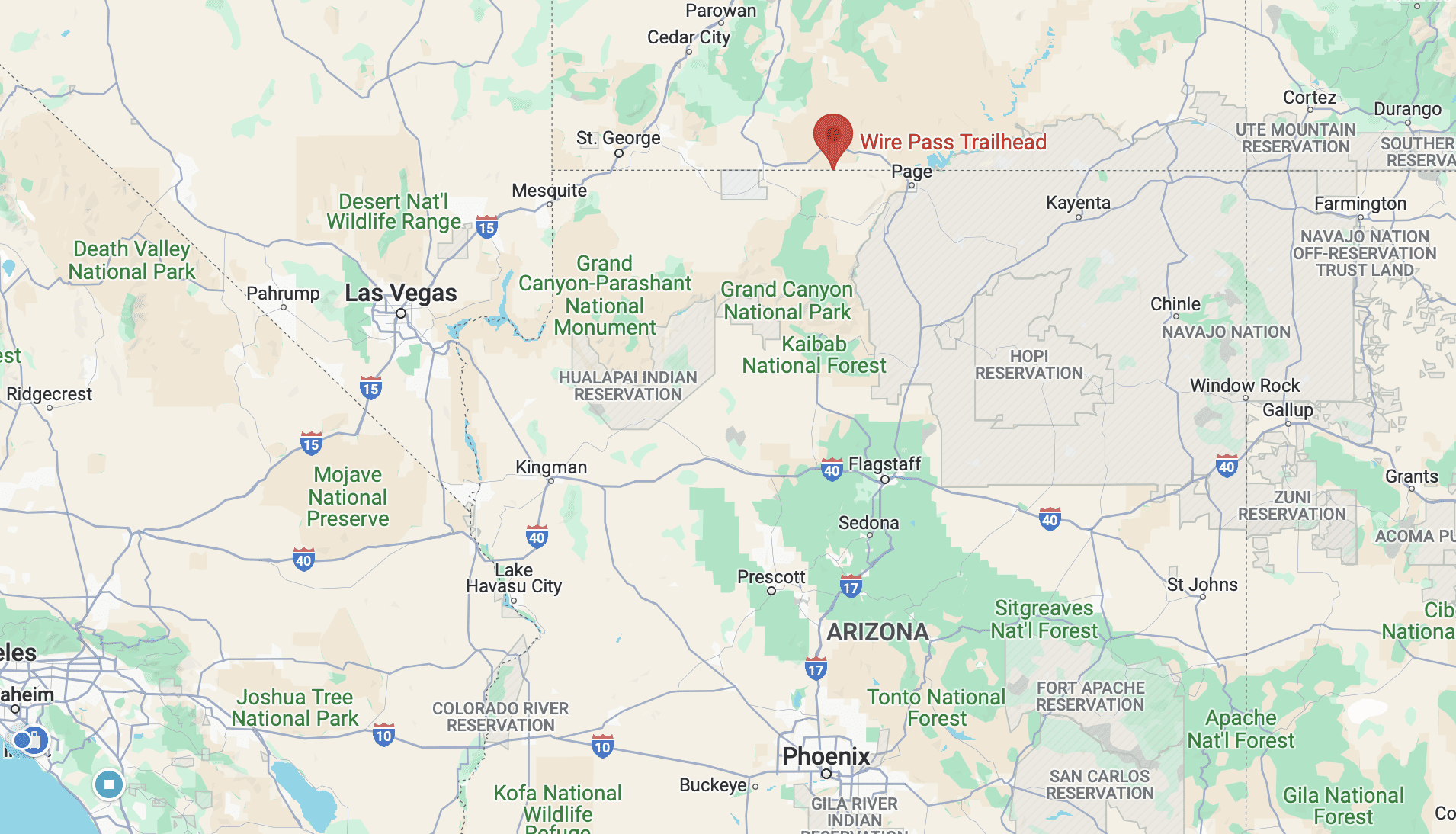
Geographically, The Wave is situated in the remote wilderness of the Vermilion Cliffs National Monument in Arizona, specifically within the Coyote Buttes North special management area. Access points are typically from U.S. Highway 89 between the towns of Kanab, Utah and Page, Arizona. The journey to the trailhead itself requires traversing challenging, unpaved roads, often necessitating a high-clearance 4×4 vehicle, particularly after rain. This deliberate inaccessibility contributes to its mystique and helps preserve its delicate environment.
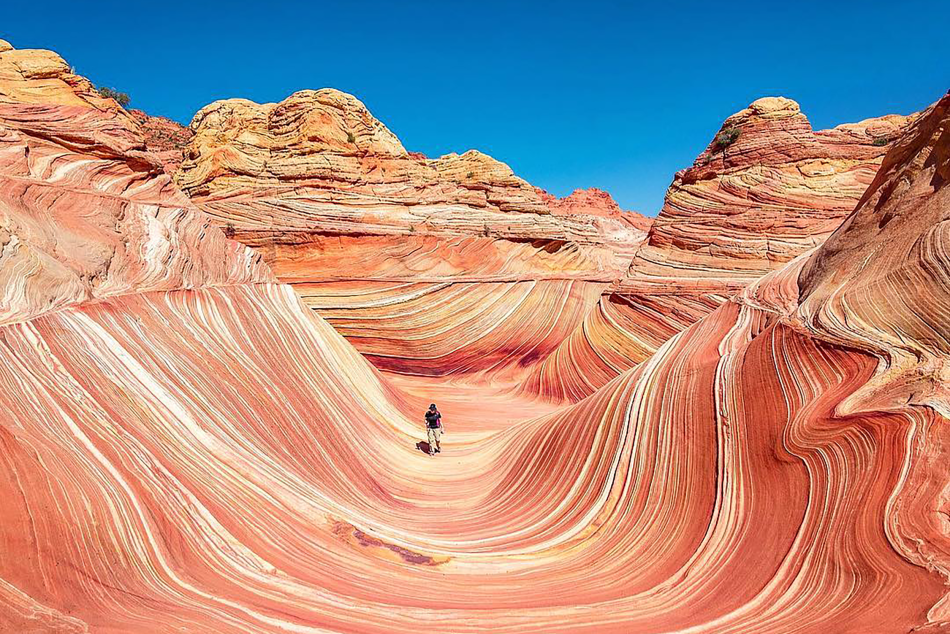
The formation of The Wave is a marvel of geological time. It consists of Jurassic-age Navajo Sandstone that began as colossal sand dunes over 190 million years ago. These dunes eventually lithified into solid rock, and over millennia, the relentless forces of wind and water began their sculpting work. Two primary erosional troughs, intersecting at right angles, created the initial contours. The intricate, wavy patterns and smooth, sinuous curves we see today are the result of differential erosion, where softer layers of sandstone eroded more quickly than harder ones. The subtle layering, known as cross-bedding, reveals the ancient patterns of the shifting dunes, now solidified in stone.
The Vibrant Hues and Unique Features
What truly sets The Wave apart is its incredible palette of colors. Reds, pinks, oranges, and yellows swirl together in mesmerizing patterns, often enhanced by streaks of darker minerals. These vibrant hues shift dramatically with the changing light throughout the day, offering photographers endless opportunities to capture its dynamic beauty. The peak photographic times are typically mid-morning to early afternoon, when the sun illuminates the curves without harsh shadows, revealing the full spectrum of its colors.
Beyond its striking colors and famous wave-like structures, The Wave is also home to fascinating geological details. Delicate fins, domes, and small arches dot the landscape, alongside a variety of trace fossils. Dinosaur footprints and the fossilized burrows of ancient insects can sometimes be observed by the keen-eyed visitor, offering a tangible link to the prehistoric past of this remarkable region. The entire area is a living museum, showcasing millions of years of geological history in one unforgettable vista.
Navigating The Permit System: Your Gateway to The Wave
Due to its fragile nature and immense popularity, access to The Wave is strictly regulated by the Bureau of Land Management (BLM). Only 64 permits are issued per day – 48 via an online lottery and 16 via a daily walk-in lottery. This stringent control is essential to protect the delicate sandstone formations from degradation and to ensure a high-quality wilderness experience for those fortunate enough to visit. For aspiring visitors, understanding and strategically approaching this permit system is the single most critical step in planning a trip.
Understanding the Online Lottery
The majority of permits for The Wave are allocated through an online lottery system managed by the BLM’s Recreation.gov portal. This system allows applicants from anywhere in the world to apply for permits four months in advance of their desired visitation month. For example, if you wish to visit in August, you would apply in April. The application window typically opens on the first day of the month and closes on the last day.
Applicants can select up to three preferred dates within their chosen month, increasing their chances. The lottery draw is highly competitive, with thousands of applications often vying for the limited 48 spots per day. The results are usually announced on the first day of the following month (e.g., May 1st for August permits). Successful applicants receive an email notification and must confirm their permit and pay the associated fees within a specified timeframe. This lottery is a game of chance, but persistence and flexibility with dates can slightly improve your odds. Given the intense competition, many hopefuls apply multiple times over several months or even years before securing a permit.
The In-Person Walk-In Lottery Experience
For those who are unable to secure an online permit, or prefer a more spontaneous approach, an in-person “Daily Lottery” is held the day before the desired hike date. This lottery takes place at the Kanab Center in Kanab, Utah. This method grants 16 permits for the following day. The draw is held at 9:00 AM Mountain Standard Time, meaning applicants must be physically present at the venue to enter.
To participate, groups register using a tablet system, indicating their group size. Group sizes for both lotteries are limited to six people. Once all registrations are submitted, a randomized drawing takes place. A lottery ball is drawn, and the corresponding application group number is called. This process continues until all 16 permits have been allocated. The tension in the room during these draws is palpable, as hopes rise and fall with each number called. Winning groups are then provided with an orientation and important information for their hike the following day. This walk-in lottery can be a high-stakes, last-minute gamble, but it provides a glimmer of hope for those who don’t succeed in the online draw or are already in the area.
Maximizing Your Chances of Success
While luck plays a significant role in securing a permit for The Wave, there are strategies to subtly improve your odds.
- Flexibility with Dates: The less flexible you are with your desired visit date, the harder it will be. Applying for weekdays, especially during off-peak seasons (winter, late fall, early spring, avoiding major holidays), generally sees fewer applicants than weekends or prime spring/fall dates.
- Smaller Group Sizes: While you can apply for up to six people, smaller groups often have a marginally better chance, as fewer slots need to be available for them to win. If you’re flexible, applying as a pair or even solo might increase your mathematical odds slightly.
- Applying for Both Lotteries: If your travel plans allow, apply for the online lottery well in advance. If unsuccessful, you can then try the walk-in lottery once you’re in the Kanab or Page area. Many travelers incorporate a few flexible days into their itinerary specifically for attempting the walk-in draw.
- Persistence: Don’t get discouraged by initial rejections. Many successful visitors apply multiple times over months or even years. Persistence is a common theme among those who eventually gain access.
- Consider Off-Peak Seasons: While summer brings extreme heat, and winter brings potential snow, these seasons often see fewer lottery applicants compared to the popular spring and fall. Weigh the weather challenges against the potentially better odds.
Planning Your Expedition: Essential Tips and What to Expect
Winning a permit is only the first step; preparing for the journey to The Wave itself is crucial for a safe and enjoyable experience. This is a true wilderness hike, demanding self-reliance, careful planning, and respect for the environment.
The Challenging Hike to The Wave
The hike to The Wave is not for the faint of heart or unprepared. It is an unmaintained, unmarked, 6.4-mile (round trip) trek over challenging and varied terrain. There is no official trail, only a general route marked by GPS coordinates provided by the BLM with your permit. Hikers must possess excellent navigational skills, ideally with a GPS device and a topographic map.
The terrain includes deep sand, rocky washes, slickrock inclines, and steep ascents and descents. There is no shade along the entire route, making sun protection absolutely vital, especially during warmer months. Temperatures can soar well above 100°F (38°C) in summer, and winter brings the possibility of snow, ice, and freezing temperatures. It is imperative to check weather forecasts thoroughly before embarking on the hike. The remoteness means there are no facilities, water sources, or emergency services readily available, reinforcing the need for self-sufficiency.
What to Bring for Your Adventure
Proper preparation is paramount for a safe and successful visit to The Wave. Here’s a comprehensive checklist of essentials:
- Water: This is the most critical item. The BLM recommends at least one gallon (3.8 liters) of water per person for a day hike, and even more in hot weather. Dehydration is a serious risk.
- Navigation Tools: A reliable GPS device (loaded with the BLM’s provided waypoints) is essential. Supplement this with a physical topographic map and a compass, and know how to use them. A fully charged phone with offline maps is also a good backup.
- Sun Protection: Wide-brimmed hat, sunglasses, long-sleeved shirt, long pants, and high-SPF sunscreen are non-negotiable.
- Appropriate Footwear: Sturdy hiking boots with good ankle support and traction are a must for navigating the varied terrain.
- Food and Snacks: High-energy, non-perishable food items to sustain you throughout the day.
- First-Aid Kit: Basic medical supplies for blisters, cuts, and minor emergencies.
- Emergency Supplies: Whistle, headlamp/flashlight (even for day hikes in case of unexpected delays), knife/multi-tool.
- Trash Bags: Pack out everything you pack in, leaving no trace.
- Camera: To capture the breathtaking beauty, of course!
Respecting the Fragile Environment
The Wave and its surrounding wilderness are incredibly delicate. Adhering to Leave No Trace principles is not just recommended, it’s mandatory. This means:
- Stay on Designated Routes/Use GPS: Do not create new trails. Stick to the provided GPS waypoints to minimize impact.
- Pack It In, Pack It Out: Everything you bring, including all trash, food scraps, and even human waste, must be carried out with you.
- Do Not Disturb Wildlife or Plants: Observe animals from a distance. Do not pick flowers or damage vegetation.
- Do Not Collect Souvenirs: Leave rocks, sand, and other natural objects undisturbed.
- Minimize Campfire Impact: No campfires are allowed in Coyote Buttes North.
- Respect Other Visitors: Maintain quiet and give space to others enjoying the wilderness.
By following these guidelines, visitors help ensure that The Wave remains a pristine and awe-inspiring destination for future generations.
Beyond The Wave: Exploring the Surrounding Wonders
While The Wave is undoubtedly the star attraction, the broader region around Kanab, Utah and Page, Arizona is a treasure trove of natural beauty and adventure. Many visitors spend several days exploring these areas, whether they secure a permit for The Wave or not. This region embodies the quintessential American Southwest experience, rich in landmarks, diverse attractions, and unique opportunities for travel and tourism.
Nearby Attractions and Activities
The Vermilion Cliffs National Monument itself offers other incredible hiking opportunities and geological formations, albeit without the same extreme permit restrictions. Notable nearby attractions include:
- South Coyote Buttes: Another section of Coyote Buttes with equally stunning, though different, geological formations. Permits are also required but are less competitive than for Coyote Buttes North (The Wave).
- White Pocket: A truly surreal landscape of swirling, brain-like rock formations, often considered a worthy alternative or companion to The Wave. It’s accessible via rough 4×4 roads and requires careful navigation, but no permit is needed.
- Antelope Canyon: Located near Page, Arizona, this famous slot canyon offers guided tours through its narrow, sculpted passages, renowned for their incredible light beams and vibrant colors. There are upper and lower sections, each offering a distinct experience.
- Horseshoe Bend: A spectacular overlook of the Colorado River as it carves a perfect horseshoe shape around a rock monolith. Easily accessible from Page, it’s a must-see for panoramic views.
- Lake Powell and Glen Canyon National Recreation Area: Offering opportunities for boating, kayaking, paddleboarding, and exploring intricate canyons by water. The immense blue waters against the red rock landscape are stunning.
- Zion National Park and Bryce Canyon National Park: Both iconic national parks in southern Utah are within a few hours’ drive, making it feasible to combine a trip to The Wave with visits to these magnificent landscapes. Grand Canyon National Park’s North Rim is also relatively close during its operating season.
Accommodation Options for Your Stay
The primary towns serving as base camps for visiting The Wave and the surrounding attractions are Kanab, Utah and Page, Arizona. Both offer a range of accommodation options to suit various budgets and travel styles.
In Kanab, you’ll find a selection of hotels, motels, and vacation rentals. Options range from budget-friendly inns to more comfortable suites and boutique hotels. Many visitors choose to stay here specifically for the daily walk-in lottery, enjoying the small-town charm. Page, Arizona, being a larger hub for Lake Powell and Antelope Canyon visitors, offers a wider array of accommodations, including major hotel chains, resorts, and numerous Airbnb-style apartments and villas. Both towns also provide dining options, grocery stores, and essential services for travelers. For those seeking a more rustic experience, primitive camping is available in designated areas within the Vermilion Cliffs National Monument with the appropriate permits, adhering to backcountry ethics.
The Best Time to Visit
Choosing the best time to visit The Wave and the surrounding region depends heavily on your priorities.
- Spring (March to May) and Fall (September to November): These are generally considered the most pleasant times, with mild temperatures and clear skies. The weather is ideal for hiking, and the light for photography is excellent. However, these are also the peak seasons, meaning lottery competition is at its highest, and accommodation prices can be elevated.
- Summer (June to August): Temperatures can be extremely hot, often exceeding 100°F (38°C), making hiking hazardous due to heat exhaustion and dehydration. However, the online lottery competition might be slightly less fierce. If you do visit in summer, plan to start your hike before dawn and finish by late morning, carrying an abundance of water. Monsoon season in late summer can bring sudden, intense thunderstorms and flash floods, which can make dirt roads impassable and hiking dangerous.
- Winter (December to February): Offers cooler temperatures, less crowded conditions, and potentially higher lottery odds. However, snow and ice can make the drive to the trailhead and the hike itself treacherous. Roads may become impassable, and temperatures can drop below freezing. If you’re prepared for cold weather and potential snow, it can be a uniquely beautiful time to experience the desert.
Regardless of when you plan to visit, always check the weather forecast immediately before your trip and plan accordingly. The Wave is an unparalleled natural wonder, demanding respect, preparation, and a good deal of luck to experience. For those who succeed in securing a permit and undertake the journey, it offers an unforgettable adventure into one of Arizona’s most captivating and pristine landscapes.
LifeOutOfTheBox is a participant in the Amazon Services LLC Associates Program, an affiliate advertising program designed to provide a means for sites to earn advertising fees by advertising and linking to Amazon.com. Amazon, the Amazon logo, AmazonSupply, and the AmazonSupply logo are trademarks of Amazon.com, Inc. or its affiliates. As an Amazon Associate we earn affiliate commissions from qualifying purchases.