
Planning a trip to a new city, whether for business or leisure, often involves a myriad of considerations – from booking the perfect Austin, Texas accommodation to mapping out must-see landmarks and local culinary hotspots. Yet, one fundamental piece of information, often overlooked until the last minute, is the local time zone. Understanding Austin’s time zone is crucial for seamless travel, efficient scheduling, and a truly immersive experience in the “Live Music Capital of the World.” This comprehensive guide delves into Austin’s time zone, its implications for travelers, and how this knowledge can enhance your entire visit, from arrival to departure.
Understanding Austin’s Time Zone: Central Time (CT)
At its core, Austin, Texas operates within the Central Time Zone (CT). This places it alongside other major cities in the central United States, running six hours behind Coordinated Universal Time (UTC-6). However, the chronological landscape shifts with the seasons, as Austin, like most of Texas, observes Daylight Saving Time.
The Geographical and Chronological Context of Texas
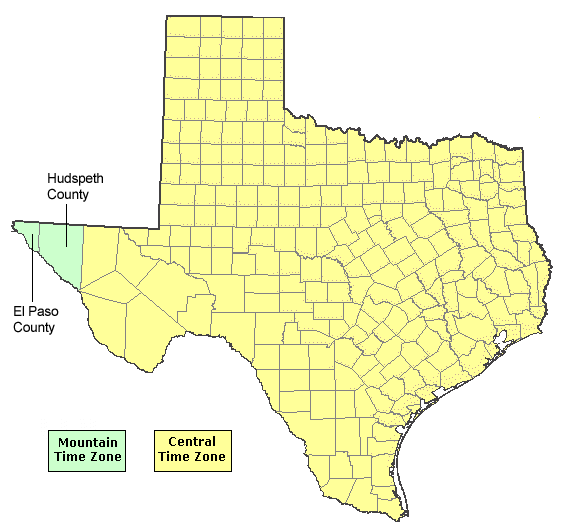
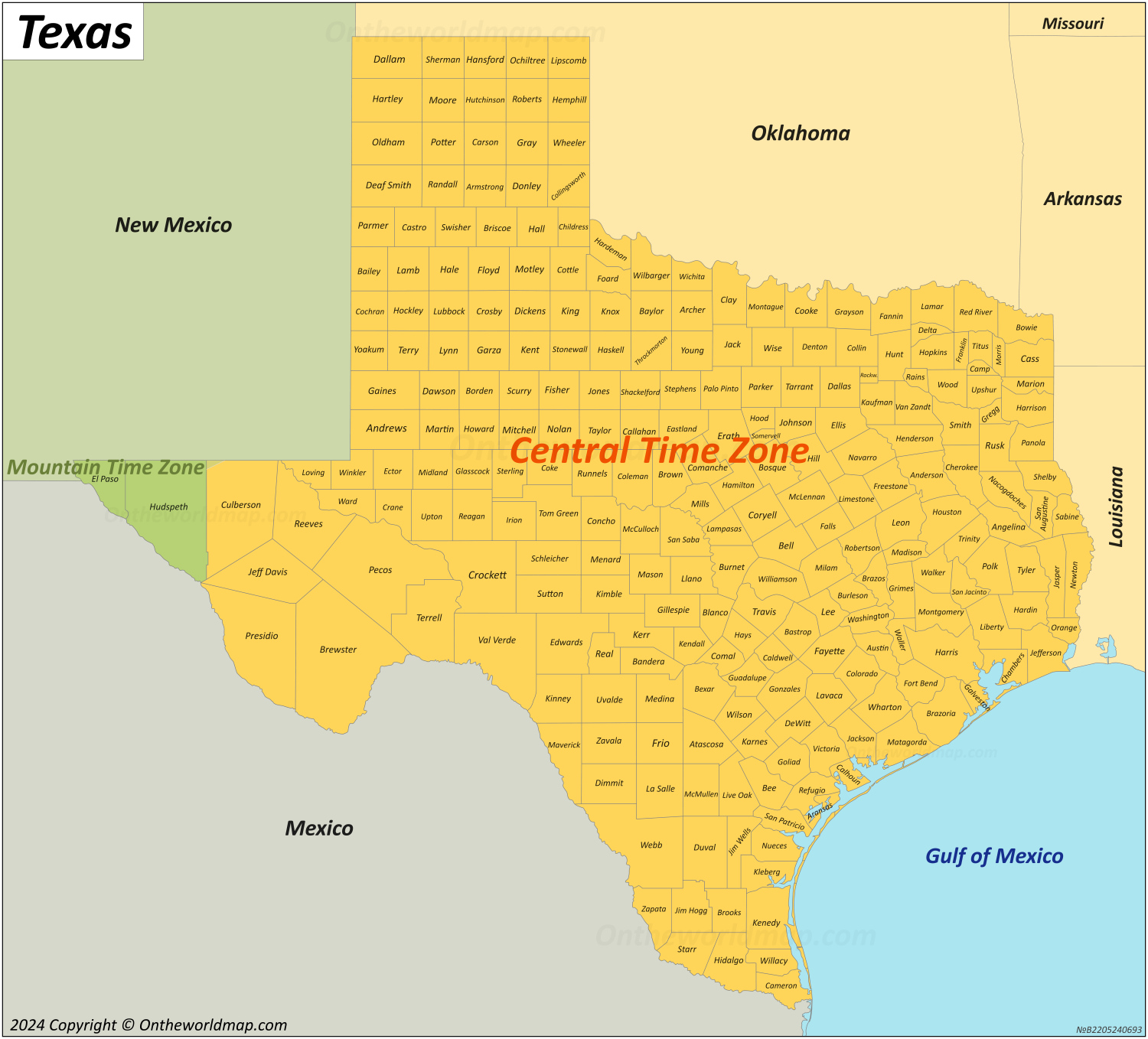
Texas is a vast state, stretching from its eastern borders with Louisiana to its western expanse near New Mexico and Mexico, encompassing diverse landscapes from the Gulf of Mexico coastline to arid deserts. Despite its immense size, the overwhelming majority of Texas, including its capital city of Austin, adheres to the Central Time Zone. A small western sliver of Texas, specifically El Paso and Hudspeth counties, operates on Mountain Time, but this does not affect Austin.
For most of the year, from early November to mid-March, Austin observes Central Standard Time (CST), which is UTC-6. During this period, direct comparisons with other major US cities would show Austin being one hour behind New York City (Eastern Time), two hours ahead of Los Angeles (Pacific Time), and one hour ahead of Denver (Mountain Time). This fixed standard time provides a consistent baseline for travel and communication across the country.
Navigating Daylight Saving Time in Austin
When Daylight Saving Time (DST) commences, typically on the second Sunday in March, clocks in Austin “spring forward” by one hour. During this period, which lasts until the first Sunday in November, Austin switches to Central Daylight Time (CDT), aligning with UTC-5. This change means that evenings remain brighter for longer, allowing residents and visitors more daylight hours to enjoy outdoor activities and the city’s vibrant nightlife.
For travelers, understanding this shift is paramount. Forgetting to adjust your internal clock or travel plans for DST can lead to missed flights, late appointments, or confusion regarding event timings. Always double-check flight schedules, hotel check-in/check-out times, and reservation details against the local Austin time, especially if your visit straddles the DST changeover dates. Modern smartphones and smart devices typically adjust automatically, but it’s always wise to confirm, particularly for crucial arrangements.
Planning Your Trip to Austin: Time Zone Implications for Travelers
Beyond simply knowing the current time, integrating Austin’s time zone into your travel planning can significantly impact the ease and enjoyment of your trip. From managing jet lag to scheduling crucial meetings, a proactive approach to time zone awareness is key.
Seamless Travel: Flights, Connections, and Jet Lag Management
Traveling to Austin from a different time zone, especially from the East or West Coast of the United States or international destinations, necessitates careful consideration of flight timings and potential jet lag. For those arriving from the Eastern Time Zone (e.g., New York, Miami), adjusting to a one-hour difference is usually manageable. However, travelers from the Pacific Time Zone (e.g., Los Angeles, Seattle) will experience a two-hour jump forward, which can be more noticeable.
To mitigate jet lag, consider booking flights that arrive in Austin earlier in the day, allowing you to settle into your accommodation and spend some time outdoors, which helps reset your body clock. Hydration, avoiding excessive caffeine or alcohol on your flight, and trying to align with Austin’s local schedule immediately upon arrival are effective strategies. For international travelers, the time difference can be much more significant, requiring even more intentional planning for rest and adjustment during the first day or two of their stay.
The Austin-Bergstrom International Airport (AUS) serves as the primary gateway to the city, handling numerous domestic and international flights. When checking flight schedules, always ensure the times displayed are for the local departure and arrival zones to avoid any confusion.
Business and Leisure: Optimizing Your Schedule in Austin
For business travelers, understanding Austin’s time zone is non-negotiable. Scheduling conference calls, client meetings, or presentations requires precision, especially when collaborating with teams across different time zones. A call at 9:00 AM Central Time is 10:00 AM Eastern Time and 7:00 AM Pacific Time, a difference that can easily lead to missed connections if not properly accounted for. Consider using online scheduling tools that automatically convert time zones to simplify coordination.
For leisure travelers, the time zone also plays a role in maximizing your visit. Austin’s vibrant culture, extensive outdoor activities, and renowned food scene often extend into the late evening. Being in sync with the local time allows you to make the most of those long summer evenings facilitated by Central Daylight Time – whether it’s catching the famous bat flight from the Congress Avenue Bridge at dusk or enjoying live music on Sixth Street or Rainey Street well into the night. Adjusting quickly to local time helps ensure you don’t miss out on any of Austin’s unique experiences.

Discovering Austin: Attractions, Culture, and Culinary Delights
Once you’ve factored in the time zone, it’s time to dive into what makes Austin a premier travel destination. The city, nestled on the Colorado River where the Balcones Escarpment meets the coastal plains, offers a blend of natural beauty, historical significance, and a distinctly independent spirit.
Iconic Landmarks and Natural Wonders
Austin is rich with landmarks that tell the story of Texas and offer stunning vistas. The majestic Texas State Capitol, an architectural marvel taller than the US Capitol, stands as a testament to the state’s proud history. A visit here offers a glimpse into Texas politics and heritage.
For nature enthusiasts, Zilker Park is an urban oasis encompassing over 350 acres of green space, home to the refreshing Barton Springs Pool – a spring-fed swimming hole with a constant 68-degree Fahrenheit temperature. Kayaking or paddleboarding on Lady Bird Lake (part of the Colorado River) offers picturesque views of the city skyline. For panoramic views, a trip to Mount Bonnell, one of the highest points in Austin, is a must-do, especially at sunrise or sunset. Further afield, destinations like Lake Travis and Lake Austin provide opportunities for boating, fishing, and lakeside relaxation, while the serene Hamilton Pool Preserve offers a unique natural grotto and waterfall experience (reservations often required).
Beyond these, academic excellence is showcased at The University of Texas at Austin, a sprawling campus with impressive architecture and cultural institutions. Visitors can explore the Moody Center for events, delve into state history at the Bullock Texas State History Museum, or admire art at the Blanton Museum of Art and Contemporary Austin.
The Heartbeat of Austin: Music, Arts, and Unique Neighborhoods
Austin truly lives up to its moniker as the Live Music Capital of the World. From legendary venues like the Paramount Theatre to intimate clubs on Sixth Street and Rainey Street, live performances are an integral part of the city’s identity. Music festivals like Austin City Limits Music Festival and the influential South by Southwest (SXSW) draw international crowds, showcasing a diverse array of talent.
The bohemian charm of South Congress Avenue (SoCo) is another highlight, famed for its eclectic boutiques, vintage shops, vibrant street art, and delicious eateries. East Austin, once an overlooked area, has transformed into a hub for innovative restaurants, art galleries, and lively bars, offering a different flavor of Austin’s progressive spirit.
A Taste of Texas: Austin’s Vibrant Food Scene
No visit to Austin is complete without indulging in its celebrated food scene. Texas BBQ is an art form here, with institutions like Franklin Barbecue and Stubb’s Bar-B-Q attracting long lines for their mouth-watering brisket. Other notable BBQ spots include La Barbecue. Beyond BBQ, the city’s food truck culture is legendary, offering everything from gourmet tacos at Veracruz All Natural to inventive fusion dishes. Tex-Mex cuisine is another local staple, with establishments like Guero’s Taco Bar offering authentic flavors, and the beloved Kerbey Lane Cafe satisfying late-night cravings with its famous queso and pancakes. From upscale dining to casual patio dining, Austin’s culinary landscape is as diverse as its population.
Finding Your Ideal Stay: Austin Accommodation Guide
After a day of exploring, a comfortable and well-located accommodation is essential. Austin offers a wide spectrum of options, catering to every taste, budget, and travel style.
From Luxury Resorts to Boutique Hotels
For those seeking luxury, Austin boasts world-class hotels and resorts. The Four Seasons Hotel Austin, overlooking Lady Bird Lake, provides impeccable service and stunning views. The JW Marriott Austin and Omni Austin Hotel Downtown are excellent choices for business travelers, offering prime downtown locations and extensive amenities. Newer luxury additions like The Loren at Lady Bird Lake combine high-end comfort with sophisticated design.
Austin also excels in its boutique hotel offerings, providing unique character and personalized experiences. The iconic Hotel San José on South Congress Avenue offers a minimalist yet luxurious stay, while the funky Austin Motel, with its retro charm, is another local favorite. Other boutique options include the South Congress Hotel and the Archer Hotel Austin in the Domain Northside area.
Diverse Options for Every Budget and Travel Style
Beyond luxury, Austin provides ample choices for budget-conscious travelers, families, and those seeking long-term stays. Vacation rentals, including apartments and villas, are popular for those desiring more space or a local living experience. These can be found in various neighborhoods, from the bustling downtown to quieter residential areas like Travis County suburbs such as Cedar Park or Round Rock, which offer excellent amenities and are a short drive from Austin’s core.
When choosing your accommodation, consider the proximity to the attractions you plan to visit. Downtown is ideal for nightlife and business, South Congress Avenue for unique shopping and dining, and East Austin for a more artistic, foodie vibe. For longer stays or those who prefer quieter surroundings, options slightly outside the city center, perhaps closer to Lake Travis or Lake Austin, can offer a tranquil retreat with easy access to outdoor activities. Always check reviews and compare options to find the best fit for your travel needs.
Essential Tips for an Unforgettable Austin Adventure
To truly embrace the spirit of Austin and make the most of your visit, keep a few practical tips in mind.
Best Times to Visit and Navigating the City
The best time to visit Austin largely depends on your preferences. Spring (March-May) and Fall (September-November) offer pleasant weather, ideal for exploring outdoors and enjoying festivals like SXSW and ACL. Summers (June-August) can be intensely hot, making water activities and air-conditioned venues particularly appealing. Winters are generally mild, offering a reprieve from colder climates.
Navigating Austin is relatively straightforward. While downtown is walkable, a car is often recommended for exploring further afield or visiting attractions outside the immediate city center. Ride-sharing services are readily available, and CapMetro, the city’s public transportation system, offers bus and limited rail services. Cycling is also popular, with numerous bike lanes and rental options.
Embracing the Austin Lifestyle
Austin prides itself on its “Keep Austin Weird” motto, reflecting its unique, laid-back, and inclusive culture. Embrace this ethos by exploring local businesses, engaging with friendly residents, and trying something new. Stay hydrated, especially during the warmer months, and wear comfortable shoes – you’ll be doing a lot of walking and dancing! Don’t forget to check out a smaller, more intimate music venue like The Continental Club for an authentic Austin experience.
In conclusion, while the answer to “What time zone is Austin, Texas?” is a simple “Central Time Zone,” the implications for travelers are far-reaching. By understanding and planning for Austin’s time, you can ensure a smooth journey, maximize your exploration of its vibrant attractions, savor its culinary delights, and find the perfect place to stay, ultimately creating an unforgettable Austin adventure.
LifeOutOfTheBox is a participant in the Amazon Services LLC Associates Program, an affiliate advertising program designed to provide a means for sites to earn advertising fees by advertising and linking to Amazon.com. Amazon, the Amazon logo, AmazonSupply, and the AmazonSupply logo are trademarks of Amazon.com, Inc. or its affiliates. As an Amazon Associate we earn affiliate commissions from qualifying purchases.