
Embarking on a culinary adventure often means exploring new flavors, immersing oneself in local traditions, and savoring dishes that tell a story. While travel might take you to exotic Europe or vibrant Asia, sometimes the most profound gastronomic discoveries lie closer to home, deeply rooted in a region’s history and lifestyle. One such quintessential American experience is the art of cooking a Boston Butt roast – a slow-cooked masterpiece synonymous with authentic Southern United States barbecue.
For the intrepid traveler or the home chef seeking a taste of regional culture, mastering the Boston Butt isn’t just about a recipe; it’s about understanding a way of life, an ode to patience, and a celebration of community. This article will guide you through the process, intertwining practical cooking advice with insights into how this iconic dish connects with travel, tourism, and a broader lifestyle choice, whether you’re recreating it in a spacious villa kitchen or dreaming of your next food destination.
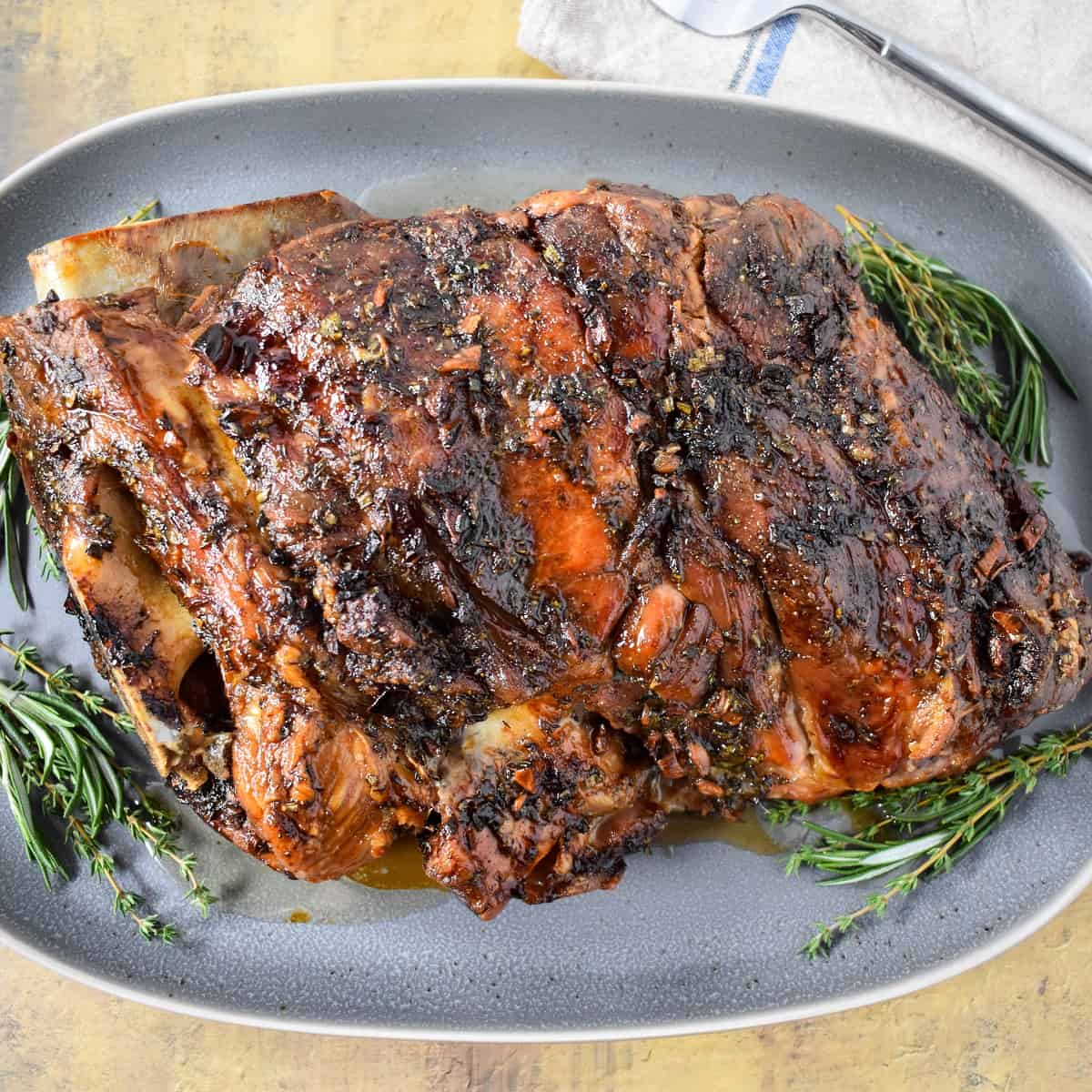
The Boston Butt: A Cornerstone of American Culinary Travel
The term “Boston Butt” itself is a fascinating historical footnote that invites curiosity. Despite its name, this cut of pork doesn’t actually come from the rear end of the hog, nor is it exclusive to Boston. It refers to the upper part of the pig’s front shoulder, a notoriously tough cut that transforms into tender, succulent pulled pork when subjected to low, slow heat. Its moniker originated in colonial New England where butchers would pack less prized cuts of pork into barrels, known as “butts,” for storage and transport. Over time, the shoulder cut sold in these barrels became known as the “Boston Butt,” a tradition that stuck, even as its culinary fame migrated south.
Today, the Boston Butt is the undisputed champion of American barbecue, especially in the vast culinary landscape of the United States South. Its preparation is more than just cooking; it’s a cultural rite, a social event, and often, a landmark destination in itself. For many, seeking out the perfect pulled pork sandwich is as much a part of their travel itinerary as visiting historic sites or natural wonders.
Unpacking the Name and Its Southern Roots
While the name may hail from the Northeast, the heart and soul of Boston Butt cooking beats strongest below the Mason-Dixon line. The long, slow cooking process is essential to breaking down the connective tissues in this cut, rendering it incredibly tender and flavorful. This technique is perfectly suited to the ethos of Southern hospitality and leisure, where time is often savored, and meals are communal affairs. The tradition of barbecue, with the Boston Butt at its core, embodies a lifestyle that values gathering, storytelling, and the rich aromas of smoke-kissed meat.
When we talk about food tourism in the United States, barbecue trails are some of the most sought-after experiences. From the vinegar-based sauces of North Carolina to the mustard-based delights of South Carolina, the sweet and sticky flavors of Kansas City, and the smoky dry rubs of Texas and Memphis, each region offers a unique interpretation. Understanding how to cook a Boston Butt allows you to appreciate these nuances even more deeply, making you an informed participant in this rich culinary dialogue.
Regional Reverence: Where Barbecue Becomes a Destination
Exploring the diverse world of American barbecue often forms the basis of unforgettable travel experiences. Imagine planning a road trip through Georgia, Alabama, and Tennessee, stopping at famed barbecue joints that have perfected their Boston Butt preparations over generations. These establishments are often more than just restaurants; they are local landmarks, drawing visitors from across the globe. From the bustling streets of Atlanta to the charming historic districts of Charleston or Savannah, the aroma of smoking pork shoulder is an irresistible invitation.
For those who prefer a hands-on approach, some destinations even offer barbecue cooking classes, allowing tourists to dive deep into the craft. These experiences transform a simple vacation into an educational and delectable journey, providing practical skills that can be brought back home. Whether you’re staying in a luxurious resort with a gourmet kitchen or a cozy apartment rental, replicating these regional flavors can be a rewarding way to extend your travel memories.
Preparing for Your Culinary Adventure: Sourcing and Seasoning
Before you can embark on the slow-cooking process, selecting the right ingredients is paramount, especially the star of the show: your Boston Butt. For travelers interested in food tourism, this might mean visiting local butcher shops in your chosen destination, engaging with purveyors who can offer insights into regional cuts and preferences. This interaction itself can be a rich cultural experience, providing a glimpse into local life often missed by sticking to commercial supermarkets.
Selecting Your Perfect “Butt” – Tips for Travelers and Home Cooks Alike
A typical Boston Butt roast weighs between 6 and 10 pounds and usually comes with a fat cap on one side and a bone running through the center. When choosing your roast, look for good marbling – streaks of fat running through the meat. This marbling is crucial for moisture and flavor during the long cooking process. A thick fat cap is also desirable, as it protects the meat from drying out. While some prefer to trim the fat cap down to about ¼ inch, others leave it mostly intact to self-baste the meat.
For those undertaking a long-term stay in a new city, or exploring a destination like New Orleans or Miami where culinary exploration is key, finding a reputable local butcher can be a rewarding part of your accommodation experience. Unlike chain grocery stores, local butchers often provide higher quality meat and personalized service, offering recommendations that reflect local tastes and traditions. This enhances the overall tourism experience, moving beyond standard attractions to embrace authentic local culture.
Crafting the Rub: A Taste of Local Flavors
The rub is where you infuse your Boston Butt with personality and flavor, often reflecting regional preferences. A basic rub typically consists of salt, black pepper, paprika, brown sugar, garlic powder, and onion powder. However, this is just the beginning.
- For a North Carolina influence, you might emphasize black pepper and a touch of cayenne for heat.
- In Kansas City, sweeter, more complex rubs with chili powder and cumin are common.
- Texas often keeps it simple, focusing on salt and coarse black pepper to let the meat and smoke shine.
Consider incorporating local spices or even purchasing pre-made rubs from artisanal shops found in farmers’ markets or specialty food stores during your travels through Mississippi or Louisiana. These small purchases can serve as delicious souvenirs, allowing you to bring a piece of your journey home and infuse your cooking with authentic regional flair. Before applying the rub, pat your Boston Butt dry with paper towels. You can optionally slather it with a thin layer of mustard (yellow, Dijon, or spicy brown) to help the rub adhere better, though this is not strictly necessary. Apply the rub generously, pressing it into all surfaces of the meat. For best results, allow the rubbed roast to sit in the refrigerator, uncovered, for at least 4 hours, or preferably overnight. This dry brining process helps the flavors penetrate deeply and promotes a better bark (the flavorful crust) during cooking.
The Art of Slow Cooking: Methods for Every Traveler’s Kitchen
The essence of a perfect Boston Butt lies in “low and slow” cooking. This method, while requiring patience, is incredibly forgiving and yields consistently tender results. The choice of cooking method often depends on your resources, time, and whether you’re at home, staying in a vacation rental, or even experimenting with outdoor cooking facilities during your travels. Each method offers a unique experience, catering to different lifestyle choices and accommodation types.
The Traditional Smoker: Embracing the Outdoor Lifestyle
For the purist and those who embrace an outdoor, experiential lifestyle, cooking a Boston Butt in a smoker is the pinnacle. This method imparts an unparalleled smoky flavor that defines authentic barbecue. Whether you use a charcoal smoker, an electric smoker, or a pellet smoker, the principle remains the same: maintain a consistent temperature between 225°F (107°C) and 275°F (135°C) for many hours. Hardwoods like hickory, oak, cherry, or apple wood chips or chunks are typically used to create the smoke.
Using a smoker can be a wonderful activity for a family trip or a gathering of friends in a vacation rental with outdoor amenities. It transforms cooking into an all-day event, encouraging relaxation and camaraderie, a true form of leisure tourism. Imagine the aroma wafting through the air as you relax by the pool or explore the local surroundings in destinations like Oklahoma or Missouri, knowing a delicious meal is slowly coming to fruition. If you’re considering purchasing one, researching different models and their portability could even factor into future travel plans, making it possible to enjoy gourmet BBQ even on the road, perhaps at a dedicated campsite or a rented cabin.

Oven Roasting: A Hotel Suite Kitchen’s Best Friend
While a smoker delivers the most authentic experience, you can still achieve fantastic results using a conventional oven, making it an ideal option for those staying in self-catering hotel suites, apartments, or villas equipped with a full kitchen. This method provides excellent temperature control and requires less hands-on attention than a smoker.
To oven roast, preheat your oven to 275°F (135°C). Place the rubbed Boston Butt in a large roasting pan, preferably on a rack to allow air circulation. You can add about ½ to 1 inch of apple juice, chicken broth, or even beer to the bottom of the pan to help keep the environment moist and add flavor, especially if you plan to wrap the butt later. Cook for approximately 1.5 to 2 hours per pound, or until the internal temperature reaches 200°F (93°C) to 205°F (96°C). While you won’t get the smoky flavor, you can compensate by adding a few drops of liquid smoke to your braising liquid or finishing sauce. This method is incredibly convenient for a lifestyle focused on comfort and ease, allowing you to enjoy a slow-cooked meal without the complexities of outdoor equipment. It’s perfect for a relaxing evening after a day of sightseeing or business meetings.
Slow Cooker Convenience: Perfect for Long-Term Stays
For ultimate convenience, especially useful for travelers on extended stays or those seeking simple, hearty meals in basic accommodations, the slow cooker (or Crock-Pot) is a fantastic tool. While it won’t produce a bark or smoky flavor, it excels at tenderizing the meat to perfection with minimal effort.
To use a slow cooker, place the rubbed Boston Butt in the appliance. You can add a small amount of liquid (½ to 1 cup of apple juice, broth, or water) to prevent drying, though the butt will release a good amount of its own juices. Cook on low for 8-10 hours, or until the meat is fall-apart tender. The exact time will depend on the size of your roast and your slow cooker’s efficiency. This method is especially appealing for budget travel or for families seeking easy, nutritious meals without frequent dining out. It allows you to prepare a meal in the morning and return to a delicious dinner after a day of exploring local landmarks or engaging in various tourism activities. It’s also incredibly energy efficient, aligning with a more sustainable lifestyle approach to travel and living.
The Journey to Perfection: Temperature, Time, and Technique
Regardless of the cooking method chosen, the key to a truly exceptional Boston Butt lies in patient monitoring of temperature and allowing for crucial resting periods. This isn’t a race; it’s a marathon, and rushing the process will only yield disappointment. Understanding these stages is critical for anyone hoping to create a memorable culinary experience, whether at home or as part of a travel-inspired cooking project.
Achieving the Ideal Internal Temperature
The most critical aspect of cooking a Boston Butt is reaching the correct internal temperature. Unlike other cuts of meat where you might aim for a lower temperature for medium-rare, pork shoulder needs to be cooked to a high temperature to render the fat and break down the collagen. Aim for an internal temperature between 200°F (93°C) and 205°F (96°C). At this range, the meat will literally fall apart when probed with a thermometer or fork.
Many pitmasters follow a technique called “the stall” and “the crutch.” The stall is a period, typically between 150°F (65°C) and 170°F (77°C), where the internal temperature of the meat stops rising, or even slightly drops, due to evaporative cooling. This can last for several hours and is completely normal. To push through the stall and speed up the cooking process, many home cooks and professionals wrap the butt in butcher paper or aluminum foil (the “crutch”). This traps moisture and heat, helping the temperature rise more quickly. For travelers who might be using unfamiliar cooking equipment in vacation rentals in places like Australia or New Zealand, a reliable meat thermometer is an indispensable travel companion, ensuring perfect results every time.
The Critical Rest: A Moment of Accommodation for Your Roast
Once your Boston Butt reaches the target internal temperature, resist the urge to immediately pull it apart. This is arguably the most overlooked, yet vital, step. Just like travelers need rest after a long journey, your roast needs time to relax. Remove the butt from the heat, wrap it tightly in foil (if not already), and then wrap it in a clean towel or blanket. Place it in an empty cooler or an unheated oven for at least 1-2 hours, or even up to 4 hours.
This resting period allows the muscle fibers to relax and reabsorb the juices that have been pushed to the surface during cooking, resulting in an incredibly moist and flavorful finished product. Skipping this step often leads to dry, tough pulled pork, despite hours of careful cooking. Consider this rest period as a luxurious “accommodation” for your roast, ensuring it emerges in its best possible state, much like a traveler recuperates in a comfortable hotel room or suite before their next adventure.
Pulling It All Together: The Ultimate Reward
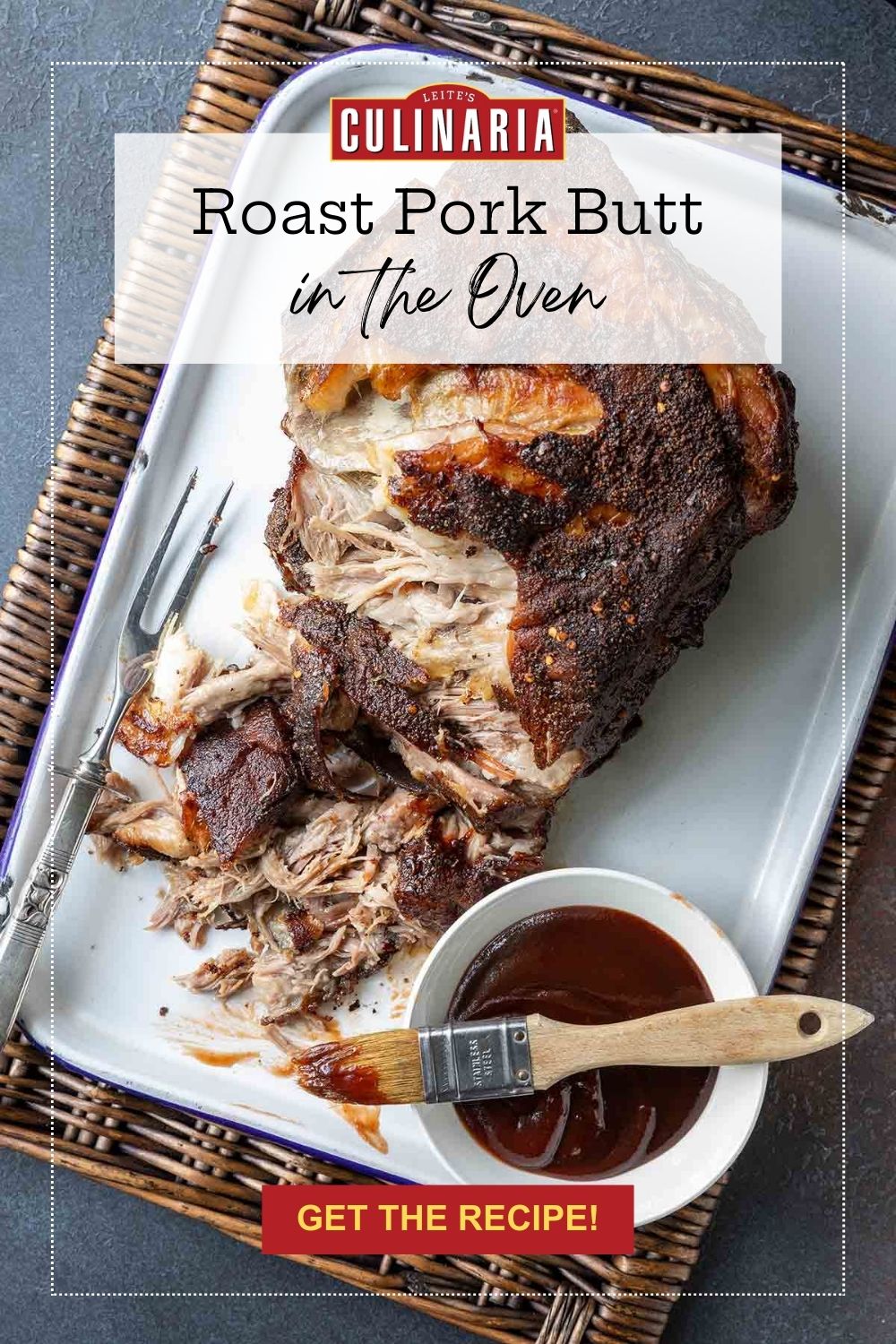
After its well-deserved rest, your Boston Butt is ready for the grand finale. Unwrap it carefully, making sure to capture all the delicious juices that have accumulated – this liquid is liquid gold and can be used to moisten the pulled pork. The bone should pull out cleanly with little effort. Using two forks, bear claws, or even gloved hands, begin to shred the meat. It should literally fall apart. Discard any large pieces of fat or gristle, though some of the rendered fat can be mixed back in for added richness.
Toss the pulled pork with some of the reserved juices and, if desired, a splash of your favorite barbecue sauce. This is where your individual taste, or the regional influence you’re mimicking, truly comes into play. The aroma filling your kitchen will be a testament to your patience and skill, a reward akin to reaching a long-anticipated destination or successfully navigating a complex travel itinerary.
Beyond the Roast: Serving Suggestions and Culinary Tourism
The versatility of pulled pork made from a Boston Butt roast is immense, making it a staple for everything from casual family gatherings to more elaborate feasts. Its ability to feed a crowd easily and economically also makes it a fantastic option for those practicing budget travel or managing meals during extended stays, where bulk cooking is often beneficial.
Classic Pairings and Regional Delights
The classic way to serve pulled pork is piled high on a soft bun, often with a generous helping of coleslaw. However, the accompaniments vary significantly by region, reflecting diverse culinary tourism trends:
- In North Carolina, a vinegar-based sauce is king, often served with hushpuppies and collard greens.
- South Carolina is famous for its mustard-based “Carolina Gold” sauce, paired with sides like mac and cheese or sweet potato casserole.
- In Kansas City, a thick, sweet, and tangy tomato-based sauce is preferred, often alongside baked beans and fries.
- Texas barbecue often favors simple, robust flavors, with pulled pork served with pickles, onions, and white bread.
Beyond sandwiches, pulled pork can be incorporated into tacos, quesadillas, loaded baked potatoes, nachos, or even gourmet pizzas. Its rich, savory flavor makes it an excellent addition to almost any casual dish, offering endless possibilities for creative cooking inspired by your travels. When exploring a new city, consider visiting local markets or specialty stores to find authentic regional ingredients for your sides and sauces, further enhancing your culinary journey.
Integrating Your Boston Butt into Your Travel Lifestyle
Cooking a Boston Butt roast, whether at home or in a rented accommodation, transcends mere meal preparation. It becomes a lifestyle choice, a celebration of slow living, and a tangible connection to the rich tapestry of American food culture. For those who prioritize experiences over possessions, mastering this dish can be as rewarding as summiting a mountain or discovering a hidden gem in a foreign city. It’s an investment of time that pays dividends in flavor, shared moments, and a profound appreciation for culinary traditions.
Whether you’re planning your next epic road trip through the Kentucky Bourbon Trail and its accompanying BBQ joints, or simply looking to bring a taste of the Southern United States into your own kitchen, the Boston Butt roast offers a journey of flavors. It reminds us that some of the most satisfying “destinations” are found right on our plates, prepared with patience, passion, and a dash of wanderlust.
LifeOutOfTheBox is a participant in the Amazon Services LLC Associates Program, an affiliate advertising program designed to provide a means for sites to earn advertising fees by advertising and linking to Amazon.com. Amazon, the Amazon logo, AmazonSupply, and the AmazonSupply logo are trademarks of Amazon.com, Inc. or its affiliates. As an Amazon Associate we earn affiliate commissions from qualifying purchases.