
The question “How far is Boston to New York City?” might seem straightforward, but its answer extends far beyond a simple number on a map. For travelers, adventurers, and business commuters alike, understanding the distance between these two iconic Northeastern United States metropolises encompasses not just miles, but also time, cost, convenience, and the overall experience of the journey. Both Boston and New York City are vibrant hubs, rich in history, culture, and opportunities, making the journey between them a popular route for a myriad of purposes. Whether you’re planning a leisurely road trip, a quick business jaunt, or a cultural exploration, selecting the right mode of transport and understanding the nuances of the trip can significantly enhance your travel experience.
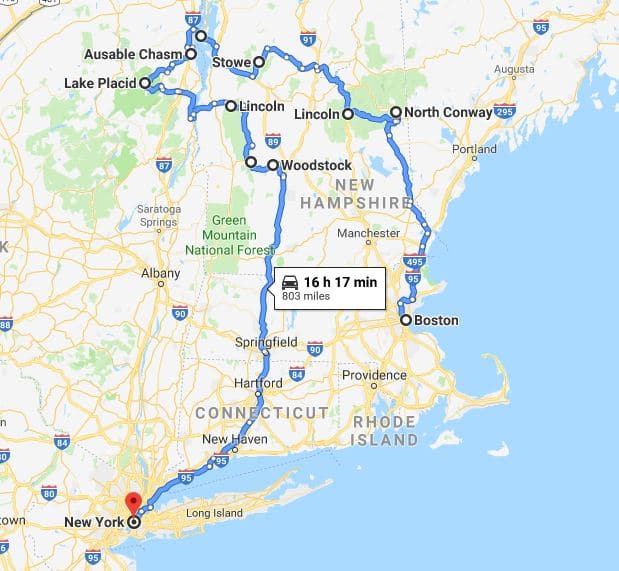
This guide delves into the various facets of traveling between Boston and New York City, offering insights into geographical distance, popular transportation methods, essential travel considerations, and what awaits you in each destination. From the fastest routes to the most scenic detours, and from budget-friendly options to luxurious travel choices, we’ll explore how to make the most of your journey and truly appreciate the unique character of both cities.
Understanding the Geographical Distance
At its core, the distance between Boston, Massachusetts, and New York City, New York, is approximately 200 to 220 miles (320 to 350 kilometers) as the crow flies, or more practically, via major roadways. This relatively short distance makes travel between the two cities highly feasible by various means, turning it into a frequent corridor for both personal and professional trips.
The most common driving route follows the I-95 corridor, a major interstate highway that snakes along the East Coast. While this provides a direct path, the actual mileage and subsequent travel time can fluctuate based on your specific starting point in Boston (e.g., Downtown Crossing, Cambridge) and your destination in New York City (e.g., Midtown Manhattan, Brooklyn). These variations, though seemingly minor, can add significant minutes or even hours to your journey, especially when navigating dense urban traffic. The I-95 route takes travelers through parts of Rhode Island and Connecticut, offering glimpses of diverse New England landscapes before diving into the bustling metropolitan areas of New York. Ultimately, while the geographical distance sets a baseline, the true “far” factor depends heavily on the method of travel chosen and the prevailing conditions on the day.
Navigating the Journey: Popular Transportation Methods
The choice of transportation between Boston and New York City is abundant, each offering a distinct balance of cost, speed, comfort, and convenience. Understanding these options is key to tailoring your trip to your specific needs, whether you prioritize budget, luxury, or efficiency.
Driving: Flexibility on the Open Road
For many, driving offers an unparalleled sense of freedom and flexibility. The average driving time without significant traffic is approximately 3.5 to 4 hours. However, this is a best-case scenario. Traffic along I-95 and particularly as you approach and enter New York City can easily extend this to 5-6 hours, especially during rush hour, weekends, or holidays. Tolls are also a significant consideration, particularly on bridges and tunnels leading into Manhattan such as the George Washington Bridge, Holland Tunnel, or Lincoln Tunnel. Parking in both cities, especially New York City, is expensive and often hard to find.
The Scenic Drive and Road Trip Essentials
While the direct route on I-95 is primarily functional, those with more time can explore alternative, more scenic routes, perhaps hugging the Connecticut coastline or venturing through charming towns. This offers opportunities for pit stops at local diners, quaint shops, or even historical sites, transforming a mere commute into a mini-road trip. For any road trip, essentials include a reliable navigation system, an emergency kit, and a well-curated playlist. Planning your fuel stops and checking traffic updates before and during your journey can save you considerable time and stress.
Train Travel: Comfort and Convenience with Amtrak
Amtrak provides a comfortable and often efficient way to travel between the two cities, connecting city center to city center. The primary services are the high-speed Acela Express and the more traditional Northeast Regional train.
The Acela Express is the faster option, completing the journey in approximately 3.5 hours. It offers more spacious seating, Wi-Fi, and a generally more upscale experience, often catering to business travelers. The Northeast Regional takes about 4 to 5 hours due to more frequent stops, but is typically more affordable. Both services depart from Boston South Station and arrive at New York City’s Moynihan Train Hall (adjacent to Penn Station), placing you directly in the heart of Manhattan with easy access to public transport.
Choosing Your Rail Experience
Train travel eliminates the stress of driving, traffic, and parking. Passengers can relax, work, or enjoy the passing scenery. For business travelers, the ability to be productive en route is a significant advantage. For leisure travelers, it offers a relaxed start to a vacation. While Acela tickets can be pricey, especially if booked last minute, the overall convenience and time saved often justify the cost, particularly compared to flying when considering airport commute and security times.
Bus Services: The Budget-Friendly Option
Bus travel is often the most economical choice for travel between Boston and New York City. Several reputable companies, including Greyhound, Peter Pan Bus Lines, FlixBus, and Megabus, operate frequent routes.
The journey typically takes 4 to 5 hours, but like driving, it’s susceptible to traffic delays. Buses usually depart from major transportation hubs like Boston South Station and arrive at Port Authority Bus Terminal in New York City, which is conveniently located in Midtown Manhattan.
Budget-Friendly Bus Travel
While generally less luxurious than train travel, modern buses often come equipped with amenities like Wi-Fi, power outlets, and reclining seats, making the journey comfortable enough for short distances. Booking in advance can yield significant savings, making bus travel an attractive option for students, budget-conscious travelers, or those who don’t mind the longer travel time. The key is to manage expectations regarding potential delays and to prioritize cost savings.
Flying: The Fastest Air Time
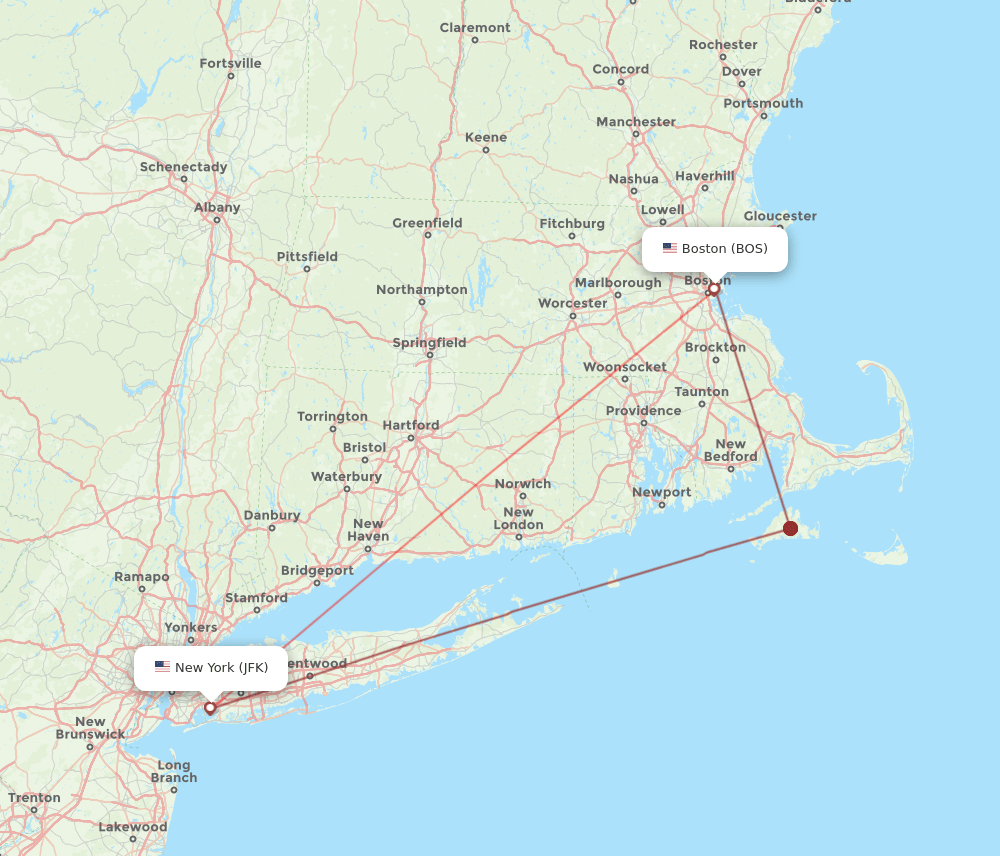
For a distance of 200 miles, flying is often less practical than it initially seems. While the actual flight time between Boston Logan International Airport (BOS) and New York City’s airports (LaGuardia Airport (LGA), JFK International Airport (JFK), or Newark Liberty International Airport (EWR)) is only about an hour, the total travel time can easily stretch to 4-5 hours or more. This includes commuting to and from airports, going through security, boarding, and waiting for baggage.
The Air Travel Conundrum
When considering the full door-to-door journey, flying rarely saves time compared to the Acela Express and can often be more expensive, especially with added baggage fees. For most travelers directly between Boston and New York City, train or bus offers a more efficient and less stressful experience. Flying typically makes sense only if you have connecting flights or specific logistical reasons that necessitate air travel.
Making the Most of Your Trip: Essential Travel Considerations
Beyond simply choosing a mode of transport, a successful journey between Boston and New York City hinges on careful planning and consideration of various factors that influence the overall travel experience.
Planning Your Journey: Tips for a Seamless Experience
Cost Analysis: Always compare prices across all transportation methods. Factor in not just ticket prices, but also potential costs like tolls, parking fees, fuel for driving, or taxi/rideshare fares to and from train/bus stations or airports. Often, booking tickets for trains and buses well in advance can secure significantly lower fares.
Time Management: Be mindful of peak travel times. Weekday rush hours (morning and late afternoon/early evening) and holiday weekends are notorious for causing delays, especially for driving and bus routes. If flexibility allows, traveling during off-peak hours can drastically reduce travel time and stress. Consider using real-time traffic apps or checking public transit schedules for the most up-to-date information.
Comfort and Convenience: Assess your priorities. If comfort and the ability to work or relax are paramount, the train might be your best bet. If you value flexibility and door-to-door service (and don’t mind the costs), driving could be ideal. For the most budget-friendly option, buses are hard to beat.
Luggage: Different modes of transport have different luggage policies. Driving offers the most flexibility, while flying has the strictest rules and potential fees. Trains and buses generally allow more luggage than planes without extra charges, making them appealing for longer stays.
Accommodation and Local Exploration
Upon arrival in either Boston or New York City, your experience will greatly depend on your accommodation and plans for local exploration. Both cities offer a vast array of options, from luxurious five-star hotels to charming boutique hotels, budget-friendly hostels, and spacious apartment rentals. Pre-booking your accommodation is highly recommended, especially during peak tourist seasons or major events, to ensure you secure the best location and price.
For example, in Boston, you might find exquisite stays at the Four Seasons Hotel Boston or The Langham Boston, or a historic experience at the Omni Parker House. In New York City, iconic hotels like The Plaza Hotel and Ritz-Carlton New York, Central Park offer unparalleled luxury, while options like Moxy Times Square provide a trendy, modern vibe. Choosing the right accommodation not only provides a place to rest but also serves as a base for your tourism adventures, allowing you to easily access local culture, food, and activities.
Exploring the Destinations: Boston and New York City as Hubs
The journey between Boston and New York City is often just one part of a larger travel adventure. Both cities are rich destinations in their own right, offering diverse experiences that cater to every interest, from historical buffs to art enthusiasts and foodies.
Boston: A Historic Gem with Modern Flair
Boston is a city where history comes alive on every corner. Known as the “Cradle of Liberty,” it’s replete with landmarks that tell the story of the American Revolution. A walk along the Freedom Trail takes you past 16 historically significant sites, including the Old State House, Paul Revere House, and Bunker Hill Monument. Beyond its historical roots, Boston is a vibrant center for education, technology, and sports. Visitors can explore the bustling Faneuil Hall Marketplace, relax in the verdant Boston Common and Public Garden, immerse themselves in art at the Museum of Fine Arts, or catch a Red Sox game at the legendary Fenway Park. The city’s lifestyle blends traditional New England charm with a dynamic, innovative spirit, characterized by its renowned seafood, world-class universities, and distinct neighborhood cultures.
New York City: The Epicenter of Culture and Innovation
New York City, often called the “Crossroads of the World,” is an unparalleled global hub for culture, finance, fashion, and entertainment. Its skyline is instantly recognizable, dominated by iconic structures like the Empire State Building, Chrysler Building, and the newer One World Trade Center. No visit is complete without marveling at the Statue of Liberty, experiencing the electric energy of Times Square, strolling through the tranquil expanse of Central Park, or catching a world-class show on Broadway. The city’s diverse culinary scene, endless shopping opportunities, and an unmatched array of museums (like the Metropolitan Museum of Art and the Museum of Modern Art) cater to every taste and preference. New York City offers a lifestyle that is perpetually in motion, offering both luxury travel experiences and plenty of budget-friendly activities.

Beyond the Cities: Extended Travel Opportunities
For those with more time, both Boston and New York City serve as excellent bases for exploring the wider region. From Boston, popular day trips include the charming coastal towns of Cape Cod, the historic witch city of Salem, or the picturesque beaches of Nantucket and Martha’s Vineyard. From New York City, you can venture to the scenic Hudson Valley for vineyards and historical estates, relax on the beaches of Long Island, or explore the vibrant casino resorts of Atlantic City. Combining a trip between these two major cities with regional excursions can create an unforgettable and comprehensive travel experience, showcasing the diverse beauty and culture of the Northeast.
Ultimately, the question of “How far is Boston to New York City?” transforms into “How much do you want to experience along the way?” The answer is as varied and rich as the destinations themselves, offering a wealth of choices for every traveler seeking adventure, culture, or simply a change of scenery.
LifeOutOfTheBox is a participant in the Amazon Services LLC Associates Program, an affiliate advertising program designed to provide a means for sites to earn advertising fees by advertising and linking to Amazon.com. Amazon, the Amazon logo, AmazonSupply, and the AmazonSupply logo are trademarks of Amazon.com, Inc. or its affiliates. As an Amazon Associate we earn affiliate commissions from qualifying purchases.