
Embarking on a transatlantic journey from the historic streets of Boston to the bustling metropolis of London is a dream for many travelers, whether for business or leisure. The allure of exploring iconic landmarks, delving into rich history, or simply experiencing a different culture makes this route immensely popular. But before you can immerse yourself in the British capital, a significant question arises: “How long is a flight from Boston to London?” Understanding the nuances of this journey is key to a smooth and enjoyable travel experience.
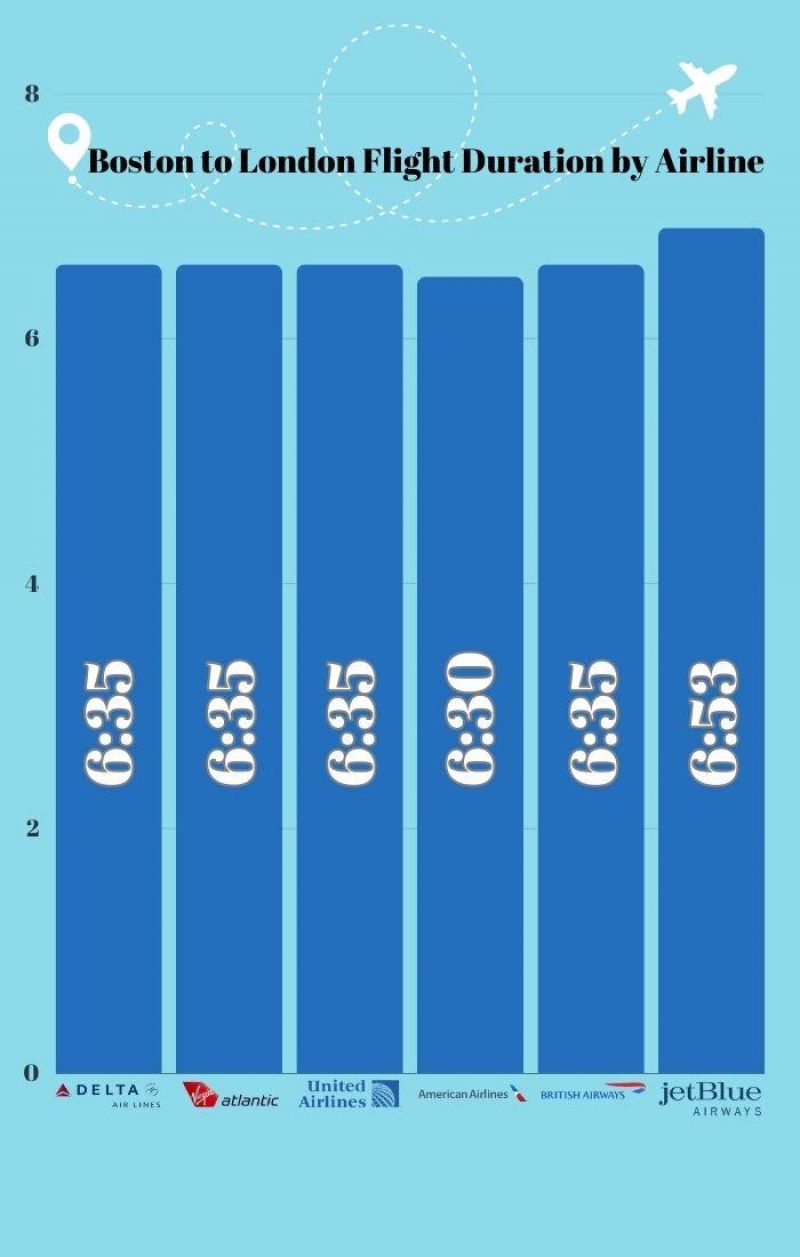
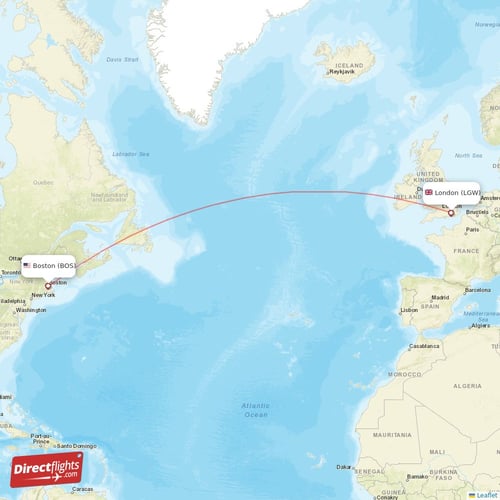
Generally, a direct flight from Boston’s Logan International Airport (BOS) to one of London’s major hubs, such as Heathrow Airport (LHR) or Gatwick Airport (LGW), typically ranges from 6.5 to 7.5 hours. This direct flight duration covers the approximately 3,269 miles (5,261 kilometers) that separate these two vibrant cities across the Atlantic Ocean. However, this figure is a baseline, and several factors can influence the actual time you spend in the air and en route. For instance, the specific airline, the type of aircraft, prevailing winds, and even air traffic control can all play a role in adjusting the flight time. When planning your trip, it’s always wise to account for these variables and build in a buffer for connection times if you opt for a non-direct route. Beyond the raw flight time, the entire travel experience, from pre-flight preparation in Boston to navigating your arrival in London, forms a crucial part of your adventure, influencing everything from managing jet lag to making the most of your first moments in the United Kingdom.

Understanding Flight Duration: Factors Influencing Your Journey
While the 6.5 to 7.5-hour window serves as a good estimate for direct flights, several elements contribute to the final duration of your journey from Boston to London. Being aware of these factors can help you choose the best flight for your needs and manage expectations.
Direct vs. Connecting Flights
The most significant factor determining flight duration is whether you choose a direct or a connecting flight.
- Direct Flights: As mentioned, these are the quickest, typically spanning 6.5 to 7.5 hours. Airlines such as British Airways, Virgin Atlantic, Delta Air Lines, American Airlines, and JetBlue frequently offer direct services from Boston to London. Opting for a direct flight minimizes travel time and reduces the likelihood of delays associated with transfers. This is often the preferred choice for business travelers or those on a tight schedule, as it optimizes efficiency and minimizes the overall impact of travel on their itinerary.
- Connecting Flights: If direct flights are too expensive or unavailable, connecting flights offer an alternative. These involve at least one stopover, usually at another major airport in the United States (like New York, Philadelphia, or Washington D.C.) or Europe (like Dublin or Reykjavik). The total travel time for connecting flights can vary significantly, ranging from 9 hours to 15 hours or more, depending on the layover duration and the efficiency of the connection. While often more budget-friendly, connecting flights demand more patience and planning, particularly for those traveling with families or carrying significant luggage. It’s essential to factor in layover times, potential gate changes, and the additional security checks that might be required during transfers.
Airline Choice and Aircraft Type
The specific airline and the aircraft they operate can also subtly influence flight times and your overall comfort. Modern aircraft, such as the Boeing 787 Dreamliner or the Airbus A350, are designed for long-haul routes, offering greater fuel efficiency and often slightly faster cruise speeds. Older aircraft like the Boeing 747 or Airbus A380, while still very capable, might have slightly different average speeds. Beyond speed, newer planes often come equipped with advanced cabin features aimed at reducing jet lag, such as improved pressurization, humidity, and mood lighting, which significantly enhance the passenger experience on an overnight flight. Different airlines also have varying routing strategies and operational efficiencies that can affect gate-to-gate times.
Time Zones and Jet Lag
One of the less obvious, yet highly impactful, “durations” to consider is the effect of time zones. Boston operates on Eastern Time, typically five hours behind Greenwich Mean Time (GMT) (which London observes, with adjustments for British Summer Time). This means that while your flight might be 7 hours, you essentially “lose” 5 hours of your day. A flight departing Boston in the evening will arrive in London the following morning. The westbound return flight, while still taking the same amount of air time, “gains” you those hours back, making it feel shorter from a body-clock perspective. Managing jet lag is crucial for enjoying your trip from the moment you land. Tips for mitigating jet lag include adjusting your sleep schedule a few days before departure, staying hydrated, avoiding excessive alcohol and caffeine, and trying to adapt to the local time upon arrival by exposing yourself to natural light.
Navigating Your Journey: From Boston to London
The journey from Boston to London is more than just the flight itself; it encompasses the entire process from preparing to leave North America to your first moments in Europe. Careful planning and understanding what to expect at each stage can significantly enhance your travel experience.
Pre-Flight Planning and Departure from Boston
Your adventure begins long before you board the plane. Planning for your departure from Boston involves several key steps. First, ensure all travel documents – passport, visa (if required), and flight tickets – are in order and easily accessible. Consider checking into your flight online 24 hours prior to departure to save time at the airport and select your preferred seat. Arriving at Logan International Airport well in advance, typically 3 hours for international flights, is recommended to allow ample time for security checks, baggage drop-off, and navigating the terminals. While at Logan, you might consider exploring some of Boston’s charm if you have extra time before heading to the airport. Attractions like the Faneuil Hall Marketplace or parts of the Freedom Trail are relatively close to downtown and offer a final taste of New England history. For those seeking comfort, many airlines offer premium lounges where you can relax, enjoy complimentary food and beverages, and catch up on work before your overnight flight.
In-Flight Comfort and Entertainment
Once on board, the focus shifts to making the 6.5 to 7.5 hours as comfortable as possible. Most transatlantic flights offer a range of amenities designed for long-haul travel.
- Seating: Economy class offers standard seating, while premium economy provides more legroom and recline. For the ultimate comfort, business class and first class typically feature flat-bed seats, ensuring you can arrive in London feeling refreshed. These luxury travel options can transform the flight from a mere journey into an integral part of your holiday or business trip experience.
- Meals and Beverages: Airlines usually provide at least two meals and regular beverage services on this route. Dietary restrictions can often be accommodated if requested in advance.
- Entertainment: In-flight entertainment systems offer a vast selection of movies, TV shows, music, and games. Many aircraft also provide Wi-Fi, allowing you to stay connected (often for a fee).
- Personal Comfort: Pack essentials like a travel pillow, eye mask, earplugs, and comfortable clothing. Staying hydrated is crucial for combating the dry cabin air, and gentle stretches can help prevent stiffness. For those on a family trip, keeping children entertained with books, tablets, and snacks is vital for a peaceful journey.
Arrival at London’s Airports and Initial Transit
Your plane will likely land at either Heathrow Airport (LHR) or Gatwick Airport (LGW), London’s two primary international gateways.
- Immigration and Customs: Upon arrival, you’ll go through immigration control. Have your passport ready and be prepared to answer questions about the purpose and duration of your stay. For citizens of certain countries, electronic gates (eGates) can significantly speed up the process. After collecting your luggage, you’ll proceed through customs.
- Transit to Central London: Both airports offer excellent transport links to central London.
- From Heathrow: The Heathrow Express train is the fastest option, reaching London Paddington station in about 15-20 minutes. Alternatively, the London Underground (Piccadilly Line) offers a more budget-friendly route directly to various central London locations, taking around 45-60 minutes.
- From Gatwick: The Gatwick Express train provides direct service to London Victoria station in approximately 30 minutes. Other train services like Southern Railway are also available.
- Taxis and ride-sharing services are also options, though they can be more expensive and subject to traffic delays.
Choosing the right transport method depends on your budget, final destination in London, and how much luggage you have. Early morning arrivals might find the tube less crowded, while business travelers might prioritize the speed of express trains.
Maximizing Your London Experience: Accommodation and Exploration
Once you’ve successfully navigated your flight and arrived in London, the next steps involve settling into your accommodation and beginning your exploration of this magnificent city. London offers an unparalleled array of options for every type of traveler, from luxury stays to budget-friendly apartments, and a wealth of landmarks and cultural experiences.
Choosing Your London Accommodation
London’s accommodation landscape is as diverse as its population. Your choice will largely depend on your budget, travel style, and the purpose of your visit (e.g., family trips, luxury travel, business stays).
- Luxury Hotels: For those seeking an opulent experience, London boasts world-renowned establishments like The Savoy, The Ritz London, or the Shangri-La Hotel at The Shard. These hotels offer exquisite service, gourmet dining, and often historic significance, providing an unforgettable backdrop to your stay.
- Boutique Hotels and Mid-Range Options: Numerous charming boutique hotels and reliable mid-range chains are scattered across the city. Areas like Kensington, Covent Garden, and Westminster are popular for their central locations and access to attractions.
- Budget Accommodation: Hostels, guesthouses, and budget hotels provide cost-effective options without sacrificing comfort. Neighborhoods slightly outside the immediate city center, like parts of South Bank or Notting Hill, can offer better value while still being well-connected by public transport.
- Apartments and Long-Term Stays: For longer visits or those preferring a more independent experience, booking an apartment or a serviced villa can be ideal. This is particularly beneficial for family trips, offering more space and the flexibility to self-cater. Websites specializing in apartment rentals and comparison tools are excellent resources for finding suitable options. When booking, always check reviews, compare prices, and consider amenities like kitchens, laundry facilities, and proximity to tube stations.
Exploring London’s Iconic Landmarks and Attractions
With your bags dropped off, London opens up as a world of discovery. The city’s rich history and vibrant culture offer an endless list of things to see and do.
- Historic Sites: No visit to London is complete without seeing Buckingham Palace, the official residence of the monarch; the formidable Tower of London, steeped in centuries of history and intrigue; and Westminster Abbey, a site of coronations and royal weddings. Don’t forget to marvel at Big Ben and the Houses of Parliament along the River Thames.
- World-Class Museums: Many of London’s museums offer free entry, including the British Museum (home to the Rosetta Stone and Elgin Marbles), the National Gallery (featuring European masterpieces), and the Victoria and Albert Museum (celebrating art and design).
- Modern Icons and Entertainment: Take a ride on the London Eye for panoramic city views, stroll through Trafalgar Square with its famous lions, or catch a world-class show in the West End theatre district.
- Shopping and Culinary Adventures: From the luxury boutiques of Mayfair and grand department stores like Harrods and Selfridges, to the eclectic stalls of Borough Market and Camden Market, London is a shopper’s paradise and a foodie’s delight. Indulge in traditional Afternoon Tea, sample classic Fish and Chips, or explore the diverse international cuisine in areas like Soho or Covent Garden. Experiencing Pub Culture in a historic tavern is also an quintessential London activity.
In conclusion, while the direct flight from Boston to London averages around 6.5 to 7.5 hours, the complete travel journey involves thoughtful preparation, comfortable in-flight choices, and efficient transit upon arrival. By understanding these components and embracing the diverse offerings of both departure and destination cities, your transatlantic adventure will be not just a trip, but a truly memorable experience filled with exploration, culture, and relaxation.
LifeOutOfTheBox is a participant in the Amazon Services LLC Associates Program, an affiliate advertising program designed to provide a means for sites to earn advertising fees by advertising and linking to Amazon.com. Amazon, the Amazon logo, AmazonSupply, and the AmazonSupply logo are trademarks of Amazon.com, Inc. or its affiliates. As an Amazon Associate we earn affiliate commissions from qualifying purchases.