
The allure of a sweet treat while exploring a new city is undeniable. For many travelers journeying through the vibrant streets of Boston, few local delights hold as much iconic status and tempting charm as the Boston Cream Donut. This isn’t just any donut; it’s a culinary legend, a testament to American ingenuity in dessert-making, and a must-try experience for anyone visiting Massachusetts. But as we indulge in the rich history and decadent flavors of this beloved pastry, a common question often arises: just how many calories are we talking about?
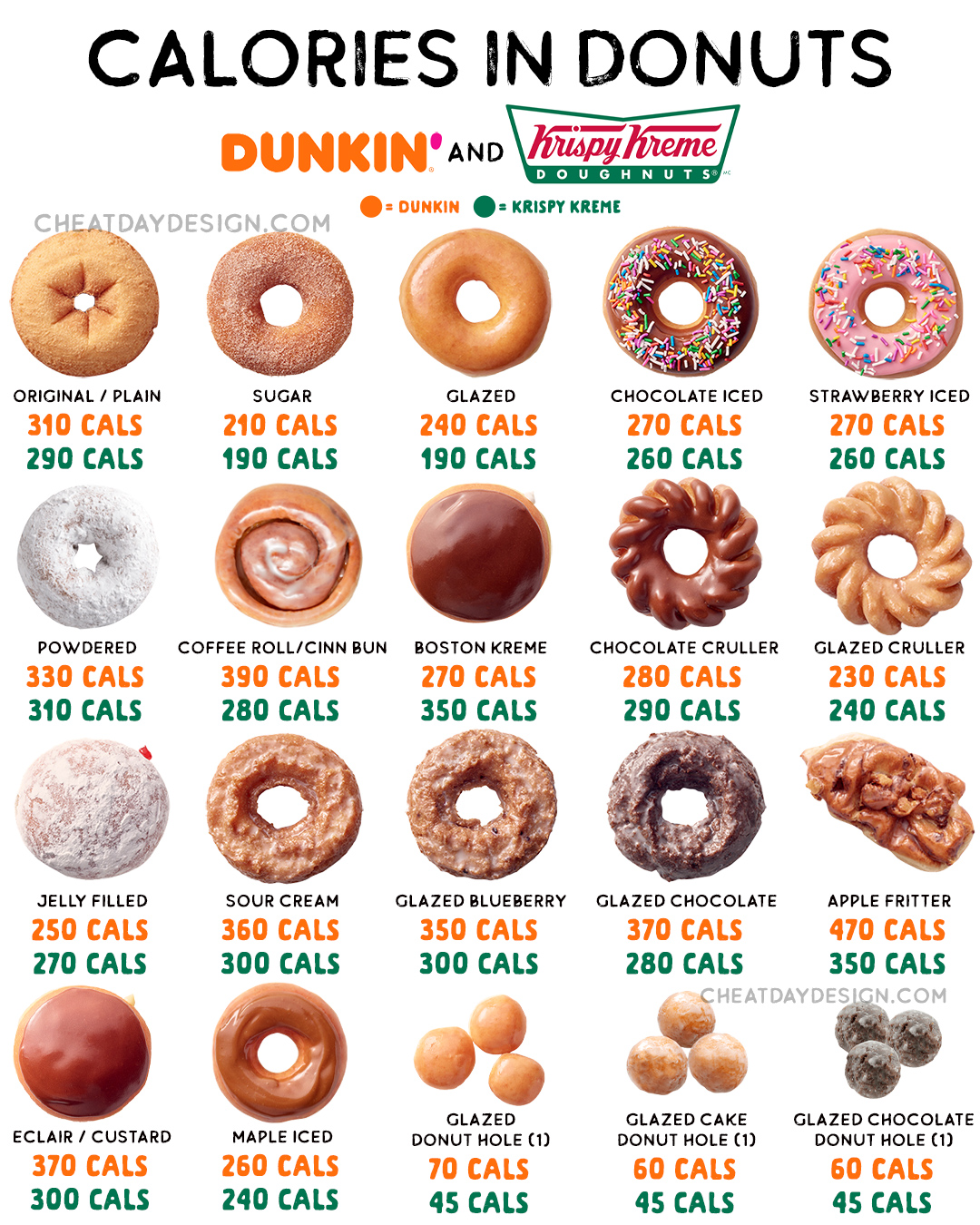
Understanding the nutritional content of our favorite travel indulgences isn’t about deprivation, but about informed choices that allow us to savor every moment and every bite without derailing our wellness goals. Whether you’re on a whirlwind sightseeing tour, enjoying a leisurely stay at a luxurious Boston hotel, or simply a food enthusiast planning your next culinary adventure, this guide delves into the delicious world of the Boston Cream Donut, its origins, its caloric footprint, and how to enjoy it responsibly amidst your travels.
The Boston Cream Donut: A Culinary Icon and Its Origins
Before we crunch the numbers, it’s essential to appreciate the heritage behind this distinctive pastry. The Boston Cream Donut is not merely a fried dough confection; it’s a direct descendant of the Boston Cream Pie, which holds the official title of the state dessert of Massachusetts. The pie itself has a fascinating history, originating in the mid-19th century.
From Parker House Roll to Dessert Legend
The birthplace of the Boston Cream Pie, and by extension its donut cousin, is widely credited to the historic Omni Parker House in Boston. Opened in 1855, this grand hotel, a landmark in its own right, has served as a beacon of hospitality and culinary innovation in the United States for generations. Originally named “Chocolate Cream Pie,” it was invented by the hotel’s French chef, Augustin Francois Faucett. The dessert was revolutionary for its time, featuring two layers of sponge cake separated by a rich custard filling and topped with a glistening chocolate glaze. This innovative use of chocolate as a glaze, rather than simply mixed into the cake batter, was a pioneering move that cemented its place in culinary history.
The transformation from pie to donut is a natural evolution, embodying the American love for portable, handheld treats. While the exact date of the Boston Cream Donut’s invention is less precisely documented than its pie predecessor, it emerged as a popular variation, taking the iconic flavors and textures of the pie and encasing them in a familiar, ring-shaped or bismark-style fried dough. This made it an accessible and convenient indulgence, perfect for a quick breakfast, a coffee break, or a sweet pick-me-up during a busy day of exploring Boston’s attractions. Its popularity soared, making it a staple in bakeries and coffee shops not just in New England but across America.
The Anatomy of a Classic
To understand the calorie count, we must first break down the components that make a Boston Cream Donut so irresistibly delicious. A truly classic Boston Cream Donut consists of three primary elements, each contributing significantly to its flavor, texture, and nutritional profile:
- The Donut Base: This is typically a light, fluffy, yeast-raised donut, fried to a golden perfection. The dough itself is made from flour, sugar, eggs, milk, yeast, and fat (usually oil for frying). The frying process introduces a significant amount of fat, which is a major source of calories.
- The Cream Filling: The heart of the Boston Cream Donut is its rich, velvety pastry cream or custard. This filling is usually made from milk, sugar, egg yolks, cornstarch (as a thickener), and vanilla extract. It’s smooth, sweet, and provides a luxurious contrast to the fried dough.
- The Chocolate Glaze: Capping it all off is the signature chocolate glaze. This can range from a simple ganache made with chocolate and cream to a more confectioners’ sugar-based frosting with cocoa powder. The glaze adds another layer of sweetness, a slight bitterness from the chocolate, and that characteristic glossy finish.
Each of these elements, while delightful on its own, combines to create a calorie-dense treat.
Decoding the Calories: What’s Inside Your Sweet Treat?
Now, let’s address the burning question: How many calories are in a Boston Cream Donut?
The short answer is: it varies. There isn’t a single, definitive calorie count for all Boston Cream Donuts because size, ingredients, and preparation methods differ significantly between bakeries, brands, and even homemade versions. However, we can provide a general range and break down the factors influencing this number.
Typically, a standard-sized Boston Cream Donut from a popular chain or a local bakery will fall in the range of 250 to 450 calories.
- A medium-sized Boston Cream Donut (around 70-85 grams) from a large chain like Dunkin’ Donuts or Krispy Kreme often hovers around the 300-350 calorie mark.
- A larger, artisan Boston Cream Donut from a gourmet bakery, which might be denser, use richer ingredients, or be more generously filled, could easily reach 400-450 calories or even more.
Factors Influencing Calorie Count
Several key factors contribute to the caloric load of a Boston Cream Donut:
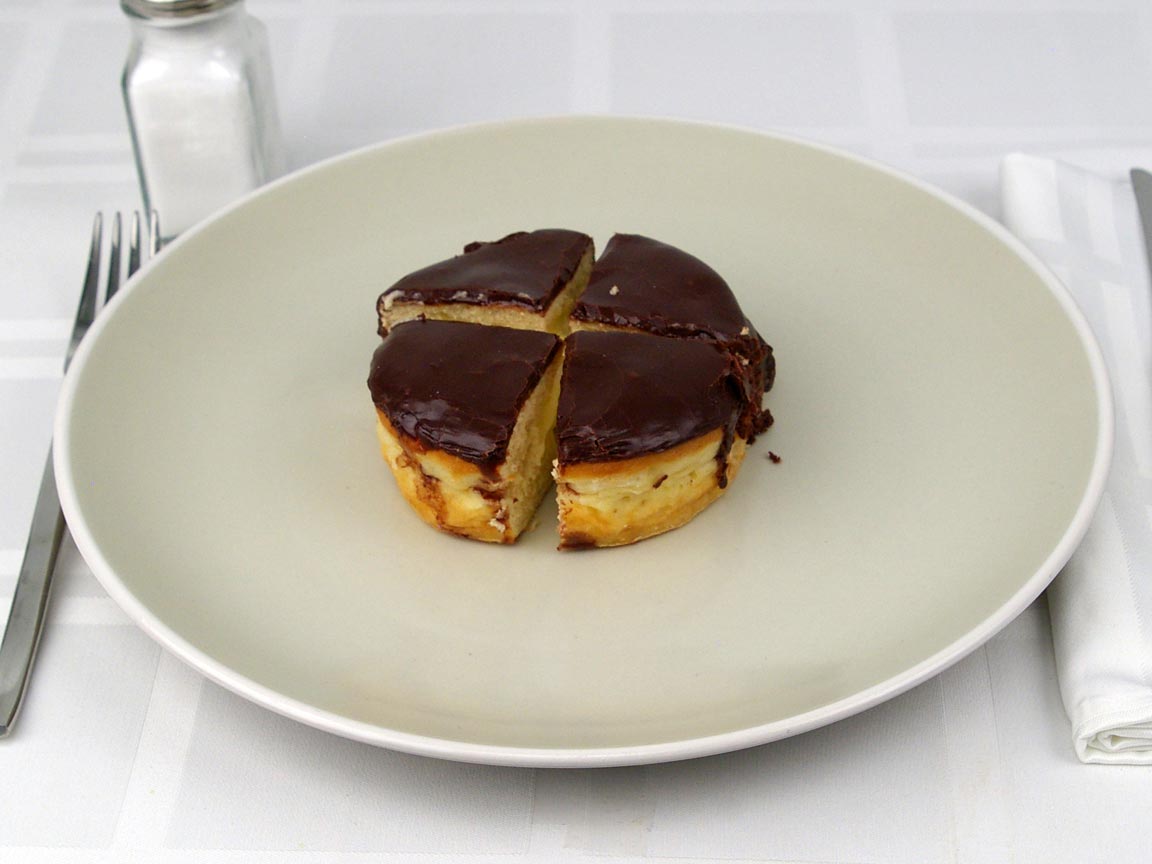
- Size of the Donut: This is perhaps the most obvious factor. A larger donut simply means more dough, more filling, and more glaze, all of which equate to more calories. A “mini” Boston Cream Donut will naturally have fewer calories than a standard or oversized one.
- Type and Amount of Dough: Yeast-raised donuts tend to be lighter in texture but can absorb more oil during frying than cake donuts. The amount of sugar and fat in the dough itself also plays a role.
- Fat Absorption During Frying: Deep-frying is a significant source of calories. The type of oil used, its temperature, and the duration of frying all affect how much oil the donut absorbs.
- Richness and Quantity of Filling: A denser, richer custard made with more egg yolks and butter will be higher in calories than a lighter, starch-thickened cream. The more generous the filling, the higher the calorie count.
- Type and Sweetness of Glaze: A thick, sugary chocolate glaze or ganache will contribute more calories than a thinner, less sweet coating. Some glazes might also incorporate butter or heavy cream, adding to the richness.
- Additional Toppings: While a classic Boston Cream Donut rarely has additional toppings beyond its chocolate glaze, some variations might include sprinkles, nuts, or chocolate shavings, which would further increase the caloric value.
Nutritional Breakdown and Dietary Considerations
Beyond just calories, a Boston Cream Donut also contains other macronutrients:
- Carbohydrates: This will be the most abundant macronutrient, primarily from sugar (in the dough, filling, and glaze) and flour. Expect anywhere from 40-60+ grams per donut.
- Fats: Due to frying and the richness of the filling, fats are substantial, often ranging from 15-25+ grams. A significant portion of these can be saturated fats, especially if butter or certain types of oils are used.
- Protein: A Boston Cream Donut is not a significant source of protein, usually providing only 4-7 grams, primarily from eggs and milk in the filling and dough.
- Sodium: Baked goods can contain moderate amounts of sodium, typically 200-400 mg.
For travelers mindful of their diet, a Boston Cream Donut is undeniably an indulgence. It’s high in sugar, fat, and calories, and relatively low in fiber and essential micronutrients. This doesn’t mean it should be avoided entirely, especially when experiencing the local culture and cuisine is a key part of your trip. Instead, it calls for a balanced approach.
Indulgence on the Road: Enjoying Boston’s Sweet Side Responsibly
Traveling is an immersive experience, and food plays a central role in understanding local culture. The Boston Cream Donut is more than just a sweet treat; it’s a taste of Boston’s heritage. Enjoying it responsibly means appreciating its place in the city’s culinary landscape while integrating it thoughtfully into your travel itinerary.
Where to Find the Best Boston Cream Donuts in Boston
When in Boston, seeking out an authentic Boston Cream Donut is part of the adventure. While many chain coffee shops offer their versions, venturing into local bakeries and specialty shops will often yield a superior, more authentic experience.
- The Omni Parker House: While they are famous for the Boston Cream Pie itself, experiencing the original dessert in its birthplace is a must. You might find a donut interpretation, or at least gain an appreciation for the source of the inspiration. The hotel’s location near the Freedom Trail makes it an easy stop for tourists.
- Local Bakeries: Explore neighborhoods like the North End, though primarily known for Italian pastries, sometimes offers their spin on classic American sweets. Areas like Back Bay or near Faneuil Hall Marketplace will have various bakeries. These independent establishments often pride themselves on fresh ingredients and traditional methods, leading to a more flavorful (and potentially richer) donut.
- Specialty Donut Shops: Boston and its surrounding areas, including Cambridge (home to Harvard University), have seen a rise in artisan donut shops. These places often experiment with classic recipes, offering elevated versions of the Boston Cream Donut with gourmet fillings or high-quality chocolate glazes.
Part of the travel experience is discovering these local gems. Don’t be afraid to ask hotel staff for recommendations or consult online reviews to find the best spots. The caloric intake feels more justified when the taste experience is truly exceptional!
Balancing Treats with Healthy Travel Habits
Enjoying a Boston Cream Donut doesn’t mean abandoning all health goals. Here are some strategies for responsible indulgence during your travels:
- Share the Indulgence: If the donut is particularly large or rich, consider sharing it with a travel companion. This allows you to savor the flavor without consuming all the calories yourself.
- Mindful Eating: Take your time to really enjoy the donut. Pay attention to its textures, flavors, and aroma. Eating slowly and mindfully can increase satisfaction and prevent overconsumption.
- Balance Throughout the Day: If you know you’re going to enjoy a Boston Cream Donut for breakfast or as a snack, make conscious choices for other meals. Opt for lighter, nutrient-dense options like salads, lean proteins, and plenty of vegetables.
- Stay Active: Travel inherently involves a lot of walking, especially when exploring cities like Boston. Take advantage of the opportunity to walk the Freedom Trail, stroll through Boston Common, or explore Beacon Hill on foot. Many hotels also offer fitness centers, or you can find local yoga studios for a quick session. The extra physical activity will help offset some of the caloric intake.
- Hydrate Well: Drinking plenty of water is crucial for overall health and can also help manage appetite, sometimes curbing the desire for excessive sugary snacks.
- One Indulgence Per Day: Set a personal rule to enjoy one special treat per day or per destination. This allows for planned indulgence without constant grazing.
- Prioritize Sleep: Adequate sleep is vital for regulating hormones that control hunger and satiety, making it easier to stick to healthy eating habits even when faced with tempting travel foods.
Remember, travel is about creating memories and experiences. A Boston Cream Donut can be a delightful part of your Boston adventure, not a dietary adversary.
Beyond the Donut: Boston’s Broader Culinary Landscape for Travelers
While the Boston Cream Donut is a star, Boston’s culinary scene offers a vast array of experiences for every type of traveler and dietary preference. Embracing the diversity of food is part of a rich travel lifestyle, whether you’re seeking luxury dining or budget-friendly eats.
- Seafood Delights: No visit to Boston is complete without indulging in fresh New England seafood. From clam chowder and lobster rolls to fresh oysters, the city’s proximity to the Atlantic Ocean ensures an unparalleled aquatic bounty. Many waterfront restaurants offer stunning views alongside their delicious menus.
- Historic Taverns: Experience American history with a meal at one of Boston’s many historic taverns. These establishments often serve classic American comfort food in settings that transport you back centuries.
- Ethnic Enclaves: The North End remains Boston’s oldest residential community and a vibrant Italian-American neighborhood, offering some of the best Italian food outside of Europe. Explore its bakeries for cannolis and pastries, and its trattorias for authentic pasta dishes. Other neighborhoods also boast fantastic culinary offerings from Asia, South America, and Africa, reflecting the city’s diverse population.
- Farm-to-Table Dining: Boston has a thriving farm-to-table movement, with many restaurants sourcing ingredients from local farms in Massachusetts and New England. This focus on fresh, seasonal produce can offer healthier and incredibly flavorful dining options.
- Food Tours: For those who want to sample a bit of everything without over-committing, a guided food tour is an excellent option. These tours often take you through various neighborhoods, offering bites of local specialties and insights into the city’s culinary history.
In conclusion, the Boston Cream Donut is more than just a sweet treat; it’s a piece of American culinary history and a delightful indulgence that many travelers look forward to experiencing in Boston. While its calorie count typically ranges from 250 to 450, understanding its components and origin allows for a greater appreciation. By making informed choices, balancing your indulgences with healthy habits, and exploring the broader culinary landscape of this historic city, you can savor every moment of your journey without compromise. So go ahead, enjoy that Boston Cream Donut – it’s part of the adventure!
LifeOutOfTheBox is a participant in the Amazon Services LLC Associates Program, an affiliate advertising program designed to provide a means for sites to earn advertising fees by advertising and linking to Amazon.com. Amazon, the Amazon logo, AmazonSupply, and the AmazonSupply logo are trademarks of Amazon.com, Inc. or its affiliates. As an Amazon Associate we earn affiliate commissions from qualifying purchases.