
Imagine yourself settled into a charming vacation rental in Charleston, a cozy apartment in Austin, or an extended-stay suite during a business trip to Atlanta. You’ve explored the local landmarks, soaked in the vibrant culture, and indulged in the regional delicacies at various eateries. But sometimes, especially on longer journeys or family trips, there’s a yearning for the comfort and cost-effectiveness of a home-cooked meal. This is where the humble yet mighty Boston Butt, slow-cooked to perfection in a Crock Pot, transcends mere cooking and becomes an integral part of your travel lifestyle.

This guide isn’t just about a recipe; it’s about embracing a piece of American culinary heritage, specifically the beloved pulled pork, and integrating it into your travel experiences. Whether you’re aiming for budget travel, seeking authentic local flavors from the convenience of your accommodation, or simply looking for an effortless meal after a day of sightseeing, mastering the Crock Pot Boston Butt is a skill that elevates your journey. It’s about bringing the essence of Southern hospitality and flavor right into your temporary home, making your accommodation not just a place to sleep, but a space for genuine culinary exploration.
The Culinary Journey: Discovering Boston Butt Across America
The term “Boston Butt” often sparks curiosity. Despite its name, which conjures images of New England, this cut of pork—the upper part of the pig’s shoulder—is most famously associated with the barbecue traditions of the American South. Its fatty marbling and connective tissue make it ideal for slow cooking, transforming it into tender, juicy pulled pork. Understanding its origins and regional significance enriches your culinary tourism experience.
A Taste of the South: Barbecue Traditions
Barbecue is more than just food in the United States; it’s a cultural cornerstone, particularly in the South. Each state, and often specific cities, boasts its own distinct style.
- In North Carolina, you’ll find everything from whole-hog barbecue doused in a tangy vinegar sauce in the eastern part of the state to the tomato and vinegar-based sauces prevalent in the western regions.
- South Carolina is famous for its “Carolina Gold” mustard-based sauce.
- Memphis, Tennessee, is a mecca for dry-rubbed ribs and pulled pork, often served with a sweet, tomato-based sauce.
- Travel west to Kansas City, Missouri, and you’ll encounter a wide array of meats, all slathered in thick, sweet, and smoky sauces.
- And then there’s Texas, where beef brisket reigns supreme, but slow-cooked pork shoulder still holds a revered place, often prepared with a simple, robust rub.
When you prepare a Boston Butt in your Crock Pot, you’re not just cooking; you’re participating in this rich tapestry of American gastronomy. You’re bringing a piece of Texas Hill Country or a touch of Savannah’s charm to your travel experience, transforming a simple meal into an authentic cultural encounter. This culinary immersion is a hallmark of truly memorable tourism, allowing you to savor local flavors at your own pace.
Why the “Boston Butt”? Unraveling the Name
The intriguing name “Boston Butt” doesn’t signify its origin in Boston, but rather a historical method of packaging pork. During colonial times in New England, butchers would pack less prized cuts of pork, like the shoulder, into wooden barrels known as “butts.” This practice became particularly common in Boston, leading to the cut being known as the “Boston butt.” While the packaging method faded, the name stuck, now serving as a charming historical footnote to a beloved culinary staple. Knowing this little tidbit can be a fun conversation starter, adding another layer to your travel tales and enhancing your understanding of local food history.
Self-Catering on the Go: The Crock Pot Advantage for Travelers
For travelers seeking comfort, convenience, and value, especially those on extended stays, family trips, or budget travel adventures, the Crock Pot is an indispensable kitchen companion. It allows you to create delicious, hearty meals with minimal effort, freeing up your valuable time for exploration and relaxation. This aligns perfectly with a lifestyle focused on practical yet enriching travel experiences.
Ideal for Extended Stays and Vacation Rentals
If your travel plans include a week or more in one location, particularly in accommodations offering kitchen facilities, the Crock Pot becomes your culinary ally. Many hotels are now catering to longer stays by providing kitchenette-equipped suites. Brands like Homewood Suites by Hilton, Residence Inn by Marriott, and Embassy Suites often feature full-sized refrigerators, microwaves, stovetops, and sometimes even a dishwasher, making self-catering a breeze.
Beyond traditional hotels, vacation rentals, such as those found on platforms like Airbnb or through local agencies for villas and apartments, almost always come with a fully equipped kitchen. These options are particularly popular for family trips, offering ample space and the flexibility to prepare meals that cater to specific dietary needs or picky eaters. Preparing a large cut like a Boston Butt means you’ll have delicious, versatile leftovers for several days, significantly cutting down on dining expenses and allowing you to allocate more of your budget to experiences like visiting a historical site like Mount Rushmore or enjoying a scenic Grand Canyon tour. This strategy is key for effective budget travel.
Effortless Culinary Exploration
One of the greatest benefits of the Crock Pot is its “set it and forget it” nature. Imagine waking up, prepping your Boston Butt in the slow cooker with minimal fuss, and then heading out to explore local attractions. You could spend the day touring the historic French Quarter in New Orleans, hiking through the stunning Zion National Park in Utah, or even marveling at the Statue of Liberty in New York City. When you return, tired but fulfilled, the aroma of perfectly cooked pulled pork will greet you, promising a delicious and comforting meal with virtually no additional effort.
This convenience frees you from the daily dilemma of finding a restaurant, making reservations, or dealing with takeout queues. It’s a way to reclaim precious travel time, allowing for more spontaneous adventures or simply more relaxation by the pool at your resort. Moreover, it offers a healthier alternative to constant restaurant dining, as you control the ingredients and preparation, ensuring your meals align with your preferred lifestyle choices even while away from home.

Mastering the Art of Crock Pot Boston Butt While Traveling
Preparing a Boston Butt in a Crock Pot while traveling doesn’t require gourmet skills or specialized equipment. It’s designed for simplicity and maximum flavor with minimal fuss, perfect for even the most basic kitchenettes. The beauty of this dish lies in its forgiving nature – slow cooking ensures tenderness, even if you’re a novice cook.
Essential Ingredients and Where to Find Them
The core ingredients for a superb Crock Pot Boston Butt are surprisingly few and easily sourced from local grocery stores, farmer’s markets, or even larger supermarkets near your destinations. Embracing local markets can also be a delightful part of your travel experience, allowing you to discover regional produce and interact with locals.
- Boston Butt (Pork Shoulder): Look for a bone-in or boneless pork shoulder roast, typically weighing 3-5 pounds. Bone-in often yields more flavor, but boneless is easier to shred. Ask the butcher or deli counter for assistance if you’re unsure.
- Rub/Seasoning: This is where you can infuse regional flair. A basic rub includes salt, black pepper, garlic powder, onion powder, paprika, and a touch of brown sugar. For a Kansas City twist, add chili powder and cumin. For a Carolina style, emphasize pepper and a hint of cayenne. Pre-made BBQ rubs are also widely available and convenient for travelers.
- Liquid: You’ll need about 1-2 cups of liquid to keep the pork moist and add flavor. Common choices include chicken broth, apple cider vinegar (especially for a tangy North Carolina style), apple juice, or even a can of beer for a deeper, richer taste.
- Optional Aromatics: Onions and garlic cloves can be added for extra depth, easily chopped with a basic knife in your rental kitchen.
Shopping for these ingredients can be a mini-adventure in itself. Visiting a local supermarket like Kroger or Publix in the South can provide an interesting glimpse into regional food preferences and products.
Step-by-Step Guide for the Traveler’s Kitchen
Here’s a simplified approach to making a mouthwatering Crock Pot Boston Butt, perfect for any travel setup with a slow cooker:
- Prep the Pork: Pat the Boston Butt dry with paper towels. If there’s a thick fat cap, you can trim some of it, but leave a decent amount for moisture and flavor.
- Apply the Rub: Generously coat the entire pork roast with your chosen rub. Don’t be shy – really massage it into the meat. If you have time, do this an hour or even the night before and refrigerate for deeper flavor penetration.
- Sear (Optional, but Recommended): If your accommodation has a stovetop, quickly searing the pork in a hot pan (with a little oil) for 2-3 minutes per side until browned adds a fantastic depth of flavor and creates a beautiful crust. This step isn’t strictly necessary for tenderness in a Crock Pot, but it truly enhances the final product.
- Slow Cook: Place any chopped onions or garlic at the bottom of your Crock Pot. Place the seasoned pork butt on top. Pour your chosen liquid around the pork, ensuring it comes up about 1-2 inches. Do not submerge the meat.
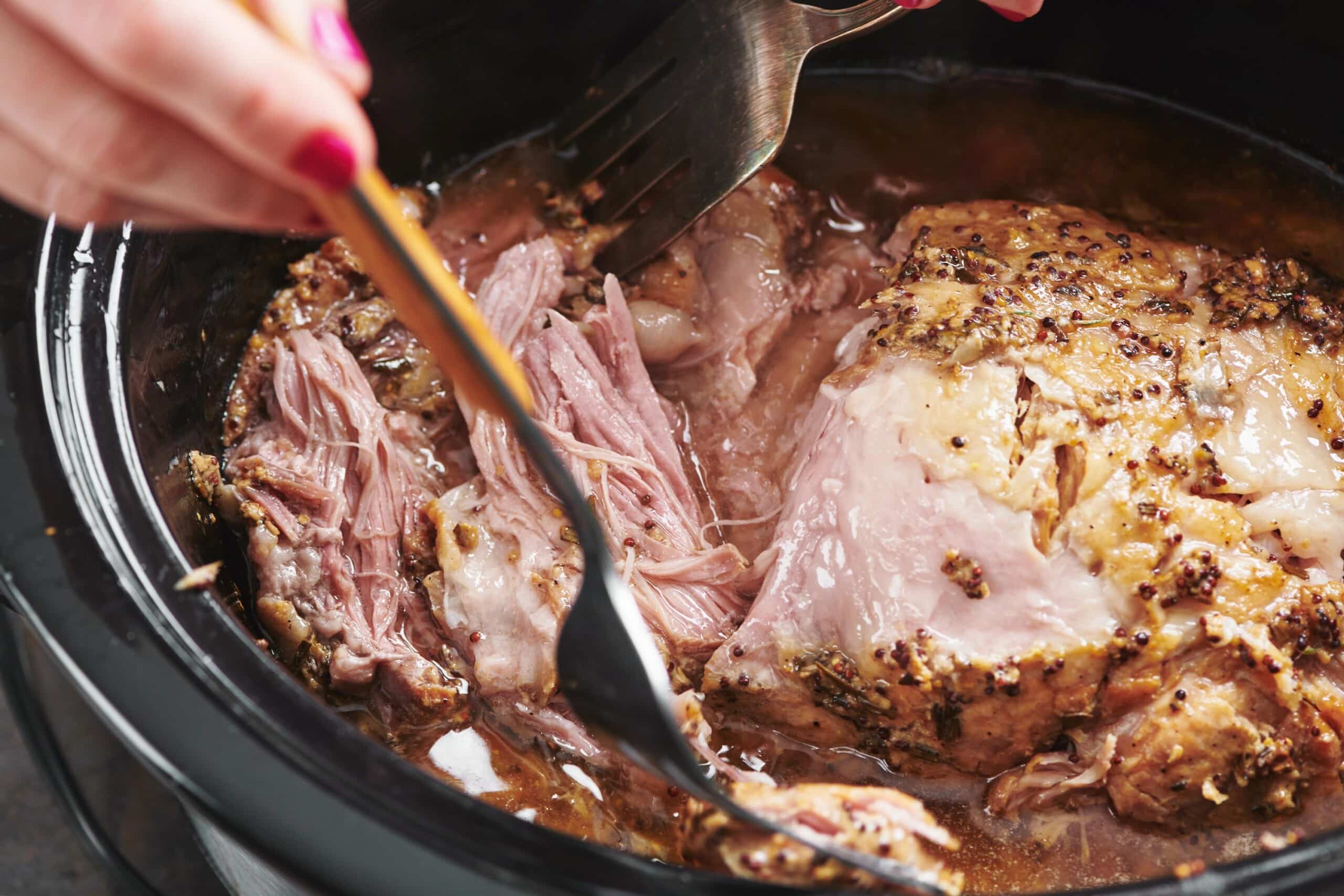
- Set and Forget: Cover the Crock Pot and cook on low for 6-8 hours, or on high for 3-4 hours, until the pork is fork-tender and shreds easily. The exact time will depend on the size of your roast and your specific slow cooker. A good rule of thumb is that the internal temperature should reach 200-205°F (93-96°C).
- Shred and Serve: Once cooked, carefully remove the pork from the Crock Pot and place it in a large bowl. Using two forks, shred the meat, discarding any excess fat or bone. Skim off any excess fat from the cooking liquid, then stir some of the remaining liquid back into the shredded pork to keep it moist and flavorful. You can also mix in your favorite BBQ sauce at this stage.
This hands-off cooking method means you can enjoy your adventures at landmarks like the Golden Gate Bridge or explore the Walt Disney World Resort without worrying about dinner.
Beyond the Crock Pot: Integrating Local Flavors
The beauty of Crock Pot Boston Butt isn’t just in its simplicity but also in its versatility. Once shredded, this succulent pork becomes a canvas for further culinary creativity, allowing you to incorporate local flavors and truly make it your own. This is where your food tourism knowledge really shines!
Pairing with Regional Delights
To complete your travel-inspired feast, consider pairing your pulled pork with classic Southern or regional sides.
- Coleslaw: A must-have. Whether you prefer a creamy slaw or a tangy vinegar-based one, it provides a crucial crunch and acidity to balance the richness of the pork. Look for pre-made options at local delis, or buy pre-shredded cabbage and carrots to mix with a simple dressing.
- Cornbread: A staple. Baking a batch from a mix is easy in an apartment or villa kitchen, offering a warm, sweet, or savory accompaniment.
- Macaroni and Cheese: The ultimate comfort food side. Many grocery stores offer excellent ready-to-bake versions.
- Local Beverages: Don’t forget to explore local craft beers or regional wines that might pair well with your meal. A crisp lager or a dry hard cider can cut through the richness of the pork beautifully, enhancing your overall dining experience and connecting you further to the local culture. You might find a unique brew at a local brewery in Asheville, North Carolina, or a regional soda pop in Georgia.
Serving suggestions are endless: classic pulled pork sandwiches on soft buns, tacos with fresh salsa, loaded baked potatoes, or even as a topping for nachos. The portability of the shredded pork also makes it an excellent option for packed lunches on a day trip or an easy picnic at a nearby park.
Making it Your Own: Customizing Your Travel Feast
Part of the joy of self-catering while traveling is the freedom to customize.
- Spice it up: Experiment with different local BBQ sauces found in regional grocery stores. From fiery habanero sauces to sweet molasses-based concoctions, each offers a unique flavor profile.
- Go healthy: Serve the pulled pork over a bed of greens or with roasted vegetables for a lighter meal.
- Embrace international fusion: Use the pulled pork in quesadillas, rice bowls, or even as a filling for spring rolls, reflecting the diverse culinary influences often found in major cities like Miami or Los Angeles.
This adaptability ensures that your Crock Pot Boston Butt remains exciting and relevant throughout your extended stay, fitting seamlessly into various meal plans and preferences. It’s a testament to how simple cooking can be a gateway to rich cultural understanding and a more comfortable, personal travel experience.
In conclusion, “How to Cook Boston Butt in a Crock Pot?” isn’t just a cooking query; it’s an invitation to a deeper, more intimate travel experience. It’s about merging the practicalities of travel, like finding ideal accommodation with kitchen amenities, with the profound joy of culinary tourism. By embracing this humble, delicious dish, you unlock a world of flavor, convenience, and connection, transforming your temporary residence into a true home away from home, brimming with the comforting aromas and tastes of regional America. Whether you’re navigating the bustling streets of Chicago or relaxing on the serene beaches of Hawaii, this versatile dish empowers you to savor authentic experiences, one delicious bite at a time.
LifeOutOfTheBox is a participant in the Amazon Services LLC Associates Program, an affiliate advertising program designed to provide a means for sites to earn advertising fees by advertising and linking to Amazon.com. Amazon, the Amazon logo, AmazonSupply, and the AmazonSupply logo are trademarks of Amazon.com, Inc. or its affiliates. As an Amazon Associate we earn affiliate commissions from qualifying purchases.