
The tantalizing aroma of slow-smoked pork shoulder is a quintessential experience, evoking images of backyard barbecues, festive family gatherings, and the rich culinary traditions of the American South. For many, the thought of achieving that perfect bark, tender interior, and smoky flavor profile can seem daunting, reserved for seasoned pitmasters. However, with the advent of the pellet grill, this iconic dish – often referred to as a Boston Butt – has become remarkably accessible, transforming novice cooks into confident culinary creators. This guide will walk you through the process, not just as a recipe, but as an integral part of a lifestyle that values quality experiences, whether you’re enhancing a luxurious staycation, hosting a vibrant gathering at a vacation rental, or simply bringing a touch of gourmet adventure to your home kitchen.
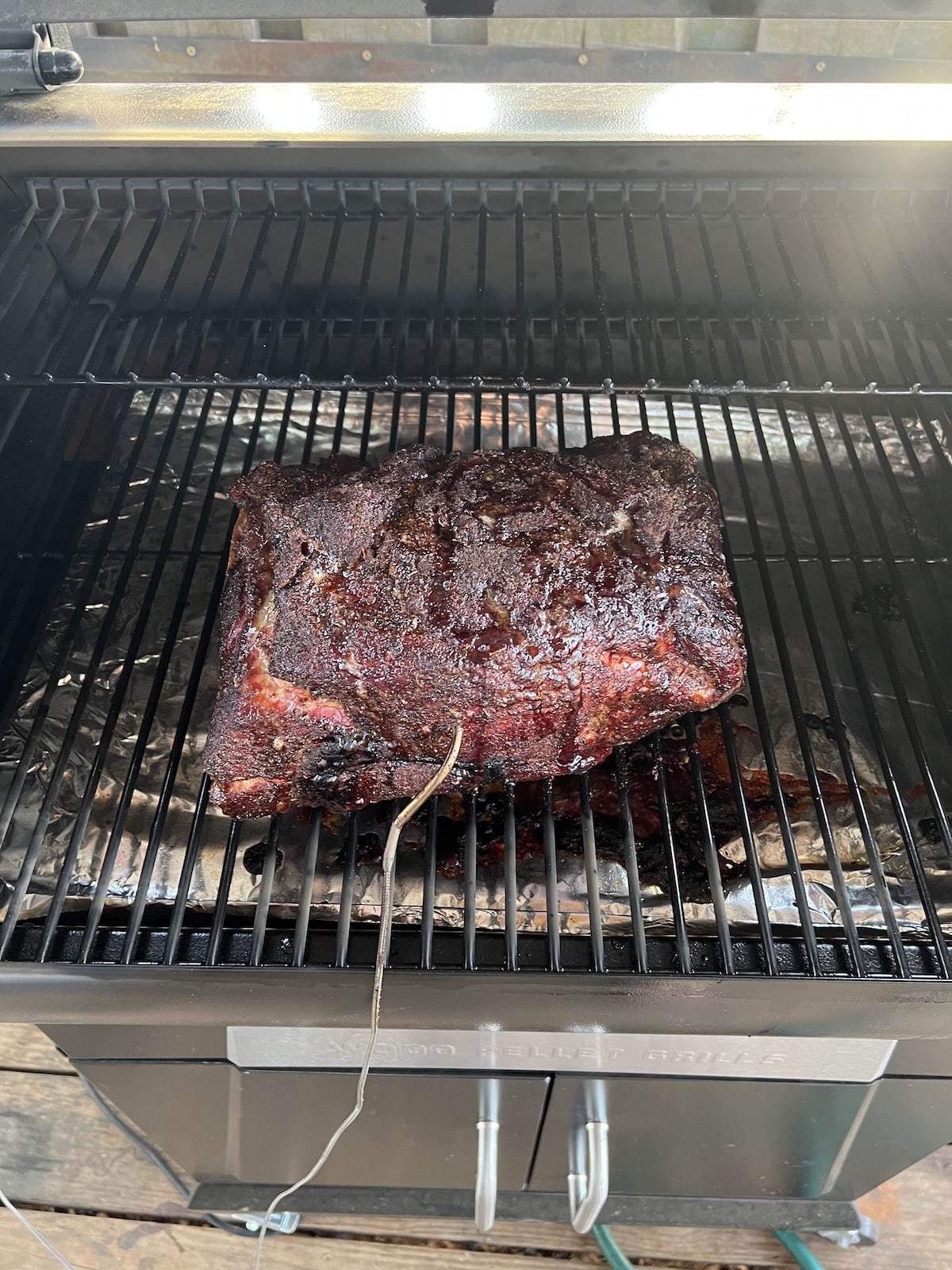
Imagine unwinding after a day exploring the historic streets of Charleston or the serene beaches of Florida, returning to your temporary accommodation where a pellet grill awaits. The convenience and consistent results offered by this modern marvel mean you can recreate the authentic flavors of southern barbecue without the fuss, allowing you more time to savor the moment, the company, and the travel experience itself. This isn’t just about cooking; it’s about elevating your lifestyle and travel memories through exceptional food.
The Pellet Grill Advantage: Effortless Excellence for the Discerning Traveler
Before delving into the specifics of smoking a Boston Butt, it’s worth understanding why the pellet grill has become a game-changer for enthusiasts and casual cooks alike, especially for those who embrace a lifestyle centered around comfort, convenience, and quality. Traditional offset smokers demand constant attention, precise temperature management, and a significant learning curve. Charcoal grills offer fantastic flavor but require frequent tending. The pellet grill, however, merges the best of both worlds: the authentic smoke flavor of wood with the set-it-and-forget-it ease of an oven.
For the modern traveler or the discerning individual seeking to maximize their time, a pellet grill offers unparalleled benefits. Many vacation rentals, especially those catering to family travel or extended stays, now feature these grills as part of their amenity offerings. Picture yourself at a charming villa in Tuscany (if you packed your pellet grill, or found one locally!) or a cozy cabin in the Smoky Mountains, effortlessly smoking a pork shoulder while you explore local vineyards or hike scenic trails. This convenience is a key element of luxury travel – the ability to enjoy gourmet experiences without the associated stress.
Pellet grills feed wood pellets automatically into a firebox, maintaining a consistent temperature with the help of a digital controller. This means less babysitting, more predictable results, and more time for you to engage with your travel companions, read a book by the pool, or simply relax. They are also highly versatile, capable of grilling, roasting, baking, and even searing, making them a comprehensive outdoor cooking solution that aligns perfectly with a flexible and enjoyment-focused lifestyle.
Why Choose a Boston Butt? The Culinary Canvas for Your Pellet Grill Adventure
The Boston Butt, despite its misleading name (it’s actually from the shoulder of a hog, not the rear), is the ideal cut for slow smoking. It’s generously marbled with fat and connective tissue, which, when subjected to low and slow cooking, renders down to create incredibly tender, juicy, and flavorful pulled pork. This cut is forgiving, allowing for some margin of error, making it perfect for those new to smoking or even experienced pitmasters looking for a reliable cook.
Its versatility is also a major draw. Once smoked and shredded, pulled pork can be served in countless ways: classic sandwiches, tacos, nachos, salads, or even as a topping for gourmet pizzas. This makes it an excellent choice for feeding a crowd, whether it’s a casual poolside party at a resort or a more formal dinner at a boutique hotel with self-catering facilities. The ability to prepare a large batch of delicious food with minimal effort is a hallmark of intelligent event planning and an enriching lifestyle choice.
Preparing Your Boston Butt for the Ultimate Smoke Session
The journey to perfectly smoked pulled pork begins long before the meat ever touches the grill grates. Proper preparation is paramount, setting the stage for flavor, tenderness, and that coveted crispy “bark” – the richly seasoned, flavorful crust that forms on the exterior.
Selecting Your Pork Shoulder
When selecting your Boston Butt, look for a cut weighing between 7-10 pounds. This size provides a good balance between cooking time and yield. Choose a cut with a good amount of marbling – streaks of fat running through the meat – as this fat will render during the long cook, keeping the pork moist and adding flavor. A visible fat cap on one side is also desirable, as it protects the meat during smoking and can contribute to moisture. Whether you’re sourcing from a local butcher in New York City or a grocery store near your Airbnb in Nashville, quality meat is the foundation.
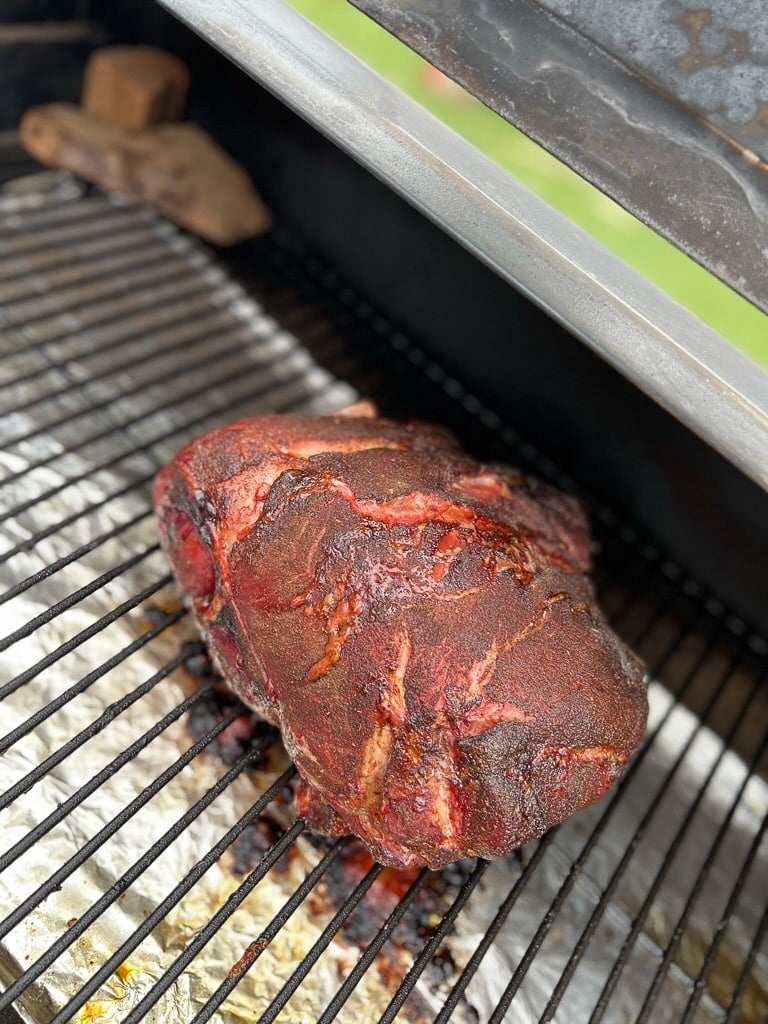
Trimming and Seasoning: Crafting the Perfect Bark
- Trimming: While some fat is good, excessive fat can prevent your rub from adhering and developing a good bark. Use a sharp knife to trim the fat cap down to about 1/4 inch thickness. Remove any loose hanging pieces of meat or fat that might burn during the long cook. This step is crucial for even cooking and optimal bark formation.
- Binder (Optional but Recommended): To help your rub stick, many pitmasters apply a thin layer of a binder. Common choices include yellow mustard, olive oil, or even a dash of hot sauce. Don’t worry, the flavor of the binder won’t be noticeable in the final product; it simply acts as an adhesive.
- The Rub: This is where you infuse your Boston Butt with flavor. You can use a pre-made commercial rub, or get creative and mix your own. A good rub typically contains a blend of salt, pepper, paprika (for color and flavor), garlic powder, onion powder, brown sugar (for caramelization and bark), and optional spices like cayenne pepper or chili powder for heat. Be generous! Cover all surfaces of the pork shoulder evenly, pressing the rub firmly into the meat. The more rub, the more bark, which is where much of the flavor resides.
- Pro Tip for Culinary Tourism enthusiasts: Experiment with regional rub styles. A Kansas City style rub might be sweeter with more brown sugar and paprika, while a Texas style rub might lean heavier on salt and black pepper.
- Resting with the Rub: After applying the rub, place the seasoned Boston Butt on a wire rack set over a baking sheet and refrigerate it for at least 4 hours, or ideally overnight (up to 12-18 hours). This allows the salt to penetrate the meat, tenderizing it and infusing flavor, while the rub forms a tacky surface that will transform into a beautiful bark during smoking.
The Smoking Process: Low, Slow, and Perfectly Tender
This is the heart of smoking a Boston Butt on a pellet grill. Consistency is key, and your pellet grill is designed to deliver just that, allowing you to focus on enjoying your time, whether you’re at home or experiencing a memorable staycation.
Setting Up Your Pellet Grill
- Choose Your Pellets: The type of wood pellets you use will significantly impact the flavor profile.
- Hickory: Classic choice for pork, providing a strong, smoky flavor.
- Oak: A versatile, medium-strength smoke, good for a balanced flavor.
- Apple or Cherry: Milder, fruitier smoke, excellent for a sweeter, more subtle flavor often preferred for pork.
- Competition Blend: Often a mix of different woods, designed for a balanced, all-around smoke.
Consider your preference or the regional flavor profile you’re trying to emulate.
- Preheat Your Grill: Fill your pellet hopper. Set your pellet grill to a temperature between 225°F (107°C) and 250°F (121°C). Lower temperatures (225°F) will take longer but yield maximum smoke flavor and tenderness. Higher temperatures (250°F) will speed up the cook slightly. Allow the grill to preheat fully and stabilize at your desired temperature, which usually takes 15-20 minutes.
The Long Smoke: Monitoring and Managing
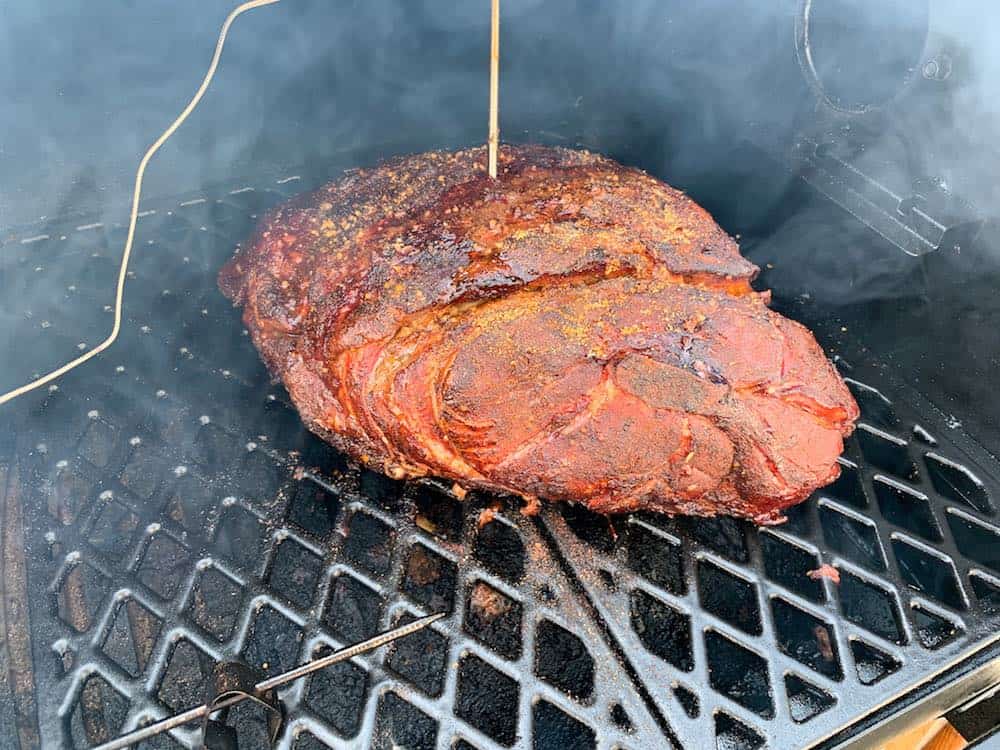
- Placement: Once the grill is preheated, place the seasoned Boston Butt directly on the grill grates, fat cap up (if you left one). Insert a reliable leave-in meat thermometer probe into the thickest part of the meat, avoiding the bone. This is crucial for monitoring the internal temperature without frequently opening the lid.
- The Initial Smoke (Unwrapped): Let the pork smoke undisturbed for the first 3-5 hours. This initial phase is critical for smoke penetration and bark development. Avoid opening the lid, as this releases heat and smoke, extending cooking time.
- The Spritz (Optional): After the initial smoke, you can begin spritzing the pork every 1-2 hours. A spritz is a liquid mist that helps keep the surface moist, preventing it from drying out and promoting better bark formation. Common spritz liquids include apple cider vinegar, apple juice, beer, or a mixture of these. Use a clean spray bottle for this.
- The Stall: Around 150°F-170°F (65°C-77°C) internal temperature, your pork shoulder will likely hit “the stall.” This is when moisture evaporating from the surface of the meat cools it down, causing the internal temperature to plateau for several hours. This is completely normal; patience is key. Don’t increase the grill temperature drastically.
- The Wrap (The “Texas Crutch”): Once the bark has set (it should be dark and firm, usually around 165°F-175°F / 74°C-79°C internal temperature), and you’ve endured the stall for a while, it’s time to wrap the Boston Butt. This step, often called the “Texas Crutch,” helps power through the stall, tenderizes the meat further by steaming it in its own juices, and keeps it moist.
- Carefully remove the pork from the grill.
- Wrap it tightly in two layers of heavy-duty aluminum foil, or butcher paper (which is more breathable and preserves bark better). You can add a splash of apple juice, cider vinegar, or broth inside the wrap for extra moisture.
- Return the wrapped pork to the pellet grill.
- The Final Cook: Continue cooking the wrapped pork at the same temperature (225°F-250°F / 107°C-121°C) until it reaches an internal temperature of 200°F-205°F (93°C-96°C). More importantly than a specific temperature, you’re looking for “probe tenderness.” When you insert your thermometer probe, it should slide into the meat with very little resistance, feeling like it’s going into warm butter. This indicates that the connective tissues have broken down sufficiently. The entire smoking process can take anywhere from 10-18 hours, depending on the size of the butt, your grill’s consistency, and whether you wrapped it.
The Grand Finale: Resting, Shredding, and Serving Your Masterpiece
You’ve put in the time and patience, and now it’s time to reap the rewards of your pellet grill prowess. These final steps are critical to ensuring your pulled pork is as tender and juicy as possible, ready to be the star of any meal, whether it’s a casual dinner at your home or a celebratory feast at a rented villa in Cancun.
The Crucial Rest
This is arguably the most overlooked yet vital step in the entire process. Once your Boston Butt reaches probe tenderness, remove it from the grill, still wrapped. You can optionally wrap it again in a towel and place it in a cooler (without ice) for 1-3 hours. This allows the internal temperature to equalize, the juices to redistribute throughout the meat, and the carryover cooking to further tenderize the pork. Skipping this step will result in drier, less tender pulled pork. Resist the urge to peek or shred immediately! This resting period is your time to prepare side dishes, set the table, or simply relax and anticipate the deliciousness to come.
Shredding and Serving
- Unwrap and Drain: After resting, carefully unwrap the pork. There will be a significant amount of flavorful liquid in the foil/paper. You can skim off some of the fat and save this juice to add back to your shredded pork for extra moisture and flavor.
- Shredding: Place the pork in a large pan or serving dish. The bone, if present, should pull out cleanly with minimal effort. Using two large forks, meat claws, or even clean gloved hands, begin to shred the pork. It should easily fall apart. Discard any large pieces of rendered fat or connective tissue that haven’t broken down.
- Mixing and Moistening: Add a portion of the reserved juices back into the shredded pork and mix thoroughly. This ensures maximum moisture and flavor. You can also mix in some of your favorite barbecue sauce at this stage, or serve it on the side.
- Serving Suggestions:
- Classic Sandwiches: Serve on soft buns with coleslaw and pickles.
- Tacos or Nachos: A fantastic way to enjoy leftover pulled pork.
- Platters: Create a feast with traditional barbecue sides like cornbread, baked beans, macaroni and cheese, and green beans. This is perfect for a family reunion or a large group at a spacious accommodation.
- Creative Dishes: Incorporate into quesadillas, loaded baked potatoes, or even breakfast hash.
Smoking a Boston Butt on a pellet grill is more than just cooking; it’s an experience that enriches your lifestyle and enhances your travel memories. It embodies the joy of good food shared with loved ones, the satisfaction of mastering a culinary craft, and the convenience of modern technology. Whether you’re staying at a luxurious Grand Hyatt with grill access, a charming bed and breakfast, or simply enjoying your own backyard, the ability to produce restaurant-quality pulled pork with minimal fuss is a testament to the lifestyle of effortless enjoyment. So, fire up that pellet grill, savor the smoky aromas, and prepare to delight your senses with a truly unforgettable meal.
LifeOutOfTheBox is a participant in the Amazon Services LLC Associates Program, an affiliate advertising program designed to provide a means for sites to earn advertising fees by advertising and linking to Amazon.com. Amazon, the Amazon logo, AmazonSupply, and the AmazonSupply logo are trademarks of Amazon.com, Inc. or its affiliates. As an Amazon Associate we earn affiliate commissions from qualifying purchases.