
The question “Is Boston a racist city?” is one that has long shadowed this historic metropolis, sparking debates and shaping perceptions, particularly for travelers considering a visit. As a hub for tourism, culture, education, and innovation, Boston offers an incredibly rich experience. However, its complex racial history is an undeniable part of its narrative, prompting many to wonder if the city lives up to its progressive ideals or if underlying prejudices still define the experience for certain visitors. For those planning a trip, understanding this dynamic is crucial for a complete and nuanced appreciation of one of America’s oldest and most vibrant cities.
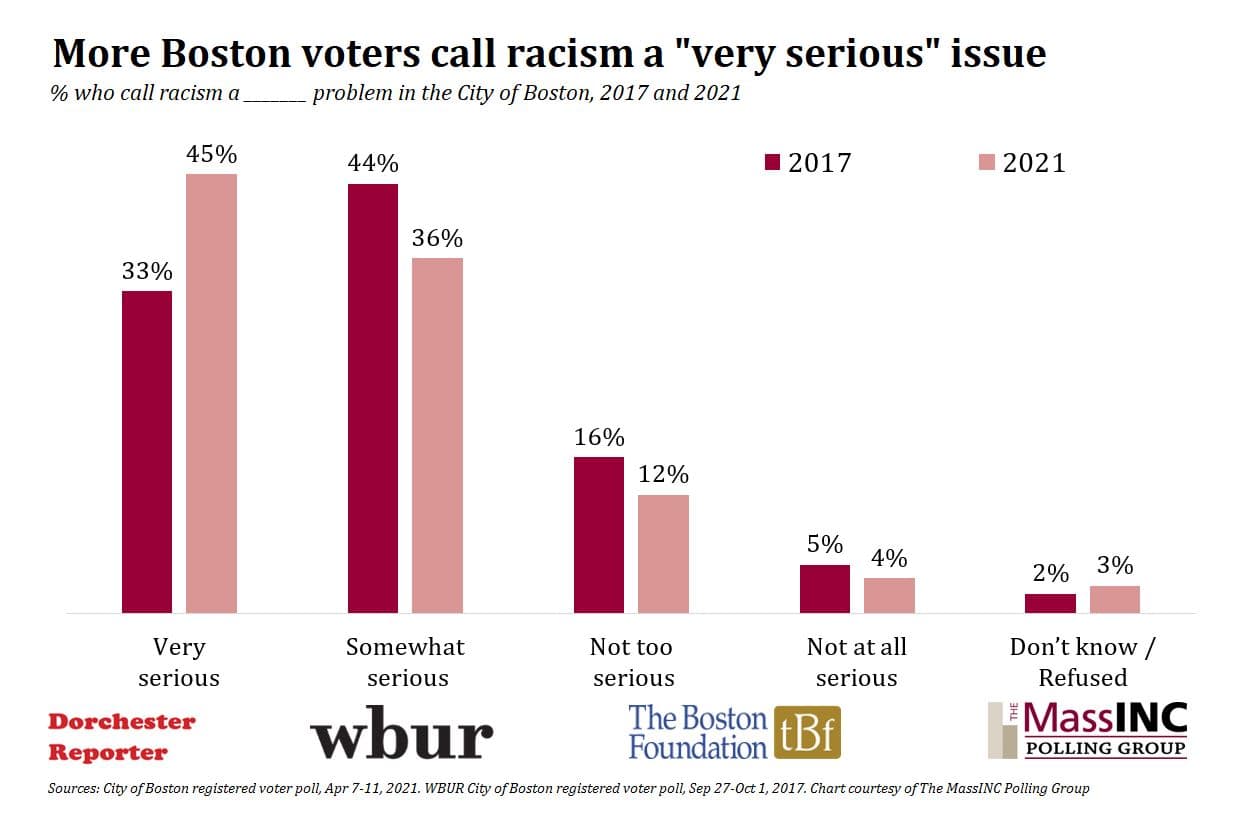
This article delves into Boston’s past and present, examining how its racial legacy influences its identity today and what this means for visitors. We’ll explore the historical context that has given rise to these perceptions, delve into the city’s current efforts towards diversity and inclusion, and offer insights into how travelers can experience the true, multifaceted Boston – a city that, like many others in the United States, is on an ongoing journey towards equity and understanding.
A City Forged in Paradox: History and Perception
Boston’s history is a tapestry woven with threads of both profound enlightenment and deeply entrenched prejudice. It was a cradle of the American Revolution, a beacon for abolitionists, and home to figures who championed freedom and equality. Yet, it also carries the burden of a more recent past marred by racial tension, leaving a lasting imprint on its reputation.
Echoes of the Past: Understanding Boston’s Racial Narrative
The city often conjures images of colonial cobblestones, esteemed universities like Harvard University and the Massachusetts Institute of Technology (MIT), and a fiercely independent spirit. However, for many, especially people of color, another image persists: that of a city with a “cold shoulder” or overt racial hostility. This perception is largely rooted in the 1970s busing crisis, a tumultuous period when efforts to desegregate public schools led to violent protests and deep divisions, particularly in working-class white neighborhoods like South Boston. While Boston was a leader in the abolitionist movement, hosting prominent figures like William Lloyd Garrison and Frederick Douglass, and serving as a vital stop on the Underground Railroad, its post-Civil Rights era history paints a different, more complicated picture.
The busing crisis became a symbol of racial discord in the North, contrasting sharply with the city’s self-image as a progressive bastion. This period saw white residents clashing with Black students, and the media widely broadcast images of hostility, embedding the idea of a deeply divided, racially intolerant Boston into the national consciousness. While specific incidents from this era are decades old, their legacy continues to influence how the city is perceived, particularly by African Americans and other minority groups. Studies and surveys, even in recent years, have occasionally pointed to experiences of racial bias or discomfort reported by people of color living in or visiting Boston. This isn’t to say that every interaction is negative, but rather to acknowledge that the city’s historical baggage shapes expectations and experiences for many.
For travelers, understanding this historical context is not about dwelling on the negative, but about recognizing the full story of the place they are visiting. Sites like the African Meeting House on Beacon Hill – the oldest existing Black church building in the United States and a central part of the Black Heritage Trail – offer a powerful reminder of Boston’s integral role in the fight for civil rights, predating the busing crisis by over a century. The Museum of African American History, housed within the African Meeting House, further illuminates these narratives, providing essential context for the city’s complex racial journey. These landmarks tell a story of struggle and resilience, highlighting the Black community’s significant contributions to the city and the nation, often in the face of systemic racism.
The Modern Melting Pot: Diversity Today
Despite its challenging past, contemporary Boston is a far more diverse and multicultural city than its historical reputation might suggest. In the decades since the busing crisis, significant demographic shifts have occurred, transforming its social fabric. Today, people of color constitute the majority of Boston’s population, reflecting a vibrant mix of cultures, ethnicities, and backgrounds from around the globe. This evolving demographic landscape is largely driven by immigration, with communities from Asia, Latin America, Africa, and the Caribbean enriching every aspect of city life.
The city’s universities and medical institutions, many of them world-renowned, attract a global talent pool, contributing to an incredibly diverse student body and professional community. This influx of international students and workers fosters a more cosmopolitan atmosphere, bringing new perspectives, traditions, and culinary delights to the city. Neighborhoods once defined by a single ethnic group are now rich tapestries of cultures, offering a dynamic and inclusive environment for residents and visitors alike.
For instance, Chinatown remains a bustling cultural center, but other areas like Jamaica Plain are known for their progressive politics and diverse populations, including a thriving LGBTQ+ community and significant Latin American presence. Dorchester and Roxbury, historically Black neighborhoods, are now also home to large Vietnamese, Cape Verdean, and Haitian communities, creating vibrant enclaves with unique cultural contributions. These areas boast an array of international restaurants, specialty shops, and cultural festivals that showcase the city’s rich diversity. Even historically Irish or Italian strongholds like Southie (South Boston) and the North End are seeing increased integration and diverse new businesses.
While challenges certainly remain and no city is free of prejudice, Boston is actively engaged in initiatives aimed at fostering greater equity, understanding, and inclusion. City government, community organizations, and academic institutions are working together to address systemic inequalities, promote dialogue, and celebrate the city’s multicultural identity. For a traveler, this means that while the past looms large, the present Boston is a city actively striving to be more welcoming and inclusive, offering countless opportunities to engage with diverse cultures and experiences. The shift in demographics and the conscious efforts of community leaders suggest a future where Boston’s reputation aligns more closely with its diverse and progressive aspirations.
Navigating Boston: Experiences for Every Traveler
For travelers, the experience of Boston is incredibly varied and deeply personal. Its wealth of historical sites, world-class museums, green spaces, and distinct neighborhoods offer something for everyone. From a tourism perspective, the city has made significant strides in promoting its diverse offerings and creating inclusive environments.
Embracing Cultural Richness and Diverse Neighborhoods
One of the most rewarding ways to experience modern Boston is to venture beyond the well-trodden paths of the Freedom Trail and explore its rich tapestry of neighborhoods. While iconic landmarks like Faneuil Hall, the Boston Common, and the Old North Church are essential stops, the real heartbeat of the city often lies in its vibrant, multicultural communities.
- Roxbury & Dorchester: These neighborhoods offer a deep dive into Boston’s African American history and current multicultural vibrancy. Visitors can find incredible soul food restaurants, Caribbean eateries, and community-led art initiatives. The Roxbury Cultural District showcases a variety of arts and cultural organizations, while Upham’s Corner in Dorchester is a bustling hub of diverse businesses and community life. Exploring these areas offers an authentic glimpse into the lives of many Boston residents and provides opportunities to support local, minority-owned businesses.
- Jamaica Plain: Known for its liberal spirit, beautiful Victorian homes, and the sprawling Arnold Arboretum, JP is a welcoming enclave. Its main thoroughfare, Centre Street, is lined with diverse restaurants, independent shops, and community spaces that reflect its inclusive nature. It’s a great place to experience Boston’s bohemian and progressive side.
- South End: Famous for its stunning Victorian architecture, tree-lined streets, and vibrant arts scene, the South End is also recognized for its historical diversity and LGBTQ+ friendly atmosphere. It’s home to numerous art galleries, upscale boutiques, and some of the city’s most acclaimed restaurants, representing a truly cosmopolitan aspect of Boston.
- Chinatown: As one of the largest and most active Chinatowns in the United States, this neighborhood is a sensory delight. From dim sum parlors and bakeries to herbal medicine shops and vibrant cultural events, it offers an immersive experience into East Asian culture.
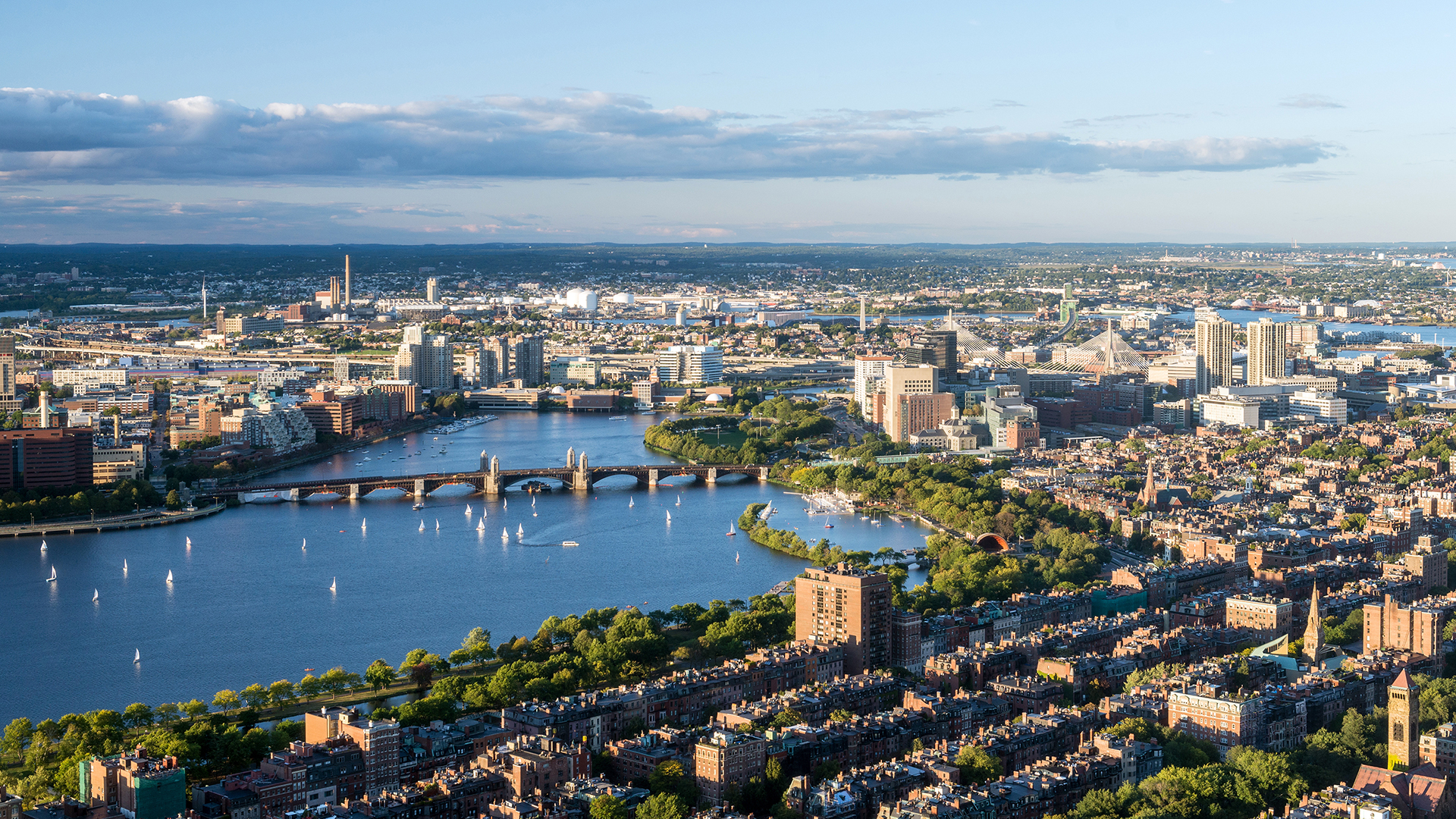
By deliberately seeking out these diverse areas, travelers can gain a more comprehensive understanding of Boston’s multifaceted identity and contribute positively to its local economies. Engaging with community leaders, attending local festivals, or simply enjoying a meal in a neighborhood restaurant can provide insights far beyond what a typical tourist itinerary might offer.
Landmarks of Progress and Reflection
Beyond the sites of colonial America, Boston is home to several landmarks that speak to its complex social history and its ongoing journey toward justice and equality. Integrating these into your travel itinerary provides a deeper, more reflective experience.
- The Black Heritage Trail: This 1.6-mile walking tour on Beacon Hill connects sites significant to Boston’s 19th-century African American community, including the African Meeting House and the Robert Gould Shaw and 54th Regiment Memorial. It highlights the contributions of Black abolitionists and civil rights pioneers and offers a crucial counter-narrative to the city’s more commonly told colonial history. Guided tours often provide powerful insights into the lives and struggles of these early activists.
- The Museum of African American History: Located in the African Meeting House, this museum is a vital resource for understanding the history of African Americans in New England. Its exhibits tell stories of resilience, leadership, and the enduring fight for freedom and equality.
- The Museum of Fine Arts and the Isabella Stewart Gardner Museum: While not directly related to racial history, these world-class institutions are actively working to diversify their collections and narratives, ensuring that art from all cultures and backgrounds is represented. Their efforts reflect a broader cultural shift in Boston towards greater inclusivity in the arts.
- Boston Public Library: As one of the largest public library systems in the United States, the Boston Public Library (BPL) at Copley Square is not only an architectural marvel but also a hub for community engagement and intellectual discourse. The BPL hosts numerous programs, exhibitions, and lectures that address social justice, diversity, and local history, making it a place of learning and civic dialogue for all.
Visiting these sites helps to contextualize the historical question of race in Boston and provides a more rounded understanding of its heritage. They serve as reminders that the pursuit of equality is an ongoing process, one that Boston has been a part of for centuries.
Travel and Tourism: Creating Inclusive Experiences
The tourism industry in Boston plays a crucial role in shaping visitor perceptions and experiences. While the city’s historical sites are a primary draw, there’s a growing recognition of the need to present a comprehensive, inclusive narrative that welcomes travelers from all backgrounds.
Hotels and Hospitality: A Welcoming Environment?
When it comes to accommodation, Boston offers an extensive range of options, from luxurious hotels like The Omni Parker House and the Four Seasons Hotel Boston to charming boutique inns and budget-friendly guesthouses. The hospitality sector, by and large, operates with the goal of providing a welcoming and comfortable experience for all guests, regardless of their background. Major hotel chains and independent establishments alike generally adhere to strict anti-discrimination policies and strive for professional, respectful service.
Many hotels and resorts are located in diverse neighborhoods or are within easy reach of cultural attractions, connecting visitors to the broader fabric of the city. For example, staying in Cambridge, just across the Charles River, offers access to its own distinct academic and cultural vibe, while also providing convenient transit to downtown Boston. Modern accommodation options often boast amenities designed to cater to a global clientele, further enhancing the sense of welcome. Reviews and comparison sites for hotels typically focus on service quality, location, and facilities, with few generalized complaints regarding discriminatory practices at a systemic level. However, individual experiences can always vary, as in any major city.
Travelers looking for accommodation might consider staying in areas known for their diversity or proximity to cultural sites that resonate with their interests. For instance, boutique hotels in the South End offer a chance to immerse oneself in a historically diverse and artistically rich neighborhood, while options near Back Bay provide easy access to the Museum of Fine Arts and various cultural institutions. Ultimately, the industry understands that a truly global city thrives on inclusivity and aims to provide an experience that reflects this understanding.
Beyond Stereotypes: Engaging with Local Culture
To truly experience Boston beyond its historical racial stereotypes, travelers are encouraged to actively engage with its vibrant local culture. This means going beyond curated tourist experiences and seeking out authentic interactions.
- Culinary Exploration: Boston’s food scene is a testament to its diversity. From traditional New England seafood and Italian fare in the North End to Ethiopian, Salvadoran, and Vietnamese restaurants in Dorchester and Roxbury, there’s a world of flavors to discover. Supporting local, independent restaurants, especially those owned by minority entrepreneurs, is a fantastic way to immerse in the culture and contribute directly to the communities.
- Arts and Entertainment: Boston boasts a thriving arts scene, from world-class theaters in the Theatre District to grassroots art galleries and performance spaces in neighborhoods like the South End and Jamaica Plain. Seek out performances, exhibitions, and festivals that highlight diverse voices and perspectives. The Boston Symphony Orchestra and the Huntington Theatre Company often feature programs celebrating diversity.
- Community Events: Check local listings for community events, farmers’ markets, and cultural festivals. These are often free or low-cost and offer excellent opportunities to interact with local residents, learn about different traditions, and experience the city’s inclusive spirit firsthand. Events like the Caribbean Carnival, Chinatown August Moon Festival, or various neighborhood street fairs provide a lively and welcoming atmosphere.
- Respectful Engagement: Travelers can foster a positive experience by approaching their visit with an open mind, curiosity, and respect for local customs and history. Engaging in conversations with locals, asking questions, and being mindful of the city’s past can lead to deeper, more meaningful connections. Choosing tours that focus on diverse histories and perspectives can also enrich the experience significantly, such as those offered by the Museum of African American History.
By consciously choosing to explore and engage with Boston’s diverse communities and cultural offerings, visitors can move beyond simplistic narratives and discover a city that is rich, complex, and genuinely welcoming.

Looking Ahead: Boston’s Ongoing Journey
The question of whether Boston is a racist city doesn’t have a simple yes or no answer. Like any major urban center, it is a place of contradictions, where historical injustices coexist with ongoing efforts towards progress and inclusion. While the specter of its past racial tensions, particularly the busing crisis, continues to influence perceptions, it is equally important to acknowledge the significant changes and dedicated work happening within the city. Boston today is a far more diverse and consciously inclusive city than it was fifty years ago. Its demographics have shifted dramatically, and its institutions, from city hall to universities and cultural organizations, are actively working to address systemic inequalities and promote a more equitable environment. Initiatives focused on racial equity, housing justice, educational reform, and police accountability are testament to a city grappling with its past and committed to building a better future.
For travelers, this means that while it is prudent to be aware of Boston’s history, it is also essential to experience the city as it is today: a vibrant, multicultural hub with a welcoming spirit. Negative isolated incidents can occur anywhere, but they do not define the entire experience of a diverse city striving for inclusivity. Many visitors, regardless of their background, report positive and enriching experiences, particularly when they venture beyond the most tourist-heavy areas and engage with the city’s varied communities.
In conclusion, Boston is a city on a continuous journey of self-reflection and improvement. It is a place where history is honored, but also where progress is earnestly pursued. For any traveler, Boston offers an unparalleled blend of historical significance, academic excellence, cultural richness, and modern vibrancy. By approaching a visit with an open mind and a willingness to explore its multifaceted identity, you will discover a city that is not only historically significant but also dynamically evolving, making it a compelling destination for all.
LifeOutOfTheBox is a participant in the Amazon Services LLC Associates Program, an affiliate advertising program designed to provide a means for sites to earn advertising fees by advertising and linking to Amazon.com. Amazon, the Amazon logo, AmazonSupply, and the AmazonSupply logo are trademarks of Amazon.com, Inc. or its affiliates. As an Amazon Associate we earn affiliate commissions from qualifying purchases.