
The Boston Marathon stands as an unparalleled pinnacle in the world of road running, an iconic event steeped in over a century of history and tradition. For many dedicated runners, simply participating isn’t enough; the ultimate goal is to earn a coveted spot in this prestigious race, a feat that necessitates achieving a specific qualifying time. Unlike most marathons, which offer open registration to all who can pay, the Boston Marathon prides itself on being a performance-based race, a true test of endurance and speed. This unique qualifying system imbues the event with an aura of exclusivity and prestige, making a trip to Boston during marathon week a must-do experience for athletes and travel enthusiasts alike.

Beyond the grueling 26.2 miles, the journey to Boston is an adventure in itself, often involving travel to various certified races to chase that elusive qualifying standard. It’s a lifestyle choice, a commitment that blends rigorous training with strategic travel planning. Understanding the qualifying times, the application process, and how to best navigate the vibrant city of Boston as a runner or spectator is crucial for anyone dreaming of toeing the start line in Hopkinton or simply soaking in the electric atmosphere of Marathon Monday. This guide will delve deep into everything you need to know about the Boston Marathon qualifying times, offering insights not only for the race itself but also for optimizing your travel, accommodation, and overall experience in one of America’s most historic cities.
Understanding the Road to Hopkinton: Boston Marathon Qualification Standards
The very first step on the path to the Boston Marathon is achieving a qualifying time. The Boston Athletic Association (BAA), the race organizer, sets stringent standards that vary by age group and gender. These times are not merely suggestions but absolute prerequisites, reflecting the race’s commitment to attracting a field of highly prepared and accomplished runners.
Age-Group Specific Qualifying Times
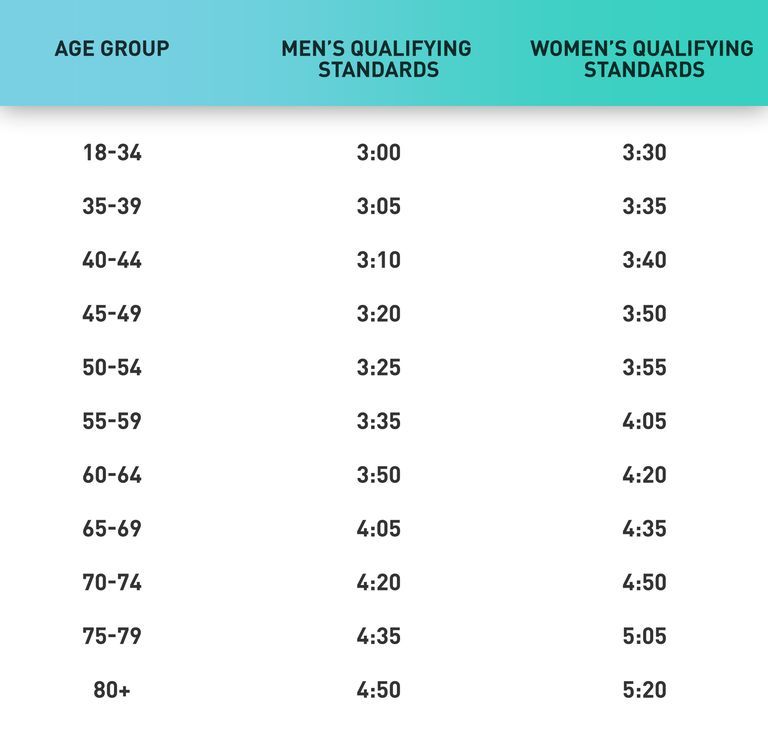
The qualification system is meticulously structured to ensure fairness across different demographics. As runners age, the physical demands of maintaining peak marathon performance change, and the BAA acknowledges this by adjusting the required times. For instance, a 25-year-old male will have a significantly faster qualifying time than a 55-year-old male. The age group you fall into is determined by your age on the date of the Boston Marathon itself, not on the date you ran your qualifying race.
To illustrate, consider a few examples (these are illustrative and subject to change; always refer to the official BAA website for the most current standards):
- Men:
- 18-34 years: 3 hours, 0 minutes
- 40-44 years: 3 hours, 10 minutes
- 60-64 years: 3 hours, 55 minutes
- Women:
- 18-34 years: 3 hours, 30 minutes
- 40-44 years: 3 hours, 40 minutes
- 60-64 years: 4 hours, 25 minutes
These times represent the minimum required. In many application cycles, the demand to run Boston far exceeds the available spots, meaning that simply meeting the standard might not be enough. This brings us to the crucial concept of the “cutoff time.”
The Importance of a Certified Race
Not just any marathon time will do. The BAA mandates that all qualifying races must be run on a course certified by either USATF (USA Track & Field) or AIMS (Association of International Marathons and Distance Races). This ensures the course distance is accurate and measured precisely, preventing any ambiguity or advantage from an improperly measured race. Furthermore, the race must employ legitimate timing methods, typically chip timing, to record your official net finish time. Times from virtual races, treadmill runs, or unofficial events will not be accepted.
Runners often plan their travel itineraries around these certified races, turning the pursuit of a Boston qualifier into a global adventure. Popular qualifying marathons include the Chicago Marathon, New York City Marathon, Berlin Marathon, and London Marathon, all part of the World Marathon Majors series, which are renowned for their fast courses and impeccable organization. Choosing a destination for your qualifying race can be an exciting part of the journey, blending the thrill of competition with the joy of exploring a new city.
The Challenging Reality of “Faster Than”
Perhaps the most critical, yet often misunderstood, aspect of Boston Marathon qualification is the “cutoff” system. While the BAA publishes official qualifying standards, the number of applicants who meet or exceed these standards frequently outnumbers the available entries. When this occurs, the BAA doesn’t simply accept everyone who qualified; instead, they take the fastest qualifiers until the field is full.
This means that in many years, you need to run faster than your age-group standard to be accepted. For example, if your age group requires a 3:30:00, you might need a 3:28:00 or even a 3:25:00 to guarantee entry, depending on the competitiveness of that year’s applicant pool. This unofficial “cutoff” time typically isn’t announced until after the application window closes and the field is filled. This adds an extra layer of challenge and motivation for runners, pushing them to achieve times significantly better than the published standards. It also means that a runner’s qualifying journey can involve multiple races and extensive travel, all in pursuit of shaving off those crucial extra minutes.
The Application Process: Navigating Your Journey to the Start Line
Once you’ve achieved that elusive qualifying time, the next hurdle is successfully navigating the application process. This stage requires attention to detail, timely submission, and an understanding of the available entry routes.
Key Dates and Deadlines
The application window for the Boston Marathon typically opens in early September, approximately seven months before the race, and lasts for about a week. This short window underscores the importance of being prepared. Aspiring participants must submit their application and qualifying information during this period. The BAA usually processes applications in waves, often prioritizing the fastest qualifiers first. For instance, those who beat their qualifying standard by 20 minutes or more might be accepted on the first day, followed by those who beat it by 10 minutes, and so on. This rolling acceptance further emphasizes the need for a buffer time beyond the published standard.
Required Documentation and Verification
The online application will require your personal details, information about your qualifying race (including race name, date, and official net finish time), and a link to your official race results for verification. The BAA has a rigorous verification process, so ensuring your information is accurate and readily accessible is paramount. Double-check your race results to ensure they match what you enter on the form. Any discrepancies could delay or even disqualify your application.
Alternative Entry Methods: Charity and Invitational Programs
For those who either don’t meet the qualifying standards or miss the cutoff time, there are still avenues to experience the Boston Marathon magic. The charity program is a significant component, allowing runners to gain entry by committing to raise a substantial amount of money for one of the BAA’s official charities. This route offers a profound opportunity to combine personal athletic goals with philanthropic endeavors, adding a layer of meaningful contribution to the marathon experience. Many charities have minimum fundraising requirements, often in the thousands of dollars, making it a significant commitment, but one that offers immense personal satisfaction and a guaranteed spot in the race.
Additionally, various sponsors and organizations receive invitational entries, which they may distribute through their own contests, loyalty programs, or partnerships. While these spots are limited, they represent another non-qualifying pathway. These alternative entry methods underscore the diverse motivations and lifestyles of Boston Marathon participants, ranging from elite athletes to dedicated fundraisers, all united by a desire to be part of this historic event.
Beyond the Race: Experiencing Boston as a Runner and Tourist
A trip to the Boston Marathon is far more than just 26.2 miles; it’s an immersive experience in one of America’s most historically rich and culturally vibrant cities. Whether you’re a runner, a supporter, or simply a travel enthusiast, Boston offers an abundance of attractions, culinary delights, and unique accommodations.
Choosing Your Boston Accommodation: Comfort and Convenience
Securing the right accommodation is paramount for any traveler, especially for a marathon participant. Prime locations near the finish line in Copley Square or with easy access to public transportation (“the T”) are highly sought after. Booking well in advance is essential, as hotels fill up quickly and prices surge during marathon week.
- Luxury Hotels: For those seeking an indulgent experience, Boston boasts world-class establishments. The Fairmont Copley Plaza, directly on the marathon course, offers historic charm and unparalleled convenience. The Mandarin Oriental, also near Copley Square, provides exquisite service and amenities like spas, perfect for pre-race relaxation or post-race recovery. Other top-tier options include the Ritz-Carlton and the Four Seasons.
- Boutique Hotels and Mid-Range Options: Boston has a thriving scene of charming boutique hotels, particularly in neighborhoods like Beacon Hill or the Back Bay. These offer a more personalized experience. Mid-range hotels in areas like the Seaport District or near Longwood Medical Area can provide a good balance of comfort and value, often with excellent access to the T.
- Apartments and Villas: For longer stays, families, or groups, consider booking an apartment through platforms specializing in accommodation. This offers more space, kitchen facilities, and a taste of local living, making it ideal for runners who might need specific meal preparations or extended recovery time.
- Runner-Specific Amenities: When booking, inquire about runner-friendly amenities. Some hotels offer early breakfast, late checkout options for marathoners, and sometimes even shuttle services to the official bus loading zones for the start. Location near the finish line in Copley Square or along the Charles River for easy shake-out runs is also a major plus.
Exploring Boston’s Rich History and Culture
Once your race day logistics are sorted, take time to immerse yourself in Boston’s incredible history. The city is a living museum, making it an ideal destination for history buffs and culture seekers.
- The Freedom Trail: A 2.5-mile red-lined path through downtown Boston connects 16 historically significant sites, including the Boston Common, Massachusetts State House, Faneuil Hall, the Paul Revere House, and the USS Constitution (Old Ironsides). Walking a portion of this trail can be a great way for runners to stay mobile without overdoing it before the race.
- Museums and Arts: Boston is home to world-class museums like the Museum of Fine Arts and the Isabella Stewart Gardner Museum. The theater district offers a variety of shows, and Harvard University and Massachusetts Institute of Technology (MIT) in nearby Cambridge provide fascinating architectural tours and academic atmosphere.
- Culinary Delights: Boston’s food scene is legendary. Indulge in fresh New England seafood, especially clam chowder and lobster rolls. Explore the historic North End for authentic Italian cuisine, or venture into the Seaport District for modern gastronomy. For runners, this is the perfect opportunity for some strategic carb-loading at some of the city’s finest Italian eateries.
- Sporting Culture: Beyond the marathon, Boston is a city deeply passionate about its sports teams. Catching a Boston Red Sox game at iconic Fenway Park (if the season aligns) is a quintessential Boston experience.
Training for Success: A Runner’s Lifestyle
The lifestyle of a Boston Marathon qualifier extends far beyond race day. It’s a year-round commitment to training, smart nutrition, and strategic travel for qualifying races. Many runners see their training not just as a physical regimen but as a holistic pursuit, influencing their travel choices, dietary habits, and social life. They often seek out destinations known for runner-friendly environments, perhaps combining a race with a family vacation or a business trip. The global running community fosters connections, turning race weekends into opportunities to meet like-minded individuals and explore new cultures. This pursuit of excellence, combined with the love for travel and exploration, truly defines the modern marathoner’s lifestyle.
The Boston Marathon Experience: From Hopkinton to Boylston Street
The journey from qualifying to crossing the finish line on Boylston Street is an experience unlike any other, blending rigorous competition with unparalleled crowd support and iconic scenery.
The Iconic Course: Key Sections and Challenges
The Boston Marathon course is famous for its point-to-point layout, running east from the rural town of Hopkinton to the urban heart of Boston. While generally downhill in the first half, it features infamous challenges in the latter stages:
- The Early Miles: The first few miles from Hopkinton are largely downhill, which can be deceptive, as it’s easy to start too fast. The course winds through small towns like Ashland, Framingham, and Natick, where enthusiastic crowds already line the streets.
- Wellesley Scream Tunnel: As runners pass through Wellesley College, they’re met with the deafening “Scream Tunnel” of students cheering, offering high-fives, and much-needed energy boosts.
- The Newton Hills: Between miles 16 and 21, the course presents its most daunting challenge: four significant hills in Newton. The most famous of these is Heartbreak Hill (around mile 20-21), a seemingly endless climb that tests the mental and physical fortitude of every runner. This section is often where races are won or lost.
- The Final Stretch: After conquering Heartbreak Hill, the course offers a long, gradual downhill into Brookline and eventually into Boston itself. The sights of the Prudential Tower and the John Hancock Tower signal the nearing finish. The final turn onto Boylston Street, with thousands of spectators roaring, is an unforgettable moment, a fitting culmination to years of training and months of travel and planning.

Post-Race Recovery and Celebration
After crossing the finish line, recovery is paramount. Many hotels cater to marathoners with special amenities. Post-race, celebrate your accomplishment in Boston’s vibrant neighborhoods. Enjoy a well-deserved meal in the North End, relax with a drink in the Back Bay, or simply soak in the joyous atmosphere that permeates the city. Remember to schedule some time for sightseeing after the race, when you can fully enjoy Boston’s attractions without the pre-race anxiety or post-race fatigue. The sense of camaraderie among finishers is palpable, and sharing stories over a celebratory meal is a key part of the Boston Marathon experience.
In conclusion, achieving a Boston Marathon qualifying time is an extraordinary accomplishment, a testament to dedication, discipline, and the enduring spirit of human endeavor. It represents not just a race, but a journey that intertwines athletic pursuit with the joy of travel, the exploration of culture, and the discovery of a historic city. For many, Boston becomes more than just a race destination; it becomes a milestone in a life well-lived, a place where dreams are realized and unforgettable memories are made. So, whether you’re meticulously planning your qualifying race or simply looking to experience the electric atmosphere of Marathon Monday, Boston, Massachusetts promises an enriching and inspiring adventure.
LifeOutOfTheBox is a participant in the Amazon Services LLC Associates Program, an affiliate advertising program designed to provide a means for sites to earn advertising fees by advertising and linking to Amazon.com. Amazon, the Amazon logo, AmazonSupply, and the AmazonSupply logo are trademarks of Amazon.com, Inc. or its affiliates. As an Amazon Associate we earn affiliate commissions from qualifying purchases.