
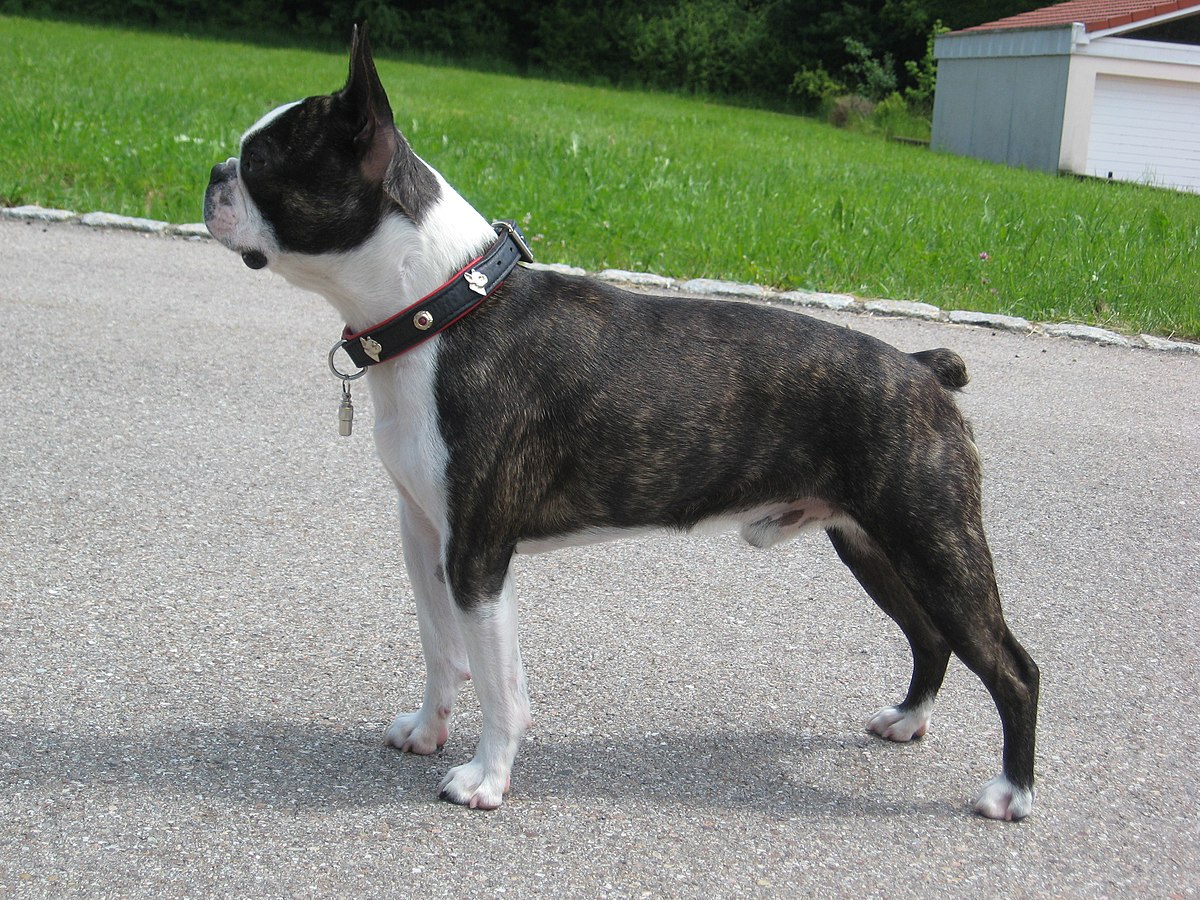
The Boston Terrier, affectionately known as the “American Gentleman,” is a breed that exudes charm, intelligence, and a distinctly spirited personality. From its dapper appearance to its unwavering loyalty, this compact canine has captivated hearts across the globe. But what exactly was this breed, with its iconic tuxedo coat and expressive eyes, originally intended for? The answer to this question takes us on a fascinating journey back to the bustling streets of 19th-century Boston, Massachusetts, weaving a tale of grit, evolution, and ultimately, the forging of an ideal companion for the modern era. Far from being just another pedigree, the Boston Terrier’s origins are deeply intertwined with urban life, social changes, and an evolving understanding of what a canine partner could be – making it a surprisingly fitting subject for a discussion on travel, lifestyle, and the vibrant tapestry of human-canine coexistence in various destinations worldwide. Understanding their historical purpose not only sheds light on their inherent characteristics but also reveals why they have become such popular and adaptable companions for those who embrace diverse lifestyles, including frequent travelers and city dwellers exploring new cultures and landmarks.
The Cradle of a Companion: Boston’s Role in Breed Development
The story of the Boston Terrier is, quite literally, a story of Boston. This vibrant city, rich in history and innovation, provided the perfect crucible for the creation of a breed that would come to embody a unique blend of toughness and refinement. Unlike many ancient breeds whose origins are shrouded in mystery, the lineage of the Boston Terrier is remarkably well-documented, tracing back to a single dog and a clear, albeit evolving, purpose.
From Pit Fighter to Parlor Pet: The Early Days
The narrative begins around 1870, not with the intention of creating a dapper companion, but rather a formidable competitor in the then-popular, albeit brutal, sport of pit fighting. In the working-class neighborhoods of Boston, a crossbreeding experiment began, primarily involving English Bulldogs and the now-extinct white English Terriers (a progenitor of several modern terrier breeds). This endeavor aimed to produce a dog that combined the Bulldog’s strength and tenacity with the Terrier’s agility and spirited nature.
The progenitor of the entire breed was a dog named Hooper’s Judge, a dog of formidable build and distinct markings, owned by Robert C. Hooper. Judge was bred to a white female named Burnett’s Gyp, and their offspring, and subsequent generations, would lay the foundation for what was initially known as the “Bullet Head” or “Round Head.” These early dogs were larger and more robust than the Boston Terriers we recognize today, clearly bearing the hallmarks of their fighting ancestry.
However, as the 19th century drew to a close, public sentiment and legal frameworks in the United States began to turn against dog fighting. This societal shift, coupled with an increasing desire among urban dwellers for smaller, more manageable house pets, prompted a pivotal change in the breed’s direction. Breeders in Boston began to selectively breed for smaller sizes, gentler temperaments, and the distinctive brindle and white markings that were becoming popular. The focus shifted from power and aggression to companionship and a pleasing aesthetic, transforming the “Bullet Head” into a refined house pet. This period of selective breeding in Boston’s burgeoning urban landscape truly gave birth to the modern Boston Terrier, demonstrating the adaptability of both the breed and its human creators in response to changing lifestyles and societal values. The breed was officially recognized by the American Kennel Club in 1893, initially as the Boston Terrier, a tribute to its city of origin and the transformation from fighter to friend.
The “American Gentleman” and the City’s Legacy
It wasn’t long before the Boston Terrier earned its famous moniker, the “American Gentleman.” This nickname perfectly encapsulates the breed’s emerging characteristics: a striking tuxedo coat, often brindle, seal, or black with crisp white markings; an intelligent and amiable expression; and a polite, well-mannered demeanor. The transformation from a rough-and-tumble pit dog to a sophisticated companion was complete, mirroring the aspirations of the rising middle class in cities like Boston.
The breed’s development occurred during a period of significant growth and change in Boston. The city was a hub of intellectual thought, industry, and cultural development, attracting people who valued refinement and progress. The Boston Terrier, with its compact size and amiable nature, was perfectly suited for apartment living and the confined spaces of urban life that were becoming increasingly prevalent. They required moderate exercise, were generally clean, and possessed an innate desire to be close to their human families. This made them an ideal pet for individuals and families navigating the challenges and opportunities of modern city living, from strolls along the Charles River Esplanade to quiet evenings in Beacon Hill brownstones. The breed truly became an extension of the Boston lifestyle – intelligent, resilient, charming, and always ready for a new adventure, whether it was exploring a new neighborhood or settling down for a cozy evening at home. Their legacy is not just about a dog breed; it’s about a cultural phenomenon that blossomed in one of America’s most iconic cities, reflecting the very essence of its heritage.
A Traveler’s Companion: Boston Terriers and Modern Lifestyles
In the contemporary world, the original breeding purpose of the Boston Terrier has evolved far beyond its 19th-century origins. Today, these charming canines are cherished for their companionship, their adaptability, and their remarkable ability to integrate seamlessly into diverse human lifestyles. For many modern owners, this includes a penchant for travel, exploring new destinations, and experiencing local cultures. The Boston Terrier’s inherent traits—their size, temperament, and trainability—make them surprisingly well-suited for a life on the go, turning pet ownership into an enriching aspect of travel and tourism.
Navigating Destinations with Your Boston Terrier
One of the primary reasons Boston Terriers excel as travel companions is their compact size. Weighing typically between 12 and 25 pounds, they fit comfortably in airline-approved carriers that can be stowed under a seat, making air travel a feasible option for many destinations. This is a significant advantage for those looking to explore far-flung locales, from the historic streets of Europe to the vibrant markets of Asia. Their relatively small stature also means they take up less space in vehicles, making road trips across the United States or Canada a comfortable experience for both dog and owner.
Beyond their size, their temperament is a crucial factor. Boston Terriers are generally well-behaved, eager to please, and adaptable to new environments, provided they receive proper socialization from a young age. They thrive on human companionship, making them less prone to separation anxiety when traveling than some other breeds, as long as they are with their family. This makes them ideal for exploring city parks in New York City, strolling along seaside promenades in Florida, or even joining in on outdoor cafe experiences in pet-friendly European cities like Paris or Rome. Responsible travel, of course, means always checking local regulations, ensuring your Boston Terrier is comfortable and safe, and making sure all necessary vaccinations and health certificates are in order for international journeys.
Finding Pet-Friendly Accommodation

The rise of pet-friendly travel has opened up a world of possibilities for Boston Terrier owners. Many hotels, resorts, and even luxury apartments now welcome canine guests, often with special amenities designed to make their stay as comfortable as their human counterparts. When planning a trip, researching pet policies is paramount. Websites like lifeoutofthebox.com frequently feature guides to pet-friendly hotels, offering insights into fees, weight restrictions, and available services.
For instance, many boutique hotels in major cities now offer dog beds, water bowls, and even gourmet pet menus. Larger hotel chains, recognizing the growing trend, have also adopted comprehensive pet programs. These can range from modest budget accommodations to opulent five-star resorts that cater to every whim. In some destinations, you might even find charming villas or cozy bed-and-breakfasts that welcome pets, providing a more homely feel for an extended stay. Vacation rentals, often available through online platforms, can also be an excellent option, offering more space and privacy, which can be particularly beneficial for pets. When booking, it’s always wise to confirm the pet policy directly with the accommodation provider, specify your Boston Terrier’s size, and inquire about any designated pet relief areas or nearby parks. This careful planning ensures a smooth and enjoyable experience for both you and your four-legged travel companion, making your journey truly stress-free.
Exploring Urban Landmarks and Natural Wonders with Your Breed
The Boston Terrier’s moderate exercise requirements and inquisitive nature make them excellent partners for exploring a wide array of destinations. In urban environments, they are perfectly suited for leashed walks through historic districts, such as Boston’s own Freedom Trail, or the charming cobblestone streets of Quebec City. Their small size makes them easy to navigate through crowds, provided they are well-socialized and comfortable with bustling environments. Many city parks, both in the United States and internationally, offer designated off-leash areas where Boston Terriers can safely burn off energy and socialize with other dogs.
Beyond cityscapes, these adaptable dogs can also enjoy certain natural wonders. While they may not be ideal for strenuous, multi-day hikes in places like Yosemite National Park due to their brachycephalic (short-nosed) nature and susceptibility to overheating, they can certainly accompany owners on leisurely trails in cooler climates or during less strenuous seasons. They enjoy exploring dog-friendly beaches along the California coast or sniffing out new scents in forest preserves in the Pacific Northwest. The key is to be mindful of their physical limitations, especially in extreme temperatures, and ensure they have plenty of water and opportunities for rest. Whether you’re admiring architectural marvels in Tokyo or enjoying a picnic by a lake in the Swiss Alps, a Boston Terrier can be a delightful and engaging partner, adding an extra layer of joy and companionship to your travel experiences. Their presence often encourages interactions with locals, further enriching the cultural exchange aspect of tourism.
Beyond the Breed Standard: The Boston Terrier Lifestyle
The enduring popularity of the Boston Terrier goes beyond its historical breeding purpose and current role as a travel companion. It speaks to a unique lifestyle that many owners embrace—one that values adaptability, urban living, and a deep connection with a beloved pet. These dogs are more than just pets; they are integral family members who seamlessly fit into a variety of contemporary living situations, making them perfect for those who lead dynamic and diverse lives.
The Urban Explorer: An Ideal City Dweller
The very history of the Boston Terrier is rooted in urban environments, and this legacy continues to define its suitability for city living. Their compact size makes them ideal for apartments, condos, and smaller homes common in metropolitan areas. Unlike larger breeds that require expansive yards or extensive daily runs, Boston Terriers are content with moderate exercise, such as a couple of brisk walks around the block or some playtime in a nearby park. This characteristic is particularly appealing to city dwellers who might not have access to vast open spaces but still desire the companionship of a dog.
Furthermore, their generally quiet nature and non-excessive barking habits make them considerate neighbors in multi-unit dwellings. They are social animals that thrive on interaction, making them excellent companions for walks to local cafes, visits to pet-friendly shops, or even exploring the vibrant street art of a new destination. Their curious yet often calm demeanor allows them to adapt quickly to the sights, sounds, and rhythms of urban life, embodying the true spirit of an urban explorer. Whether navigating the bustling markets of Mexico City or enjoying a quiet moment in a courtyard in Kyoto, a Boston Terrier proves to be an astute and enjoyable companion, perfectly complementing the lifestyle of those who thrive in the heart of the city.
Integrating into Diverse Lifestyles
The “American Gentleman” is not confined to one type of owner or lifestyle. Its adaptability allows it to integrate wonderfully into a multitude of family structures and personal preferences. For busy professionals, their relatively low maintenance requirements (beyond needing attention and love) and manageable size make them a practical choice. They can be content curling up at home during working hours, eagerly awaiting their owner’s return for an evening walk or cuddle session. For those who frequently travel for business, the Boston Terrier’s ability to travel easily can transform what might be a lonely trip into a shared adventure.
Families with children also find Boston Terriers to be delightful additions. Their playful yet gentle nature makes them excellent playmates for kids, and their robust build means they can generally handle the exuberance of family life. For retirees or individuals seeking a calm yet engaging companion, the breed’s affectionate disposition and moderate energy levels are perfectly matched. They offer comfort, routine, and a constant source of joy, whether lounging at home, taking leisurely strolls through a local park, or embarking on a long-term stay in a new city. The Boston Terrier genuinely enhances the quality of life for its owners, fitting seamlessly into various routines, from luxury travel experiences to more budget-conscious adventures, proving its versatility across the entire spectrum of modern lifestyles.

Cultural Impact and Legacy
The Boston Terrier’s journey from the fighting pits of 19th-century Boston to a beloved companion has cemented its place in popular culture, particularly in the United States. It’s more than just a dog; it’s a symbol of American ingenuity, adaptability, and the evolution of our relationship with animals. The breed has been the mascot for various universities and organizations, and its distinctive look and charming personality have frequently appeared in advertising, literature, and film. This cultural impact is a testament to its widespread appeal and how deeply it has resonated with people from all walks of life.
The Boston Terrier has become an unofficial ambassador for its hometown, often featured in local Boston iconography and celebrated by residents. Its story reflects the innovative spirit of New England and the ability of a community to redefine the purpose and perception of a living creature. This breed’s enduring legacy is a powerful example of how animal companionship has evolved, emphasizing the importance of a loving home over utility, and highlighting the profound bond between humans and their pets across different cultures and environments, inspiring countless travelers to seek out pet-friendly experiences and destinations worldwide.
In conclusion, while Boston Terriers were initially bred for the combative world of pit fighting, their journey through selective breeding and societal change transformed them into the ultimate “American Gentleman.” Today, their purpose is primarily to be cherished companions, and their inherent traits make them remarkably well-suited for diverse modern lifestyles, particularly for those who embrace travel and urban exploration. From navigating bustling city streets to relaxing in pet-friendly accommodations, the Boston Terrier embodies an adaptability that makes them a wonderful partner for experiencing the world, proving that their true calling is simply to enrich the lives of the humans they love, no matter where their adventures take them.
LifeOutOfTheBox is a participant in the Amazon Services LLC Associates Program, an affiliate advertising program designed to provide a means for sites to earn advertising fees by advertising and linking to Amazon.com. Amazon, the Amazon logo, AmazonSupply, and the AmazonSupply logo are trademarks of Amazon.com, Inc. or its affiliates. As an Amazon Associate we earn affiliate commissions from qualifying purchases.